
자료
세계시민교육에 대한 이해를 넓히고 연구, 옹호 활동, 교수, 학습 등을 향상시킬 수 있는 다양하고 유용한 자료를 찾아보세요.
3,500 건의 결과가 검색되었습니다
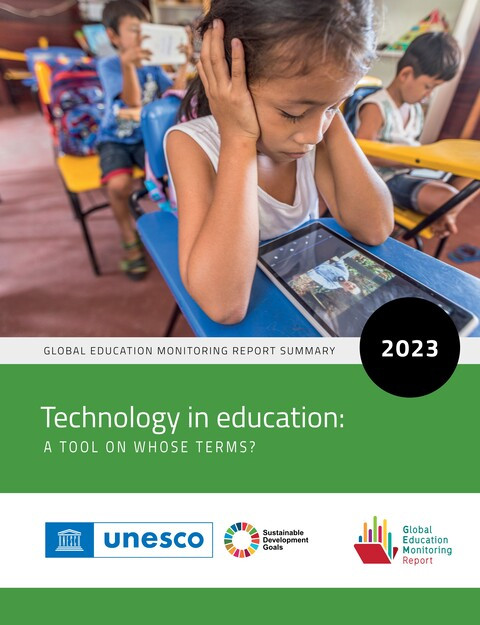 [요약본] 2023 세계 교육 현황 보고서 요약본: 교육 분야에서의 기술; 누구를 위한 도구인가? 발행 연도: 2023 단체 저자: 유네스코 | 세계교육현황보고서팀 교육 분야에서 기술의 역할은 오랫동안 격렬한 논쟁을 불러일으켜 왔다. 기술은 지식을 민주화할 것인가, 선택된 소수가 정보를 통제함으로써 민주주의를 위협할 것인가? 기술은 무한한 기회를 제공할 것인가, 돌이킬 수 없이 기술에 종속되는 미래로 이끌 것인가? 기술은 공평한 경쟁의 장을 제공할 것인가, 불평등을 악화시킬 것인가? 기술은 아이들을 가르치는 데 사용되어야 할 것인가, 아이들의 발달에 위험 요소가 될 것인가? 이러한 논쟁은 코로나19로 인한 휴교와 생성형 인공지능의 등장으로 더욱 고조되고 있다. 하지만 개발자가 의사결정권자보다 한 발 앞서 있는 경우가 많기 때문에 교육 기술에 대한 연구는 복잡하다. 강력하고 공정한 증거가 부족하다. 사회는 기술을 해결책으로서 선택하기 전에 교육에 대해 올바른 질문을 던지고 있는가? 사회는 기술이 가져다줄 이익을 모색하는 동시에 기술의 위험을 인식하고 있는가 정보통신기술은 소외된 학습자에게 다가가고 더 많은 지식을 매력적이고 저렴한 포맷으로 보급한다는 측면에서 형평성과 포용성을 뒷받침할 잠재력을 갖고 있다. 특정한 상황과 일부 학습 유형에서 기술은 교수 및 학습의 기초 역량을 질적으로 향상시킬 수 있다. 어떤 경우에서든 디지털 역량은 기초 역량 패키지의 일부가 되었다. 또한 디지털 기술은 관리를 지원하고 효율성을 높여 더 많은 양의 교육 데이터를 처리하는 데 도움이 될 수 있다. 동시에 기술은 완전히 해롭지는 않더라도 일부를 배제하거나 일부에게 부적절하거나 부담을 줄 수도 있다. 따라서 정부는 모두를 위한 교육에 공평하게 접근할 수 있도록 적절한 환경을 보장하고, 학습자를 부정적인 영향으로부터 보호하기 위해 기술 사용을 규제하고 교사들을 준비시켜야 한다. 본 보고서는 적절하고 공평하며 측정 가능하고 지속 가능한 증거를 바탕으로 기술을 교육에 도입해야 한다고 권장하고 있다. 다시 말해, 기술 사용은 학습자의 최선의 이익을 고려해야 하며, 교사와의 대면적 상호작용을 보완해야 한다. 기술은 이러한 조건에 따라 사용되는 도구로 인식되어야 한다. [резюме] ВСЕМИРНЫЙ ДОКЛАД ПО МОНИТОРИНГУ ОБРАЗОВАНИЯ РЕЗЮМЕ 2023: Технологии в образовании; НА ЧЬИХ УСЛОВИЯХ? 발행 연도: 2023 단체 저자: UNESCO | Global Education Monitoring Report Team Вопрос о роли технологий в образовании уже давно вызывает бурные дискуссии. Способствуют ли они распространению знаний или же ставят под угрозу доступ к ним, позволяя избранному кругу лиц контролировать информацию? Открывают ли они безграничные возможности или же безвозвратно ведут нас к зависимому от технологий будущему? Уравнивают ли они возможности или же усугубляют неравенство? Следует ли использовать их при воспитании детей младшего возраста или же существуют риски для нормального развития детей? Закрытие школ в связи с пандемией COVID-19 и развитие генеративного искусственного интеллекта придали новый импульс обсуждению этих вопросов. Однако учитывая, что разработчики технологий зачастую идут на шаг впереди ответственных за принятие решений лиц, исследования в области образовательных технологий сопряжены с определенными трудностями. Надежных, объективных данных крайне мало. Задается ли общество правильными вопросами об образовании, прежде чем прибегнуть к помощи технологий? Информационно-коммуникационные технологии способны содействовать обеспечению справедливости и инклюзивности с точки зрения охвата находящихся в неблагоприятном положении учащихся и более широкого распространения знаний в удобных и доступных форматах. В определенных условиях и в рамках некоторых видов обучения они могут повышать качество преподавания и изучения базовых навыков. Так или иначе, цифровые компетенции становятся неотъемлемой частью набора базовых навыков. Цифровые технологии также могут способствовать управлению и повышению эффективности, помогая обрабатывать большие объемы данных об образовании. В то же время технологии могут приводить к изоляции, не соответствовать потребностям и быть обременительными, а иногда даже вредными. Правительства должны создавать надлежащие условия для обеспечения справедливого доступа к образованию для всех, регулировать использование технологий, с тем чтобы защитить учащихся от их негативного воздействия, и заниматься подготовкой учителей. В данном докладе рекомендуется внедрять технологии в образование на основании данных, подтверждающих их целесообразность, соответствие принципам справедливости, применимость и устойчивость. Иными словами, они должны использоваться с учетом интересов учащихся и в качестве дополнения к образованию, основанному на человеческом взаимодействии. Их следует рассматривать как инструмент, использование которого должно осуществляться на этих условиях. Во Всемирном докладе по мониторингу образования 2023 года приводится анализ того, что еще предстоит сделать для достижения к 2030 году целей в области образования, в то время, когда мир находится на полпути к установленному сроку. Образование играет не последнюю роль в технологическом прогрессе, однако оно также имеет решающее значение для достижения других целей в области развития. [摘要] 《全球教育监测报告》摘要 2023: 技术运用于教育; 谁来做主? 발행 연도: 2023 단체 저자: UNESCO | Global Education Monitoring Report Team 技术在教育中的角色长期以来一直引发激烈的争论。它是民主化知识的推动者,还是通过允许少数人控制信息而威胁民主?它提供无限机会,还是导致依赖技术的未来无法回头?它能够实现平等竞争,还是加剧不平等?应该在教授幼儿时使用,还是存在对其发展的风险?这场辩论受到了COVID-19疫情导致的学校关闭以及生成人工智能的出现的影响。 但由于开发者往往领先于决策者一步,教育技术的研究变得复杂。坚实、公正的证据相当稀缺。在将技术视为解决方案之前,社会是否正在就教育问题提出正确的问题?在追求技术的好处时是否意识到其中的风险? 信息和通信技术有潜力支持平等和包容,以实现与弱势学习者的接触和以引人入胜且经济实惠的方式传播更多知识。在某些情况下,对于某些类型的学习,它可以提高教学质量和学习基本技能。无疑,数字技能已成为基本技能包的一部分。数字技术还可以支持管理并提高效率,帮助处理更大量的教育数据。 然而,技术也可能造成排斥,并且可能是无关紧要且繁重的,甚至是有害的。政府需要确保创造适当的条件,为所有人提供公平的教育机会,对技术使用进行监管,以保护学习者免受其负面影响,并为教师做好准备。 本报告建议,在基于证据表明其适当、公平、可扩展和可持续的情况下引入技术到教育中。换句话说,其使用应符合学习者的最佳利益,并应与教师的面对面互动相辅相成。应将其视为一种工具,以这些条件来使用。 到2023年全球教育监测报告截止期限的中途,评估了实现2030年教育目标仍需走多远。教育是实现其他发展目标的关键,尤其是技术进步的目标。
 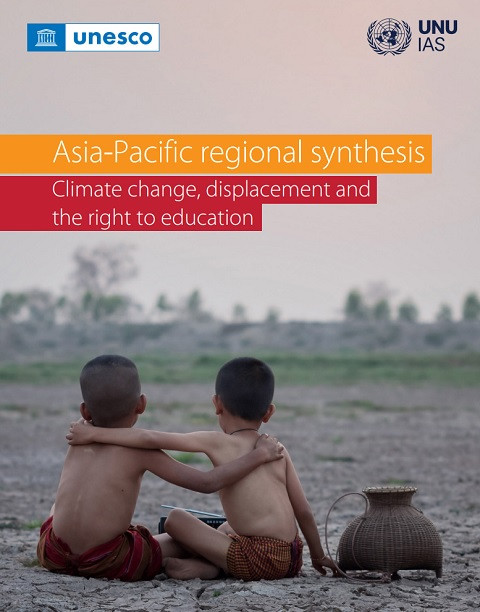 Asia-Pacific Regional Synthesis: Climate Change, Displacement and the Right to Education 발행 연도: 2023 단체 저자: UNESCO | United Nations University Institute for the Advanced Study of Sustainability (UNU-IAS) | UNESCO Bangkok In 2020, 30.7 million people were displaced by natural disasters – disasters which the scientific community acknowledges are more frequent and more intense as a result of climate change. In Asia and the Pacific alone, 21.3 million people were displaced, making it the region the most impacted by national disasters and climate change in the world. Therefore, country case studies were carried out in Bangladesh, India, Indonesia, Tuvalu, and Viet Nam to examine not only specific vulnerabilities to climate change and related mobility, but also the impacts of climate change on the right to education in Asia and the Pacific. These case studies show that climate change directly threatens education – through the destruction of schools and property – but also indirectly puts education in peril by forcing people to cross borders, ensuring neither legal residency nor the right to education. This regional synthesis report aims to guide policy-makers through providing operational policy recommendations on how to ensure education is protected in Asia and the Pacific in the face of climate change and displacement from a human rights-based approach. The report is one of four being developed and will contribute to the global initiative on climate change and displacement and the right to education – launched by UNESCO in 2020 – by informing the development of a Global Report with global policyrecommendations.How climate change impacts the right to education in Asia and the Pacific21.3million displacementstook place in Asia and the Pacific
 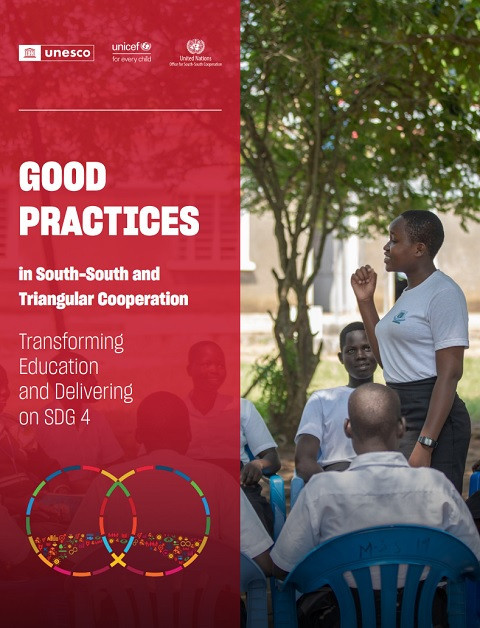 Good Practices in South-South and Triangular Cooperation: Transforming Education and Delivering on SDG 4 발행 연도: 2023 단체 저자: UNESCO | United Nations Children's Fund (UNICEF) | UN. Office for South-South Cooperation (UNOSSC) Quality Education: South-South cooperation as a lever for action. This publication showcases 40 innovative solutions on how South-South and Triangular Cooperation can transform education.South-South and triangular cooperation is at the heart of SDG4 implementation on Quality Education. As demonstrated in the last few years, this kind of cooperation can mobilize action, ambition, solidarity and solutions to transform education in a rapidly changing world. From the inclusive approach to digital learning in Lao People’s Democratic Republic to distance learning and teacher training strategies in Caribbean SIDS, South-South cooperation is a key modality of cooperation for transforming education and supporting internationally agreed development goals, including the 2030 Agenda. This publication showcases 40 innovative solutions on how South-South and Triangular Cooperation can transform education.This publication presents forty innovative solutions from around the world which showcase how South-South and triangular cooperation can support the development of more efficient, equitable and resilient education systems that are adapted to the challenges of the 21st century. Countries of the South, with the support of partners, must enhance South-South and triangular cooperation to exchange resources, technology, skills and knowledge to realize the promise of making inclusive, quality education available to all.
 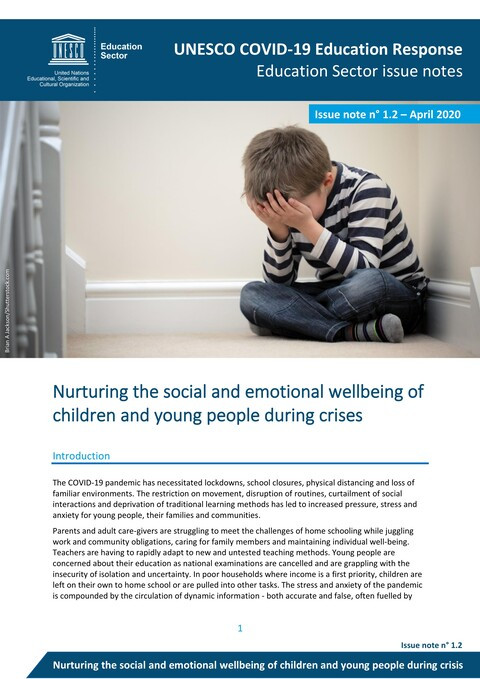 Nurturing the Social and Emotional Wellbeing of Children and Young People During Crises (UNESCO COVID-19 Education Response: Education Sector issue notes; No.1.2, 2020) 발행 연도: 2020 단체 저자: UNESCO The COVID-19 pandemic has necessitated lockdowns, school closures, physical distancing and loss of familiar environments. The restriction on movement, disruption of routines, curtailment of social interactions and deprivation of traditional learning methods has led to increased pressure, stress and anxiety for young people, their families and communities. Parents and adult care-givers are struggling to meet the challenges of home schooling while juggling work and community obligations, caring for family members and maintaining individual well-being. Teachers are having to rapidly adapt to new and untested teaching methods. Young people are concerned about their education as national examinations are cancelled and are grappling with the insecurity of isolation and uncertainty. In poor households where income is a first priority, children are left on their own to home school or are pulled into other tasks. The stress and anxiety of the pandemic is compounded by the circulation of dynamic information - both accurate and false, often fuelled by sensationalist media reporting. This not only increases insecurity but also acts as fertile ground for the spread of intolerance, racism, xenophobia and hate crimes. To address and counter the social anxiety, emotional upheaval and fearful insecurity unleashed by COVID-19, it is urgent and necessary that families and communities build vital coping skills and emotional resilience. Social and emotional skills are well established, evidence-based practices, that can be adapted to help equip children, young people, parents and teachers with the knowledge, skills, attitudes and behaviours they need to stay healthy and positive, navigate emotions, practice mindful engagement, exhibit pro-social behaviour and cope with daily challenges. Promoción del bienestar socioemocional de los niños y los jóvenes durante las crisis (Respuesta del ámbito educativo de la UNESCO al COVID-19 Notas temáticas del Sector de Educación; No.1.2, 2020) 발행 연도: 2020 단체 저자: UNESCO La pandemia del COVID-19 ha requerido cuarentenas, cierre de escuelas, distanciamiento físico y pérdida de entornos familiares. La restricción de movimiento, la interrupción de las rutinas, la reducción de las interacciones sociales y la privación de los métodos de aprendizaje tradicionales han dado como resultado una mayor presión, estrés y ansiedad en las personas jóvenes, sus familias y sus comunidades. Actualmente las madres, los padres y los cuidadores se esfuerzan por cumplir los desafíos del aprendizaje en el hogar y a la vez tener que hacer malabares con el trabajo y sus obligaciones comunitarias, el cuidado de sus familiares y su propio bienestar individual. Las y los docentes han tenido que adaptarse rápidamente a métodos de enseñanza nuevos y que todavía no han sido probados. La gente joven está preocupada por su propia educación al ver cancelarse los exámenes nacionales y luchan contra la inseguridad producida por el aislamiento y la incertidumbre. En los hogares más pobres, donde los ingresos son la primera prioridad, se deja a los niños y las niñas a cargo de su propio aprendizaje o se les asignan otras tareas. El estrés y la ansiedad de la pandemia se ven agravados por la circulación de información dinámica, tanto verdadera como falsa, que por lo general es fomentada por el trabajo de la prensa sensacionalista. Esto no solo aumenta la inseguridad, sino que también actúa como un campo fértil para la propagación de la intolerancia, el racismo, la xenofobia y los crímenes de odio. Para abordar y contrarrestar la ansiedad social, la convulsión emocional y la atemorizante inseguridad que ha desatado el COVID-19, es urgente que las familias y las comunidades desarrollen habilidades vitales de adaptación y resiliencia emocional. Las habilidades sociomocionales son prácticas bien establecidas y con base empírica que se pueden adaptar con el fin de entregar a niños, niñas, jóvenes, padres, madres y docentes las herramientas, habilidades, actitudes y conductas necesarias para mantenerse sanos y positivos, explorar en sus emociones, practicar un compromiso consciente, exhibir una conducta prosocial y lidiar con los desafíos diarios. Favoriser le bien-être social et émotionnel des enfants et des jeunes en période de crise(Réponse éducative de l’UNESCO face au Covid-19: Notes du Secteur de l’éducation; No.1.2, 2020) 발행 연도: 2020 단체 저자: UNESCO La pandémie de COVID-19 a nécessité le confinement, la fermeture des écoles, la distanciation physique et la perte d’environnements familiers. Les restrictions de déplacement, le bouleversement des routines, la diminution des interactions sociales et la privation des méthodes d’apprentissage traditionnelles ont eu pour effet d’augmenter la pression, le stress et l’anxiété chez les jeunes, leurs familles et leurs communautés Les parents et les adultes aidants déploient des efforts considérables pour gérer l’école à la maison, tout en jonglant avec leurs obligations professionnelles et communautaires, s’occupant des membres de la famille et préservant le bien-être de chacun. Les enseignants doivent s’adapter rapidement à de nouvelles méthodes d’enseignement non éprouvées. Les jeunes s’inquiètent pour leurs études à cause de l’annulation des examens et sont aux prises avec un sentiment d’insécurité dû à l’isolement et à l’incertitude. Dans les foyers pauvres, où le revenu est la priorité absolue, les enfants sont livrés à euxmêmes pour leur travail scolaire ou en sont détournés pour effectuer d’autres tâches. Le stress et ’anxiété suscités par la pandémie sont aggravés par la circulation d’informations, exactes ou fausses, souvent exacerbées par les articles à sensation des médias. Non seulement le sentiment d’insécurité en est accru, mais cela crée un terrain propice à la propagation de l’intolérance, du racisme, de la xénophobie et des crimes de haine. Pour combattre et contrer l’anxiété sociale, les troubles émotionnels ainsi que le sentiment d’insécurité et de peur générés par le COVID-19, il est urgent et nécessaire que les familles et les communautés acquièrent des capacités d’adaptation et une résilience émotionnelle vitales. Les compétences sociales et émotionnelles sont des pratiques bien établies, fondées sur des données, qui peuvent être adaptées pour équiper les enfants, les jeunes, les parents et les enseignants des connaissances, compétences, attitudes et comportements nécessaires pour rester en bonne santé et positifs, gérer ses émotions, s’engager en toute conscience, adopter un comportement social positif et faire face aux difficultés quotidiennes. 培育儿童和青少年在危机期间的社会情感健康 (联合国教科文组织针对新冠疫情的教育对策教育部门议题说明; No.1.2, 2020) 발행 연도: 2020 단체 저자: UNESCO 新型冠状病毒大流行迫使人们采取隔离措施,保持社交距离并关闭学校,导致人们失去熟悉的环境,行动受限,日常生活被打乱,社交活动减少,传统的学习方式遭遇终结,因此带给年轻人及其家庭和社区成员前所未有的压力和焦虑感。 父母和成人照顾者不仅要兼顾工作和社区义务、照顾家庭成员并保持个人健康,同时,还要努力应对孩子在家上学所带来的挑战。教师需要快速适应未经测试的新教学方法。全国考试取消令年轻人对自身的教育前景备感担忧,社交距离和不确定性带给他们不安全感。对一些贫困家庭而言,维持收入是第一要务,因此他们不得不将孩子独自留在家中学习,或者吩咐他们去做其它工作。实时更新的疫情信息,加剧了人们的压力和焦虑感。这些消息真假参半,时不时蹦出一些耸人听闻的新闻报导,不仅增加人们的不安全感,也为狭隘心理、种族主义、排外情绪以及仇视性犯罪行为提供了生长的土壤。 为了应对新型冠状病毒引起的社交焦虑、情绪波动和令人恐惧的不安全感,家庭和社区迫切需要培养必要的应对技能和情绪复原能力。经实践证明,社会情感技能可以赋予儿童、青年、父母和教师必要的知识、技能、态度和行为,有助于其保持健康和积极的状态,有效管理情绪,采取正念的做法,展现亲社会行为并应对日常挑战。
  لتوصية الخاصة بأخلاقيات الذكاء الاصطناعي 발행 연도: 2022 단체 저자: UNESCO تتناول هذه التوصية ما يندرج في نطاق مهمة اليونسكو من القضايا األخالقية المتعلقة بمجال الذكاء االصطناعي. ً ً معياريا وتبحث التوصية أخالقيات الذكاء االصطناعي بحثا ً يقوم على إطار كلي شامل ومتعدد الثقافات ومتغير منهجيا ِلقيم ومبادئ وإجراءات مترابطة يمكن أن ترشد المجتمعات فيما يخص التصدي بطريقة مسؤولة للعواقب المعروفة وغير المعروفة لوسائل تكنولوجيا الذكاء االصطناعي على البشر والمجتمعات البشرية، وكذلك على البيئة والنُظم اإليكولوجية؛ وترسي التوصية بالتالي األسس الالزمة التي يستطيع البشر االستناد إليها للحكم على وسائل تكنولوجيا الذكاء االصطناعي وقبولها أو رفضها. وتعتبر ً مرنة للتقييم المعياري والتوجيه ُسسا التوصية األخالقيات أ المعياري لوسائل تكنولوجيا الذكاء االصطناعي، وتستند إلى وجوب صون كرامة اإلنسان ووجوب ضمان السالمة والرفاهية ووجوب درء الضرر باعتبارها البوصلة التي يجب االسترشاد بها، وباعتبارها مبادئ راسخة في أخالقيات العلوم والتكنولوجيا.