
자료
세계시민교육에 대한 이해를 넓히고 연구, 옹호 활동, 교수, 학습 등을 향상시킬 수 있는 다양하고 유용한 자료를 찾아보세요.
3,530 건의 결과가 검색되었습니다
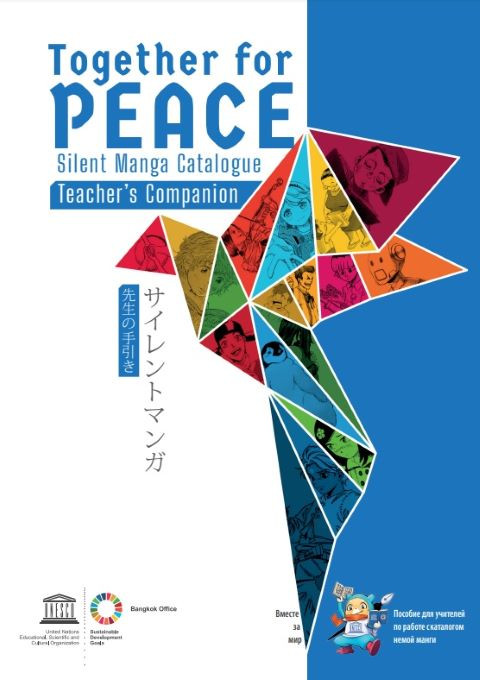 평화를 위한 협력: 사일런트 만화 카탈로그 교사용 안내 자료 발행 연도: 2022 단체 저자: UNESCO Bangkok 사일런트 만화는 대사를 전혀 사용하지 않고 완전히 삽화로만 이루어진 만화를 의미합니다. 이 사일런트 만화 카탈로그 교사용 안내 자료는 교사나 학부모가 ‘평화를 위한 협력’이라는 테마로 진행된 SILENT MANGA AUDITION® Round 13에서 선정된 사일런트 만화들을 수록한 사일런트 만화 카탈로그와 함께 활용하도록 하기 위한 것입니다. 만화는 학교 밖 아동, 평생 학습, 괴롭힘 방지, 분쟁, 청소년, 함께 사는 법 배우기, 난민 및 공동 역사와 같은 다양한 관련 주제를 기반으로 전 세계 예술가들이 꿈꾸는 여러 측면의 평화를 보여줍니다. 사일런트 만화의 힘으로, 교사들은 이러한 만화 이야기를 활용해 현재뿐 아니라 다가올 미래의 세계 평화 구현에 핵심 역할을 하게 될 젊은 세대 간에 생각을 자극하는 토론을 유도할 수 있습니다. Вместе за мир: Пособие для учителей по работес каталогом немой манги 발행 연도: 2022 단체 저자: UNESCO Bangkok Немая манга означает истории в формате манги, рассказанные только посредством иллюстраций без использования диалогов. Пособие для учителей по работе с каталогом немой манги предназначено для использования учителями (или родителями) вместе с каталогом немой манги «Silent Manga Catalogue», сборником работ в стиле немой манги, отобранных в ходе 13-го тура Конкурса немой манги SILENT MANGA AUDITION®, темой которого был лозунг «Вместе за мир».Истории манги демонстрируют различные аспекты мирных процессов в представлении художников со всего света, и строятся на различных смежных темах, таких как дети, не посещающие школу, обучение на протяжении всей жизни, борьба с издевательствами, конфликты, молодёжь, необходимость учиться жить вместе, беженцы и общая история. Благодаря выразительной силе немой манги, учителя могут использовать такие истории в формате манги, чтобы побудить к на-во дящей на размышления дискуссии молодое поколение, которое представляет собой главных созидателей мира во всём мире не только в наше время, но и в будущем.
  유네스코학교 길라잡이: 밑동부터 차근차근 (개정판) 발행 연도: 2022 저자: 김다영 | 박현주 | 유성상 | 이신애 | 이하은 | 임재민 | 정다정 단체 저자: 유네스코한국위원회 본 자료는 2020년 출간된 유네스코학교 길라잡이 밑동부터 차근차근의 2022년 개정판이다. 개정판에서는 유네스코학교 활동을 위한 최신 자료 및 한일교사대화 공동수업과 평화프로젝트 등 여러 활동의 결과를 추가 수록하였다.
 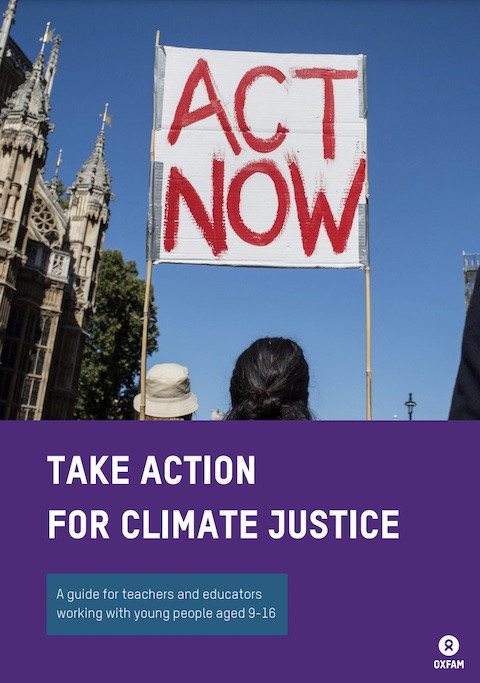 Take Action for Climate Justice: A Guide for Teachers and Educators Working With Young People Aged 9-16 발행 연도: 2022 단체 저자: Oxfam GB Aimed at teachers and educators, this short guide contains practical advice, classroom activities and helpful planning tools to inspire and motivate young people aged 9-16 to take action for our planet and its people.There are many ways in which we can all take climate action, from making individual lifestyle changes to participating in collective community responses that target the systemic causes of the climate emergency, and all are important. Taking action can develop young people’s sense of agency, build skills such as leadership and decision-making, and help them to build empathy and manage eco-anxiety. This guide supports young people to take action by sharing the message about climate justice, raising awareness and influencing others to help make change happen.A recent survey by Inter Climate Network found that more than 80 per cent of young people aged 11–18 were concerned about climate change, with half of them already choosing to take climate action. Almost all of those taking action are doing so at home, with only a third acting on climate change in school. Another key finding was that many young people do not feel they have the power to effect change, citing barriers such as a lack of knowledge about what they can do, insufficient time provided in school for positive climate action, and a sense that individual actions have little impact without wider structural change.
 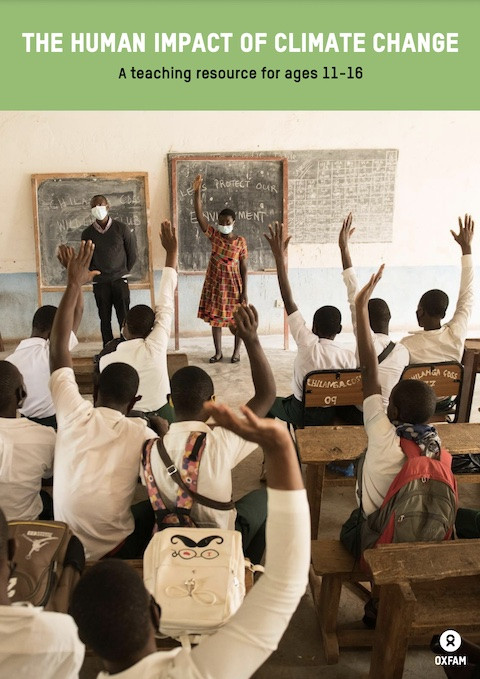 The Human Impact of Climate Change: A Teaching Resource for Ages 11-16 발행 연도: 2021 단체 저자: Oxfam GB These activities for ages 11-16 explore the human impact of the climate emergency and provide new spaces, approaches and opportunities for climate education and social action. This is in response to the call to action by Teach the Future (2020) who presented research on the current state and future of climate education in the UK. Their report discovered an overwhelming demand for climate education in schools alongside low levels of teacher knowledge about how to effectively deliver climate education and a narrow range of curriculum areas where it is taught. This resource frames the climate emergency as a human rights and people-centred issue and supports teachers to promote a sense of agency and empowerment within young people. This in turn is recognised as one strategy to help young people manage eco-anxiety, as well as disillusionment and disengagement with climate issues. This resource is suitable as both a curriculum resource and to inform social action by young people (for example, in GCSE Citizenship Studies)
 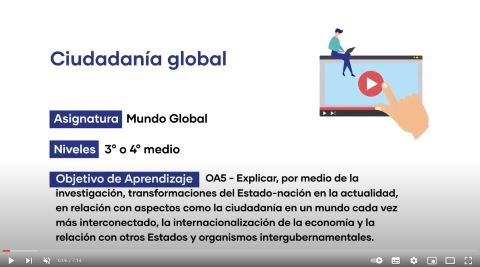 Global Citizenship 발행 연도: 2020 단체 저자: Educar Chile | Chile Foundation This video seeks to explain how nation-states have been transformed today, in relation to aspects such as citizenship in an increasingly interconnected world, the internationalization of the economy, and the relationship with other states and intergovernmental organizations. Ciudadanía global 발행 연도: 2020 단체 저자: Educar Chile | Chile Foundation En este video se busca explicar cómo se han transformado los estados-nación en la actualidad, en relación con aspectos como la ciudadanía en un mundo cada vez más interconectado, la internacionalización de la economia y la relación con otros estados y organismos intergubernamentales.
 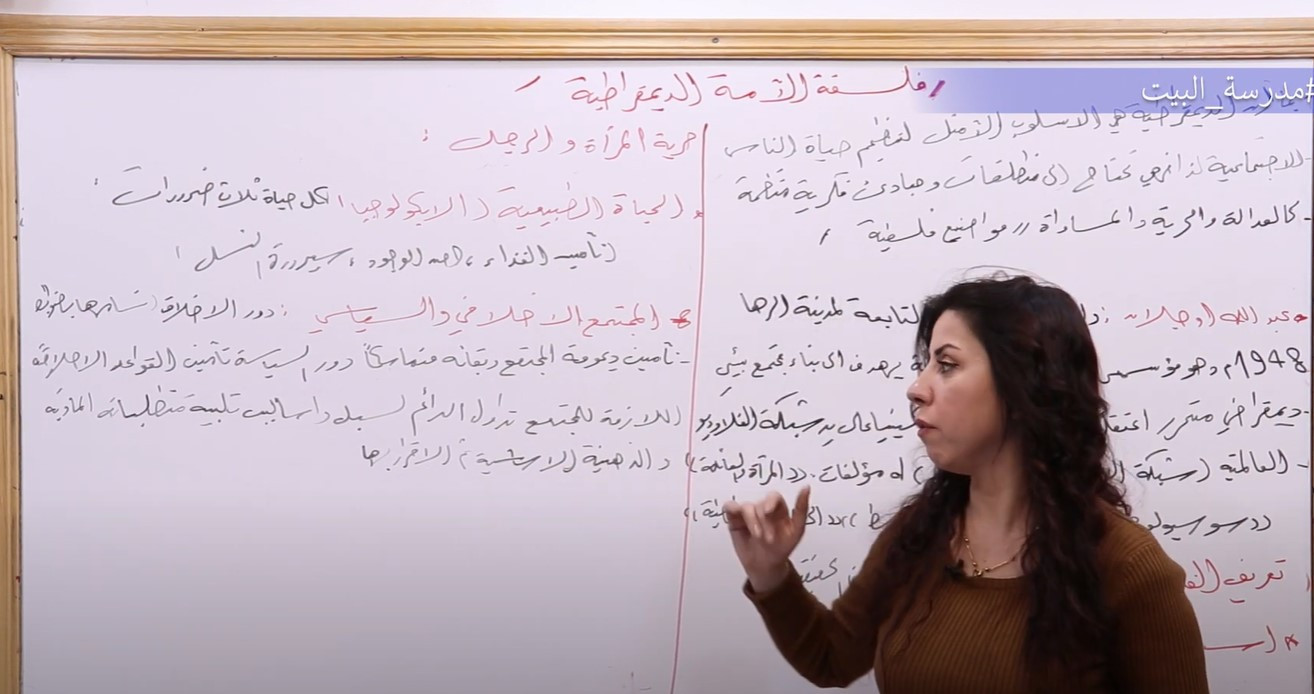 Democratic Nation Philosophy 발행 연도: 2021 저자: Roken Darweesh 단체 저자: Dibistana Malê In this video, the teacher reviews a lesson entitled "The Philosophy of a Democratic Nation". This lesson is for grade 12 in North and East Syria. The video is produced by an educational channel affiliated with the Education Authority in North and East Syria
 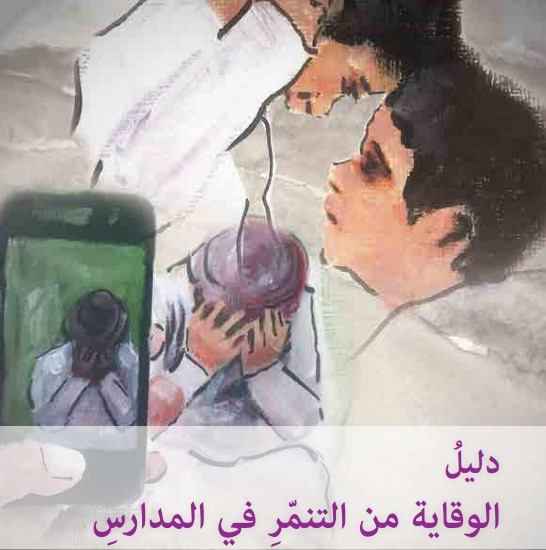 دليل الوقاية من التنمر في المدارس 발행 연도: 2018 저자: Keen Rugbi 단체 저자: United Arab Emirates. Ministry of Education تمَّ إعدادُ هذا الدليل لمساعدة المدارس في مكافحة التنمّر بين الطلبة الذي أصبح منتشراً في مدارس دول العالم المختلفة، بدرجة تستدعي البحث عن إيجاد حلول لهذه المشكلة، وقد يحدث التنمّر في حالات بسيطةٍ تتمّ السيطرة عليها بواسطة الطلبة أنفسهم، وأنّ هذه الحالات تُخلِّفُ أضراراً نفسيّة وجسديّة لعدد من الطلاب الذين يصعُب عليهم معالجةُ الموقف بأنفسهم، لتصبح المدرسة التي تقع فيها حالات التنمّر بكثرة مكاناً مُرهقاً للأطفال، مما يعيق قدرتَهم على التعلّم إلى حدٍّ بعيد. School Bullying Prevention Guide 발행 연도: 2018 저자: Keen Rugbi 단체 저자: United Arab Emirates. Ministry of Education This guide has been prepared to assist schools in combating bullying among students, which has become prevalent in schools in different countries of the world, to a degree that calls for searching for solutions to this problem. Bullying may occur in simple cases that are controlled by the students themselves, and that these cases cause psychological and physical damage. There are number of students who find it difficult to handle the situation on their own, the school where bullying cases occur frequently becomes a stressful place for children, hindering their ability to learn greatly.