
자료
세계시민교육에 대한 이해를 넓히고 연구, 옹호 활동, 교수, 학습 등을 향상시킬 수 있는 다양하고 유용한 자료를 찾아보세요.
2,823 건의 결과가 검색되었습니다
 Analysis of Cultural Values of Russian Youth and Central Asian Migrants at the Present Stage (by G. Hofstede methodology) 발행 연도: 2022 저자: A.I. Evdokimov | I.V. Ponomareva This paper is a summary analysis of cultural values in young Russians and migrants from Central Asian countries, conducted in 2019- 2021 according to the methodology of the Dutch scientist Geert Hofstede. In the sociological The study involved 404 people: 182 representatives of Russian youth and 222 representatives of the migration communities of the Central Asian states. Анализ культурынх ценностей Российской молодежи и мигрантов из стран Центральной Азии на современном этапе (по методике Г. Хофстеде) 발행 연도: 2022 저자: A.I. Evdokimov | I.V. Ponomareva Данная работа является обобщающим анализом культурных ценностей у молодых россиян и мигрантов из стран Центральной Азии, проведенной в 2019– 2021 гг. по методике голландского ученого Герта Хофстеде. В проведенном социологическом исследовании принимали участие 404 человека: 182 представителя российской молодежи и 222 представителя миграционных сообществ государств Центральной Азии.
 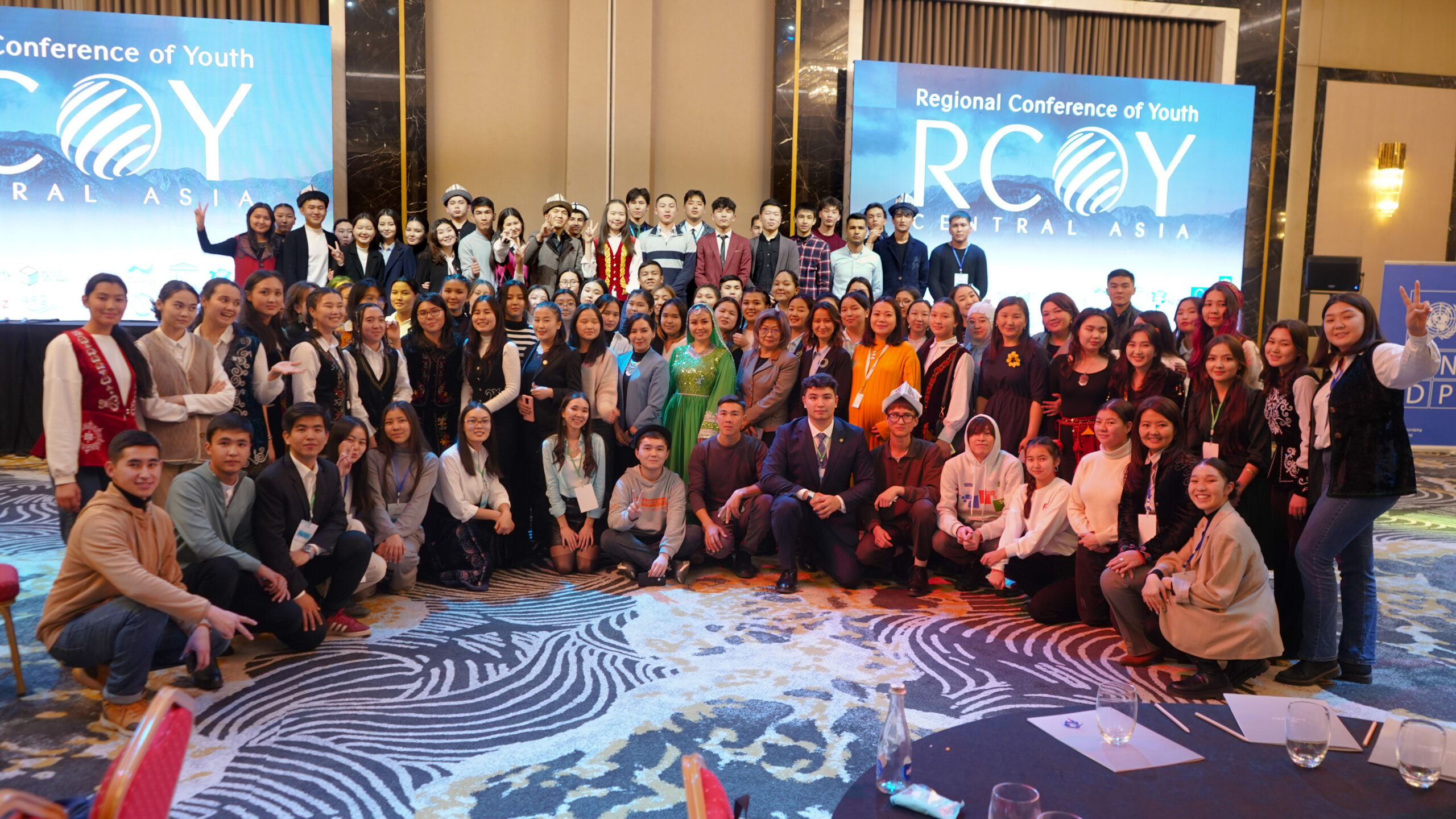 Youth Involvement in Climate Issues in Kazakhstan and Tajikistan: Illusion or Reality? 발행 연도: 2024 저자: Anisa Abibulloyeva | Mukhtar Amanbayuly 단체 저자: Central Asian Bureau for Analytical Reporting (CABAR) Government agencies in Central Asian countries and international organizations that deal with environmental issues, especially climate change, do not sufficiently take into account the opinions of young environmentalists, according to young experts from Tajikistan and Kazakhstan, Anisa Abibulloyeva and Mukhtar Amanbayuly. Вовлечение молодежи в климатические вопросы в Казахстане и Таджикистане: иллюзия или реальность? 발행 연도: 2024 저자: Anisa Abibulloyeva | Mukhtar Amanbayuly 단체 저자: Central Asian Bureau for Analytical Reporting (CABAR) Государственные органы стран Центральной Азии и международные организации, которые занимаются проблемами окружающей среды, особенно изменения климата, недостаточно учитывают мнения молодых экологов, считают молодые эксперты из Таджикистана и Казахстана Аниса Абибуллоева и Мухтар Аманбайулы.
  Case Studies in Action: Youth Empowerment for a Peaceful Caribbean 발행 연도: 2024 저자: Gizem Kilinç 단체 저자: UNESCO Kingston This compilation, titled “Case Studies in Action: Youth Empowerment for a Peaceful Caribbean” presents fourteen concise case studies highlighting (sub-)regional, national, and local initiatives that contribute to the operationalisation of the Youth, Peace, and Security (YPS) agenda. It features a combination of initiatives led by government, regional organisations, the United Nations, youth organisations, civil society, and multi-stakeholder groups across the Dutch and English-speaking Caribbean. The primary objective of this overview is to enrich the knowledge base on meaningful youth engagement in peace and security issues within the region, shedding light on successful approaches, obstacles encountered, and lessons learned. Organised into five sections aligned with the pillars of the YPS agenda—prevention, protection, disengagement and reintegration, partnership, and participation—the case studies are accompanied by an introduction and a summary of recommendations.
  Reaching the Youth: countering the Terrorist Narrative 발행 연도: 2012 저자: Thomas Koruth Samuel This monograph studies the issue of the dynamics of youth and terrorism, paying close attention to the methods used by terrorists to entice the youth, the message or the narrative of the terrorists, and the possible counter-narrative that could be subsequently developed. Reaching the Youth: countering the Terrorist Narrative 발행 연도: 2012 저자: Thomas Koruth Samuel Cette monographie étudie la dynamique entre la jeunesse et le terrorisme en accordant une attention particulière aux méthodes utilisées par les terroristes pour attirer les jeunes, leurs messages ou discours, et le contre-récit éventuel qui pourrait être développé par la suite.
  The Missing Peace: Independent Progress Study on Youth, Peace and Security 발행 연도: 2018 단체 저자: United Nations Population Fund (UNFPA) | UN. Peacebuilding Support Office (UN. PBSO) The process of how this study was undertaken is just as important as the outcomes it produced. The study used an inclusive and participatory research approach by undertaking regional, subregional and national consultations with young people across the globe; conducting and receiving country case studies; commissioning focus-group discussions with “hard to reach” youth; and drawing on a survey-based mapping of the work done by youth-led peacebuilding organizations. Particular effort was made to reach out beyond easily accessible and elite youth, to young people who would not ordinarily have a say in these sorts of global policy processes. Given the challenge of young people’s increasing distrust in their governments and the multilateral system, it was essential to work with credible civil society organizations with strong trust-based relationships with youth on the ground. السلام المفقود: دراسة مرحلية مستقلة حول الشباب والسلام والأمن 발행 연도: 2018 단체 저자: United Nations Population Fund (UNFPA) | UN. Peacebuilding Support Office (UN. PBSO) استعانت الدراسة بمنهجٍ بحثيّ شامل وتشارُكي من خلال إجراء استشارات إقليمية وشبه إقليمية ووطنية مع مجموعات من الشباب حول العالم؛ وإجراء وتلقي دراسات حالة قطُرية؛ والتكليف بعقد مناقشات جماعية مركّزة مع الشباب الذين "يصعب الوصول إليهم"؛ والاستفادة من وضع خريطة تستند إلى دراسات استقصائية في العمل الذي أجرته منظمات بناء السلام التي يقودها الشباب. وقد بُذل جهد خاص لكي تشمل الدراسة ما يتجاوز الشباب الذين يسهل الوصول إليهم والشباب النخبة، لتصل إلى الشباب الذين لا تسنح لهم الفرصة عادةً للإدلاء بآرائهم حول هذا النوع من عمليات السياسة العامة العالمية. ونظراً لما يمثّله تفاقم عدم ثقة الشباب بحكوماتهم وبالأنظمة المتعددة الأطراف من تحدٍّ، فقد كان من الضروري العمل مع منظمات المجتمع المدني ذات المصداقية التي تتمتّع بعلاقات متينة قائمة على الثقة مع الشباب على أرض الواقع.
  Key Challenges of Youth in OIC Countries 발행 연도: 2015 단체 저자: Organization of Islamic Cooperation (OIC) | Statistical, Economic and Social Research and Training Centre for Islamic Countries (SESRIC) The report contains four main sections, with the exception of the introductory and concluding sections. The first section briefly reviews some of the main educational outcomes in OIC countries. Literacy and participation rates in tertiary schools and international student mobility are the main indicators reviewed in this section. The second section highlights some important labor market indicators related to the young population in order to identify the main challenges and obstacles in the OIC countries. The third section deals with some social problems of young people. The fourth section deals with mental health issues. The last section is devoted to recommendations.