
자료
세계시민교육에 대한 이해를 넓히고 연구, 옹호 활동, 교수, 학습 등을 향상시킬 수 있는 다양하고 유용한 자료를 찾아보세요.
2,823 건의 결과가 검색되었습니다
 IIEP-UNESCO 12th Medium-Term Strategy: 2026–2029 발행 연도: 2026 단체 저자: UNESCO International Institute for Educational Planning (IIEP) The 2026-2029 Medium-Term Strategy of the UNESCO International Institute for Educational Planning provides a vision for transforming educational planning into tangible results for education systems across the globe. Building on more than 60 years of experience, the Strategy puts the focus not only on policy and plan design, but on collective and agile implementation.
 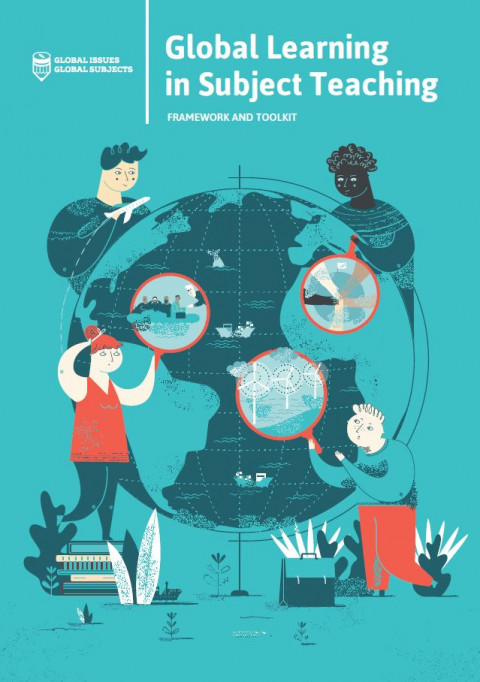 Global Learning in Subject Teaching: Framework and Toolkit 발행 연도: 2020 단체 저자: Center for Citizenship Education (CCE) | Global Issues, Global Subjects (GIGS) The brochure 'Global Learning in Subject Teaching: Framework and Toolkit' has been developed as a proposal for teachers, educators and educational institutions on how to reach pupils with Global Learning. In its practical part, the brochure provides the reader with a toolkit of 20 ready-to-use lesson plans for subject lessons where the subject curriculum topics are linked with global issues such as migration, climate change and gender equality.
 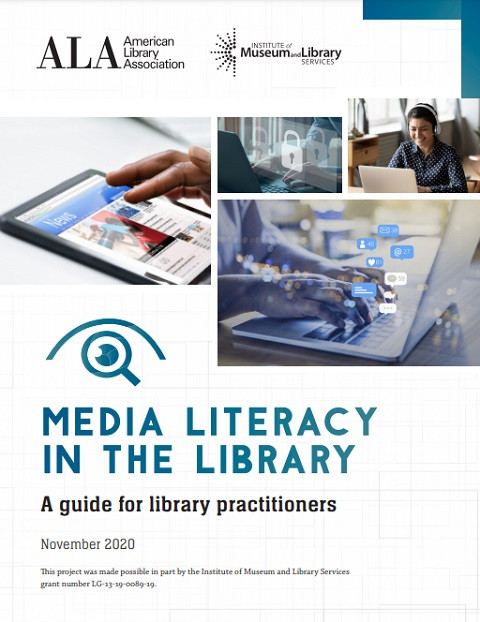 Media Literacy in the Library: A Guide for Library Practitioners 발행 연도: 2020 단체 저자: American Library Association (ALA) | Institute of Museum and Library Services As information providers and hubs for lifelong learning, libraries have always been resources for helping communities develop media literacy skills. Now, in the midst of a global pandemic, and in an age when we increasingly rely on digital media for information and communication, these critical thinking skills are more important than ever. The American Library Association (ALA), working with talented thought leaders across the library and media literacy sectors, has created Media Literacy in the Library: A Guide for Library Practitioners to help library workers prepare for day-to-day interactions like the imagined reference desk one above.In this guide, we offer resources and ideas to plan programs and activities to teach media literacy skills to adults and also to integrate these skills into programming you already offer at your library. This guide has been created for out-of-school adult audiences, who library workers will generally meet in a public library context.
 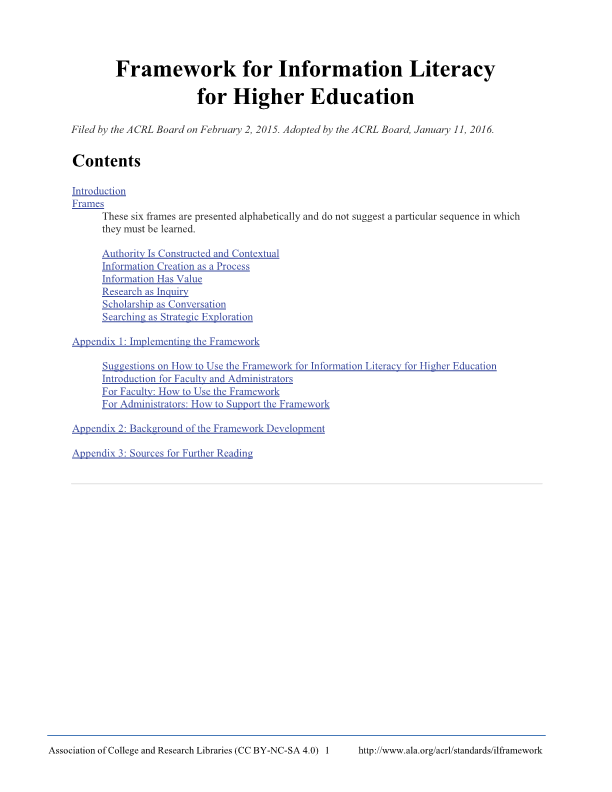 Framework for Information Literacy for Higher Education 발행 연도: 2015 단체 저자: Association of College and Research Libraries (ACRL) Information literacy is the set of integrated abilities encompassing the reflective discovery of information, the understanding of how information is produced and valued, and the use of information in creating new knowledge and participating ethically in communities of learning. This Framework sets forth these information literacy concepts and describes how librarians as information professionals can facilitate the development of information literacy by postsecondary students.
 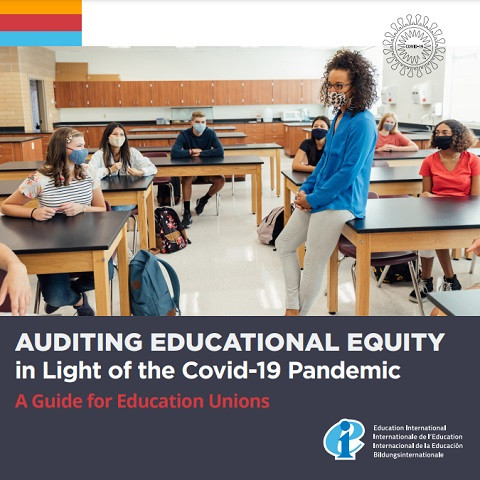 Auditing Educational Equity in Light of the COVID-19 Pandemic: A Guide for Education Unions 발행 연도: 2020 단체 저자: Education International (EI) The COVID-19 pandemic has led to unprecedented school closures that have affected over 1.5 billion students worldwide. However, the impact of the pandemic has not been equal, with vulnerable and disadvantaged students disproportionately affected by the resulting global crisis in teaching and learning."Auditing Educational Equity in Light of the COVID-19 Pandemic" is a guide to support education unions as they advocate for equity audits to be conducted at both education institution and systems levels.The guide stresses the importance of equity audits in enabling education institutions and systems to adapt more effectively to a COVID-19 ‘new normal’ and also address entrenched structures of inequality that have long prevented countries from realising the universal right to education.
 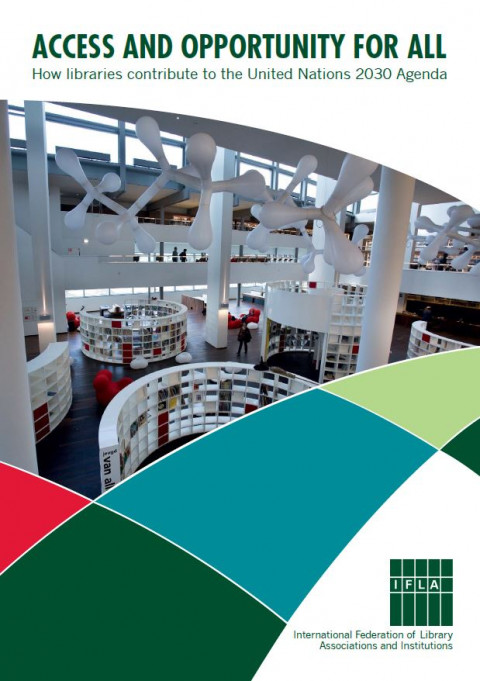 Access and Opportunity for All: How Libraries Contribute to the United Nations 2030 Agenda 발행 연도: 2020 단체 저자: International Federation of Library Associations and Institutions (IFLA) The inclusion of libraries and access to information in national and regional development plans will contribute to meeting the global United Nations 2030 Agenda for Sustainable Development.In support of this goal, IFLA has published a booklet of examples and recommendations for policymakers demonstrating the contribution of libraries to the UN Sustainable Development Goals (SDGs).The booklet includes stories from all types of libraries in many countries around the world.
 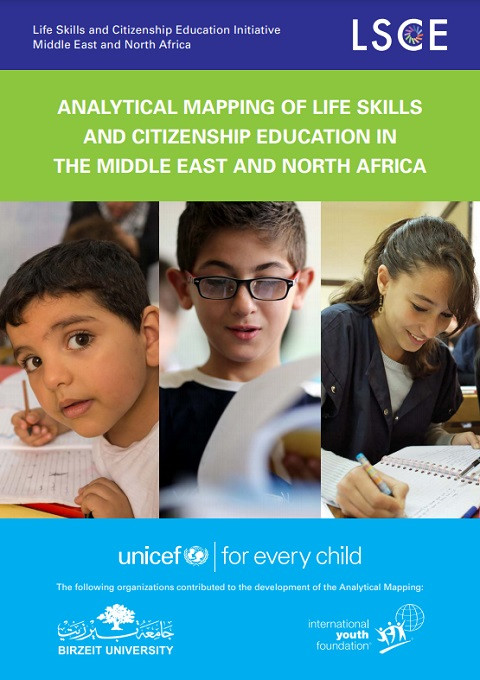 Analytical Mapping of Life Skills and Citizenship Education in the Middle East and North Africa 발행 연도: 2017 단체 저자: UNICEF Middle East and North Africa The Analytical Mapping of the Life Skills and Citizenship Education in MENA, published in October 2017, provides a multi-stakeholder view of the status of life skills and citizenship education in MENA and the corresponding vision for the region. It does not evaluate existing interventions, nor is it meant to generate an exhaustive list of all existing life skills programmes in MENA. It rather aims to provide an analytical overview of Life Skills and Citizenship Education (LSCE) related intervention in the region. Through analyzation, it also attempts to highlight general challenges encountered in the programming of LSCE, as well as focus on opportunities for LSCE in MENA national education systems.
  Development Strategy of Uzbekistan: Civil Society; Training and Methodology Complex 발행 연도: 2019 저자: M.N. Primov | T. Norboev 단체 저자: Uzbekistan. Ministry of Higher and Secondary-Specialized Education | Tashkent Institute of Finance The document is a collection of training materials on the conditions and prospects for the development of civil society in Uzbekistan, as well as the implementation of the main directions of the Action Strategy. The document also the role of local governments of citizens, non-governmental non-profit organizations in improving institutions civil society.A major role in this is played by new socio-political disciplines, which include the “Development Strategy of Uzbekistan. Civil society". This course reveals the basic scientific principles of the formation of civil society and the development strategy of Uzbekistan, analyzes the main stages of transformation, shows the irreversibility of the reforms carried out in the country, and helps to build the civic position of each member of the society. It is organically woven into the humanities system, forming a common logical chain with it; It helps to answer questions of modern policy of our state and to determine the place and role of each person in the grandiose transformations carried out in the country. Стратегия развития Узбекистана. Гражданское общество: Учебно-методический комплекс 발행 연도: 2019 저자: M.N. Primov | T. Norboev 단체 저자: Uzbekistan. Ministry of Higher and Secondary-Specialized Education | Tashkent Institute of Finance Документ является сборником учебных материалов, посвященных условиям и перспективам развития гражданского общества в Узбекистане, а также реализации основных направлений Стратегии действий. В документе также рассматривается роль органов местного самоуправления граждан, негосударственных некоммерческих организаций в совершенствовании институтов гражданского общества.Большую роль в этом играют новые социально-политические дисциплины, в число которых входит и «Стратегия развития Узбекистана. Гражданское общество». Данный курс раскрывает основные научные принципы формирования гражданского общества и стратегию развития Узбекистана, анализирует основные этапы преобразований, показывает необратимость проводимых в стране реформ, помогает формированию гражданской позиции каждого члена общества. Он органично вплетается в систему гуманитарных наук, образуя общую логическую цепь с ней; помогает ответить на вопросы современной политики нашего государства и определить место и роль каждого человека в грандиозных преобразованиях, проводимых в стране.
 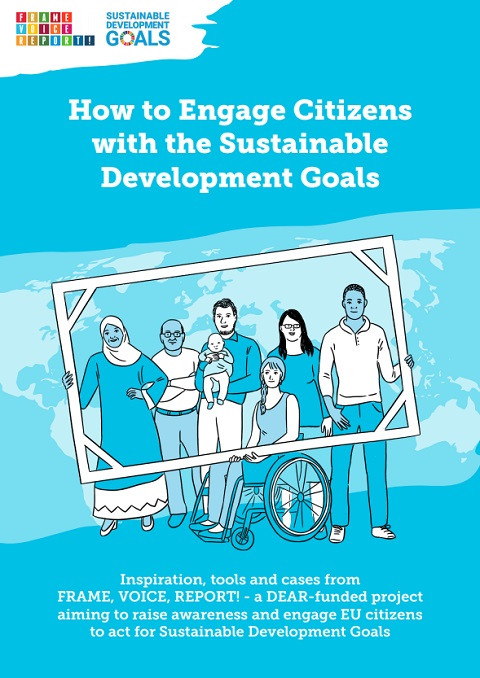 How to Engage Citizens with the Sustainable Development Goals 발행 연도: 2020 단체 저자: Finnish Development NGOs Fingo The purpose of this booklet is to share reflections, successes and learning outcomes from the FRAME, VOICE, REPORT! (FVR) project.It can be used to find inspiration from other civil society organisations (CSOs) working on the same topics and themes you do, but also as a source for ideas for new ways of looking at old issues.This booklet covers both the more theoretical approaches and concrete cases from CSOs across Europe. These cases are examples of the many projects funded by the FVR.The project had its roots in the previous successes and tried and tested approaches of the partner organisations. The aim of FVR! was to secure resources and develop the value-based, high quality work of civil society organisations. The second aim was to enable smaller organisations to learn about EU project funding and to build capacity on how to conduct high quality global citizenship education and development communications. Finally, the overarching aim of the project was to engage EU citizens with the SDGs.