
자료
세계시민교육에 대한 이해를 넓히고 연구, 옹호 활동, 교수, 학습 등을 향상시킬 수 있는 다양하고 유용한 자료를 찾아보세요.
2,829 건의 결과가 검색되었습니다
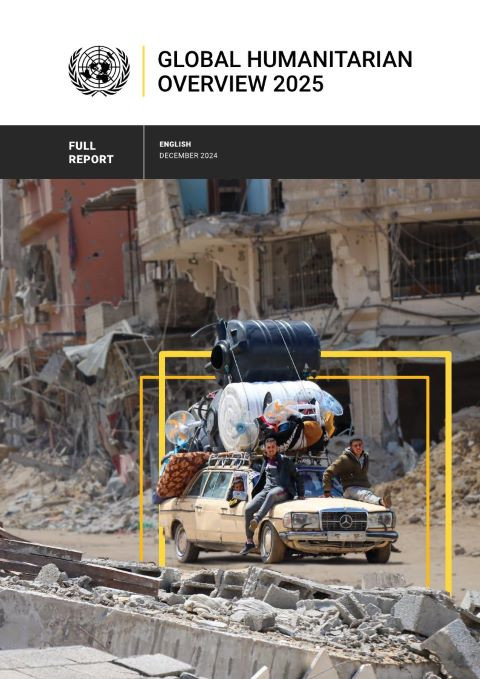 Global Humanitarian Overview 2025 발행 연도: 2024 단체 저자: UN. Office for the Coordination of Humanitarian Affairs (UN. OCHA) A snapshot of the global trends driving increased humanitarian needs in 2025, analysis from 2024 and an overview of where the system is delivering better to help those affected by crises. The Global Humanitarian Overview (GHO) is the world’s most comprehensive, authoritative and evidence-based assessment of humanitarian need. Through plans that prioritize those most in need, it aims to fight hunger, killer diseases, gender-based violence and displacement. The GHO 2025 presents an analysis of global crises and needs and the humanitarian plans to address them. In 2025, humanitarian partners are appealing for over US$47 billion to assist nearly 190 million people facing life-threatening and urgent needs across 72 countries. The report looks at response trends to strengthen, such as localization, cash, accountability and the changes needed to deliver aid effectively: security and funding. The GHO presents a collective picture of humanitarians' achievements and, conversely, what happens when humanitarians are unable to deliver aid. Explore the full report and interactive content through humanitarianaction.info.
 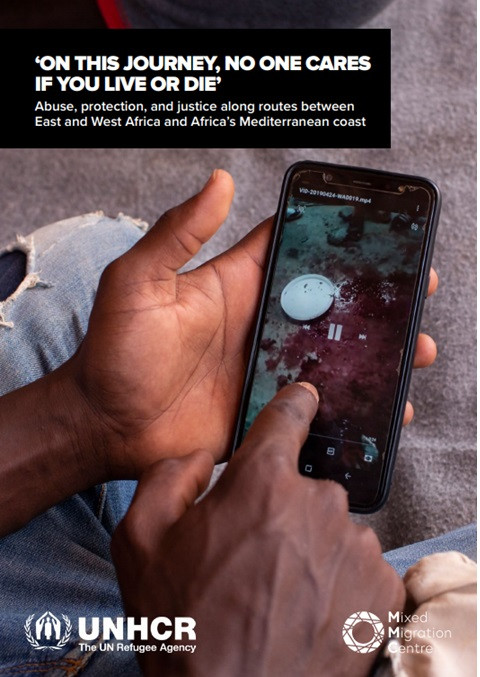 On This Journey, No One Cares If You Live or Die: Abuse, Protection, and Justice Along Routes Between East and West Africa and Africa’s Mediterranean Coast 발행 연도: 2020 단체 저자: UN. Office of the United Nations High Commissioner for Refugees (UNHCR) | Mixed Migration Centre This report draws on data collected by the Mixed Migration Centre’s 4Mi monitors along the route to map the places where refugees interviewed in 2018 and 2019 most frequently reported deaths, sexual and gender-based violence (SGBV), physical violence, and kidnappings occurred. It illustrates how refugees and migrants using the route face a series of risks including as they cross into eastern Sudan, and when crossing the Sahara Desert, and then again in multiple places in Libya. Similarly, those traveling through West Africa reported multiple incidents of physical violence, SGBV, as well as deaths at various points. Refugees and migrants have reported being subjected to brutal violence, including being burnt with hot oil, melted plastic, or heated metal objects, being electrocuted, tied in stress positions, and experiencing and witnessing repeated sexual violence, often in the context of ransom demands. UNHCR staff and partners continue to witness the severe impact these abuses have had on the mental health of many men, women, and children.
 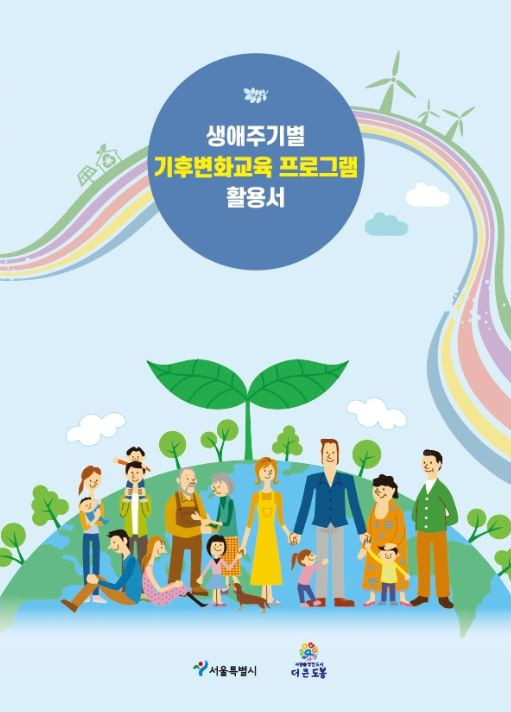 생애주기별 기후변화교육 프로그램 활용서 발행 연도: 2020 저자: 장미정 | 권보경 | 박수진 | 안창연 | 이혜진 | 지혜성 | 최지선 단체 저자: 도봉구 | 도봉환경교육센터 | 모두를위한환경교육연구소 본 교재는 생애 각 지점에서 지구적 환경의제인 기후변화를 이해하고, 지역에서 기후위기를 극복할 수 있도록 생애주기별로 개발한 기후변화교육 프로그램을 담고 있습니다. 2021년에서 2025년까지의 환경교육 정책을 아우르는 “제3차 국가환경교육종합계획”과 “제3차 서울환경교육종합계획”에서는 평생학습 차원의 정책을 주요하게 다루고 있습니다. 국가 수준의 생애주기 맞춤형 환경교육 프로그램의 정책방안을 적용하되, 도봉 지역의 환경과 교육 여건을 고려해서 지역에 보다 적합한, 지역적 행동을 이끌어 낼 수 있는 프로그램을 개발하고자 했습니다. 따라서 도봉환경교육센터가 기존에 해오던 기후변화교육의 방향성을 되짚어보고, 한발 더 나아가 지역 주민들의 의식조사 결과를 삼았습니다.이 사례가 도봉환경교육센터뿐만 아니라 옆 마을에서, 도봉구 전역에서, 또 서울시 곳곳에 서도 각 지역에 맞게 적용 및 활용될 수 있기를 기대합니다. [자료 출처: (사)환경교육센터]
 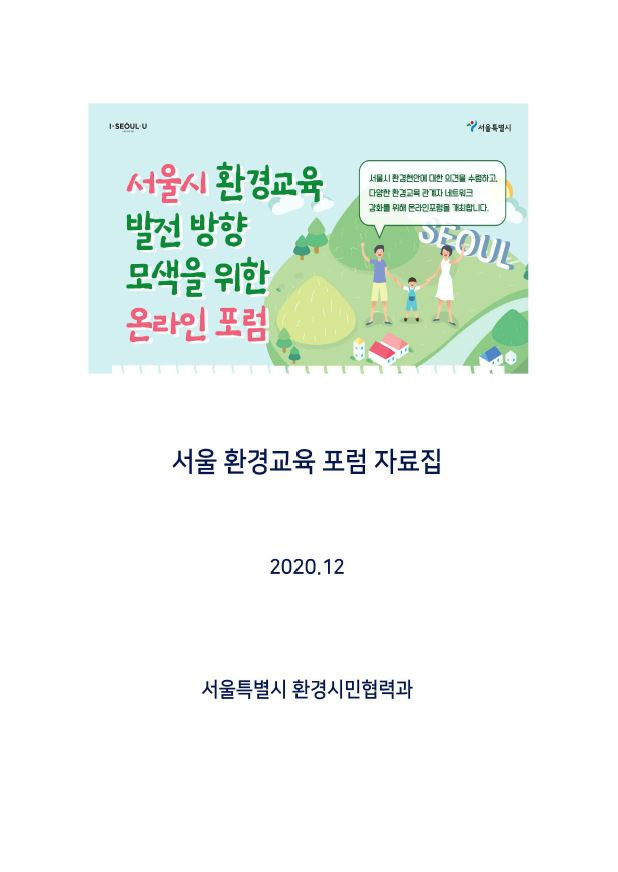 서울시 환경교육 발전 방향 모색을 위한 온라인 포럼: 서울 환경교육 포럼 자료집 발행 연도: 2020 저자: 장미정 | 권보경 | 박수진 | 안창연 | 이혜진 | 지혜성 | 최지선 단체 저자: 서울시 환경시민협력과 | 모두를위한환경교육연구소 이 자료집은 <서울시 환경교육 발전 방향 모색을 위한 온라인 포럼>의 일환으로 제작되었습니다. 포럼 동영상은 유튜브(www.youtube.com)에서 ‘서울시 환경교육 발전 방향 모색을 위한 온라인 포럼’을 검색하면 보실 수 있습니다. [자료출처: (사)환경교육센터]
 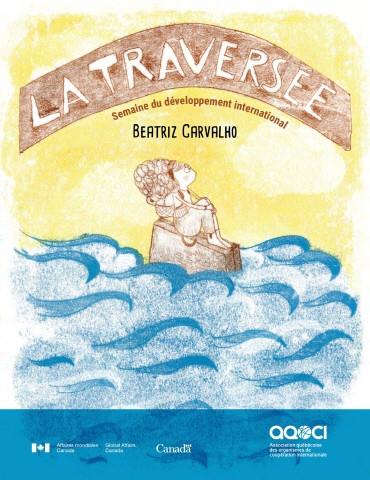 The Journey: International Development Week 발행 연도: 2021 저자: Beatriz Carvalho 단체 저자: Quebec Association of International Cooperation Organizations (AQOCI) Each year, International Development Week (IDW) highlights an international issue of concern to society. In Quebec, the Association québécoise des organismes de coopération internationale (AQOCI) organizes this public awareness week. CRÉDIL plays an active role in this campaign, and has participated in the production of comic strips as educational tools, such as "La Traversée" in 2021, that attempts to rehumanize our view of border issues and challenges, and offer questions and reflections that touch on the universal. What are we? What is our identity made of? Who gives us the right to have rights? La Traversée: Semaine du développement international 발행 연도: 2021 저자: Beatriz Carvalho 단체 저자: Association québécoise des organismes de coopération internationale (AQOCI) La Semaine du développement international (SDI) permet chaque année de souligner un enjeu international qui interpelle les sociétés. Au Québec, c’est l’Association québécoise des organismes de coopération internationale (AQOCI) qui organise cette semaine de sensibilisation auprès du public. Le CRÉDIL participe activement à cette campagne et a participé à la production de bandes dessinées comme outil pédagogique comme “La Traversée” en 2021 qui tente de réhumaniser nos regards sur les questions et enjeux de frontières; et offrir des questionnements et des réflexions qui touchent l’universel. Qui sommes-nous? De quoi est faite notre identité? Qui donne le droit d’avoir des droits?
  Introductory News Literacy: Adapted from High Five 2012; The Integrated Language Arts and Journalism Curriculum for Middle School Students 발행 연도: 2013 단체 저자: American Press Institute The American Press Institute’s Introductory News Literacy Units are lightweight general usage lesson plans for introducing middle school students to how to read and understand news media and current events. While the Institute offers more specific and in-depth materials and ideas for promoting news literacy, these new units provide a resource for the time-pressed teacher working with students at an important age. Split into three units of one-to-two weeks each, the curriculum briefly overviews critical elements in news understanding and healthy processes for determining source information and bias. Individual lessons can be adapted and used to fit specific classroom needs.
 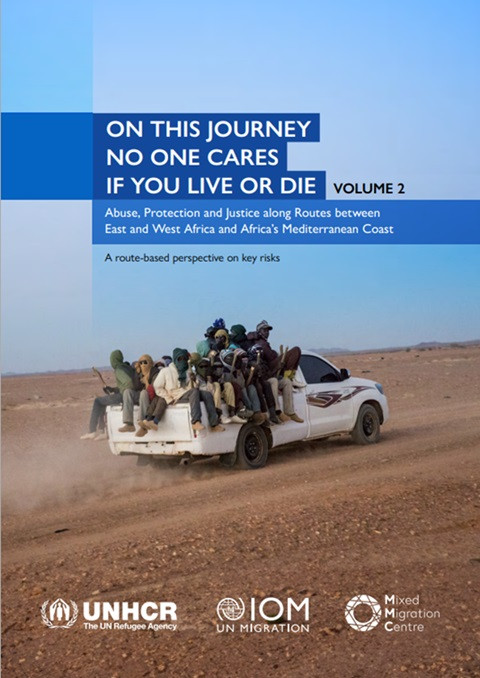 On This Journey No One Cares If You Live or Die, Volume 2: Abuse, Protection and Justice Along Routes Between East and West Africa and Africa's Mediterranean Coast 발행 연도: 2024 단체 저자: International Organization for Migration (IOM) | Mixed Migration Centre | UN. Office of the United Nations High Commissioner for Refugees (UNHCR) In the complex landscape of migration, this second volume of the report, On This Journey, No One Cares if You Live or Die, emerges as a crucial body of work that sheds light on the stark realities faced by refugees and migrants traversing the perilous Central Mediterranean route all the way from East and Horn of Africa and West Africa to the North African coast of the Mediterranean and across the sea. Jointly published by IOM, MMC and UNHCR, this report delves into the protection risks faced by refugees and migrants during these journeys. It aims to inform increased and concrete routes-based protection responses to reduce the suffering associated with the desperate journeys refugees and migrants undertake, and to serve as a call to action in addressing the root causes of displacement and drivers of irregular migration through positive action on peace, climate change, governance, inequality and social cohesion, as well as the creation of safe migration pathways.
 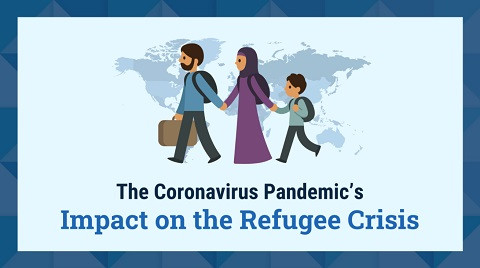 The Coronavirus Pandemic and the Refugee Crisis 발행 연도: 2020 저자: Alice Corner 단체 저자: Venngage Inc. One group of people most impacted by the Coronavirus Pandemic is the world’s population of refugees and displaced people. There are approximately 25 million refugees in the world, facing unique struggles in access to healthcare, government assistance, and sanitation. Venngage analyzed the data and created this collection of infographics to help paint a fuller picture of COVID-19’s impact on the refugee crisis. This resource includes clear infographics detailing how the conronavirus crisis and refugee crisis relate to each other globally
  The Media and Its Role in Raising Security Awareness in Society 발행 연도: 2018 저자: Abdul Basit Howaidi | Iman Drake 단체 저자: Hamma Lakhdar Eloued University The aim of this study was to reveal the role of the media in the security awareness within the society. The media was one of the means of mass influence that played an important role in the life of human societies. The analytical descriptive method was used to suit the nature of the subject. A professor of the Faculty of Social Sciences and Humanity, which was randomly selected. The questionnaire was also used as an important tool for collecting data from the field. The study reached the following results: The media, the coverage, the nature of the programs presented, and the attempt to open channels of communication between the security institutions and the media have a great role in spreading and achieving security awareness within the community.