
자료
세계시민교육에 대한 이해를 넓히고 연구, 옹호 활동, 교수, 학습 등을 향상시킬 수 있는 다양하고 유용한 자료를 찾아보세요.
2,768 건의 결과가 검색되었습니다
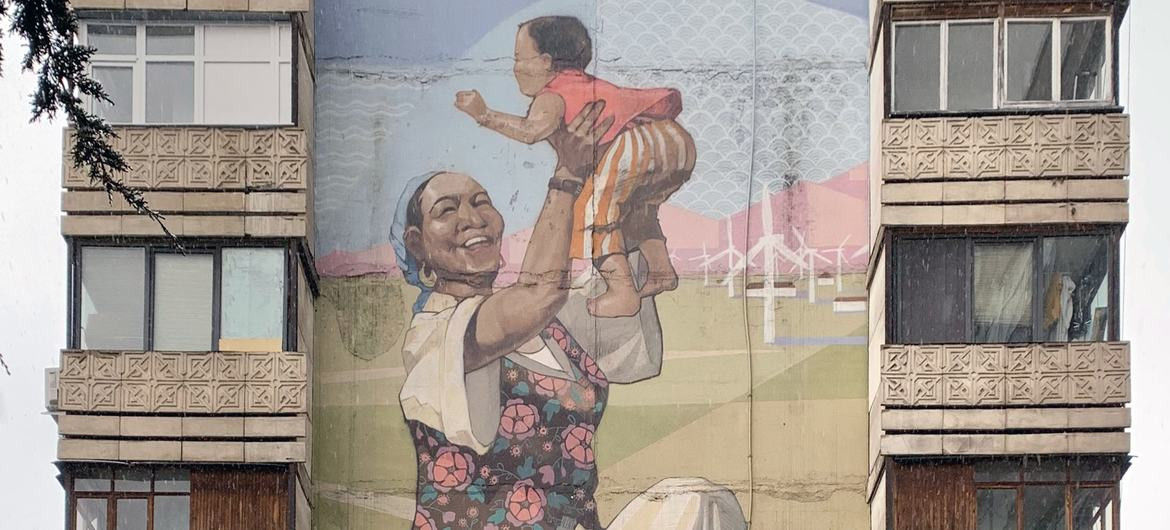 Гендерное равенство: масштабное исследование ООН и правительства Казахстана 발행 연도: 2024 단체 저자: Организация Объединённых Наций (ООН) Женщины в Казахстане имеют достаточно прав и возможностей – так считает 73 процента мужского населения страны. Среди женщин такого мнения придерживаются около 58 процентов участниц масштабного социологического исследования о гендерном равенстве, которое было проведено недавно в Казахстане при поддержке структуры «ООН-женщины» и Программы развития ООН.
 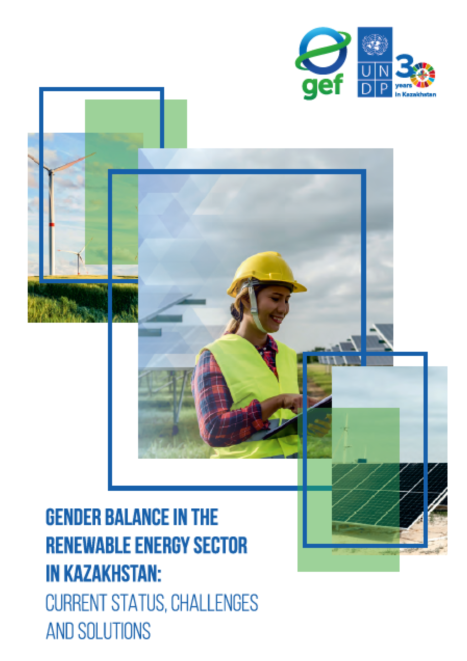 Gender Balance in the Renewable Energy Sector in Kazakhstan: Current Status, Challenges and Solutions 발행 연도: 2023 단체 저자: UNDP Kazakhstan The report thoroughly examines the gender balance within the RE sector in Kazakhstan. It encompasses the current status, challenges, and solutions for enhancing gender balance in this sphere. The report consists of two parts: (1) an Overview of gender balance status and recommendations for the energy industry in the Republic of Kazakhstan; and (2) an Analysis of legislation and regulatory acts in the field of gender equality.
 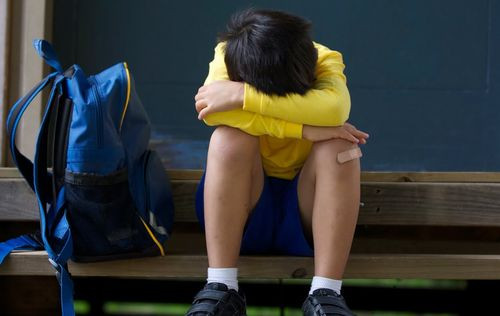 ANALYSIS of the Rules for the Prevention of Bullying of a Child, Approved by Order No. 506 of the Minister of Education of the Republic of Kazakhstan dated December 21, 2022 발행 연도: 2022 저자: Шайдуллина Венера Камилевна 단체 저자: Кадыр-касиет The focus of this document is to assess the potential effectiveness of the measures provided for by the Rules to counter child bullying. The analysis made it possible to formulate a number of practical recommendations for improving legislation in this area. Анализ Правил профилактики травли (буллинга) ребенка, утвержденных Приказом Министра просвещения Республики Казахстан от 21 декабря 2022 года № 506 발행 연도: 2022 저자: Шайдуллина Венера Камилевна 단체 저자: Кадыр-касиет Фокус настоящего документа – оценка потенциальной эффективности предусмотренных Правилами мер по противодействию травле ребенка. Проведенный анализ позволил сформулировать ряд практических рекомендаций по совершенствованию законодательства в рассматриваемой сфере.
  Bilan annuel 2024 de Human Rights Watch sur les droits humains dans le monde 발행 연도: 2024 단체 저자: Human Rights Watch L'ONG Human Rights Watch a constitué un rapport mondial sur les droits humains à travers le monde grâce à ses observations menées sur le terrain afin d'y voir plus clair quant aux exactions perpétrées tout au long de l'année 2023 et les défis que cela comporte pour les années à venir. Tirana Hassan, Directrice exécutive de l'organisation a tenu quelques mots sur la situation actuelle: « La reprise du conflit armé entre Israël et le Hamas, d’une part, et au Soudan d’autre part, ont causé des souffrances considérables, tout comme les guerres qui se poursuivent en Ukraine, au Myanmar, en Éthiopie et au Sahel. Les gouvernements ont dû faire face à l’année la plus chaude jamais enregistrée : une vague d’incendies de forêts, de sécheresses et de tempêtes a semé la dévastation pour des millions d’habitants au Bangladesh, en Libye et au Canada. Des décisions politiques ont, par ailleurs, creusé les inégalités partout dans le monde, suscitant la colère de millions de gens contraints à lutter pour leur survie. Les droits des femmes et des filles et des personnes lesbiennes, gays, bisexuelles et transgenres (LGBT) ont connu de durs revers en de nombreux pays, à l’exemple de la persécution basée sur le genre des talibans en Afghanistan.». The NGO Human Rights Watch has compiled a global report on human rights around the world, based on its observations in the field, to shed light on the abuses perpetrated throughout 2023 and the challenges it poses for the years to come. Tirana Hassan, the organization's Executive Director, expressed a few words to say about the current situation: "The resumption of armed conflict between Israel and Hamas, on the one hand, and in Sudan on the other, have caused considerable suffering, as have the ongoing wars in Ukraine, Myanmar, Ethiopia and the Sahel. Governments had to cope with the hottest year on record: a wave of forest fires, droughts and storms brought devastation to millions of people in Bangladesh, Libya and Canada. At the same time, political decisions have deepened inequalities around the world, angering millions of people forced to fight for survival. The rights of women and girls and of lesbian, gay, bisexual and transgender (LGBT) people have suffered severe setbacks in many countries, such as the gender-based persecution of the Taliban in Afghanistan".
  Exposition «La Voix des Yézidis: les survivants parlent» 발행 연도: 2022 단체 저자: Yahad - in Unum Comment Daech a perpétué un véritable génocide à l'encontre d’une minorité ethnique et religieuse d’Irak peu connue, les Yézidis? Cette exposition audiovisuelle interactive nous propose de remonter le fil de ce processus tragique à partir de janvier 2014. Les portraits et témoignages des jeunes victimes Yézidis sont à notre disposition afin de mieux comprendre leur histoire. How did Daech perpetuate a real genocide against Iraq's little-known ethnic and religious minority, the Yezidis? This interactive audiovisual exhibition traces this tragic process from January 2014 onwards. Portrayals and testimonies of young Yezidi victims are available to help us better understand their story.
 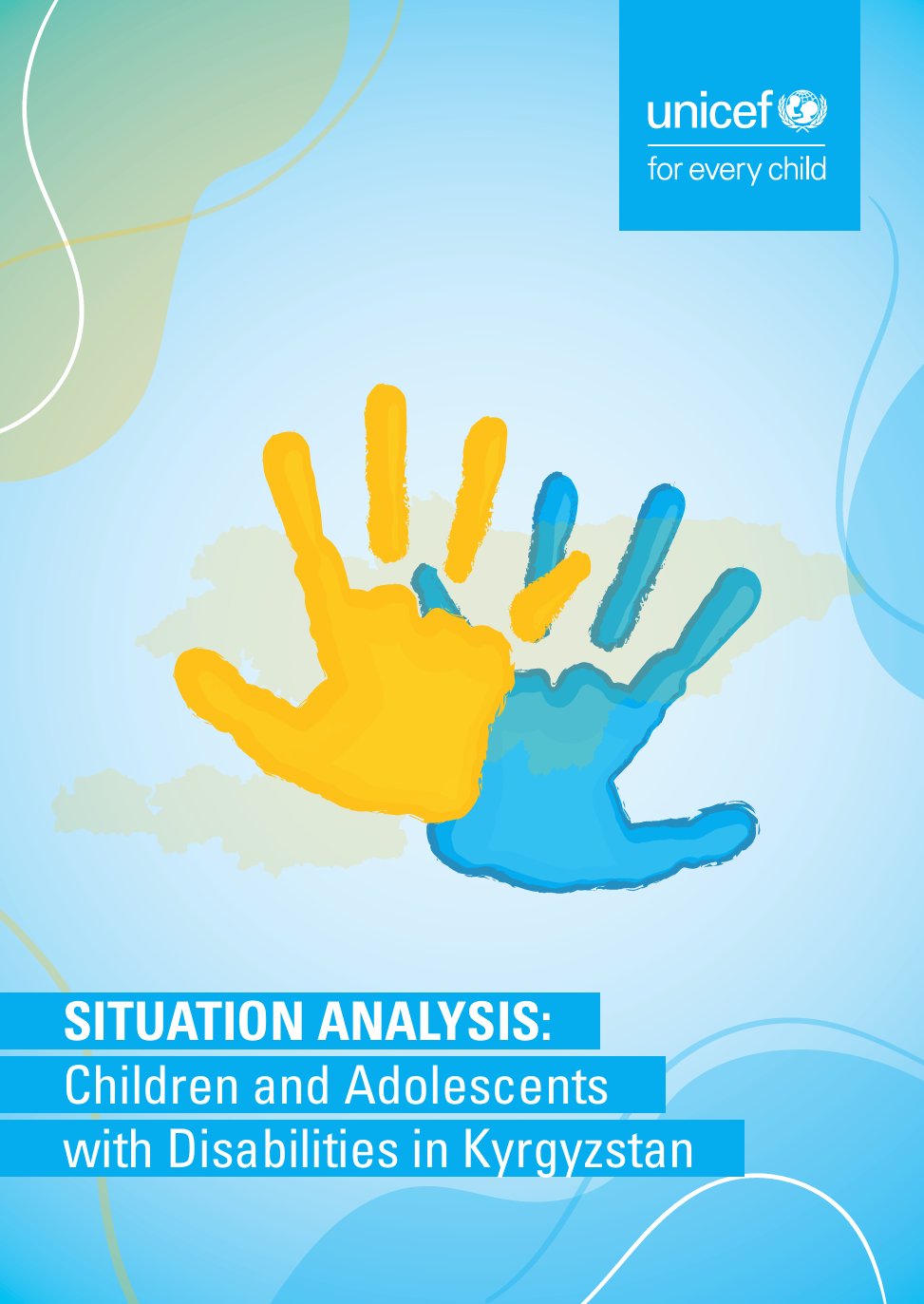 Situation Analysis: Children and Adolescents with Disabilities in Kyrgyzstan 발행 연도: 2021 단체 저자: UNICEF Kyrgyzstan The study identified barriers and obstacles to the provision of quality and inclusive services to children and adolescents with disabilities, as well as problems at the level of policy-making and evidence base. The rationale for this Situation Analysis is to inform stakeholders, both governmental, civil society and development partners, as to the current situation with regards to the fulfilment of children and adolescents with disabilities’ rights. Ситуационный анализ: дети и подростки с инвалидностью в Кыргызстане 발행 연도: 2021 단체 저자: UNICEF Kyrgyzstan В ходе исследования были выявлены барьеры и препятствия в предоставлении качественных и инклюзивных услуг детям и подросткам с инвалидностью, а также проблемы на уровне принятия политических решений и наличия доказательной базы. Обоснованием для проведения данного анализа является информирование заинтересованных сторон, таких как государственные органы, гражданское общество, а также партнёров по развитию, о текущей ситуации по реализации прав детей и подростков с инвалидностью.
  Женщины Таджикистана в науке: социально-статистический анализ (Вестник МГЛУ. Общественные науки. Вып. 3(852) 발행 연도: 2023 저자: Хушкадамова Халимахон Отамбековна Исследование репрезентирует пример Таджикистана по проблематике участия женщин в науке. Автором применяются разные эмпирические методы – непосредственное наблюдение, контент-анализ публикаций СМИ, биографический метод и статистический анализ официальных данных. Выявляются основные ступени подготовки ученых из числа женщин и девушек. Даются портреты известных женщин-ученых таджикского социума. Рассматриваются факторы, способствующие гендерному разрыву в науке.
  Violence in Schools: Thematic Report 발행 연도: 2023 단체 저자: Higher Council for Education, Training, and Scientific Research (CSEFRS) | United Nations Children's Fund (UNICEF) This report presents the results of an assessment of violence in school settings conducted by the Higher Council for Education, Training and Scientific Research, through the National Evaluation Authority, in partnership with UNICEF. This report highlights the importance of a safe, violence-free school environment to ensure quality education.The main objective of this evaluation is to provide a detailed diagnosis of the situation of violence in the school environment in Morocco. Accordingly, the study focuses on measuring the extent of the spread of this phenomenon and identifying its various forms and manifestations in the school environment, as well as the actors involved in it. It does not only target the perpetrators of violence, but also its victims, including students and educational staff.