
자료
세계시민교육에 대한 이해를 넓히고 연구, 옹호 활동, 교수, 학습 등을 향상시킬 수 있는 다양하고 유용한 자료를 찾아보세요.
2,771 건의 결과가 검색되었습니다
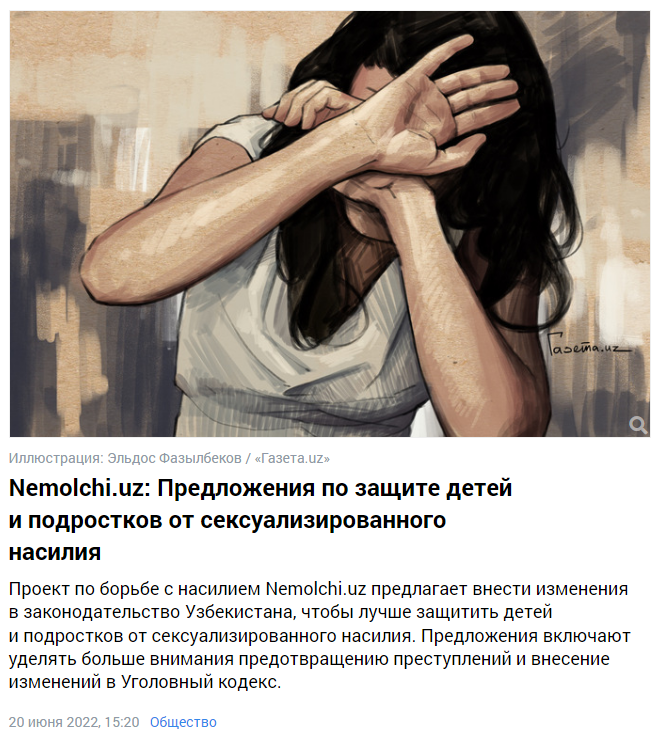 Nemolchi.uz: Suggestions for Protecting Children and Adolescents from Sexual Abuse 발행 연도: 2022 저자: Nigina Khudoibergenova | Madina Ochilova The Nemolchi.uz anti-violence project proposes changes to Uzbekistan's legislation to better protect children and adolescents from sexualized violence. Suggestions include paying more attention to crime prevention and amending the Criminal Code. Nemolchi.uz: Предложения по защите детей и подростков от сексуализированного насилия 발행 연도: 2022 저자: Nigina Khudoibergenova | Madina Ochilova Проект по борьбе с насилием Nemolchi.uz предлагает внести изменения в законодательство Узбекистана, чтобы лучше защитить детей и подростков от сексуализированного насилия. Предложения включают уделять больше внимания предотвращению преступлений и внесение изменений в Уголовный кодекс.
  نداء عاجل من أجل العمل صادر عن اللجنة التوجيهية الرفيعة املستوى املعنية هبدف التنمية املستدامة 4 اخلاص ابلتعليم حىت عام 2 مبناسبة قمة التحول املنشود يف التعليم 발행 연도: 2022 단체 저자: United Nations (UN) نحن ، اللجنة التوجيهية رفيعة المستوى للهدف الرابع من أهداف التنمية المستدامة للتعليم لعام 2030 التي تمثل مجتمع التعليم العالمي ، ندعو جميع رؤساء الدول والحكومات إلى اتخاذ إجراءات حاسمة للاستثمار في التعليم وتحويله باعتباره أوضح مسار لأهدافنا المشتركة المتمثلة في السلام والازدهار والاستدامة. An Urgent Call for Action by the SDG4-Education 2030 High-Level Steering Committee 발행 연도: 2022 단체 저자: United Nations (UN) We, the SDG4-Education 2030 High-Level Steering Committee representing the global education community, call on all Heads of State and Government to take decisive actions to invest in and transform education as the clearest pathway to our shared goals of peace, prosperity and sustainability. Llamamiento a la acción urgente del Comité de Dirección de Alto Nivel para el ODS 4-Educación 2030 con motivo de la Cumbre sobre la Transformación de la Educación 발행 연도: 2022 단체 저자: United Nations (UN) Nosotros, el Comité Directivo de Alto Nivel del ODS4-Educación 2030 que representa a la comunidad educativa mundial, hacemos un llamado a todos los Jefes de Estado y de Gobierno para que tomen medidas decisivas para invertir y transformar la educación como el camino más claro hacia nuestros objetivos compartidos de paz, prosperidad y sostenibilidad. Appel urgent à l’action du Comité directeur de haut niveau ODD 4 – Éducation 2030 lancé à l’occasion du Sommet sur la transformation de l’éducation 발행 연도: 2022 단체 저자: United Nations (UN) Nous, le Comité directeur de haut niveau ODD4-Éducation 2030 représentant la communauté mondiale de l'éducation, appelons tous les chefs d'État et de gouvernement à prendre des mesures décisives pour investir dans l'éducation et la transformer en voie la plus claire vers nos objectifs communs de paix, de prospérité et de durabilité.
  Основные тренды и риски для устойчивого развития в странах Центральной Азии 발행 연도: 2018 저자: Nailya Nurlanova | Alisher Rasulev 단체 저자: Текстиль и лёгкая промышленность В статье представлен анализ основных трендов экономического и социального развития в странах Центральной Азии, входящих в Содружество Независимых государств. Основное внимание уделено анализу показателей, отражающих уровень устойчивого развития стран Центрально-Азиатского региона. Выделены негативные факторы, определившие понижающую динамику основных показателей социально-экономического развития. Дана характеристика основных рисков устойчивому развитию национальных экономик. Раскрыты приоритетные направления и меры по обеспечению устойчивого экономического развития стран Центральной Азии.
 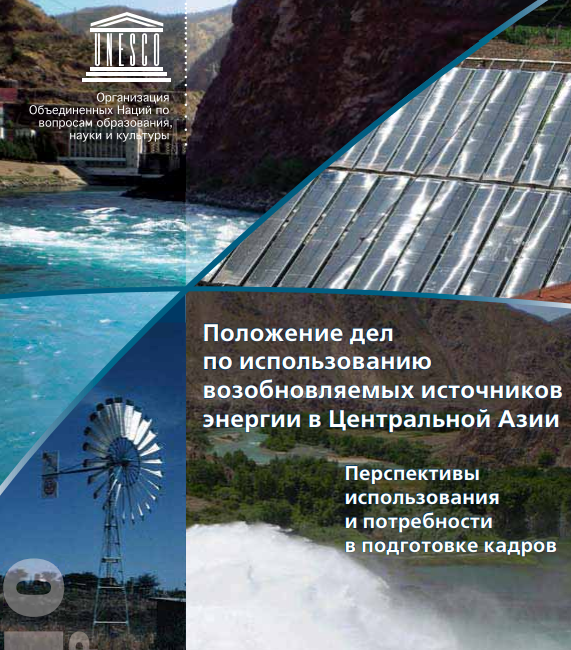 The State of Affairs on the Use of Renewable Energy Sources in Central Asia: Prospects for Use and Training Needs 발행 연도: 2010 단체 저자: UNESCO Almaty This review was prepared in 2009 by order of the UNESCO Cluster Office in Almaty by a group of national experts to highlight the situation on the current state of affairs and prospects for the use of renewable energy sources in the Republic of Kazakhstan, the Kyrgyz Republic, the Republic of Tajikistan and the Republic of Uzbekistan based on a questionnaire of interested parties, studying documents of international projects and other open literature sources. When preparing the review, the goal was to explore not so much the technical potential of the Central Asian countries in the field of renewable energy development, but rather to clarify the position of stakeholders in their development, and their readiness to pursue environmentally acceptable policies. Положение дел по использованию возобновляемых источников энергии в Центральной Азии: Перспективы использования и потребности в подготовке кадров 발행 연도: 2010 단체 저자: UNESCO Almaty Настоящий обзор был подготовлен в 2009 по заказу Кластерного бюро ЮНЕСКО в г. Алматы группой национальных экспертов для освещения ситуации по текущему состоянию дел и перспективам использования возобновляемых источников энергии в Республике Казахстан, Кыргызской Республике, Республике Таджикистан и Республике Узбекистан на основе анкетирования заинтересованных сторон, изучения документов международных проектов и других открытых литературных источников. При подготовке обзора стояла цель исследовать не столько технический потенциал стран ЦА в области развития ВИЭ, сколько прояснить позицию заинтересованных сторон в их развитии, их готовность к проведению экологически приемлемой политики.
 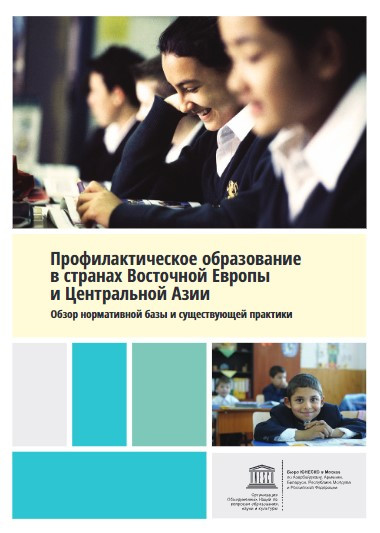 Prevention Education in Eastern Europe and Central Asia: A Review of Policies and Practices 발행 연도: 2014 단체 저자: UNESCO Moscow A new regional study commissioned by UNESCO shows that most EECA countries have policies to provide sex education in schools, but only a few of them have implemented this policy in high-quality teaching practice on a national scale. For the report, more than 100 key legal and policy documents from the EECA countries were analyzed, which made it the first systematic review on this topic in the region. A review of preventive education in ten countries of Eastern Europe and Central Asia presents its current state and outlines the prospects for its development to provide all adolescents and young people, including from key population groups, with affordable and high-quality comprehensive education in the field of HIV prevention and reproductive health.