
자료
세계시민교육에 대한 이해를 넓히고 연구, 옹호 활동, 교수, 학습 등을 향상시킬 수 있는 다양하고 유용한 자료를 찾아보세요.
1,983 건의 결과가 검색되었습니다
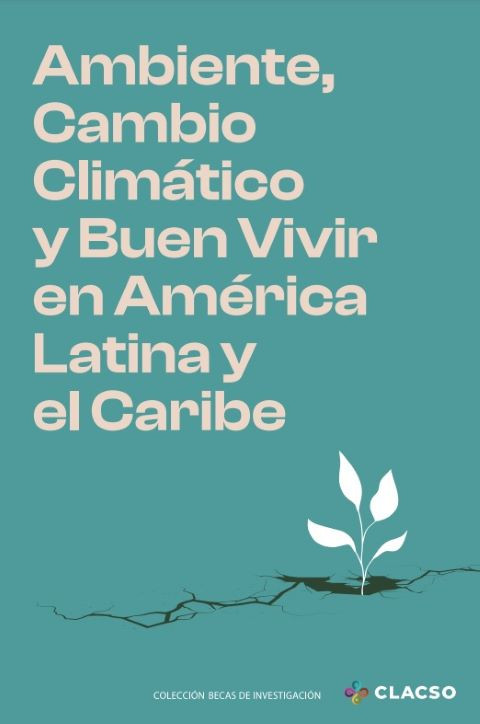 Ambiente, cambio climático y buen vivir en America Latina y el Caribe 발행 연도: 2022 저자: Tatiana Cuenca Castelblanco | Letícia Larín | Juan Manuel Delgado Estrada | Luz Carina Durán Solarte | Cindy Vanessa Quintero Ramírez | Manuel Alejandro Henao Restrepo | Sara Latorre | Andrea Bravo | Marisabel García Acelas | Robert Adrián Quintero Leguizamón | Marisela Pilquimán Vera | Stepfanie Ramírez | Clarena Rodríguez Jaramillo | Melisa Argento | Ariel Slipak | Florencia Puente | Sarah Patricia Cerna Villagra | Agustín Carrizosa | María Irene Rodríguez | Stefannia Parrado Morales 단체 저자: Latin American Council of Social Sciences (CLACSO) Este libro es el resultado de la convocatoria lanzada por CLACSO en febrero de 2020 para el desarrollo de proyectos de investigación sobre «Ambiente, cambio climático y buen vivir en América Latina y el Caribe». Los ensayos presentados reúnen a más de veinte investigadoras e investigadores de ocho países latinoamericanos, que abordaron las temáticas propuestas desde diferentes perspectivas, considerando los vínculos entre el concepto de "buen vivir" y los fenómenos ambientales y económicos que están ocurriendo en todo el mundo, como el innegable cambio climático, y en particular en los países latinoamericanos, como el modelo extractivista de explotación de la naturaleza.
 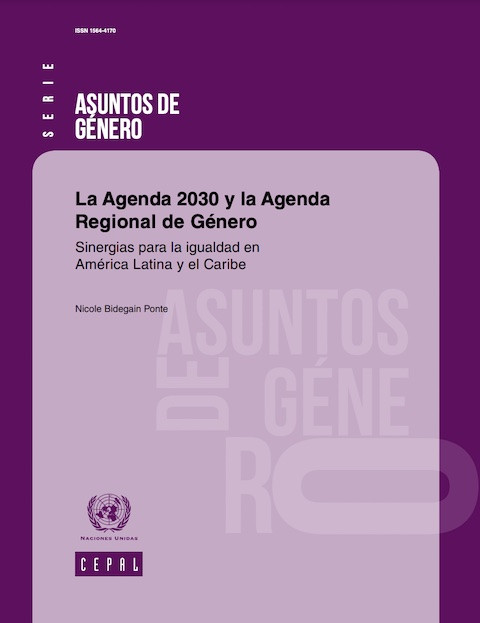 The 2030 Agenda and the Regional Gender Agenda: Synergies for Equality in Latin America and the Caribbean (Asuntos de Género; no. 143) 발행 연도: 2017 저자: Nicole Bidegain Ponte 단체 저자: UN. Economic Commission for Latin America and the Caribbean (ECLAC) This document analyzes the 2030 Agenda for Sustainable Development and its Sustainable Development Goals (SDGs) in light of the challenges and priorities for gender equality and the rights and autonomy of women in Latin America and the Caribbean. Illustrative examples of the interrelationships between goals and targets of the 2030 Agenda are presented, and it warns about the importance of a comprehensive approach to ensure that progress in some of the SDGs is not made through means that may hinder the achievement of the goals and targets related to gender equality and women's rights. La Agenda 2030 y la Agenda Regional de Género: Sinergias para la igualdad en América Latina y el Caribe (Asuntos de Género; no. 143) 발행 연도: 2017 저자: Nicole Bidegain Ponte 단체 저자: UN. Economic Commission for Latin America and the Caribbean (ECLAC) En este documento se analiza la Agenda 2030 para el Desarrollo Sostenible y sus Objetivos de Desarrollo Sostenible (ODS) a la luz de los desafíos y prioridades para la igualdad de género y los derechos y la autonomía de las mujeres en América Latina y el Caribe. Se presentan ejemplos ilustrativos sobre las interrelaciones entre objetivos y metas de la Agenda 2030, y se advierte sobre la importancia de un abordaje integral para asegurar que el progreso en algunos de los ODS no se realice a través de medios que puedan obstaculizar el logro de los objetivos y metas vinculados a la igualdad de género y los derechos de las mujeres.
 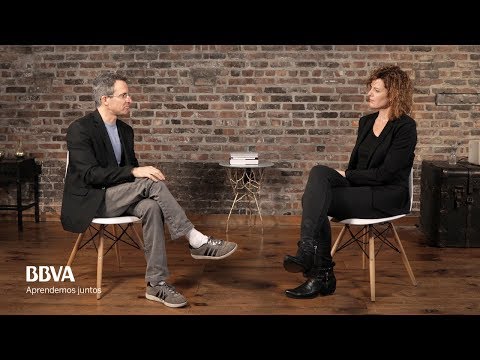 The Science of Happiness 발행 연도: 2018 단체 저자: BBVA Aprendemos Juntos Tal Ben-Shahar is the happiness scientist of the 21st century. In this video he talks about the need to teach with positive emotions to increase the happiness and creativity of students. Doctor in psychology and philosophy, Tal Ben-Shahar's Positive Psychology course at Harvard holds the record for the subject with the largest number of students in the history (1400 per semester) of Harvard University, earning the nickname "professor of the happiness". Ben-Shahar is the author of books such as "Choose the life you want" or "Practice happiness", among others, in which he talks about the emotions that improve learning, creativity, the capacity for innovation, and ultimately, people's daily life. La ciencia de la felicidad 발행 연도: 2018 단체 저자: BBVA Aprendemos Juntos Tal Ben-Shahar es el científico de la felicidad del siglo XXI. En este vídeo nos habla sobre la necesidad de enseñar con emociones positivas para aumentar la felicidad y la creatividad de los estudiantes. Doctor en psicología y filosofía, El curso de Psicología Positiva de Tal Ben-Shahar en Harvard posee el récord de la asignatura con mayor número de alumnos de la historia (1400 por semestre) de la Universidad de Harvard ganándose el sobrenombre de “profesor de la felicidad”. Ben-Shahar es autor de libros como "Elige la vida que quieres” o "Practicar la felicidad”, entre otros, en los que nos habla sobre las emociones que mejoran el aprendizaje, la creatividad, la capacidad de innovación, y en definitiva, la vida diaria de las personas.
 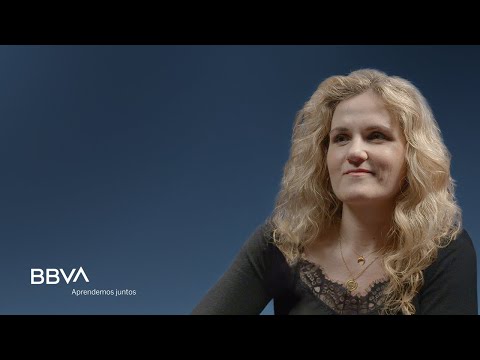 What Does It Mean to Have Good Self-Esteem? 발행 연도: 2020 단체 저자: BBVA Aprendemos Juntos The psychologist Silvia Congost exposes in this video the steps to develop a healthy self-esteem, based on the teachings of Nathaniel Branden, author of 'The six pillars of self-esteem': live consciously, accept oneself, take responsibility for our actions , develop assertiveness, live with a purpose and be a person of integrity. ¿Qué significa tener buena autoestima? 발행 연도: 2020 단체 저자: BBVA Aprendemos Juntos La psicóloga Silvia Congost expone en este vídeo los pasos para desarrollar una sana autoestima, a partir de las enseñanzas de Nathaniel Branden, autor de 'Los seis pilares de la autoestima': vivir de forma consciente, aceptarse a uno mismo, responsabilizarnos de nuestros actos, desarrollar la asertividad, vivir con un propósito y ser personas íntegras.
 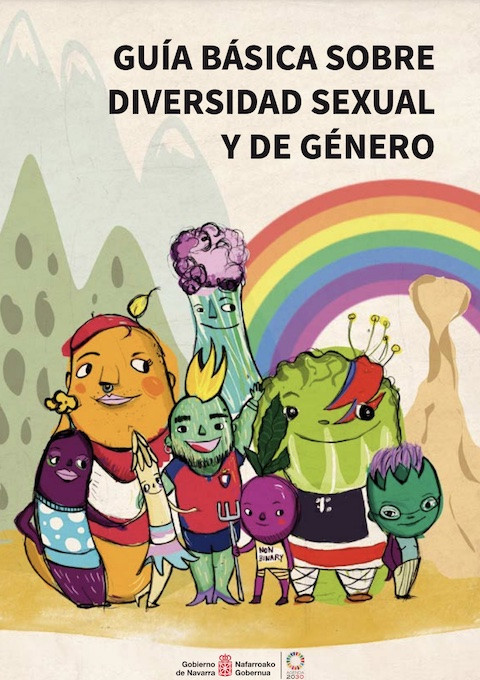 Basic Guide on Sexual and Gender Diversity 발행 연도: 2020 저자: Miriam Solá García 단체 저자: Navarra Institute for Equality This guide is a tool to learn about affective, sexual and gender diversity and reflect on why all of us have a key role in social change to achieve equality and recognition of LGTBI+ people. Respect for affective, sexual and gender diversity is an element of value and social wealth in whose promotion and experience all citizens are involved. Guía básica sobre diversidad sexual y de género 발행 연도: 2020 저자: Miriam Solá García 단체 저자: Navarra Institute for Equality Esta guía es una herramienta para conocer la diversidad afectiva, sexual y de género y reflexionar sobre por qué todas las personas tenemos un papel clave en el cambio social para lograr la igualdad y reconocimiento de las personas LGTBI+. El respeto por la diversidad afectiva, sexual y de género es un elemento de valor y de riqueza social en cuya promoción y vivencia está implicada toda la ciudadanía
 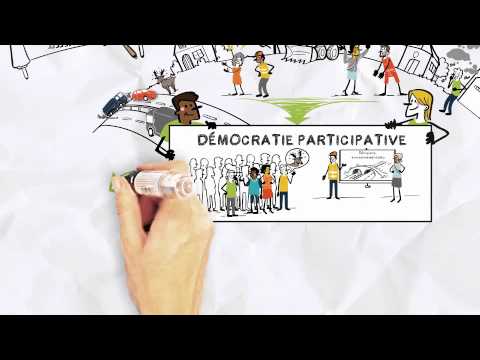 Why and How to Move Towards Participatory Democracy 발행 연도: 2015 단체 저자: Fondation pour la Nature et l'Homme Co-constructing tomorrow's solutions is the major challenge of participatory democracy. However, the participation of citizens in decisions is not always obvious and today many projects are contested in the territory. Solutions exist to involve citizens more directly in environmental decisions, discover these issues and solutions in 3 minutes!