
자료
세계시민교육에 대한 이해를 넓히고 연구, 옹호 활동, 교수, 학습 등을 향상시킬 수 있는 다양하고 유용한 자료를 찾아보세요.
1,983 건의 결과가 검색되었습니다
 The Culture of Tajikistan in the Context of Independence (Experience, Problems and Prospects of Development) 발행 연도: 2017 저자: R. Amirov The article analyzes the state and prospects for the development of culture in context of independence. In the years of independence, the Republic of Tajikistan by external forces was dragged into civil wars, as a result of which it suffered huge losses in the field of economy and culture. It was not easy to restore peace, to preserve a rich national culture. During these years, the government of Tajikistan adopted normative and legislative acts and a number of state cultural programs that contributed to the preservation and protection of cultural heritage, as well as created the conditions for the revival and development of the national culture. Культура Таджикистана в условиях независимости (опыт, проблемы и перспективы развития) 발행 연도: 2017 저자: R. Amirov В статье анализируется состояние и перспективы развития культуры в условиях независимости. В годы независимости Республика Таджикистан внешними силами была втянута в гражданские войны, в результате которых она понесла огромные потери в области экономики и культуры. Нелегко было восстановить мир, сохранить богатую национальную культуру. В эти годы правительством Таджикистана были приняты нормативно-законодательные акты и ряд государственных программ в области культуры, которые способствовали сохранению и защите культурного наследия, а также создали условия для возрождения и развития национальной культуры.
  احتجاجات التلاميذ من أجل حماية المناخ 발행 연도: 2019 단체 저자: DW Channel أصبحت التغيرات المناخية من ارتفاع درجة حرارة الأرض ومنسوب مياه البحار الشغل الشاغل للكثيرين وخاصة الشباب منهم، فقد اشتهرت الناشطة البيئية السويدية غريتا تونبيرغ ذات الـ 16 ربيعا عبر نشاطها ضد التلوث المناخي وانتقل تأثيرها إلى الشباب الألماني، والهدف هو التأثير على الساسة من أجل مستقبل أفضل لهم وللعالم. يستعرض الفيديو وثائقي من انتاج قناة DW عن وقفة احتجاجية للتلاميذ عما يحدث بخصوص التغير المناخي. Students Protesting for Climate Protection 발행 연도: 2019 단체 저자: DW Channel Climate change from global warming and sea levels has become a preoccupation for many, especially young people. The 16-year-old Swedish environmental activist Greta Thunberg became famous for her activism against climate pollution and her impact was transmitted to German youth, and the goal is to influence politicians for a better future for them. And for the world. The video shows a documentary produced by DW about a protest stand by students about what is happening regarding climate change.
 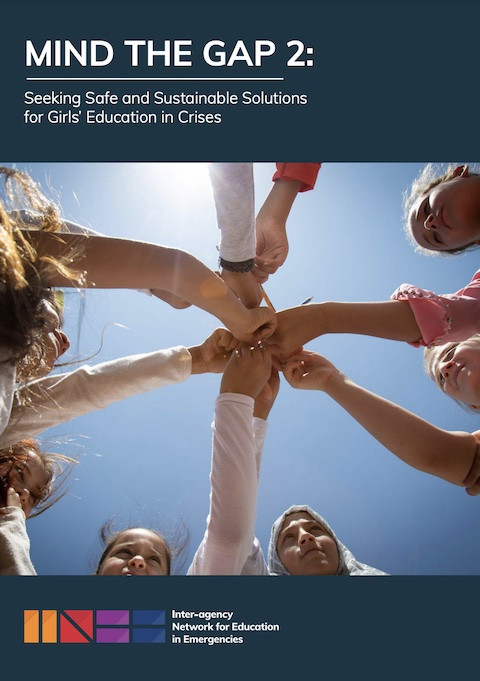 Mind the Gap 2: Seeking Safe and Sustainable Solutions for Girls’ Education in Crises 발행 연도: 2022 저자: Ruth Naylor | Ella Page | Kate Sims 단체 저자: Inter-agency Network for Education in Emergencies (INEE) This report summarizes progress, gaps, challenges and opportunities in improving education and training for girls and women affected by conflict and crisis. This report monitors progress since the first Mind the Gap report and highlights the following thematic areas: distance education and the digital divide, school-related gender-based violence, and girls’ education during climate crisis.The report aims to support the Charlevoix Declaration on Quality Education’s commitment to enhance the evidence base and monitor progress toward gender-equitable education in crises. The report draws from data on 44 crisis-affected countries, from recent research, and from a set of case studies of interventions in a range of crisis-affected contexts.
 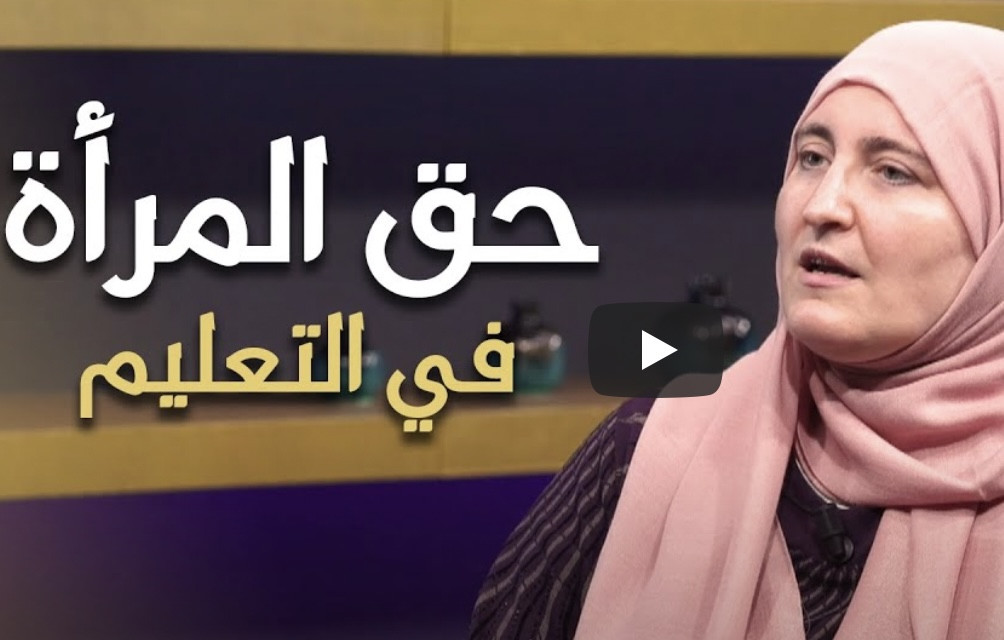 Women's Right to Education 발행 연도: 2021 저자: Alya Shaker 단체 저자: Qaf TV The video is an episode of the program "The Women's State" on the interactive Qaf channel. The episode entitled "Women have the right to education". In it, the presenter addressed the issue with Dr. "Nassiba Jalal". The episode discusses the views of women's right to education, the social and economic reasons that prevented women from learning, their reality today, and the many positive effects in the case of women's education from a personal, social and economic point of view. It also discusses the reasons that help facilitate and implement this right today.
  استخدام بعض تطبيقات الهاتف الذكي في تعليم اللغة العربية للناطقين باللغة الإنجليزية بين الواقع الملموس والمستقبل المأمول 발행 연도: 2022 단체 저자: University of Chlef يتناول هذا البحث ظاهرةً علميةً انتشرتْ في السنوات القليلة الماضية في تعليم اللغة العربية للمتحدثين الأصليين باللغة الإنجليزية، ألا وهي تعليم اللغة العربية باستخدام تطبيقات الهواتف الذكية، وهي ظاهرةٌ جديرةٌ بالاهتمام، مما لفت نظر الباحث إلى ضرورة دراسة هذه الظاهرة بشيءٍ من التفصيل، وقد لاحظَ الباحثُ انتشارَ عددٍ كبيرٍ من تطبيقات الهواتفِ الذكية في تعليم اللغة العربية للناطقين باللغة الإنجليزية، فاتجه الباحثُ إلى بيانِ وتوضيح عددٍ من هذه التطبيقات، واصفًا لها مبيِّنًا خصائصَها ومميزاتِها، كما حرص على بيان وتوضيح بعض عيوبِها التي ظهرتْ له، حتى يكون ذلك عونًا للطلابِ عند انتقاء التطبيقات المناسبة لهم إذا أرادوا أن يتعلموا العربية عن طريق مثل هذه التطبيقات. ولقد تحدَّثَ الباحث عن منهجه في الدراسة، ووضَّح أنه استخدم المنهج الوصفيَّ في بيان هذه التطبيقات، كما قام بتعريفِ بعضِ المصطلحات المستخدمة في البحث، كالهاتف الذكي، وتطبيقات تعليم اللغة العربية للناطقين بالإنجليزية، كما تحدث عن أهم خصائص تعليم اللغة العربية من خلال تطبيقات الهواتف الذكية، كما ذكر عناصرَ تطبيقات الهواتف الذكية في تعليم اللغة العربية للناطقين بالإنجليزية، ثم ذكر الباحثُ أربعةً من تطبيقات الهواتف الذكية، واصفًا لها؛ مبيِّنًا مميزاته وعيوبِ كلٍّ منها، ثم أنهى الباحث تلك الورقة بالحديث عن المستقبل المأمول في خصائص مثل هذه التطبيقات التي يجب أن تتسم بها إذا أردنا الحصول على تطبيقٍ مثاليٍّ في تعليم اللغة العربية للناطقين بالإنجليزية. Use of Smartphone Applications to Teach Arabic to English Language Speakers Between the Tangible Reality and the Hoped-for Future 발행 연도: 2022 단체 저자: University of Chlef This research examines a scientific phenomenon that hat has spread in the past few years on teaching Arabic to native English speakers using smartphone applications. Smartphone usage proved to be a stimulating phenomenon that drew the researcher's attention to studying it in great detail. The researcher observed several smartphone applications in teaching Arabic to English speakers. However, this led to the writer's description, clarification, and categorization of these applications based on their features and characteristics, just as he was keen to explain and clarify some demerits of these applications. The main goal was to help students when selecting the rightful applications for them should they resort to learning Arabic through such applications. In his attempt to explain more about these applications, the researcher used a descriptive method where he also defined some of the terminologies used in this research, for example, smartphone and Arabic language applications for English speakers. He also spoke about the most vital characteristics of Arabic language learning through smartphone applications. He then mentioned a range of smartphone applications, such as the famous Duolingo app used to teach Arabic and other languages to English speakers, as well as the Arabic unlocked application. In summation, the researcher concluded his research paper by looking into the future characteristics of such applications and what an ideal application in teaching Arabic to English speakers should be.
  الحماية الجزائية المقررة في عمالة الأطفال 발행 연도: 2022 저자: Aitbenamer Ghania 단체 저자: University of Mostaghanem Central إن عمل الأطفال بمفهومه السلبي هو العمل الذي يضع أعباء ثقيلة على الطفل ويستغله اقتصادياً مما يؤدي إلى تهديد سلامته وصحته ورفاهيته. فتعتبر ظاهرة عمل الأطفال ظاهرة عالمية بدأت تنتشر وتتوسع في الآونة الأخيرة وتترك آثاراً سلبية تنعكس على الطفل بشكل خاص، وعلى الأسرة والمجتمع بشكل عام. فالمجتمعات في جميع أنحاء العالم تعاني من انتشار ظاهرة تشغيل الأطفال التي تسمّى بظاهرة عمالة الأطفال، مما دفع بالمجتمع الدولي للتدخل من خلال عدة منظمات و هيئات دولية لتنظيم عمل الأطفال. ونظرا لحرص الجزائر على محاربة ظاهرة عمالة الأطفال و الوقاية منها صادقت على اتفاقية منظمة العمل الدولية ، و كذا اتفاقية الأمم المتحدة حول حقوق الطفل و اتخذت مجموعة من الإجراءات لتجسيد محتوى تلك الاتفاقيات و كرستها في منظومتها القانونية لمنع كل أشكال تشغيل الأطفال ما لم يحظ تشغيلهم بتأطير قانوني يحدد الشروط التي يجب أن يحيط تشغيلهم،حيث أولى المشرع الجزائري فئة الأطفال العمال عناية خاصة، من حيث تحديد سن العمل و التمهين، مرورا بمنع تشغيلهم في ظروف غير لائقة ،فضلا عن تقرير عقوبات على مخالفة الأحكام و الضوابط الخاصة بعمالة الأطفال. The Penal Protection Established for Child Labor 발행 연도: 2022 저자: Aitbenamer Ghania 단체 저자: University of Mostaghanem Central This study aims to clarify the important of the development of human resources in its various dimensions for companies specially the Algerian ones, by providing human resources with knowledge, skills and experience and improving their behavior, which help them to do their work and develop their performance, then provide an added value to the company where they work, This study focused on the reality of the application of the various dimensions of human resources development (training, learning, empowerment, career development) in the Eastern Company of Electricity and Gas Distribution – Unit of Tebessa. In order to answer the problem posed and to test the main hypothesis, the quantitative approach was adopted through a questionnaire that was distributed to a simple random sample of 234 employees of the company, representing 47.17% of the total population of the study. The collected data was analyzed using the Spss V25 program, The study concluded that the level of application of human resources development in its various dimensions in the Eastern Company of Electricity and Gas Distribution – Unit of Tebessa is good, although there is a discrepancy in the application of these dimensions, which ranged between high and medium.