
자료
세계시민교육에 대한 이해를 넓히고 연구, 옹호 활동, 교수, 학습 등을 향상시킬 수 있는 다양하고 유용한 자료를 찾아보세요.
2,297 건의 결과가 검색되었습니다
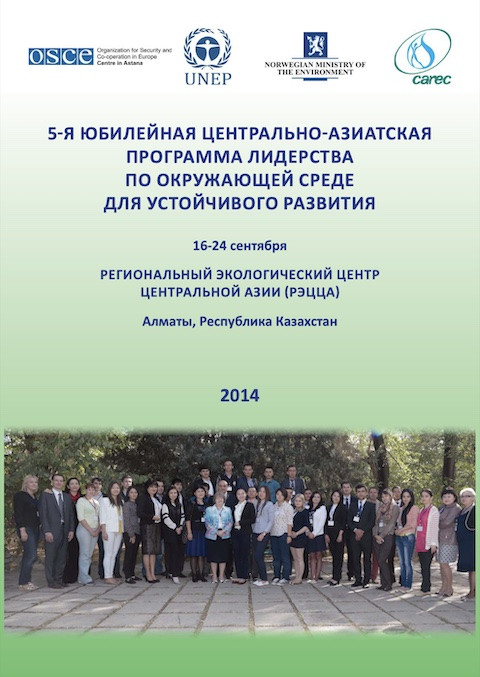 5-я юбилейная Центральноазиатская программа лидерства по окружающей среде для устойчивого развития 발행 연도: 2014 단체 저자: United Nations Environment Programme (UNEP) | Regional Environmental Centre for Central Asia (CAREC) Мероприятие организовал РЭЦЦА в сотрудничестве и при поддержке постоянных партнеров – ЮНЕП, Правительства Норвегии и Центра ОБСЕ в Астане. Участники имели возможность приобрести новые знания, опыт и компетенцию в областях, связанных с устойчивым развитием. В частности, особое внимание было уделено вопросам зеленого роста, изменения климата, управления водными ресурсами, доступа к питьевой воде и трансграничного сотрудничества в Центральной Азии по данным проблемам, а также вопросам развития возобновляемых источников энергии.
 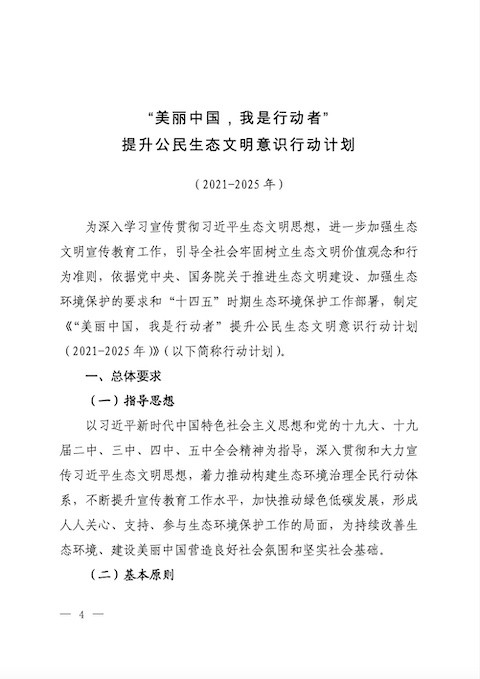 "Beautiful China, I Am a Doer" Action Plan for Raising Citizens' Awareness of Ecological Civilization (2021-2025) 발행 연도: 2021 단체 저자: Government of the People’s Republic of China The policy was developed by the Chinese government to promote the development of environmental protection concepts among Chinese citizens and to build a system to engage citizens in environmental protection efforts. It includes a detailed action plan and pays particular attention to how to develop ecological awareness and habits among young people through the education system. “美丽中国,我是行动者” 提升公民生态文明意识行动计划(2021-2025年) 발행 연도: 2021 단체 저자: Government of the People’s Republic of China 该政策由中国政府制定,旨在促进中国公民发展环境保护理念,建设一个体系,促使公民参与环境保护工作。内容包括详尽的行动计划,并特别关注如何通过教育体系培养青少年生态意识和习惯。
 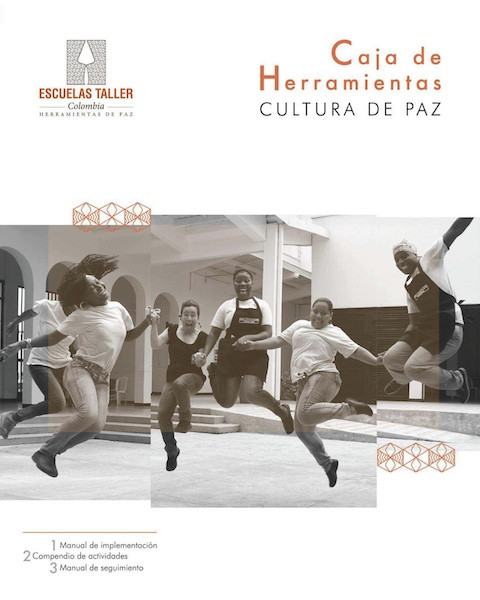 Culture of Peace Toolbox 발행 연도: 2016 단체 저자: National Workshop Schools Program (Colombia) | Spanish Agency for International Development Cooperation (AECID) The Workshop Schools with the support of the Ministry of Culture and the Spanish Agency for International Development Cooperation (AECID), take the initiative to promote a Culture of Peace that arises from the ethical principles that define the Workshop School and that allows its protagonists themselves (administrators, instructors, apprentices and parents) assume positions, beliefs and attitudes that promote a Culture of Peace as a way of life. For this, a Tool Box has been designed, the objective of which is to strengthen the apprentices of the Workshop School as citizens who develop personal and social capacities to live healthily with others and generate harmonious environments, while proposing tools to serve as agents of change in society. At a general level, the Toolbox is made up of three large sections: the first contains the Implementation Manual, the second the Compendium of Activities and the third the Follow-up and Monitoring Manual. Caja de herrameintas: Cultura de paz 발행 연도: 2016 단체 저자: National Workshop Schools Program (Colombia) | Spanish Agency for International Development Cooperation (AECID) Las Escuelas Taller, con el apoyo del Ministerio de Cultura y la Agencia Española de Cooperación Internacional para el Desarrollo (AECID), toman la iniciativa de promover una Cultura de Paz que surja desde los principios éticos que definen a la Escuela Taller y que permita que sus propios protagonistas (administrativos, instructores, aprendices y padres de familia) asuman posturas, creencias y actitudes que promuevan una Cultura de Paz como una forma de vida. Para ello se ha diseñado una Caja de Herramientas, cuyo objetivo es fortalecer a los aprendices de la Escuela Taller como ciudadanos que desarrollan capacidades personales y sociales para convivir sanamente con otros y generar entornos armónicos, a la vez que proponen herramientas para servir como agentes de cambio en la sociedad. A nivel general, la Caja de Herramientas se encuentra conformada por tres grandes secciones: la primera contiene el Manual de Implementación, la segunda el Compendio de Actividades y la tercera el Manual de Seguimiento y Monitoreo.
 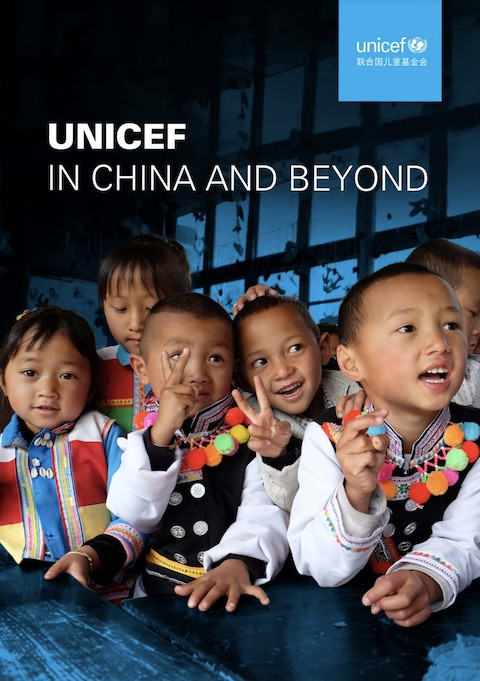 UNICEF in China and Beyond 발행 연도: 2019 단체 저자: United Nations Children's Fund (UNICEF) This report seeks to give an overview of UNICEF’s work in China and, through these experiences, provide a global perspective on the major development areas relevant to children today. This includes child-friendly spaces, poverty reduction and early childhood education. The publication presents a snapshot of the issues, challenges and accomplishments in health, education, child protection, and social policy and reform sectors in China. 中国经验 全球视角:联合国儿童基金会在华合作项目概览 발행 연도: 2019 단체 저자: United Nations Children's Fund (UNICEF) 该报告概述了联合国儿童基金会在中国所开展的项目,并通过这些项目的经验,为关乎儿童利益的主要发展领域提供全球视角,包括儿童友好家园、减贫与儿童早期教育等。这份报告还简要介绍了合作项目在卫 生保健、教育、儿童保护、社会政策与改革等领域所关注的重点、取得的成果与面临的挑战。
  The Puzzle of Citizenship by Birthright (The Ethics Forum; vol. 7, no. 2) 발행 연도: 2012 저자: Ayelet Shachar 단체 저자: University of Montreal This paper is the French translation of Ayelet Shachar’s introduction, «The Puzzle of Birthright Citizenship», digitally reproduced by permission of the publisher from The Birthright Lottery : Citizenship and Global Inequality, Cambridge, Mass.: Harvard University Press, pp.1-18. © 2009 by the President and Fellows of Harvard College. Translation by Martin Provencher. Le casse-tête de la citoyenneté par droit de naissance (The Ethics Forum; vol. 7, no. 2) 발행 연도: 2012 저자: Ayelet Shachar 단체 저자: University of Montreal Cet article est la traduction française de l’introduction du livre d’Ayelet Shachar, «The Puzzle of Birthright Citizenship», avec la permission de l’éditeur, tirée de The Birthright Lottery : Citizenship and Global Inequality, Cambridge, Mass.: Harvard University Press, pp.1-18. © 2009 President and Fellows of Harvard College. Traduction de Martin Provencher.
  Analysis (Didactic) of a Historical Video Game: Democracy and Citizenship Education in Civilization VI (Revue de recherches en littératie médiatique multimodale; no. 9) 발행 연도: 2019 저자: Vincent Boutonnet 단체 저자: Groupe de recherche en littératie médiatique multimodale Civilization VI, published in 2016, is a turn-based strategy game allowing the player to go through historical eras by leading a civilisation toward cultural, economic, military or technological sophistication. This new entry introduces a civic tree presenting new gameplay with government systems and civics policies. This research is descriptive and aims at a formal analysis of the gameplay. We examine the various components and the principles of design as well as the conceptual and civics limits of such a game. We believe this game is an opportunity to analyse and talk about these limits with pupils to foster critical thinking about democracy and citizenship.