
자료
세계시민교육에 대한 이해를 넓히고 연구, 옹호 활동, 교수, 학습 등을 향상시킬 수 있는 다양하고 유용한 자료를 찾아보세요.
2,255 건의 결과가 검색되었습니다
 Citizens as Users of Languages and Digital Technology 발행 연도: 2021 단체 저자: European Centre for Modern Languages (ECML) | Council of Europe A recent meta-analysis of the literature portrays male and female citizens who are users of languages and digital technologies. This helps to understand the goals of an education aimed at developing male and female citizens capable of using digital technology in a competent, informed, safe, responsible, ethical, and critical manner. Citoyens et citoyennes usagers et usagères des langues 발행 연도: 2021 단체 저자: European Centre for Modern Languages (ECML) | Conseil de l'Europe Une méta-analyse de la littérature récente dresse le portrait des citoyens et citoyennes usagers et usagères de langues et du numérique. Cela permet de connaitre les objectifs d’une éducation qui vise le développement de citoyens et citoyennes capables d’utiliser le numérique d’une façon compétente, informée, sûre, responsable, éthique et critique.
  Ensuring Well-Being through Social-Emotional Learning in the Digital World 발행 연도: 2023 단체 저자: Mahatma Gandhi Institute of Education for Peace and Sustainable Development (MGIEP) This document aims to identify the important elements addressed during the various TAGe discussions (social media discussion and live event) in addition to offering key recommendations for decision-makers. Concretely, this document has sought to highlight two social and emotional challenges faced today by youth, with a third issue present in each of them –(1) educational and employment disparities (economic exclusion),(2) poor civic engagement, and(3) the impact of the digital divide and misuse of social media platforms– in addition to showing how SEL competencies can be a tool to address the social and emotional challenges that may be encountered, supported by technological tools.
  Global Citizenship Education in a Digital Age: Teacher Guidelines 발행 연도: 2024 단체 저자: UNESCO This book is an essential resource for teachers seeking to understand the critical role that digital citizenship education plays in promoting a more informed, engaged, and responsible global citizenry. While digital technologies have opened up new opportunities for life-long learning, they have also given rise to emerging concerns, notably in relation to the rise of disinformation and hate speech online. Aimed at building the capacities of teachers to prepare learners to act ethically and responsibly in physical and digital environments, these guidelines stress the importance of considering how Global Citizenship Education (GCED) and related knowledge, values, skills and attitudes can be fostered for teaching, learning and engaging for a more sustainable, inclusive, just and peaceful world.
 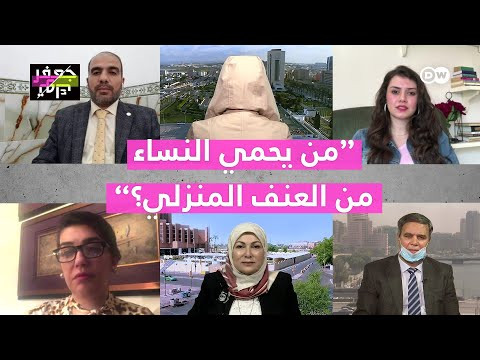 Domestic Violence Escalated in the Time of Corona ... Who Protects Women? 발행 연도: 2020 저자: Jaafar Abdul Karim 단체 저자: DW Jaafar Talk A program of DW TV broadcasting from Berlin. The program talks about the physical violence experienced by some women in the Arab world during the time of the new Corona virus. The program is characterized by its review of multiple cases of violence during quarantine, and seeks to discuss the causes and solutions to this issue. تصاعد العنف المنزلي في زمن كورونا... من يحمي النساء؟ 발행 연도: 2020 저자: Jaafar Abdul Karim 단체 저자: DW Jaafar Talk أحد برامج تلفزيون DW والذي يبث من برلين. يتحدث البرنامج عن العنف الجسدي الذي تتعرض له بعض النساء في الوطن العربي في زمن فيروس كورونا المستجد. يتميز البرنامج باستعراضه لحالات متعددة تعرضت للعنف وقت الحجر الصحي، ويسعى لمناقشة الاسباب والحلول لهذه القضية.
  Universal Rights, Global Action: Impact Report 2019-2020 발행 연도: 2020 단체 저자: Spotlight Initiative Universal rights, global action is a shortened, visual adaptation of the 2019 Global Annual Narrative Progress Report. The Spotlight Initiative is a global, multi-year partnership between the European Union and the United Nations to eliminate all forms of violence against women and girls by 2030. This report outlines the Spotlight Initiative’s key signature results from 2019.The 32-page document highlights the ways the Spotlight Initiative country and regional programmes have meaningfully reached women and girls, including those facing multiple and intersecting forms of discrimination.
  Education for Social Peace 발행 연도: 2018 저자: Idris Sultan Saleh 단체 저자: Morocco. Ministry of Awqaf and Islamic Affairs The author reviews the concept of social peace and its importance for individuals and societies. Then he goes on to refer to Islamic religion and its framing of societies with social peace. The article concludes with a discussion of education in the light of social peace. التربية من أجل السلام الاجتماعي 발행 연도: 2018 저자: Idris Sultan Saleh 단체 저자: Morocco. Ministry of Awqaf and Islamic Affairs يستعرض الكاتب مفهوم السلام ألاجتماعي وأهميته للإفراد والمجتمعات. ومن ثم يستطرد في الاشارة للدين الاسلامي وتأطيره للمجتمعات بالسلام الاجتماعي. ويختم المقال بمناقشة التربية في ضوء السلام الاجتماعي.
  Education, Identity and Rising Extremism: From Preventing Violent Extremism to Promoting Peace, Resilience, Equal Rights and Pluralism (PREP) 발행 연도: 2017 저자: Sanam Anderlini 단체 저자: International Civil Society Action Network In November 2016, during ICAN’s fifth annual Women, Peace and Security forum, members of the Women’s Alliance for Security Leadership (WASL) and other women-led organizations in over 30 countries analyzed the role of formal and informal education in contributing to enabling conditions and mitigating extremist violence. They also highlighted their own practical experiences and lessons learnt in providing education to prevent violent extremism by fostering peace, resilience, equal rights and pluralism (PREP) in formal and informal spaces, including through the teachings of alternative religious narratives. Their experiences, combined with desk research on the state of current policy and practice, and the first multi-stakeholder Global Solutions Exchange (GSX) meeting on the nexus of education, gender and extremism held at the UNESCO headquarters in Paris in March 2017, inform the findings of this report.