
자료
세계시민교육에 대한 이해를 넓히고 연구, 옹호 활동, 교수, 학습 등을 향상시킬 수 있는 다양하고 유용한 자료를 찾아보세요.
1,828 건의 결과가 검색되었습니다
 Review of best practices in education for sustainable Development in Central Asia in the light of the implementation of the UN Decade of ESD and the UNECE Strategy on ESD 발행 연도: 2009 단체 저자: Regional Environmental Centre for Central Asia (CAREC) “A review of the best practices in education for sustainable development in Central Asia in the light of the implementation of the UN Decade on ESD and the UNECE Strategy on ESD” was prepared by CAREC in 2008-2009 in the framework of the “Subregional Education for Sustainable Development Network” project, in collaboration with experts from Central Asian countries. Обзор лучших практик по образованию для устойчивого развития в Центральной Азии в свете реализации Декады ООН по ОУР и Стратегии ЕЭК ООН по ОУР 발행 연도: 2009 단체 저자: Regional Environmental Centre for Central Asia (CAREC) «Обзор лучших практик по образованию для устойчивого развития в Центральной Азии в свете реализации Декады ООН по ОУР и Стратегии ЕЭК ООН по ОУР» подготовлен РЭЦЦА в 2008-2009 гг. в рамках проекта «Субрегиональная сеть по образованию для устойчивого развития», в сотрудничестве с экспертами стран Центральной Азии
  دولة اإلمارات العربية المتحدة وأجندة 2030 للتنمية المستدامة 발행 연도: 2018 단체 저자: National Committee on Sustaiable Development Goals يحتوي هذا التقرير على فصلين رئيسيين وهما دور دولة الإمارات في وضع خطة التنمية المستدامة 2030 والفصل الثاني اللجنة الوطنية لأهداف التنمية المستدامة في دولة الإمارات العربية المتحدة The United Arab Emirates and the 2030 Agenda for Sustainable Development 발행 연도: 2018 단체 저자: National Committee on Sustaiable Development Goals This report contains two main chapters: the role of the UAE in the development of the 2030 Agenda for Sustainable Development and Chapter Two of the National Committee for the Sustainable Development Goals in the United Arab Emirates.
  D’une pensée coloniale à une pensée du colonial ?: La question de la restitution des œuvres africaines issues de la colonisation 발행 연도: 2019 저자: Aurélie Duvivier En 2013, le Musée de Tervuren fermait ses portes pour la première grande rénovation de son histoire. Ce samedi 8 décembre 2018, flambant neuf, il a pu à nouveau accueillir des visiteurs. Comme nous le fait remarquer le magazine Culture Remains, au fil des temps, le musée a changé de dénominations : appelé successivement Musée du Congo, Musée du Congo belge puis Musée Royal de l’Afrique centrale, son nom a été dorénavant anglicisé en Africa Museum, l’ancrant ainsi symboliquement dans son époque. Mais ce n’est pas tout : considéré comme « trop colonialiste » par certains, la rénovation a permis une profonde modification de la scénographie plus en adéquation avec la pensée de son siècle.
  Out-of-School Children and Adolescents: Left Behind on the Road to Learning Opportunities for All 발행 연도: 2017 단체 저자: UNESCO Institute for Statistics (UIS) | UNESCO Bangkok This document shows the most recent data from UIS (2017) on the rates and numbers of out-of-school children and adolescents since 2000, first globally and then within this region, examining common characteristics these young people share to provide insights into which groups are more likely to find themselves excluded from national education systems. The focus then turns to a closer examination of the obstacles out-of-school children and adolescents face in this regard and introduces educational programmes that can help them overcome these challenges. URL:http://www.flexlearnstrategies.net/out-of-school-children-and-adolescents-left-behind-on-the-road-to-learning-opportunities-for-all-2/
 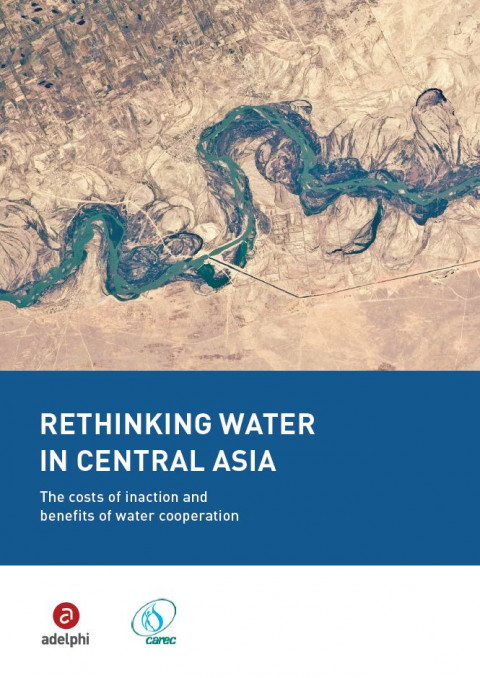 Rethinking Water in Central Asia: The Costs of Inaction and Benefits of Water Cooperation 발행 연도: 2017 저자: Benjamin Pohl | Annika Kramer | William Hull | Sabine Blumstein | Iskandar Abdullaev | Jusipbek Kazbekov | Tais Reznikova | Ekaterina Strikeleva | Eduard Interwies | Stefan Görlitz 단체 저자: adelphi | Central Asia Regional Economic Cooperation (CAREC) A joint study conducted by CAREC and adelphi within the framework of the Switzerland’s Blue Peace Central Asia Initiative is published. The publication demonstrates the cost of inaction and benefits of cooperation in the field of water management between the countries of the region.entral Asia is witnessing intense competition over water resources and their use for irrigation and hydropower generation. Despite general political commitment to cooperation, water policies in Central Asia are largely driven by uncoordinated and partly contradicting national strategies. This limited water cooperation, however, entails significant costs and major risks for the future development of the region.“Rethinking Water in Central Asia” analyses these “costs of inaction” – defined here as the difference between the current, limited cooperation and the benefits that would result from full cooperation. Even if only parts of these costs are taken into account, they amount to more than US$ 4.5 billion per year for the whole region and are significant for each of the five countries studied. Due to deteriorating infrastructure, environmental degradation and demographic and economic pressures, these costs will increase if water management remains as it currently is.By raising awareness of these costs of inaction, and by setting out a variety of pathways towards eliminating them in the future, the present report seeks to encourage and support Central Asian policy-makers in strengthening regional water cooperation and improved water governance. The costs of inaction mirror the potential benefits of water cooperation, and their scale hence demonstrates the scale of the benefits and opportunities that better water management and closer cooperation can deliver for Central Asia. Переосмысление водного вопроса в Центральной Азии: Цена бездействия и преимущества водного сотрудничества 발행 연도: 2017 저자: Benjamin Pohl | Annika Kramer | William Hull | Sabine Blumstein | Iskandar Abdullaev | Jusipbek Kazbekov | Tais Reznikova | Ekaterina Strikeleva | Eduard Interwies | Stefan Görlitz 단체 저자: adelphi | Central Asia Regional Economic Cooperation (CAREC) Исследование «Переосмысление водной проблематики в центральноазиатском контексте: ущерб от бездействия и преимущества водного сотрудничества», проведенное РЭЦЦА совместно с немецким консультационным бюро «adelphi» при поддержке Швейцарского агентства по развитию и сотрудничеству.В работе представлен всесторонний анализ так называемой «цены бездействия» – разницы между преимуществами текущего ограниченного сотрудничества в сфере управления водными ресурсами и вероятными преимуществами полноценного всестороннего сотрудничества. С учетом лишь некоторых соответствующих затрат, общий ущерб из-за недостаточного уровня взаимодействия может составить более $4,5 млрд для стран региона. Таким образом, данный отчет ставит своей целью повысить осведомленность о высокой цене бездействия и представить рекомендации для лиц, принимающих решения по расширению регионального сотрудничества по водным вопросам и улучшению системы управления водными ресурсами.Авторы настоящего отчета надеются, что представленный анализ потерь вследствие бездействия и ряда возможных путей их предотвращения послужит полезным источником информации для лиц, принимающих решения в сфере водного сотрудничества в регионе Центральной Азии, а также будет содействовать совершенствованию системы управления водными ресурсами. Потери от бездействия коррелируют с потенциальными выгодами от сотрудничества, масштаб которых отражает объем преимуществ и возможностей в результате повышения качества управления водными ресурсами и более тесного сотрудничества в данной области.
  内蒙古生态文化建设战略研究 발행 연도: 2019 저자: WEI Zhiyong | BAI Zhifeng 단체 저자: China Environment Publishing Group 《内蒙古生态文化建设战略研究》是由魏智勇教授和白志峰主任主持完成的内蒙 古哲学社会科学重点项目的最终研究成果。在认真分析研究国内外生态文化建设文献资料的基础上,深入系统地论证了内蒙古加强生态文化的必要性和重要性,较为全面地分析了内蒙古生态文化建设的现 状,明确了内蒙古生态文化建设的优劣条件、机遇和挑战,提出了内蒙古生态文化建 设的指导思想、目标、原则、重点任务,探索了一些切实可行的保障措施,希望对于 推动内蒙古生态文明和生态文化建设起到重要的理论指导作用。
 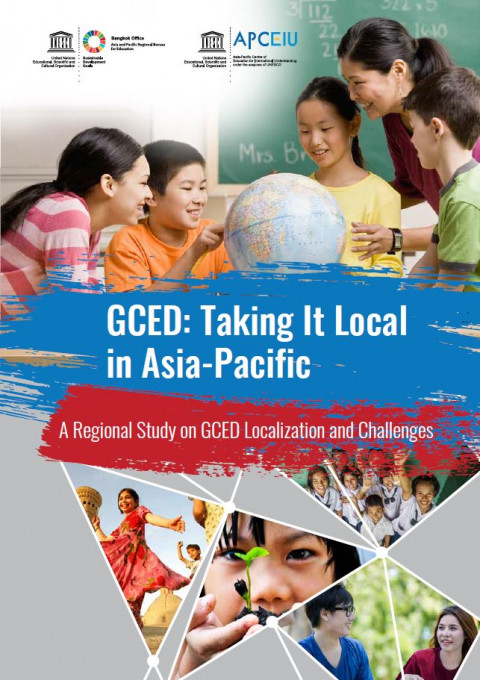 GCED: Taking It Local in Asia-Pacific; A Regional Study on GCED Localization and Challenges 발행 연도: 2019 단체 저자: UNESCO Bangkok Global Citizenship Education (GCED) is often interpreted in theoretical ways, which may make GCED difficult for laypeople to understand from a local perspective. However, notions of GCED are deeply rooted in the cultures of the Asia-Pacific region and are very much related to daily life experiences.In the “Asia-Pacific Regional GCED Network 2018 Jakarta Meeting Final Report”, “Contextualize GCED in Asia-Pacific while keeping in mind the global view” has been identified as one of the actions needed for facilitating GCED implementation. Thus, this study attempts to link the concept of GCED with localized ideologies by showing some examples of the way GCED is understood in different cultural contexts in the Asia and Pacific region.