
자료
세계시민교육에 대한 이해를 넓히고 연구, 옹호 활동, 교수, 학습 등을 향상시킬 수 있는 다양하고 유용한 자료를 찾아보세요.
1,852 건의 결과가 검색되었습니다
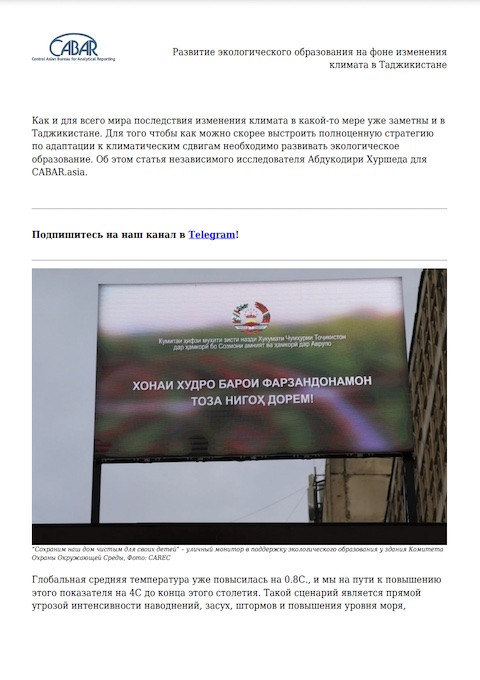 Развитие экологического образования на фоне изменения климата в Таджикистане 발행 연도: 2021 저자: Khurshed Abdukodiri 단체 저자: Central Asian Bureau for Analytical Reporting (CABAR) Как и для всего мира последствия изменения климата в какой-то мере уже заметны и в Таджикистане. Для того чтобы как можно скорее выстроить полноценную стратегию по адаптации к климатическим сдвигам необходимо развивать экологическое образование.
  Domestic Violence in Tajikistan: What Measures Are Needed to Be Taken in Order to Help Victims? 발행 연도: 2021 저자: Shokhsanam Shodiyeva 단체 저자: Central Asian Bureau for Analytical Reporting (CABAR) In this article, the author discusses the current state of affairs in Tajikistan in the field of preventing domestic violence, and the measures taken. In addition, according to the authore, it is necessary to criminalize domestic violence in order to more effectively deal with rapists. Семейное насилие в Таджикистане: Какие меры нужны чтобы помочь жертвам? 발행 연도: 2021 저자: Shokhsanam Shodiyeva 단체 저자: Central Asian Bureau for Analytical Reporting (CABAR) В данном статье автор обсуждает текущее состояние дел в Таджикистане в области предотвращения домашнего насилия, предпринимаемые меры. Кроме того, по мнению автора статьи необходимо криминализировать домашнее насилие, чтобы более эффективно бороться с насильниками.
  지속가능한 미래를 위한 대한민국 환경교육 발행 연도: 2020 단체 저자: 대한민국 환경부 본 자료는 환경부에서 2020 대한민국 환경교육 정책 및 환경교육 종합계획을 소개하고자 하는 목적으로 발행하였다.본 저작물은 대한민국 환경부에서 2020년 작성하여 공공누리 제 4유형으로 개방한 ‘지속가능한 미래를 위한 대한민국 환경교육’ 를 이용하였으며 해당 저작물은 환경교육포털 (www.keep.go.kr)에서 무료로 다운받으실 수 있습니다.
  생애주기 맞춤형 환경교육프로그램 개발방안 연구 최종 보고서 발행 연도: 2020 저자: 장미정 | 김문옥 | 유영초 | 이다현 | 임수정 | 우영미 | 전푸름 단체 저자: 모두를위한환경교육연구소 본 연구보고서의 목적은 생애주기에 따른 대상 맞춤형 환경교육 프로그램 개발방안을 도출하고 환경 학습 사각지대에 있는 수요자 요구 중심의 프로그램을 전략적으로 개발하기 위한 방안을 마련하고자 함이다.본 저작물은 대한민국 환경부에서 2020년 작성하여 공공누리 제 4유형으로 개방한 ‘생애주기 맞춤형 환경교육프로그램 개발방안 연구최종 보고서(장미정 외)’ 를 이용하였으며 해당 저작물은 환경교육포털 (www.keep.go.kr)에서 무료로 다운받으실 수 있습니다.
 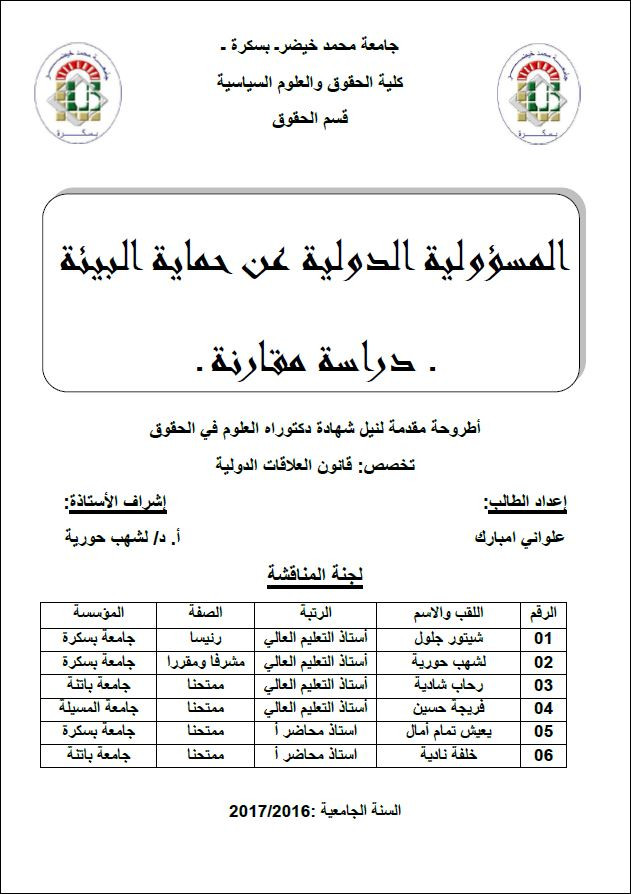 المسؤولية الدولية عن حماية البيئة: دراسة مقارنة 발행 연도: 2017 저자: Alwani Mubarak 단체 저자: University Mohamed Khider Biskra سعت الدراسة للإجابة عن الأسئلة التالية: ما هو الدور الذي قامت به الأمم المتحدة والمنظمات التابعة لها تجاه البيئة؟ هل تأثرت القوانين المحلية الداخلية للدول بالاتفاقيات العالمية والإقليمية التي تناولت موضوع حماية البيئة؟ ما دور المسؤولية المدنية والجزائية في حماية البيئة؟ كيف يمكن تحديد المسؤولية الجزائية للشخص المعنوي وطرق حل النزاعات البيئية الدولية International Responsibility for Environmental Protection: A Comparative Study 발행 연도: 2017 저자: Alwani Mubarak 단체 저자: University Mohamed Khider Biskra The study sought to answer the following questions: What is the role that the United Nations and its affiliated organizations have played towards the environment? Have the countries' internal domestic laws been affected by global and regional agreements? What is the role of civil and criminal liability in protecting the environment? How can the criminal liability of a legal person be determined and methods of resolving disputes?
 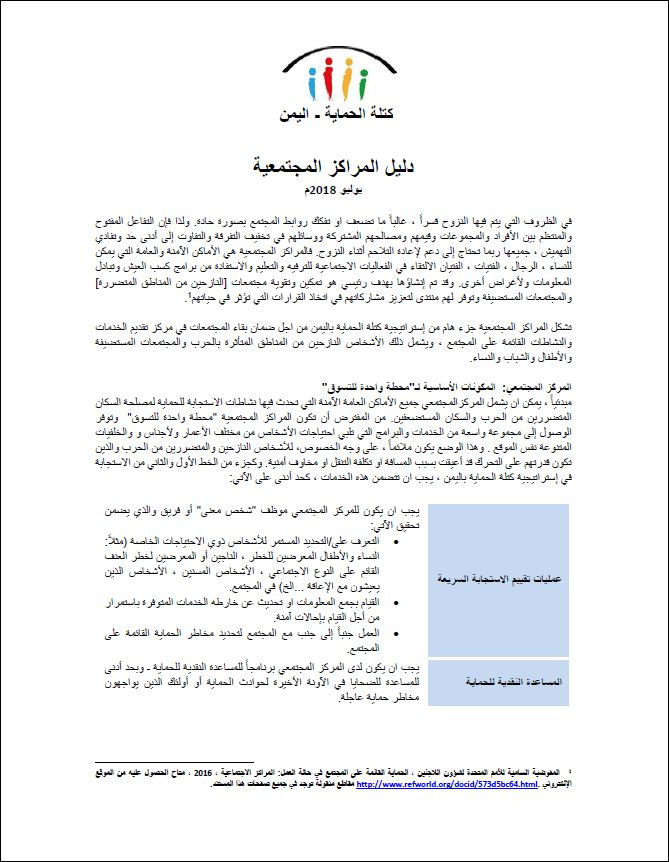 دليل المراكز المجتمعية 발행 연도: 2018 단체 저자: Protection Cluster Yemen تشكل المراكز المجتمعية جزء هام من استراتيجية كتلة الحماية باليمن من اجل ضمان بقاء المجتمعات في مركز تقديم الخدمات والنشاطات القائمة على المجتمع، ويشمل ذلك الأشخاص النازحين من المناطق المتأثرة بالحرب والمجتمعات المستضيفة والأطفال والشباب والنساء. Community Centers Guide 발행 연도: 2018 단체 저자: Protection Cluster Yemen Community centers are an important part of the Protection Cluster strategy in Yemen in order to ensure that communities remain at the center of providing services and community-based activities, including those displaced from war-affected areas and host communities and children, youth and women.
 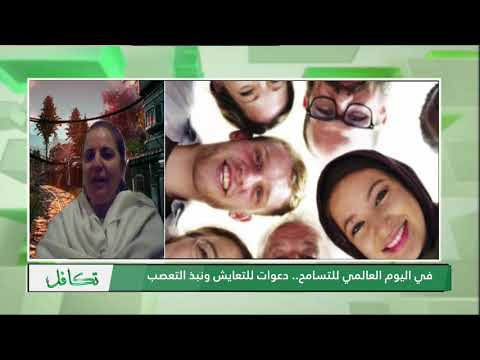 في اليوم العالمي للتسامح.. دعوات للتعايش ونبذ التعصب 발행 연도: 2020 저자: Wijdan Alrubai 단체 저자: Awraas TV في اليوم العالمي للتسامح، تستضيف المذيعة عبر البرنامج التلفزيوني بعض المتخصصين للتحدث عن التسامح ونبذ التعصب في الوطن العربي. من خلال البرنامج يظهر اختلاف مفهوم التسامح بين المتحدثين واثارته كقضية في الوطن العربي.