
자료
세계시민교육에 대한 이해를 넓히고 연구, 옹호 활동, 교수, 학습 등을 향상시킬 수 있는 다양하고 유용한 자료를 찾아보세요.
1,852 건의 결과가 검색되었습니다
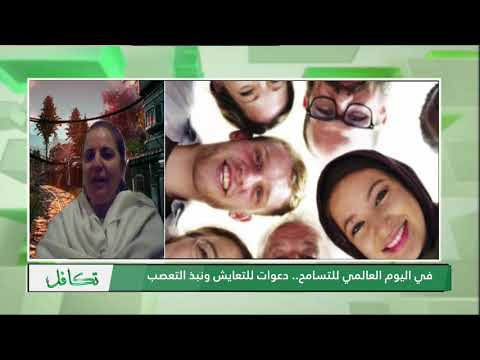 On the International Day for Tolerance: Calls for Coexistence and the Rejection of Intolerance 발행 연도: 2020 저자: Wijdan Alrubai 단체 저자: Awraas TV On the International Day for Tolerance, the broadcaster on the TV program hosts some specialists to speak about tolerance and reject intolerance in the Arab world. Through the program, the difference in the concept of tolerance among the speakers is shown and raised as an issue in the Arab world.
 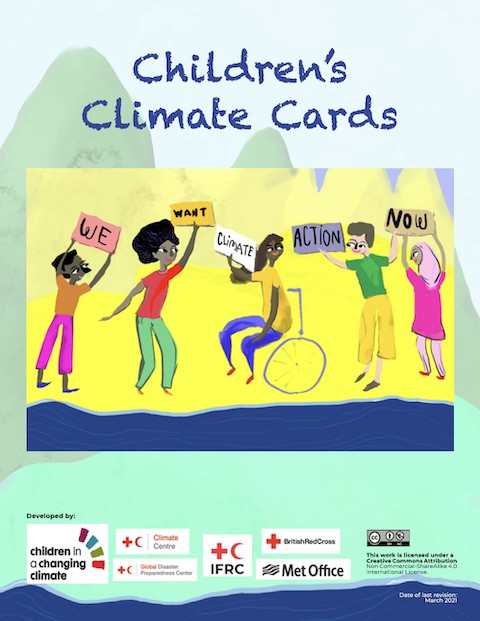 Children's Climate Cards 발행 연도: 2021 단체 저자: Plan International These children’s climate cards provide a series of inspiring and interactive activities to engage children on the climate change agenda and call for climate action.
  Features of Countering Violent Extremism and Terrorism in Kazakhstan 발행 연도: 2019 저자: Anna Gusarova 단체 저자: Central Asian Bureau for Analytical Reporting (CABAR) | Institute for War and Peace Reporting (IWPR) «In Kazakhstan there is no term as “violent extremism” in the conceptual construct, and as a result at the legislative level. Too vague definition of the terms extremism and terrorism significantly complicates the work on prevention and counteraction», – said Anna Gusarova, an expert in international security, director of the Central Asian Institute for Strategic Studies, in her article written specifically for CABAR.asia. Особенности противодействия насильственному экстремизму и терроризму в Казахстане 발행 연도: 2019 저자: Anna Gusarova 단체 저자: Central Asian Bureau for Analytical Reporting (CABAR) | Institute for War and Peace Reporting (IWPR) «В Казахстане отсутствует термин «насильственный экстремизм» в понятийном аппарате и, как следствие, на законодательном уровне. Слишком размытое определение терминов экстремизм и терроризм заметно осложняет работу по предупреждению и противодействию», – отмечает Анна Гусарова, эксперт в области международной безопасности, директор Центральноазиатского института стратегических исследований, в статье написанной специально для CABAR.asia.
  Tandems solidaires: Un dispositif d’éducation à la citoyenneté mondiale au service des territoires; Guide à destination des collectivités territoriales de Bourgogne-Franche-Comté 발행 연도: 2021 단체 저자: Bourgogne-Franche-Comté International Il s'agit d'un guide d'engagement dans le dispositif Tandems Solidaires à destination des collectivités territoriales de Bourgogne-Franche-Comté : la région académique Bourgogne-Franche-Comté, la région Bourgogne-Franche-Comté, le département du Jura, le département de la Territoire de Belfort, la Ville de Belfort, la Ville de Besançon, la Ville de Dijon et la Ville de Nevers.Toutes les collectivités territoriales peuvent mettre en place une politique publique locale d'éducation à la citoyenneté mondiale, afin d'agir à leur échelle en faveur de l'éducation, de l'information et de la sensibilisation des habitants, et plus particulièrement des jeunes générations. Le dispositif « clé en main » des Tandems Solidaires permet aux collectivités de s'engager efficacement dans cette voie, en donnant aux élèves de la maternelle au lycée la possibilité de participer activement à un projet d'éducation à la citoyenneté mondiale dans la région aux côtés d'une association régionale qui travaille dans ce domaine.
  Advantages and Risks of Introducing the “Multilingual and Multicultural Education” Program in Kyrgyzstan 발행 연도: 2019 저자: Kanzada Zayirbekova 단체 저자: Central Asian Bureau for Analytical Reporting (CABAR) | Institute for War and Peace Reporting (IWPR) «Multilingual education makes it possible to simultaneously master the state and official languages, along with one of the foreign ones. It also creates social cohesion, enhances the culture of interethnic communication, and all this in total strengthens interethnic relations,» notes Kanzada Zayirbekova, a participant of the CABAR.asia School of Analytics, in her article. Преимущества и риски внедрения программы «Многоязычного и поликультурного образования» в Кыргызстане 발행 연도: 2019 저자: Kanzada Zayirbekova 단체 저자: Central Asian Bureau for Analytical Reporting (CABAR) | Institute for War and Peace Reporting (IWPR) «Многоязычное образование дает возможность одновременно овладеть государственным, официальным и одним из иностранным языком. Также создает сплоченность в обществе и повышение культуры межнационального общения и все это укрепляет межнациональные отношения», – отмечает участница Школы аналитики CABAR.asia Канзада Зайырбекова в своей статье.
 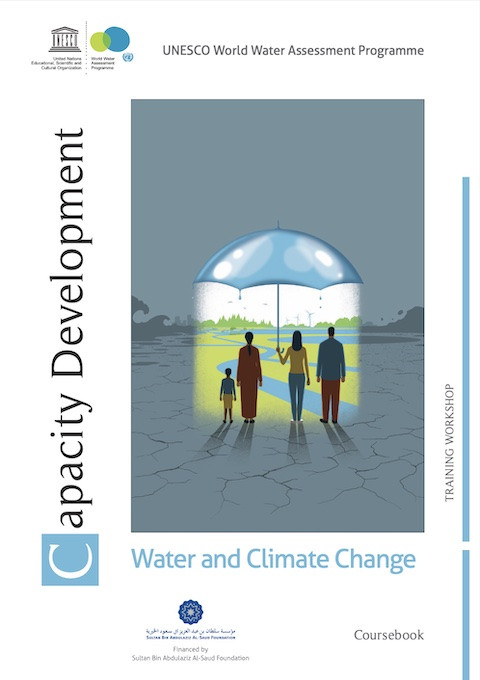 الميا ه وتغير المناخ كتاب التدريب 발행 연도: 2020 단체 저자: UNESCO World Water Assessment Programme (WWAP) تقرير الأمم المتحدة العالمي عن تنمية الموارد المائية هو التقرير الرئيسي الذي تصدره آلية الأمم المتحدة للمياه بشأن قضايا المياه والصرف الصحي، وهو يركز في كل عام على موضوع مختلف. وتتولى اليونسكو نشر التقرير، باسم الآلية، ويضطلع برنامج اليونسكو العالمي لتقييم الموارد المائية بتنسيق عملية إعداده وإصداره. ويوفر التقرير رؤية متعمقة بشأن الاتجاهات الرئيسية المتعلقة بحالة المياه العذبة وخدمات الصرف الصحي واستخدامها وإدارتها، بالاستناد إلى العمل الذي يقوم به أعضاء آلية الأمم المتحدة للمياه وشركاؤها. والتقرير، الذي يصدر بالاقتران مع اليوم العالمي للمياه، يزود صانعي القرار بالمعارف والأدوات اللازمة لصياغة وتنفيذ سياسات مستدامة بشأن المياه. وهو يطرح كذلك أفضل الممارسات والتحليلات المتعمقة حفزًا للأفكار والإجراءات من أجل الارتقاء بالإدارة في قطاع المياه وغيره من القطاعات.وتبين طبعة عام 2020 من التقرير العالمي عن تنمية الموارد المائية، التي تحمل عنوان ‘‘المياه وتغير المناخ’’، الروابط البالغة الأهمية التي تربط بين المياه وتغير المناخ في سياق برنامج التنمية المستدامة الأع ّم. ويقدم التقرير، الذي تدعمه أمثلة من جميع أنحاء العالم، وصفًا لكل من التحديات التي يفرضها تغير المناخ والفرص التي يتيحها، ويعرض إجراءات يمكن اتخاذها على صعيد الاستجابة - من حيث التكيف والتخفيف وتحسين القدرة على الصمود - من خلال تعزيز إدارة الموارد المائية، وتخفيف المخاطر المتعلقة بالمياه، وتحسين سبل حصول الجميع على إمدادات المياه وخدمات الصرف الصحي بطريقة مستدامة. وهو يتناول العلاقات المتداخلة بين المياه والناس والبيئة والاقتصاد في ظل مناخ متغير، ويوضح الكيفية التي يمكن بها لتغير المناخ أن يكون حافزًا إيجابيًا على تحسين إدارة المياه وحوكمتها وتمويلها من أجل إيجاد عالم مستدام ومزدهر للجميع.ويقدم التقرير مساهمة لقاعدة المعارف المتعلقة بتغير المناخ تركز على المياه وتستند إلى الحقائق. وهو مك ِمل للتقييمات العلمية القائمة ومص َّمم لدعم الأطر السياسية الدولية، بهدف مساعدة الأوساط المعنية بالمياه على التصدي للتحديات التي يطرحها تغير المناخ، وإطلاع الأوساط المعنية بتغير المناخ على الفرص التي يوفرها تحسين إدارة المياه من حيث التكيف مع تغير المناخ والتخفيف من آثاره. Water and Climate Change: Coursebook 발행 연도: 2020 단체 저자: UNESCO World Water Assessment Programme (WWAP) The United Nations World Water Development Report (WWDR) is UN-Water’s flagship report on water and sanitation issues, focusing on a different theme each year. The report is published by UNESCO, on behalf of UN-Water and its production is coordinated by the UNESCO World Water Assessment Programme. The report gives insight on main trends concerning the state, use and management of freshwater and sanitation, based on work done by the Members and Partners of UN-Water. Launched in conjunction with World Water Day, the report provides decision-makers with knowledge and tools to formulate and implement sustainable water policies. It also offers best practices and in-depth analyses to stimulate ideas and actions for better stewardship in the water sector and beyond.The 2020 edition of the WWDR, titled ‘Water and Climate Change’ illustrates the critical linkages between water and climate change in the context of the broader sustainable development agenda. Supported by examples from across the world, it describes both the challenges and opportunities created by climate change, and provides potential responses – in terms of adaptation, mitigation and improved resilience – that can be undertaken by enhancing water resources management, attenuating water-related risks, and improving access to water supply and sanitation services for all in a sustainable manner. It addresses the interrelations between water, people, environment and economics in a changing climate, demonstrating how climate change can be a positive catalyst for improved water management, governance and financing to achieve a sustainable and prosperous world for all.The report provides a fact-based, water-focused contribution to the knowledge base on climate change. It is complementary to existing scientific assessments and designed to support international political frameworks, with the goals of helping the water community tackle the challenges of climate change, and informing the climate change community about the opportunities that improved water management offers in terms of adaptation and mitigation.
 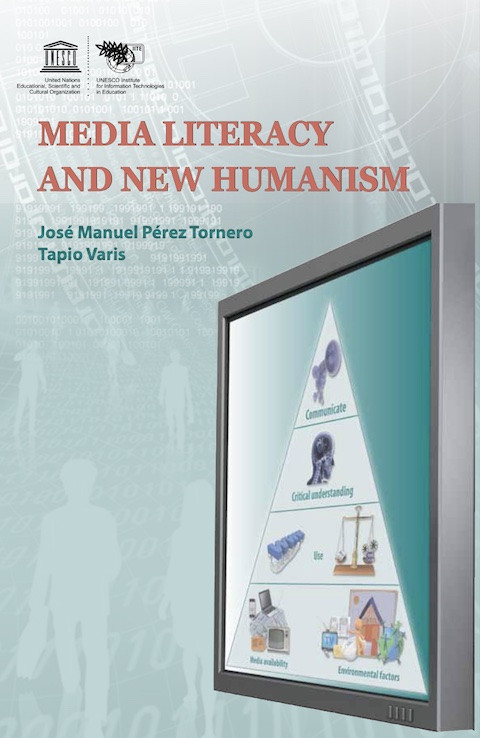 Media Literacy and New Humanism 발행 연도: 2010 저자: José Manuel Pérez Tornero | Tapio Varis 단체 저자: UNESCO Institute for Information Technologies in Education (IITE) The authors consider the opportunities that media literacy opens in the world of global education and communication in the context of new humanism.Being applied to education, the concept of new humanism, a new UNESCO credo, suggests the creation of a more inclusive society in which all humans have a chance to access knowledge and quality education and every word being heard in the universal dialogue. In the authors’ opinion, the new humanism in the global society must prioritize a new sense of respect for multiplicity and cultural diversity and must support media development with the goal of consolidating the new culture of peace.The book is aimed at educators, researchers, policy-makers, the media and civil society.