
자료
세계시민교육에 대한 이해를 넓히고 연구, 옹호 활동, 교수, 학습 등을 향상시킬 수 있는 다양하고 유용한 자료를 찾아보세요.
2,781 건의 결과가 검색되었습니다
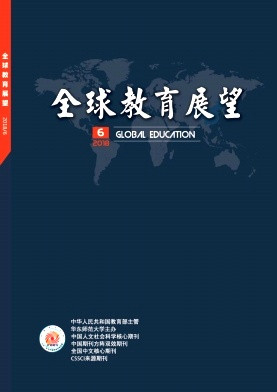 World Development Report 2018 and Its Policy Implications for Education Development in China 발행 연도: 2018 저자: Liu Ji 2018 comprehensively describes a crisis that is looming worldwide: Schooling does not equalize learning. Drawing on key insights from the report, this study provides a high—level summary and relates the findings to common and critical issues that China is today. Specifically, this study highlights five important policy implications for education development in China: Education quality monitoring, adaptive policies, evidence-based decision, expanding human capital investments, and building stronger ties with international organizations. 如何应对全球学习危机——世界银行((2018世界发展报告》述评 발행 연도: 2018 저자: Liu Ji 作为世界银行最重要的旗舰报告,《世界发展报告》四十年来首次以教育为题,深入探讨如何应对全球学习危机、提高教育质量、优化人力资本结构、应对人类发展重要难题。从政策理念上看,世行教育策略的革新代表着世行在人力资本政策上较大的方向性改变:由关注教育投入转向教育产出和学习结果。同时,《2018世界发展报告》总结了适用于各教育阶段的大量实证研究和国际成功政策经验,对全球教育政策具有风向标的重要意义、对我国发展新时期的教育与人才策略有积极启示。本文通过对报告结论详细梳理,结合我国国情提出五点政策建议。
 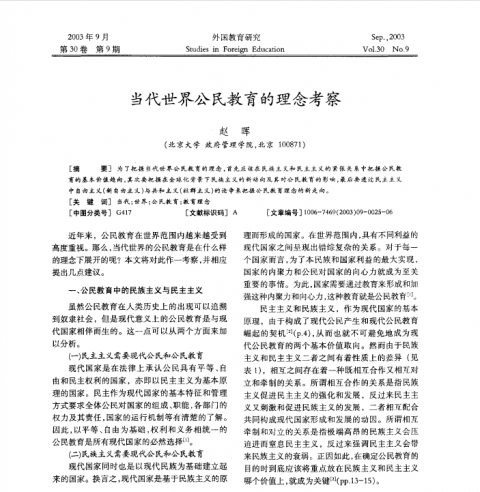 An Examination of the Ideas of Contemporary World Citizenship Education 발행 연도: 2003 저자: Zhao Hui In order to grasp the ideas of contemporary world citizenship education, first of all, fundamental value orientation of citizenship education must be grasped in the tensions between nationalism and democracy; Secondly, new trend of nationalism and its influences on citizenship education under the background of globalization must be understood; and thirdly the new trends of the ideas of citizenship education must be put forward and understood in the disputes between liberalism(or neoliberalism) and republicanism(or communitarianism).
 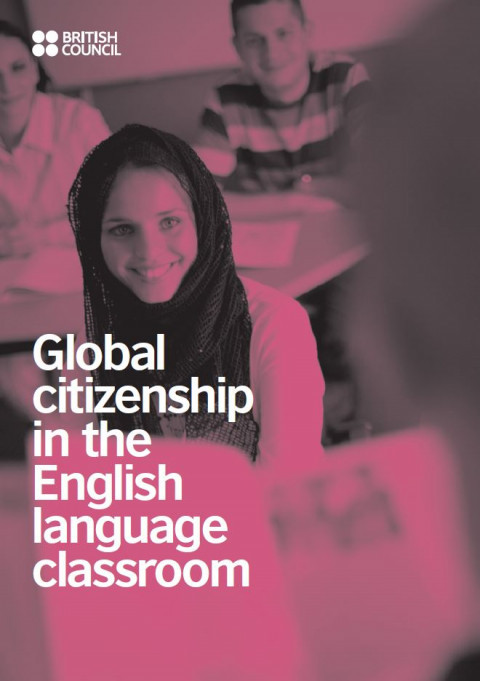 Global Citizenship in the English Language Classroom 발행 연도: 2008 저자: Susan Hillyard | Elena Tarasheva | Clarissa Jordão | Francisco Fogaça | Esperanza Revelo Jiménez | Sabiha Khuram | Telma Gimenez | Vanessa Andeotti 단체 저자: British Council This booklet contains a collection of papers on global citizenship in language education around the world. It provides theoretical frameworks and practical applications in different contexts.Following on from Audrey Osler and Hugh Starkey’s 'Citizenship and Language Learning: international perspectives', published in 2005, this collection aims at offering ideas and practical suggestions on how teachers around the world have tackled the teaching of English within a citizenship education perspective. There are seven chapters, from authors working in different parts of the world, such as Argentina, Bulgaria, Brazil, Colombia, and Pakistan.There are five report style chapters that deal with courses, teaching materials, research and curriculum innovation. The two remaining contributions can be seen as proposals for implementation of a global citizenship perspective in English language classrooms.The diverse interpretations teachers of English around the world have been giving to the task of promoting global citizenship in their classrooms are reflected in this collection with understandings that range from a more prescriptive approach to a transformational one. They bring the potential for new approaches to be tried out in different contexts. The aim is to inspire teachers to experiment and evaluate the results.
 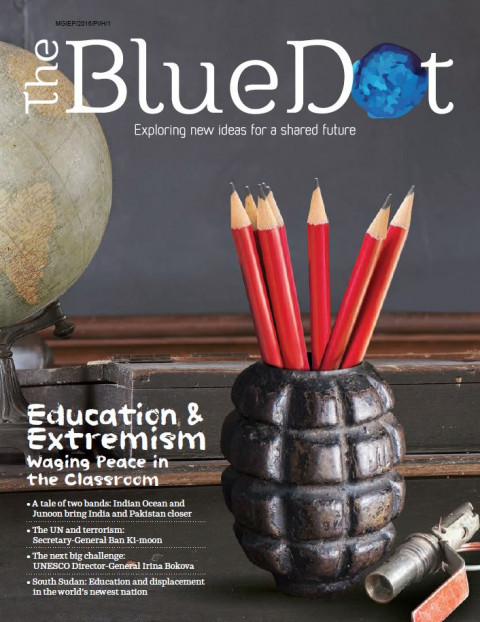 Education & Extremism: Waging Peace in the Classroom (The Blue Dot Issue 4, 2016) 발행 연도: 2016 단체 저자: Mahatma Gandhi Institute of Education for Peace and Sustainable Development (MGIEP) In this fourth issue of The Blue Dot, we have decided to focus on education as a tool for both preventing violent extremism and—sometimes—even propagating extremist ideologies. This issue reflects UNESCO MGIEP’s commitment to advancing the fundamental role of education as a means to changing mindsets and, ultimately, bringing about more peaceful societies.From an interview with award-winning social entrepreneur Prof. Sugata Mitra on the role of technology in revolutionizing education, to a foreword by Secretary-General Ban Ki-moon on the UN’s response to violent extremism, our contributors come from a host of different countries and backgrounds. What brings them together, however, is a call for changing current education systems. This is espoused even more clearly in a piece by Prof. K.P. Mohanan, who uses inquiry-driven approaches to prompt youth to question blind faith in any form of ideology or indoctrination.In this issue we also discuss UNESCO MGIEP’s activities in raising awareness of the strong link between education and radicalization and violent extremism, including our flagship Talking Across Generations (TAG) event which brought together policymakers and young people in an open discussion in Delhi this February. The outcome was a statement calling for greater inclusiveness and more space for young people to shape the policies that ultimately affect them.Just like our events, The Blue Dot is a platform for individuals from different backgrounds and walks of life who might have divergent ideologies, beliefs, and values, all of which may have prevented them from coming together to debate some of the most pressing issues of our time—including the global concern surrounding the rise in violent extremism. When individuals feel free to discuss, share ideas and question their beliefs, they can begin to think creatively and critically about the world and their surrounding environment. The challenge is to avoid lecturing or preaching to young people, but to provide youth with a safe space to discuss contentious issues in an open, inclusive and transparent manner.An open dialogue on violent extremism is a step towards providing young people with opportunities to ask questions and to reflect on their own beliefs, assumptions, and values, including animosities, prejudices, hatred and intolerance. At UNESCO MGIEP we believe that individuals who feel connected to others across political, religious or cultural divides also share a sense of responsibility for the world in which they live.
 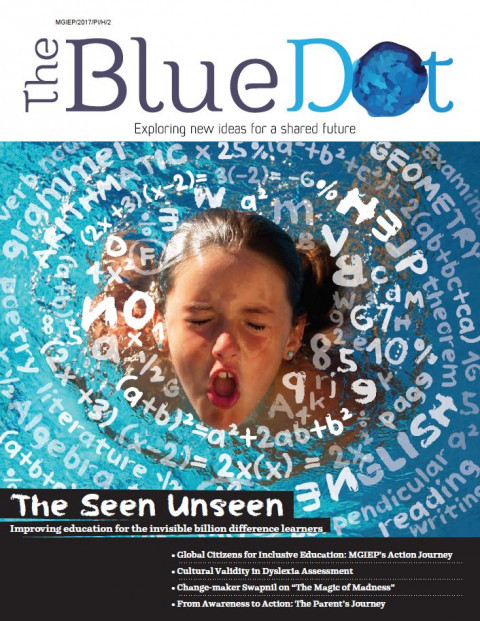 The Seen Unseen: Improving Education for the Invisible Billion Difference Learners (The Blue Dot Issue 5, 2017) 발행 연도: 2017 단체 저자: Mahatma Gandhi Institute of Education for Peace and Sustainable Development (MGIEP) MGIEP believes that addressing the needs of children with difference learning offers a unique opportunity to build the competency of understanding, respect and appreciation between the children and the rest of their peers in school.It provides the Institute favorable conditions to put in practice how inclusive education is a necessary condition for building peaceful and sustainable societies. Many of the Information Technology pedagogical tools developed by the Institute lend themselves to children with difference learning.Transforming the education system in such a manner will allow mainstream schools to provide a learning platform that breaks down barriers across learning types and provide the equitable access to education that is a fundamental Sustainable Development Goal.We are, in this issue of The Blue Dot, privileged to read from some of the world’s best experts on the subject describing the challenges at hand and suggesting ways and means of addressing the lacuna present in curricula and policy. As always, we dedicate a special section to reflecting the voices of young people in our discussion. I am especially honoured and delighted to present a foreword from a young entrepreneur who has not allowed his neurobiological dyslexic condition to prevent him from pursuing his dreams to help others.
 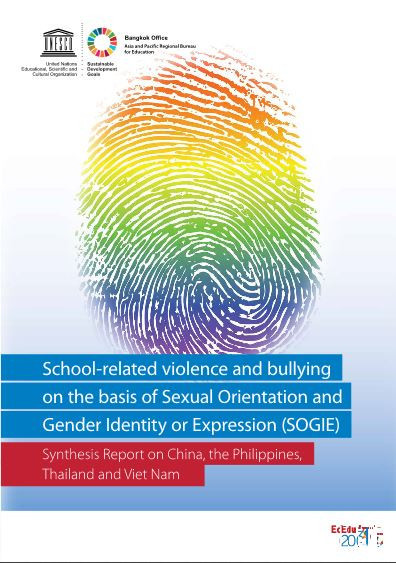 School-related violence and bullying on the basis of Sexual Orientation and Gender Identity or Expression (SOGIE) - Synthesis Report on China, the Philippines, Thailand and VietNam 발행 연도: 2018 단체 저자: UNESCO Bangkok School related violence and bullying is a problem in all countries. UNESCO is committed to ensuring that all children and young people have access to safe, inclusive, health-promoting learning environments as part of its strategy on education for health and well-being. This synthesis report on school related violence and bullying on the basis of Sexual Orientation and Gender Identity or Expression (SOGIE), covering China, the Philippines, Thailand and Viet Nam, was developed to broaden awareness and understanding about this issue, while also identifying best practices and policies. It also aims to mobilize support for advocacy among educators, research institutions, policy makers and activists at the national and regional levels.
 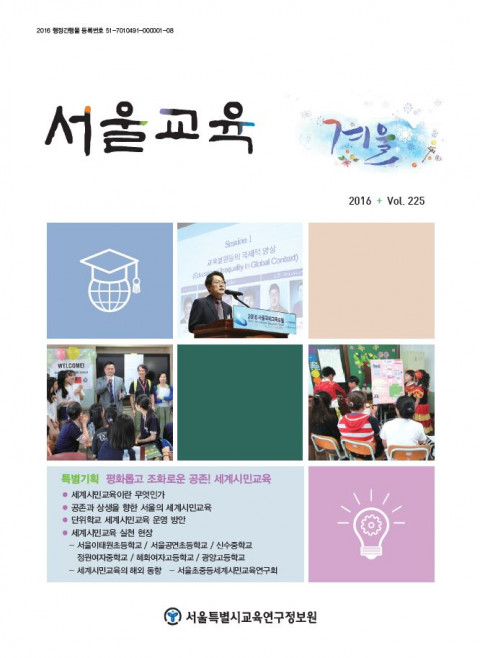 서울교육 2016년 겨울호 (제58권 통권 225호) 발행 연도: 2016 단체 저자: 서울특별시교육청 교육연구정보원 권두칼럼:혁신미래교육으로서의 세계시민교육특별기획: 평화롭고 조화로운 공존! 세계시민교육세계시민교육이란 무엇인가공존과 상생을 향한 서울의 세계시민교육단위학교 세계시민교육 운영 방안세계시민교육 실천 현장 해외교육:세계시민교육의 해외 동향 출처 URL:http://www.serii.re.kr/photo/viw.do?method=getView&mcode=S029a&seq=921
 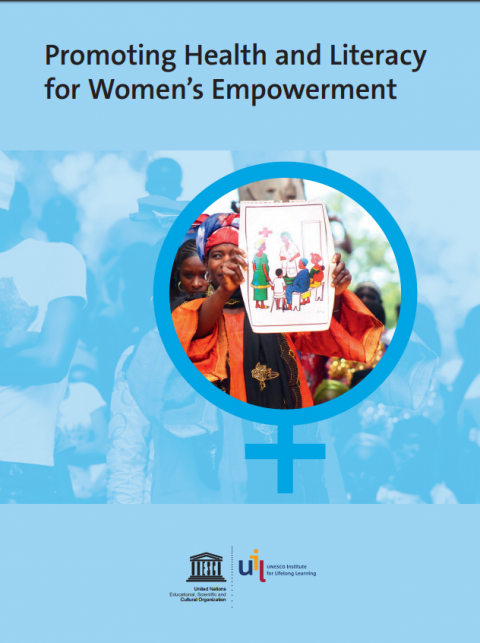 Promoting health and literacy for women's empowerment 발행 연도: 2016 저자: Anna Robinson-Pant This publication is the third in a series of research studies focused on literacy and women’s empowerment. Its aim is to contribute to the development of crosssectoral approaches to the provision of adult literacy, education and training, traversing policy on education, family, integration, citizenship, health, social welfare and public finance. This paper uses a number of specific examples to show how literacy programmes for young people and adults, with a particular focus on young and adult women, can contribute to the achievement of the Sustainable Development Goals. Autonomiser les femmes par la promotion de la santé et de l'alphabétisme 발행 연도: 2016 저자: Anna Robinson-Pant This publication is the third in a series of research studies focused on literacy and women’s empowerment. Its aim is to contribute to the development of crosssectoral approaches to the provision of adult literacy, education and training, traversing policy on education, family, integration, citizenship, health, social welfare and public finance. This paper uses a number of specific examples to show how literacy programmes for young people and adults, with a particular focus on young and adult women, can contribute to the achievement of the Sustainable Development Goals.