
자료
세계시민교육에 대한 이해를 넓히고 연구, 옹호 활동, 교수, 학습 등을 향상시킬 수 있는 다양하고 유용한 자료를 찾아보세요.
2,781 건의 결과가 검색되었습니다
 Indigenous Peoples Glossary 발행 연도: 2018 단체 저자: International Fund for Agricultural Development (IFAD) The purpose of this glossary is to ensure consistency and accuracy of terminology in English, French and Spanish, and standardize the terminology used in relation to indigenous peoples in official documentation and publications, and in all aspects of meeting preparations. It is intended for use by IFAD staff, indigenous peoples' organizations and other interested parties. Terms and definitions are accompanied by details of the source document and its date of publication.
  The Teaching of Regional and Minority Languages in Schools in Europe: Eurydice Report 발행 연도: 2019 단체 저자: European Commission This Eurydice report provides a short overview of policy efforts made across Europe in support of the teaching of regional or minority languages in schools. It firstly presents the reference made to regional or minority languages by top-level education authorities in official documents. It then illustrates some of the policies and measures related to the teaching of regional or minority languages that are in place in the different European education systems. This is followed by an overview of some of the EU-funded projects and initiatives aiming to support the teaching of regional or minority languages in schools in Europe. Glosario sobre los pueblos indígenas 발행 연도: 2018 단체 저자: International Fund for Agricultural Development (IFAD) La finalidad de este glosario es asegurar la coherencia y la exactitud de la terminología en español, francés e inglés, así como normalizar la terminología en materia de pueblos indígenas que se emplea en la documentación y las publicaciones oficiales, y en todos los aspectos relativos a la preparación de reuniones. Sus destinatarios son el personal del FIDA, las organizaciones de pueblos indígenas y otras partes interesadas. Los términos y las definiciones van acompañados de información sobre el documento de origen y su fecha de publicación. Glossaire sur les peuples autochtones 발행 연도: 2018 단체 저자: International Fund for Agricultural Development (IFAD) Le but de ce glossaire est de garantir la cohérence et la précision de la terminologie relative aux peuples autochtones, et ce en anglais, en espagnol et en français, et d’uniformiser cette terminologie dans les documents officiels ainsi que dans tout ce qui a trait à l’organisation de réunions. Il a été établi à l’intention du personnel du FIDA, des organisations des peuples autochtones et d’autres parties concernées. À côté de chaque terme, on trouvera le document source et sa date de publication. L’enseignement des à l’école en Europe langues régionales ou minoritaires: Rapport Eurydice 발행 연도: 2019 단체 저자: European Commission Ce rapport d’Eurydice offre un bref aperçu des efforts politiques déployés dans toute l’Europe pour soutenir l’enseignement des langues régionales ou minoritaires à l’école. Il présente tout d’abord les références aux langues régionales ou minoritaires figurant dans les documents officiels émanant des plus hautes autorités responsables de l’éducation. Sont ensuite illustrées certaines des stratégies et mesures liées à l’enseignement de langues régionales ou minoritaires qui sont déployées dans les différents systèmes éducatifs européens. Enfin, le rapport donne un aperçu de certains projets et initiatives financés par l’Union européenne afin de soutenir l’enseignement des langues régionales ou minoritaires à l’école en Europe.
 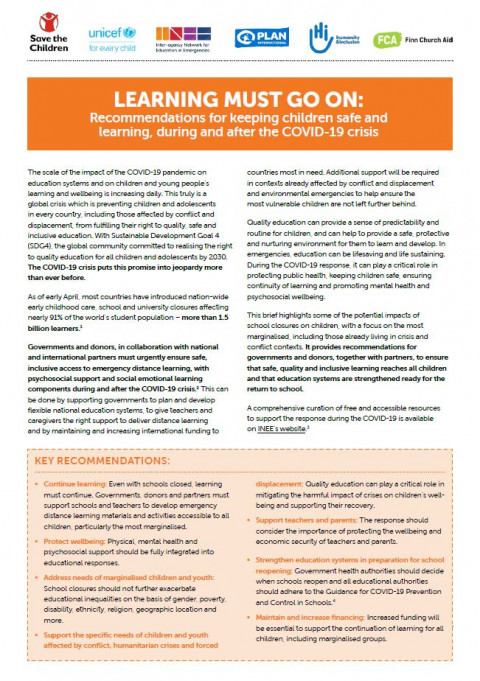 Learning Must Go On: Recommendations for Keeping Children Safe and Learning, During and After the COVID-19 Crisis 발행 연도: 2020 단체 저자: Save the Children | United Nations Children's Fund (UNICEF) | The Inter-agency Network for Education in Emergencies (INEE) This brief highlights some of the potential impacts of school closures on children, with a focus on the most marginalised, including those already living in crisis and conflict contexts. It provides recommendations for governments and donors, together with partners, to ensure that safe, quality and inclusive learning reaches all children and that education systems are strengthened ready for the return to school.A comprehensive curation of free and accessible resources to support the response during the COVID-19 is available on INEE’s website.
 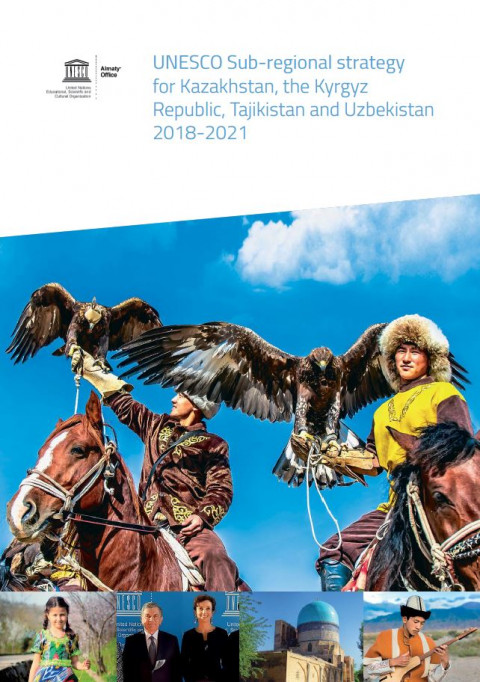 UNESCO Sub-regional Strategy for Kazakhstan, the Kyrgyz Republic, Tajikistan and Uzbekistan 2018-2021 발행 연도: 2019 단체 저자: UNESCO Almaty This document represents the strategic framework for UNESCO’s interaction with the governments and civil societies of Kazakhstan, the Kyrgyz Republic, Tajikistan and Uzbekistan, with other UN agencies and development partners aimed at responding most effectively to the development needs, priorities and aspirations of countries. Субрегиональная стратегия ЮНЕСКО для Казахстана, Кыргызской Республики, Таджикистана и Узбекистана на 2018-2021 гг. 발행 연도: 2019 단체 저자: UNESCO Almaty Настоящий документ представляет собой стратегические рамки взаимодействия ЮНЕСКО с правительствами и гражданским обществом Казахстана, Кыргызской Республики, Таджикистана и Узбекистана, с другими учреждениями ООН и партнерами в области развития, направленного на наиболее эффективное реагирование на потребности, приоритеты и устремления стран в области развития.
 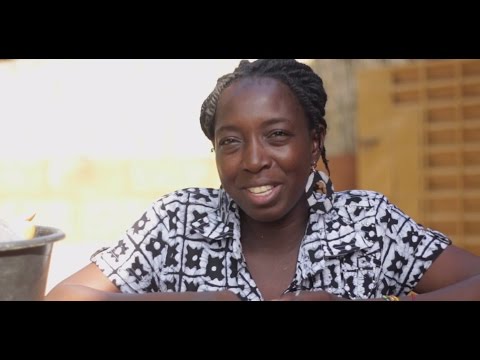 L'émancipation des femmes 발행 연도: 2015 단체 저자: Îles de Paix Iles de Paix mène au Bénin un programme dédié aux femmes. Il concerne le développement de leurs activités rémunératrices, mais aussi des formations en gestion, au crédit, à l’épargne et des sensibilisations pour une amélioration de leur position dans la société. Ce programme ambitieux, qui concernera directement, sur trois ans, plus de 600 femmes, engendre de profonds bouleversements et, pour bien de ses bénéficiaires, des changements majeurs dans leur vie quotidienne. En témoigne cette femme, qui y a participé. « Au début, quand je voulais suivre une formation pour mener une activité, mon mari me battait pour m’en empêcher. Il me disait que ma place était à la maison.Mais aujourd’hui, il constate que, grâce à cette formation et aux choses que j’ai apprises, je gagne beaucoup mieux ma vie. Alors, il m’encourage à continuer et… il me supplie de lui donner de l’argent ! »Il reste à souhaiter que tous ses gains ne finissent pas dans l’escarcelle de son mari et qu’ils servent avant tout à répondre à ses besoins personnels et à ceux de ses enfants.
  Intercultural Multilingual Education in Latin America: Mexico, Guatemala, Colombia, Brazil, Ecuador, Peru, Bolivia and Paraguay, and Norway 발행 연도: 2011 단체 저자: Internacional de la Educación para Latinoamerica This document deals with Intercultural Bilingual Education (IBE), its current status and the concepts and processes driving it today – and in a certain way the conflicts encompassing it. It contains information on Mexico, Guatemala, Colombia, Brazil, Ecuador, Peru, Bolivia and Paraguay, and includes some data and comments on Norway. Certainly all Latin America is involved in the topic, one way or another, but for now this is the geographical scope of the paper. It seeks to give an overview of the whole and profile a few specific aspects by country.