
자료
세계시민교육에 대한 이해를 넓히고 연구, 옹호 활동, 교수, 학습 등을 향상시킬 수 있는 다양하고 유용한 자료를 찾아보세요.
3,396 건의 결과가 검색되었습니다
 Global education in Lithuania: challenges and opportunities 발행 연도: 2014 저자: Indrė Augutienė | Zina Baltrėnienė 단체 저자: Lithuanian Development Education and Cooperation Network of Non-governmental Institutions (Association LITDEA) | Lithuanian National Non-Governmental Development Cooperation Organisations‘ Platform (NGDO Platform) The publication has been produced implementing the project ‘‘Quality Partnership for Development-EU Presidency project for the Lithuanian EU Presidency, 2013“ (no. DCINSA ED/2013/319-124). Today we live in a constantly changing world which is bound by the spirit of relations between people, countries and cultures and which presents various challenges and opportunities. Every day we have to solve numerous economic, social and environmental issues connecting us with other countries, their cultures and citizens and providing an opportunity for all of us to become part of a global society.In order to accept the opportunities provided by the globalisation processes and cope with the emerging challenges it is necessary to create the conditions for people to acquire the knowledge on global realities, emerging global development problems and to relate them with their own life. It is also important to provide the opportunities for people to acquire the skills and enhance own values facilitating active global citizenship and responsibility. Global problems increasingly impact on the lives of everybody throughout the world, therefore we must realise that we are part of the world with the still prevailing poverty, social inequality, climate change and global warming problems. In the current society it is especially important to ensure that different forms of education enhance people‘s understanding about the above challenges and their impact on personal, communal, national and global development.Global Education is directed toward formation and development of people‘s skills, knowledge and values facilitating understanding and response to the challenges of the 21st century. So far the concept of Global Education was not validated in any national documents. Today non-governmental organisations are actively discussing this issue with the academic society and with the Ministries of Foreign Affairs/and Education and Science representing the state in the above area. Besides, Lithuania has not developed a uniform Global Education strategy yet, but the dimension of Global Education is included in several specific national policy documents. In view of this, this article reviews the prerequisites for integration of global education set forth in the main legal acts defining Lithuania‘s sustainable development, development cooperation and education. This document provides a review of the Global Education concept, prerequisites for its implementation and description of the current situation in Lithuania. It also includes the proposals for a successful development of Global Education activities in our country. Éducation globalein Lithuania: challenges and opportunities 발행 연도: 2014 저자: Indrė Augutienė | Zina Baltrėnienė 단체 저자: Lithuanian Development Education and Cooperation Network of Non-governmental Institutions (Association LITDEA) | Lithuanian National Non-Governmental Development Cooperation Organisations‘ Platform (NGDO Platform) La publication a été réalisée la mise en œuvre du projet « Partenariat Qualité pour le projet de développement de l'UE Présidence de la présidence lituanienne de l'UE, 2013 »(no. DCINSA ED / 2013 / 319-124). Aujourd'hui, nous vivons dans un monde en constante évolution qui est lié par l'esprit des relations entre les peuples, les pays et les cultures, et qui présente divers défis et opportunités. Chaque jour, nous devons résoudre de nombreux problèmes économiques, sociaux et environnementaux qui nous relie avec d'autres pays, leurs cultures et leurs citoyens et de fournir une occasion pour nous tous de faire partie d'une société mondiale. Pour acept les possibilités offertes par les processus de mondialisation et faire face aux nouveaux défis, il est nécessaire de créer les conditions pour les gens à acquérir les connaissances sur les réalités mondiales, les problèmes de développement mondiaux émergents et à les relier à leur propre vie. Il est également important de fournir les possibilités pour les personnes à acquérir les compétences et de renforcer les valeurs propres à faciliter la citoyenneté mondiale active et la responsabilité. Les problèmes mondiaux de plus en plus d'impact sur la vie de tout le monde à travers le monde, nous devons donc réaliser que nous faisons partie du monde avec la pauvreté qui prévaut encore, les inégalités sociales, le changement climatique et les problèmes de réchauffement planétaire. Dans la société actuelle, il est particulièrement important de veiller à ce que les différentes formes d'éducation d'améliorer la compréhension des gens sur les défis ci-dessus et de leur impact sur le développement personnel, communautaire, national et mondial. Éducation globaleis dirigée vers la formation et le développement des compétences, les connaissances des personnes et des valeurs qui facilitent la compréhension et la réponse aux défis du 21e siècle. Jusqu'à présent, le concept de l'éducation globalewas pas validée dans les documents nationaux. Aujourd'hui, les organisations non-gouvernementales discutent activement de cette question avec la société académique et avec les Ministères des Affaires Étrangères / et de l'éducation et de la science représentant l'état dans la zone ci-dessus. Par ailleurs, la Lituanie n'a pas encore mis au point une formation globalestrategy uniforme, mais la dimension de l'éducation globaleis inclus dans plusieurs documents spécifiques de la politique nationale. Compte tenu de cela, cet article examine les conditions préalables à l'intégration de l'éducation globaleset énoncées dans les principaux actes juridiques définissant le développement durable, la coopération au développement et de l'éducation de la Lituanie. Ce document fournit un examen de la globaleconcept Éducation, conditions préalables à sa mise en œuvre et la description de la situation actuelle en Lituanie. Il comprend également les propositions pour un développement réussi d’activités mondiales de l'éducation dans notre pays.
  Отчет об общественном мониторинге законодательства и правоприменительной практики местной полицейской службы в сфере предупреждения и профилактики бытового насилия в РК 발행 연도: 2017 저자: S.V. Korneytchuk | N.S. Gladyr 단체 저자: OSCE. Programme Office in Astana Основной целью настоящего мониторинга является деятельность по оценке и прогнозированию законодательства путем выявления противоречий в законодательстве, устаревших, коррупциогенных и неэффективно реализуемых норм права, а также выработка предложений по совершенствованию законодательства и механизмов его реализации подразделениями местной полицейской службы. Это издание опубликовано при финансовой поддержке Офиса программ ОБСЕ в Астане в рамках проекта «Общественный мониторинг законодательства и правоприменительной практики местной полицейской службы в сфере предупреждения и профилактики бытового насилия в РК».
 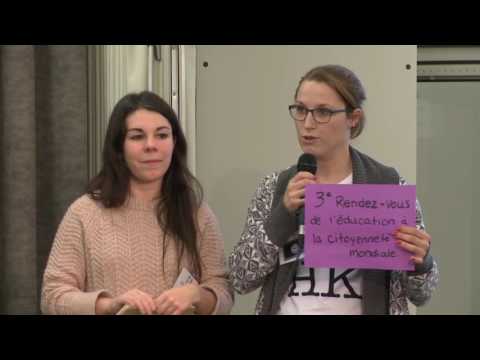 1er rendez-vous de l'éducation à la citoyenneté mondiale: Se donner une vision d'avenir en ÉCM 발행 연도: 2017 단체 저자: Association québécoise des organismes de coopération internationale (AQOCI) Travail en sous-groupes: « Se donner une vision d'avenir en ÉCM »
 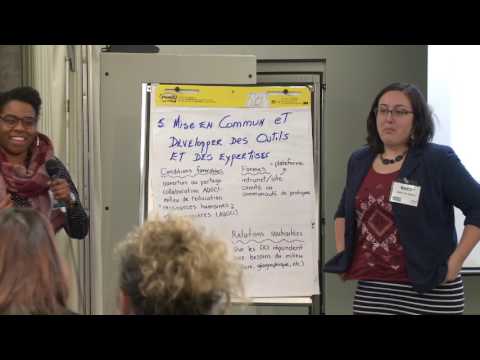 1er rendez-vous de l'éducation à la citoyenneté mondiale: Conditions favorables au changement 발행 연도: 2017 단체 저자: Association québécoise des organismes de coopération internationale (AQOCI) Travail en sous-groupes: «Conditions favorables au changement: de la situation actuelle à la situation souhaitée»
 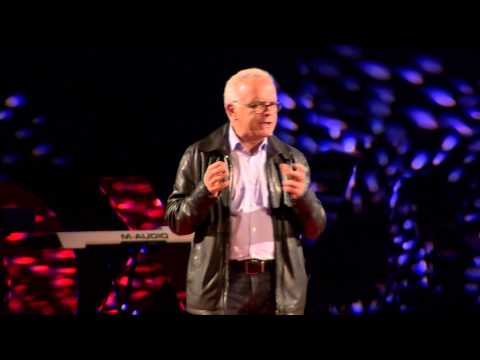 Comment être citoyen du monde? 발행 연도: 2015 저자: Radhi Meddeb 단체 저자: TEDxCarthage | TEDx Talks Le monde a salué la Révolution tunisienne comme étant celle des technologies de l'information et des communications. Cela est vrai en partie, car les jeunes tunisiens ont déjoué la censure, ont relayé les images de la révolte et des protestations. Mais en même temps, l'usage de l'ordinateur et d'Internet reste aujourd'hui très en deçà des normes internationales. Plus encore, il présente des disparités régionales majeures. Des cyberbases dans l'ensemble des régions tunisiennes peuvent donner à chaque tunisien un passeport vers la modernité et la citoyenneté.
 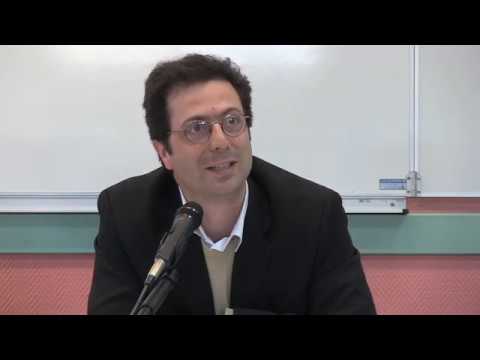 Qu'est ce qu'être citoyen du monde aujourd'hui? 발행 연도: 2017 저자: Louis Lourme 단체 저자: Rendez-vous Philosophiques Orléans-Tours Il y a des questions fondamentales à partir desquelles il devient possible de définir notre époque comme un nouvel âge de la citoyenneté mondiale. Quels sont les changements de l’époque contemporaine? Comment se manifeste cette citoyenneté mondiale? Et que reste-t-il de l’ancien idéal du cosmopolitisme lorsqu’il gagne ce nouveau sens politique?
 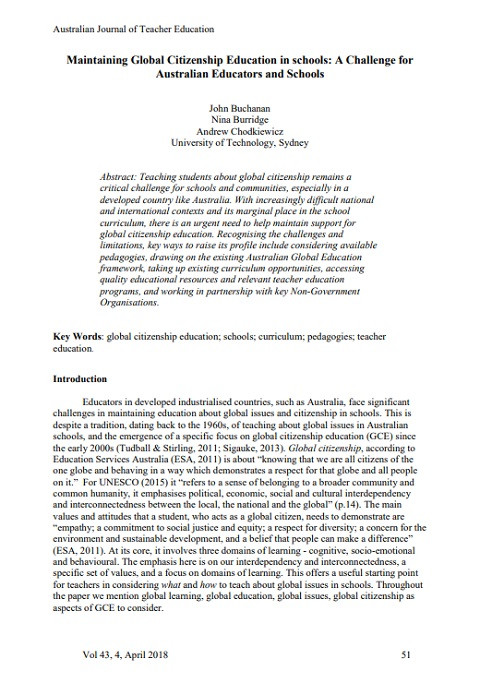 Maintaining Global Citizenship Education in Schools: A Challenge for Australian Educators and Schools (Vol. 43, No. 4) 발행 연도: 2018 저자: John Buchanan | Nina Burridge | Andrew Chodkiewicz 단체 저자: Australian Journal of Teacher Education Teaching students about global citizenship remains a critical challenge for schools and communities, especially in a developed country like Australia. With increasingly difficult national and international contexts and its marginal place in the school curriculum, there is an urgent need to help maintain support for global citizenship education. Recognising the challenges and limitations, key ways to raise its profile include considering available pedagogies, drawing on the existing Australian Global Education framework, taking up existing curriculum opportunities, accessing quality educational resources and relevant teacher education programs, and working in partnership with key Non-Government Organisations.
 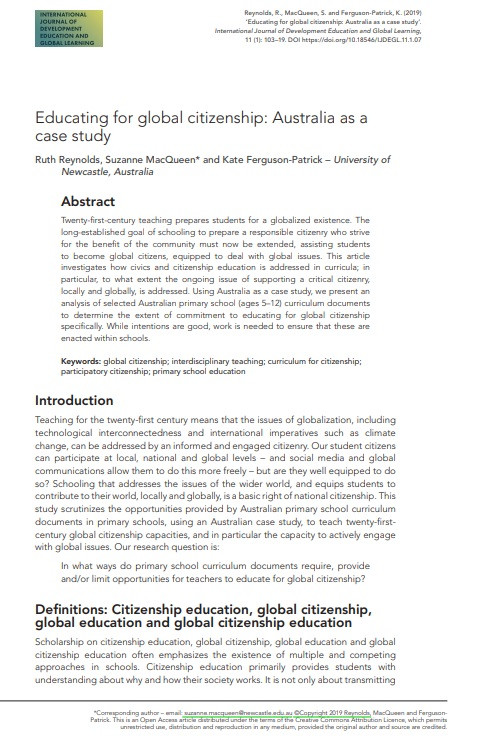 Educating for Global Citizenship: Australia as a Case Study (Vol. 11. No. 1) 발행 연도: 2019 저자: Ruth Reynolds | Suzanne MacQueen | Kate Ferguson-Patrick 단체 저자: UCL Press Twenty-first-century teaching prepares students for a globalized existence. The long-established goal of schooling to prepare a responsible citizenry who strive for the benefit of the community must now be extended, assisting students to become global citizens, equipped to deal with global issues. This article investigates how civics and citizenship education is addressed in curricula; in particular, to what extent the ongoing issue of supporting a critical citizenry, locally and globally, is addressed. Using Australia as a case study, we present an analysis of selected Australian primary school (ages 5–12) curriculum documents to determine the extent of commitment to educating for global citizenship specifically. While intentions are good, work is needed to ensure that these are enacted within schools.
  Refugee Education: The Crossroads of Globalization (Educational Researcher; vol. 45, no. 9) 발행 연도: 2016 저자: Sarah Dryden-Peterson 단체 저자: Harvard University In this article, the author probes a question at the core of comparative education – how to realize the right to education for all and ensure opportunities to use that education for future participation in society. She does so thorough examination of refugee education from World War II to the present, including analysis of an original dataset of documents (n=214) and semi-structured interviews (n=208). The data illuminate how refugee children are caught between the global promise of universal human rights, the definition of citizenship rights within nation-states, and the realization of these sets of rights in everyday practices.