
자료
세계시민교육에 대한 이해를 넓히고 연구, 옹호 활동, 교수, 학습 등을 향상시킬 수 있는 다양하고 유용한 자료를 찾아보세요.
306 건의 결과가 검색되었습니다
 Youth Declarations on Transforming Education 발행 연도: 2022 단체 저자: United Nations (UN) The Youth Declaration on Transforming Education has been launched. It is a document prepared by young people from all over the world and was presented to the UN Secretary-General on Friday.This declaration is the input of the youth to the Transforming Education Summit 2022. It highlights young people’s collective commitment to transforming education. Declaración de la juventud sobre la transformación de la educación 발행 연도: 2022 단체 저자: United Nations (UN) Se ha lanzado la Declaración de la Juventud sobre la Transformación de la Educación. Es un documento elaborado por jóvenes de todo el mundo y fue presentado el viernes al Secretario General de la ONU.Esta declaración es el aporte de los jóvenes a la Cumbre de Transformación de la Educación 2022. Destaca el compromiso colectivo de los jóvenes con la transformación de la educación. Déclarations de la jeunesse sur la transformation de l'éducation 발행 연도: 2022 단체 저자: United Nations (UN) La Déclaration des jeunes sur la transformation de l'éducation a été lancée. Il s'agit d'un document préparé par des jeunes du monde entier et présenté vendredi au Secrétaire général de l'ONU.Cette déclaration est la contribution des jeunes au Sommet Transformer l'éducation 2022. Elle souligne l'engagement collectif des jeunes à transformer l'éducation. Декларация молодежи о трансформации образования 발행 연도: 2022 단체 저자: United Nations (UN) Принята Молодежная декларация о преобразовании образования. Это документ, подготовленный молодыми людьми со всего мира и представленный в пятницу Генеральному секретарю ООН.Эта декларация представляет собой вклад молодежи в Саммит по преобразованию образования 2022 года. В нем подчеркивается коллективная приверженность молодых людей преобразованию образования. 教育变革青年宣言 발행 연도: 2022 단체 저자: United Nations (UN) 《关于教育转型的青年宣言》已经发布。 这是一份由来自世界各地的年轻人准备的文件,并于周五提交给联合国秘书长。该宣言是青年对 2022 年转型教育峰会的投入。它突出了年轻人对转型教育的集体承诺。
  Disinformation and Peacebuilding in Sub-saharan Africa: Security Implications of AI-Altered Information Environments; Research Report 발행 연도: 2024 저자: Eduardo Albrecht | Eleonore Fournier-Tombs | Rebecca Brubaker 단체 저자: United Nations University | Interpeace This report aims to further explore the way in which AI technologies as they currently stand impact peace and conflict, and what methods might be used to mitigate their adverse effects - through the development of better tools and the inclusion of peace and conflict considerations in AI governance frameworks. The report proposes the following recommendations: 1. More funding and support should be provided to civil society organization efforts to expand media literacy and fact-checking initiatives using AI tools to enhance capabilities. 2. Governments need to work with civil society to develop and implement comprehensive, transparent legal frameworks combating disinformation. These legislative measures need to support digital and media literacy campaigns and fact-checking organizations. 3. Social media companies need to expand investment and research into understanding local information environments, so they can better identify and respond to instances of disinformation in all contexts in which they operate and enhance transparency. 4. Peacebuilding organizations need to carefully consider local media ecosystems and information environments when conducting conflict analyses, and factor these dynamics into their projects' frameworks.
 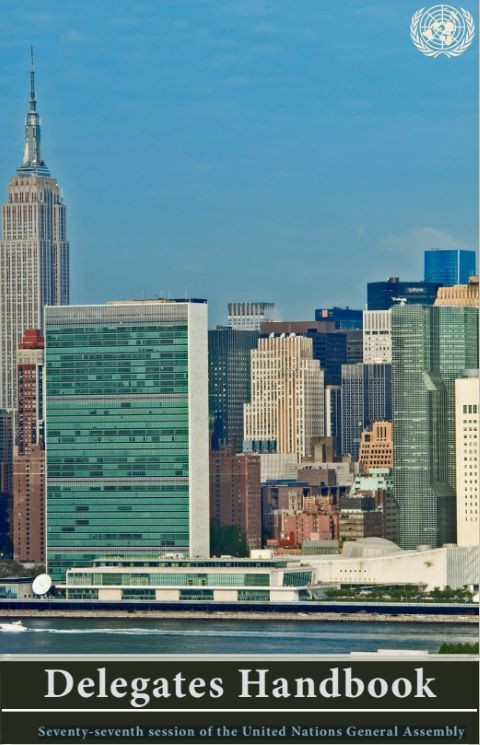 Delegates Handbook 2022: Seventy-seventh Session of the United Nations General Assembly 발행 연도: 2022 단체 저자: UN. Department for General Assembly and Conference Management (UN. DGACM) The Protocol and Liaison Service contributes to the Delegates’ Handbook, a booklet that contains information of a general nature about United Nations Headquarters and is applicable throughout the current session. Suggestions for changes to the booklet should be addressed to the General Assembly Affairs Branch (room S-30FW; email: gaab<at>un.org). This booklet is also available on the internet at the United Nations Delegates website as well as the General Assembly website, under Resources.
 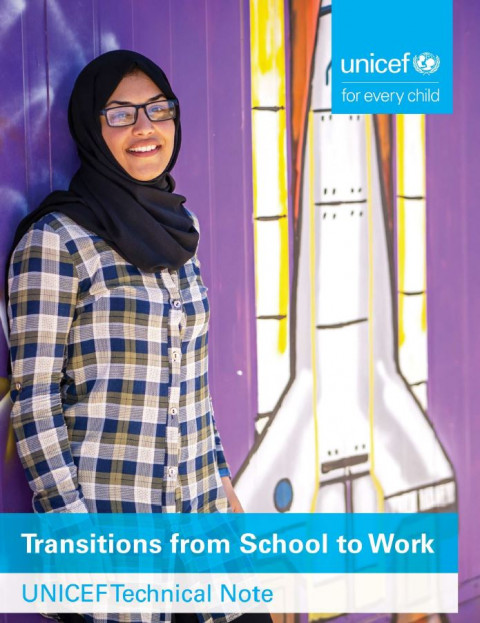 Transitions from School to Work: UNICEF Technical Note 발행 연도: 2019 단체 저자: United Nations Children's Fund (UNICEF) This report provides guidance on ways that UNICEF can support governments and partners to help adolescents to make a smooth transition from school to decent work. To prepare them for life, work, citizenship and life-long learning, UNICEF encourages governments and partners to expand access to learning and skills development for all children and adolescents – from pre-primary to upper-secondary age, and particularly for the most marginalized. UNICEF further advocates strengthening systems to enable them to develop a breadth of skills across the life course and through multiple learning pathways, such as formal, non-formal, on the job and community based.
 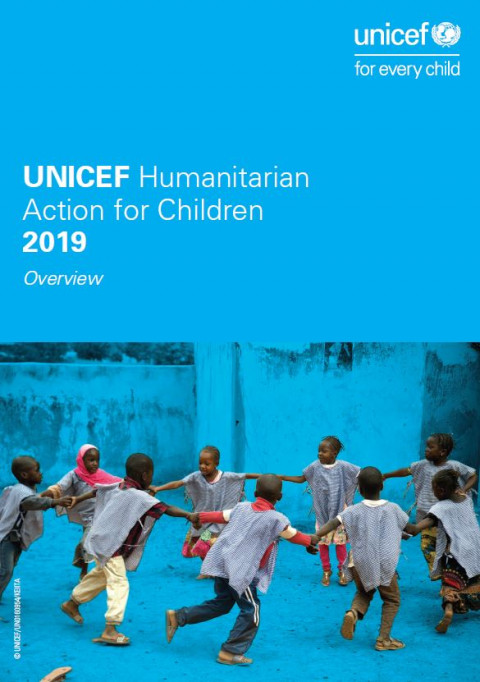 Humanitarian Action for Children 2019: Overview 발행 연도: 2019 단체 저자: United Nations Children's Fund (UNICEF) This edition of UNICEF’s report on requirements for humanitarian action highlights major emergencies affecting children and families around the world, and the results achieved by UNICEF and partners in response to those crises. Noting that more violent conflicts are raging today than at any time since the adoption of the Convention on the Rights of the Child 30 years ago, the report also describes UNICEF initiatives to improve the quality of its humanitarian response in 2019 – particularly in high-threat contexts. Additional information about humanitarian action and UNICEF funding appeals at the country and regional levels is available online atwww.unicef.org/appeals.
 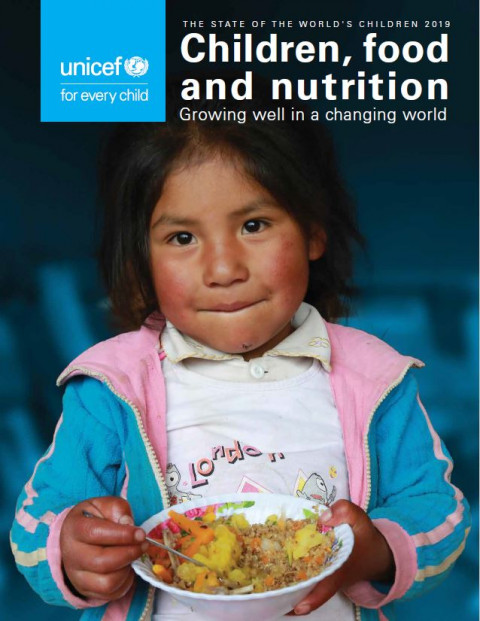 Children, Food and Nutrition: Growing Well in a Changing World 발행 연도: 2019 단체 저자: United Nations Children's Fund (UNICEF) This 2019 edition of The State of the World’s Children (SOWC) examines the issue of children, food and nutrition, providing a fresh perspective on a rapidly evolving challenge. Despite progress in the past two decades, one third of children under age 5 are malnourished – stunted, wasted or overweight – while two thirds are at risk of malnutrition and hidden hunger because of the poor quality of their diets. At the center of this challenge is a broken food system that fails to provide children with the diets they need to grow healthy. This report also provides new data and analyses of malnutrition in the 21st century and outlines recommendations to put children’s rights at the heart of food systems.