
자료
세계시민교육에 대한 이해를 넓히고 연구, 옹호 활동, 교수, 학습 등을 향상시킬 수 있는 다양하고 유용한 자료를 찾아보세요.
2,193 건의 결과가 검색되었습니다
 [개정판] 우리는 세계시민: 나눔을 위한 배움; 초등편 발행 연도: 2021 단체 저자: 한국국제협력단 | 국제개발협력민간협의회 본 교재는 KOICA ODA 교육원의 연구용역으로 발간된 것으로 초등학생 대상의 세계시민과 개발교육을 위한 교안및 활용 가이드를 수록하였고 부록으로 교안 선택 활동과 교안 활용을 위한 교보재 등을 다루고 있다. 본 저작물은 국제개발협력민간협의회에서 2021년 작성하여 공공누리 제4유형으로 개방한 ‘우리는 세계시민: 초등편’을 이용하였으며 해당 저작물은 국제개발협력민간협의회 홈페이지 (www.ngokcoc.or.kr)에서 무료로 다운받으실 수 있습니다.
  [개정판] 우리는 세계시민: 나눔을 위한 배움; 중등편 발행 연도: 2021 단체 저자: 한국국제협력단 | 국제개발협력민간협의회 본 교재는 KOICA ODA 교육원의 연구용역으로 발간된 것으로 중학생 대상의 세계시민과 개발교육을 위한 교안및 활용 가이드를 수록하였고 부록으로 교안 선택 활동과 교안 활용을 위한 교보재 등을 다루고 있다. 본 저작물은 국제개발협력민간협의회에서 2021년 작성하여 공공누리 제4유형으로 개방한 ‘우리는 세계시민: 중등편’을 이용하였으며 해당 저작물은 국제개발협력민간협의회 홈페이지 (www.ngokcoc.or.kr)에서 무료로 다운받으실 수 있습니다.
  [개정판] 우리는 세계시민: 나눔을 위한 배움; 고등편 발행 연도: 2021 단체 저자: 한국국제협력단 | 국제개발협력민간협의회 본 교재는 KOICA ODA 교육원의 연구용역으로 발간된 것으로 고등학생 대상의 세계시민과 개발교육을 위한 교안및 활용 가이드를 수록하였고 부록으로 교안 선택 활동과 교안 활용을 위한 교보재 등을 다루고 있다. 본 저작물은 국제개발협력민간협의회에서 2021년 작성하여 공공누리 제4유형으로 개방한 ‘우리는 세계시민: 고등편’을 이용하였으며 해당 저작물은 국제개발협력민간협의회 홈페이지 (www.ngokcoc.or.kr)에서 무료로 다운받으실 수 있습니다.
  Международной конференции Гуманитарная безопасность и мир в Центральной Азии 발행 연도: 2007 단체 저자: Организация Объединенных Наций по вопросам образования, науки и культуры (UNESCO) | Академия ОБСЕ в Бишкеке В перспективе противостояния угрозам и поощрения развития в Центральной Азии, на основе сотрудничества ЮНЕСКО и Академией ОБСЕ была организована международная конференция «Гуманитарная безопасность и мир в Центральной Азии». Эти две организации целенаправленно занимаются вопросами укрепления международной безопасности и взаимопонимания путем выявления и развития разнообразных гуманитарных и культурных ценностей мира и поощрения диалога на основе признания и уважения разнообразия и соблюдения прав человека.
  어린이와 미디어 리터러시 발행 연도: 2022 저자: 이원섭 | 조재희 | 최지선 단체 저자: 한국언론진흥재단 본 연구에서는 초등학생들의 미디어 이용에 대한 전반적인 특징을 진단하고 해외 사례 분석과 부모와 교사, 미디어 강사와의 심층인터뷰, 전문가 자문, 학생과 부모 대상의 설문조사를 통해 어린이의 미디어 리터러시 향상을 위한 정책 방안을 제시하고자 한다. 본 저작물은 한국언론진흥재단에서 2022년 작성하여 공공누리 제4유형으로 개방한 '어린이와 미디어 리터러시(작성자:이원섭, 조재희, 최지선)'를 이용하였으며, 해당 저작물은 한국언론진흥재단 홈페이지(https://www.kpf.or.kr/)에서 무료로 내려받으실 수 있습니다.
  Sub-Education Policy Review Report: Inclusive Education 발행 연도: 2021 단체 저자: UNESCO Inclusion highlights opportunities for an equal involvement of individuals with disabilities (physical, social, and emotional) when possible into typical education, but leaves accessible the probability of individual selections and possibilities for special aid and accommodations for persons who need it. This review was initiated by UNESCO to inform the ongoing discourse about inclusive education within Malaysia, Indonesia, Brunei, Philippine and Timur-Leste. Sustainable Development Goal 4 (SDG 4) reinforces the importance of inclusive education which adheres nations to adopt the framework of action in providing inclusion and equity through education of children with perceived differences. The review contributes to the body of literature on inclusive education by synthesizing policy recommendations and evaluations and identifying contradictions and overlaps in those policies. This review draws upon UNESCO reports pertaining to inclusive education policies and initiatives. In addition, a systematic review of empirical studies on inclusive education policy (2010-2020) identified from related and major databases (Eric) is conducted. Both the UNSECO reports and empirical studies are analyzed based on the SDG4 and its targets pertaining to inclusion policy.
  COVID 19, Technology-Based Education and Disability: The Case of Bangladesh; Emerging Practices in Inclusive Digital Learning for Students With Disabilities 발행 연도: 2021 저자: Vashkar Bhattacharjee | Shahriar Mohammad Shiblee 단체 저자: UNESCO This study sheds light on Bangladesh’s initiatives in the area of disability-inclusive education. The particu- lar focus is on the role of its Accessible Reading Materials (ARM) initiative and how this has contributed to ensuring disability-inclusive and accessible education during the COVID-19 pandemic in Bangladesh. ARM is a government-led initiative that was launched in 2014 by the then Access to Information (a2i) programme of the Prime Minister’s Office, now the Aspire to Innovate Programme of the Information and Communica- tion Technology (ICT) Division of the Government of Bangladesh. It was launched in recognition of the need for solutions to ensure virtual, as well as regular reading access for all students, including children and young people with barriers to reading. ARM is aimed at satisfying the educational needs of all students including students with print and learning disabilities.
 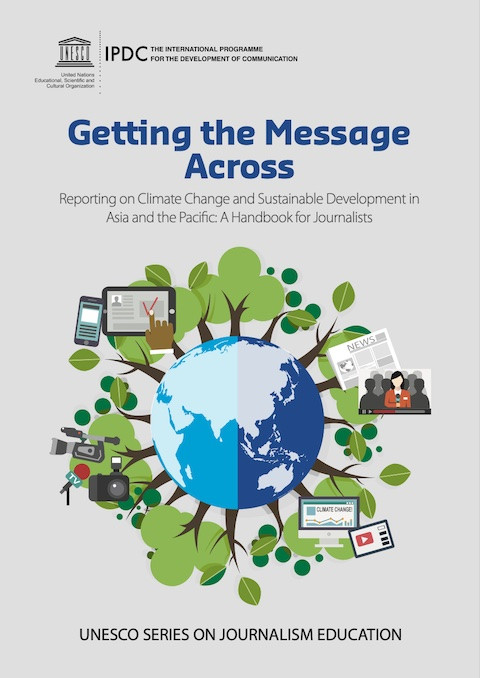 Getting the Message Across: Reporting on Climate Change and Sustainable Development in Asia and the Pacific; A Handbook for Journalists 발행 연도: 2018 단체 저자: UNESCO Getting the Message Across, Reporting on Climate Change and Sustainable Development in Asia and the Pacific: A Handbook for Journalists has been customized for journalists to tell the climate change story specific to the region. It explores the essential aspects of climate change, including its injustices to vulnerable communities, especially women and girls and least developed countries, and provides examples of best practices and stories of hope unique to the region. It can be used as a resource for journalists to understand the science of climate change, as well as helping journalists to improve their reporting of the environmental, social, economic ̧ political, technological and other angles of the story. Донесение сути темы Освещение темы: об изменении климата и устойчивом развитии в Азиатско-Тихоокеанском регионе; Пособие для журналистов 발행 연도: 2018 단체 저자: Организация Объединенных Наций по вопросам образования, науки и культуры (UNESCO) Пособие для журналистов "Донесение сути темы Освещение темы об изменении климата и устойчивом развитии в Азиатско-Тихоокеанском регионе" было разработано для журналистов, так чтобы рассказать историю изменения климата, характерную для региона. В нем рассматриваются основные аспекты изменения климата, в том числе его несправедливость по отношению к уязвимым общинам, особенно женщинам и девочкам и наименее развитым странам, и приводятся примеры передовой практики и истории надежды, уникальные для региона. Он может быть использован в качестве ресурса для журналистов, чтобы понять науку об изменении климата, а также помочь журналистам улучшить свои репортажи об экологических, социальных, экономических, политических, технологических и других аспектах истории.
 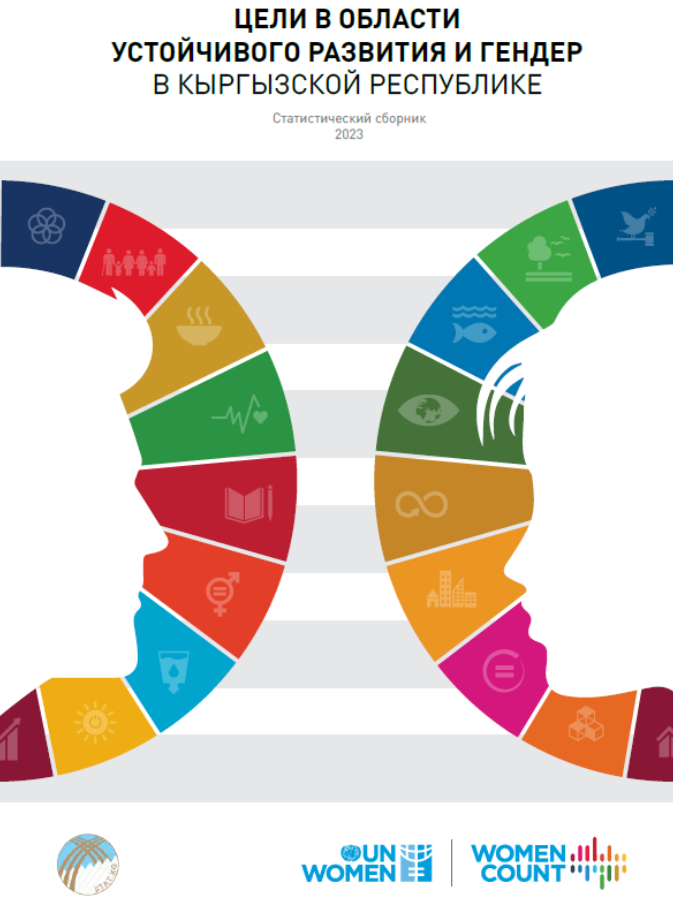 "Sustainable Development Goals and Gender in Kyrgyzstan" New Statistical Publication 발행 연도: 2023 단체 저자: National Statistical Committee of the Kyrgyz Republic | United Nations Entity for Gender Equality and the Empowerment of Women (UN Women) This publication is intended to inform the public and government officials about the current status and progress towards achieving sustainable development in Kyrgyzstan, promote informed policy and management decisions, and help identify further priority steps to achieve the SDGs and women’s empowerment.