
자료
세계시민교육에 대한 이해를 넓히고 연구, 옹호 활동, 교수, 학습 등을 향상시킬 수 있는 다양하고 유용한 자료를 찾아보세요.
2,668 건의 결과가 검색되었습니다
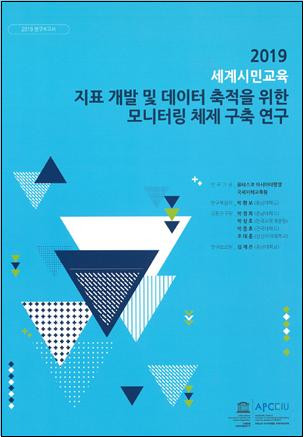 세계시민교육 지표 개발 및 데이터 축적을 위한 모니터링 체제 구축 연구 발행 연도: 2019 단체 저자: 유네스코 아시아태평양 국제이해교육원 유네스코 아태교육원은 “세계시민교육 지표 개발 및 데이터 축적을 위한 모니터링 체제 구축 연구” 보고서를 발간하였다. 본 연구보고서는 지속가능발전목표(SDGs)의 4번 교육 목표 중 7번째 세부목표(SDG4.7)인 세계시민교육의 지표 개발과 데이터 축적을 위한 국내 모니터링 체제 구축을 위한 시사점을 제공하는데 목적이 있다. SDG4.7이 추구하는 세계시민교육은 교육기회의 보장이나 교육여건 개선 등 비교적 대상과 목표가 명확한 다른 SDG4의 세부목표와 달리 교육의 방향성과 내용을 포괄적으로 다루기 때문에, 국가별로 이행 여부를 모니터링하기 위한 공동의 지표 설정에 어려움이 있다. 이와 같은 이유로, 본 연구에서는 SDG4.7.1 지표 개발에 대한 국내외 동향과 쟁점 분석을 토대로 국내 지표를 제안하고 이를 바탕으로 국내 이행 수준을 검토함으로써, 향후 글로벌 지표 개발과 모니터링 체제를 발전 및 공고화하는데 기여하고자 하였다.
 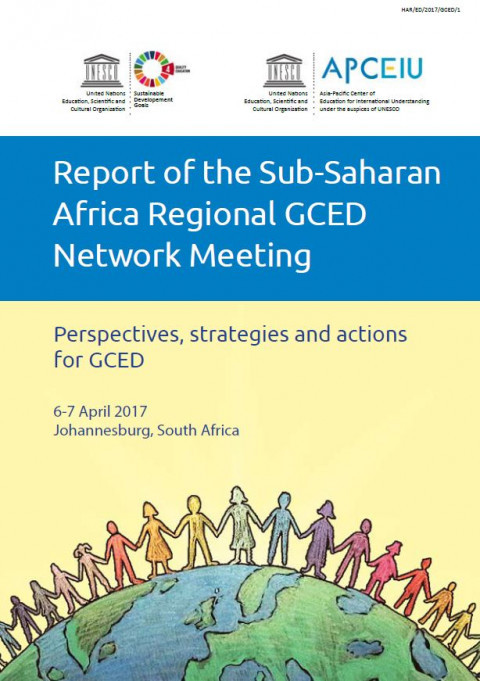 Report of the Sub-Saharan Africa Regional GCED Network Meeting: Perspectives, Strategies and Actions for GCED 발행 연도: 2017 저자: Gertie Steukers | Carolyn Medel-Añonuevo | Abdoul Wahab Coulibaly 단체 저자: UNESCO Harare | APCEIU An increasingly globalized world has raised questions about what constitutes meaningful citizenship as well as about its global dimensions. Global Citizenship Education (GCED) aims to empower learners to assume active roles to face and resolve global challenges and to become proactive contributors to a more peaceful, tolerant, inclusive and secure world.Education is the most important tool for equipping young people, our future generation of leaders, with the knowledge, skills and attitudes to tackle prejudice and hostility, and to build more peaceful, tolerant and equitable societies. While there are different understandings and manifestations of GCED in different countries, GCED in its various forms is fast becoming an important and necessary component of education systems in sub-Saharan Africa and across the world.The commitment of actors around the world to promoting GCED has contributed highly to the development of GCED, including raising awareness and catalysing action. Furthermore, this has led to the incorporation of GCED in the Sustainable Development Goals (SDGs) through Target 4.7, which captures the clear call for an education that addresses the needs of the twenty-first century, empowering learners to act towards a more peaceful, just, inclusive and sustainable world.GCED reflects the aim of education to go beyond just access and ‘ensure inclusive and equitable quality education and promote lifelong opportunities for all’ in the next fifteen years.UNESCO Regional Office for Southern Africa (ROSA) and the Asia-Pacific Centre of Education for International Understanding (APCEIU) invited partners across Africa for the 2017 Sub-Saharan Africa GCED Regional Network Meeting on 6–7 April 2017 in Johannesburg. The meeting was designed to jumpstart the formation of the Africa Regional GCED Network, map different GCED programmes in the region, and explore areas of possible collaboration in light of solidifying regional action on GCED.
 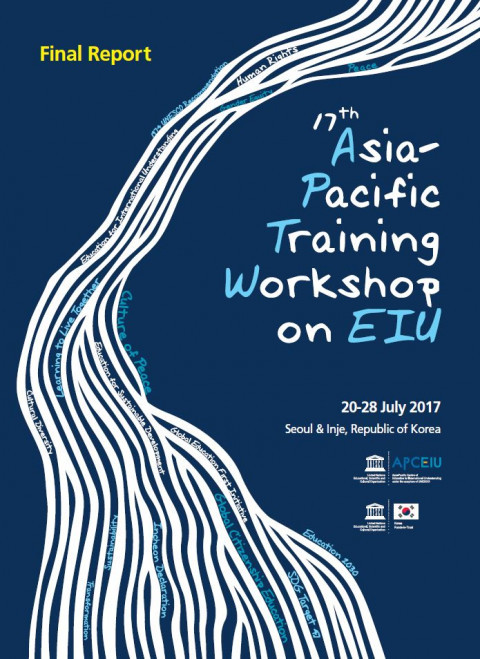 17th Asia-Pacific Training Workshop on EIU: Final Report 발행 연도: 2017 저자: Yeonwoo Lee | Grace Na 단체 저자: APCEIU Since its establishment in 2001, APCEIU has been organizing capacity building training workshops on Education for International Understanding (EIU) for educators to promote a Culture of Peace through education. The critical importance of preparing educators towards building a more peaceful and sustainable world has been reaffirmed by the increased attention to GCED (Global Citizenship Education), with the adoption of the Sustainable Development Goals (SDGs) and Education 2030 Framework for Action in 2015. Fostering global citizenship is in line with EIU’s core values in terms of the promotion of learning to live together to make a more just, peaceful, and inclusive society.The Asia-Pacific Training Workshop on EIU (APTW), APCEIU’s flagship programme, aims to enhance participants’ knowledge, skills, and commitment to EIU and GCED and enable them to competently design and implement EIU/GCED activities in their local and national contexts. Designed as a Training of Trainers (TOT), the APTW not only encompasses key themes and concepts surrounding EIU/GCED, but also has a strong focus on creative methodologies and approaches to teach EIU/GCED. In order to achieve this goal, this intensive 9-day training workshop includes lectures, discussions, workshops, in-depth seminars, field visits, action plan development in small groups where participants can learn from one another and from the experiences they encounter during the workshop. Furthermore, participants are encouraged to plan and carry out their own training workshops to spread the messages of EIU/GCED after their participation in the workshop.This workshop is sponsored by Ministry of Education and partnered with UNESCO Bangkok, supported by Korea Funds-in-Trust. 28 teacher educators/trainers in the Asia-Pacific region participated in the workshop and strengthened their understanding of Global Citizenship Education and discussed pedagogy, and action planning to practice GCED at national and international levels. This report provides an overview, summary, photographs and other information about the 17th Asia-Pacific Workshop on EIU (APTW).
 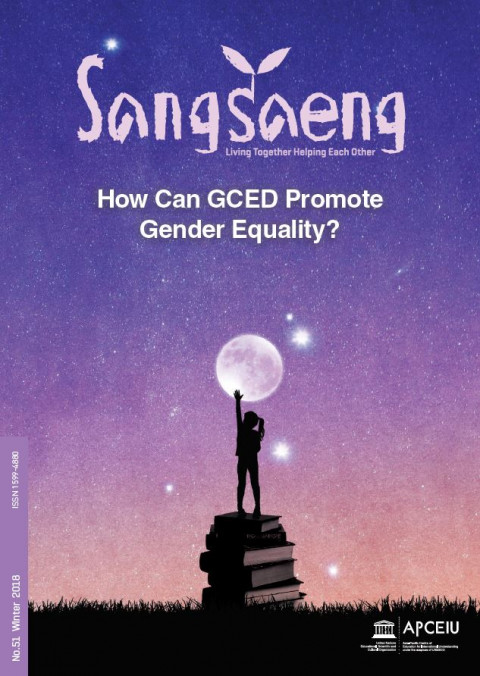 How Can GCED Promote Gender Equality? (SangSaeng no. 51 Winter 2018) 발행 연도: 2018 단체 저자: APCEIU The 51th issue of SangSaeng, under the theme of “How Can GCED Promote Gender Equality?,” explores the role of GCED to bolster gender equality. In this issue, readers are reminded that GCED is not an abstract idea- rather, it is connected to real-life issues such as questioning gendered roles, expectations and stereotypes that are prevalent in many societies; and therefore, it can be a vital accelerator in building a more equitable world. 3 Director’s Message 4 Special ColmunTools that Promote Gender Equality 8 Focus : How Can GCED Promote Gender Equality?8 Bringing Gender Equality to Science World12 Women For Better World15 Setting GCED Principles to Promote Girls’ Education in Tado18 Path to Building Next Gen Men 22 Best Practice22 Using GCED to Promote Gender Equality in Senegal26 Adapting GCED into a Specific Learning Environment 29 Special ReportThe 3rd International Conference on GCED 32 InterviewGirls in GCED 35 Youth NetworkGlobal Citizenship Education in Refugee Crisis Relief 38 LetterPoetry - The Sword in Our Sheath 42 Peace In my MemoryBachcha Posh : An Inside Look 46 Understanding the Asia-Pacific RegionGrafting Human Rights Tree in Five ‘Stans’ 50 APCEIU in Action Comment l’ECM peut-elle promouvoir l’égalité des genres ? (SangSaeng N° 51 Hiver 2018) 발행 연도: 2018 단체 저자: Centre Asie-Pacifique d'éducation pour la compréhension internationale (APCEIU) SangSaeng (상생), mot coréen d’origine chinoise, se compose de deux caractères : Sang (相), qui signifie « mutual » (les uns les autres) et Saeng (生), qui signifie « vie ». Mis ensemble, ils signifient « vivre ensemble », « s’entraider ». C’est notre vision pour la région Asie-Pacifique. SangSaeng (相生) se veut une plateforme de débats constructifs sur les sujets, méthodes et expériences dans le domaine de l’éducation à la compréhension internationale. SangSaeng vise aussi à promouvoir l’Éducation à la citoyenneté mondiale, une des trois priorités de l’Initiative mondiale pour l’éducation avant tout, lancée par les Nations Unies en 2012. SangSaeng est publié deux fois par an par le Centre Asie-Pacifique d’éducation pour la compréhension internationale (APCEIU) sous l’égide de l’UNESCO. Version française produite par le Bureau régional de l'UNESCO pour l'Afrique de l'Ouest (Sahel) et édiitée avec l'appui de l'APCEIU. 3 MESSAGE DU DIRECTEUR4 RUBRIQUE SPECIALE Outils pour la promotion de l'égalité des genres8 FOCUS: COMMENT L'ECM PEUT-ELLE PROMOUVOIR L'ÉGALITÉ DES GENRES? 08 L'ÉGALITÉ DES GENRES DANS LE MONDE SCIENTIFIQUE 12 LES FEMMES POUR UN MONDE MEILLEUR 15 FIXER DES PRINCIPES D'ECM POUR PROMOUVOIR L'ÉDUCATION DES FILLES DES FILLES TADO 18 SUR LA VOIE DES HOMMES DE LA PROCHAINE GÉNÉRATION 22 BONNES PRATIQUES 22 Utiliser l'ECM pour promouvoir l'égalité des genres au Sénégal 26 Adapter l'ECM à un environnement d'apprentissage spécifique29 REPORTAGE SPÉCIAL La 3e Conférence internationale sur l’ECM: Une plate-forme durable et robuste pour l’ECM32 ENTRETIEN Les filles dans l'ECM35 RÉSEAU DE JEUNES L'éducation à la citoyenneté mondiale dans l'aide au réfugiés en situation de crise38 LETTRE Poésie - l'épée dans notre fourreau 42 LA PAIX DANS MA MÉMOIRE Bachcha Posh : Un regard intérieur46 COMPRENDRE LA REGION ASIE-PACIFIQUE Greffer l'arbre des droits de l'homme dans les cinq « Stans »50 APCEIU EN ACTION 어떻게 세계시민교육이 성 평등에 기여할 수 있을까? (상생 제51호 2018년 겨울호) 발행 연도: 2018 단체 저자: 유네스코 아시아태평양 국제이해교육원 상생 51호는 “어떻게 세계시민교육이 성 평등에 기여할 수 있을까?”라는 주제로 성 평등을 강화하기 위한 세계시민교육의 역할을 다룬다. 이번 호를 통하여 독자들은 세계시민교육이 추상적인 것이 아니라, 우리의 실제 삶과 관련이 있으며, 많은 사회에서 만연한 성 역할, 기대, 고정관념에 대해 의문을 던지는 교육이며, 더욱 평등한 사회를 만드는 데 기여하는 주요한 촉진제가 될 수 있음을 깨닫게 될 것이다. 3 발간사4 스페셜 칼럼 : 성 평등을 증진시키는 도구들 8 포커스: 어떻게 세계시민교육이 성 평등에 기여할 수 있을까?8 과학계에 도입하는 성 평등12 더 나은 세상을 위해 힘쓰는 여성들15 소녀 교육을 위한 Tado의 세계시민교육 원칙 세우기18 다음 세대의 남성들을 양성하는 길 22 모범 사례22 세계시민교육을 통한 세네갈의 성 평등 증진26 중앙아시아 학생들의 창의적이고 실제적인 능력 향상을 위한 세계시민교육 사례 연구29 스페셜 리포트 : 3차 세계시민교육 국제회의: 세계시민교육을 위한 탄탄하고 지속 가능한 플랫폼을 위하여 32 인터뷰 : 필리핀에서 여성 교육 향상에 힘쓰는 세 명의 젊은 연구자들과의 인터뷰35 유스 네트워크 : 위기 상황에 적용한 세계시민교육38 시 : 우리의 칼집에 꽂힌 검42 내 기억 속의 평화 : 성별을 숨기고 살아야 하는 아프가니스탄 소녀 이야기46 아시아-태평양 지역 이해하기 : 5개의 ‘스탄’ 국가에 인권의 나무를 접붙이다50 교육원 활동
 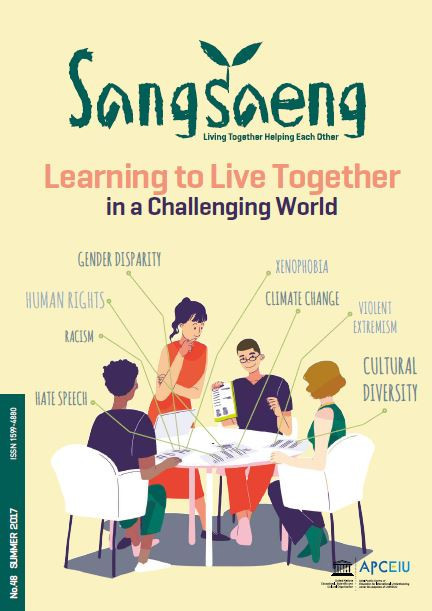 Learning to Live Together in a Challenging World (SangSaeng no. 48 summer 2017) 발행 연도: 2017 단체 저자: APCEIU The 48th issue of SangSaeng, “Learning to Live Together in a Challenging World,” has been published. With nationalism on the rise and support for populist perspectives, this edition of SangSaeng emphasizes the global community’s efforts for tolerance and learning to live together. It contains articles reminding us of the importance of empowering learners to assume active roles to face and resolve global challenges. 3 Director’s Message4 Special Column4 Education of Harmony, Peace and Happiness8 We Must Educate Global Citizens to Sustain Peace in the World11 Focus: Learning to Live Together in a Challenging World11 Access to Equitable Quality Education.14 How Business Helps People Learn to Live and Work Together17 Challenges in the Horn of Africa and Desire for Human Dignity20 Ethnic Identity in the Era of Minority Recognition 23 Special ReportShrinking Spaces: A Perspective from Iraq26 Best Practices26 Free2Choose-Create30 Strengthening Literacy Learning in Lesotho35 Youth NetworkGCED & Youth: An Open Forum in Jeju38 InterviewThe Power of Music: An Agent of Transformation42 Understanding the Asia-Pacific Region42 Naadam: A Celebration of Culture46 Bomena in Bhutan50 APCEIU in Action 더불어 살아가기 위한 교육이 직면한 도전 (상생 제48호 2017년 여름호) 발행 연도: 2017 단체 저자: 유네스코 아시아태평양 국제이해교육원 48호 <상생>이 “더불어 살아가기 위한 교육이 직면한 도전”이라는 주제로 발간되었다. 이번 호는 국가이기주의와 포퓰리즘 등 도전적인 상황 속에서 관용과 더불어 살아가기 위한 교육(Learning to Live Together)을 지켜나가는 국제사회의 노력을 살펴보고, 학습자들이 도전적인 상황을 직면하고 적극적인 역할을 수행하도록 역량을 키우는 것이 얼마나 중요한지 일깨워준다. 3 발간사4 스페셜 칼럼4 공존과 평화, 행복을 위한 교육8 우리는 세계평화를 지속시키기 위해 세계시민교육을 해야 한다11 포커스: 더불어 살아가기 위한 교육이 직면한 도전11 질적 교육에 평등하게 접근하기14 비즈니스가 함께 살고 일하도록 가르치는 방법17 아프리카 북동부 지역의 인간존엄을 향한 열망과 도전20 소수자 인정 시대의 종족 정체성 23 스페셜 리포트축소되는 공간: 이라크의 관점26 국제이해교육 모범사례26 안네프랑크하우스 Free2Choose-Create30 레소토 리터러시 교육 강화35 유스네트워크세계시민교육과 청년: 제주포럼38 인터뷰음악의 힘: 변혁의 주체42 아시아태평양 지역 이해하기42 나담: 축하의 문화46 부탄 보메나50 교육원 활동
 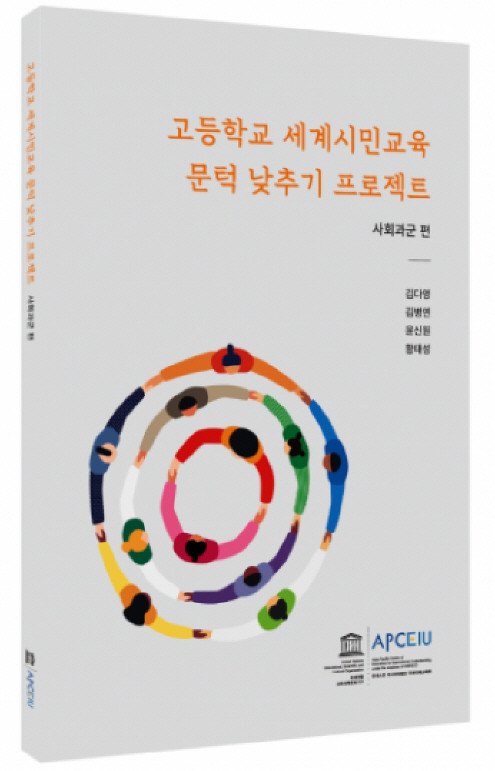 고등학교 세계시민교육 문턱 낮추기 프로젝트 – 사회과군 편 발행 연도: 2021 저자: 김다영 | 김병연 | 윤신원 | 황태성 단체 저자: 유네스코 아시아태평양 국제이해교육원 유네스코 아태교육원은 ⟪고등학교 세계시민교육 문턱 낮추기 프로젝트 – 사회과군 편⟫을 발간했다. ⟪고등학교 세계시민교육 문턱 낮추기 프로젝트⟫의 첫 시리즈인 이 책은 보다 많은 고등학교 선생님들이 학교 현장에서 세계시민교육을 실천할 수 있도록 진입장벽을 낮추고자 기획되었다. 특히 세계시민교육 관련 내용이 많이 포함되어 있는 사회과군 선생님들이 실제 수업에서 진행한 세계시민교육 교수학습 사례를 담았다. <목차>서문1장. 질문과 토론으로 이어가는 세계시민교육 1.1. 자문자답(自問自答), 저를 소개합니다 1.2. 2021년, 수업을 이렇게 설계했어요 1.3. 학생들과 함께 수업을 만들어갔어요사례 1] 불평등 현상과 사회정의사례 2] 사회정의 관점에서 세계화 바라보기사례 3] 평화의 관점에서 통일 문제 탐구 1.4. 수업을 되돌아보며 2장. 지구적으로 생각하고 지역적으로 행동하는 우리는 ‘세계시민’ 2.1. 선생님은 왜 ‘세계시민교육’을 하나요? 2.2. ‘세계시민교육’, 어렵지 않아요!사례 1] 세계화와 먹거리 문제사례 3] 지속가능발전을 위한 국제개발협력의 주체사례 2] 기후 위기와 지속가능한 세계 2.3. 미래 세대를 위한 교육, 우리 함께해요 3장. 지역이해와 활동 중심으로 구성하는 세계시민교육 3.1. 세계시민교육, 이렇게 만났어요 3.2. 세계시민교육, 무엇부터 시작해야 할까요? 3.3. 세계시민교육과 연결성사례 1] 영상을 통한 자연과 인간과의 관계 이해하기사례 2] 모둠 활동을 통한 나와 지역사회 연결하기 3.4. 세계시민교육과 인권사례 1] 세계인권선언 그림 카드 만들기사례 2] 인권 시 작성하고 낭송하기 3.5. 다문화교육과 세계시민교육사례 1] 영상을 통한 다문화교육사례 2] 포토스탠딩을 통한 다문화교육 3.6. 실천을 통한 세계시민교육사례 1] 100원 경매를 통한 기부 활동사례 2] SDGs 이해하고 실천하기 3.7. 글을 마치며
  Peace Education in Northeast Asia: A Situational Analysis 발행 연도: 2021 저자: Soonwon Kang | Cheng Liu | Ketei Matsui | Batbaatar Monkhooroi | Boyoung Park | Muyu Huang | Oyuntsetseg Dugarsuren 단체 저자: APCEIU Being central to education for international understanding and global citizenship, peace education has always been an important theme in UNESCO. For effective delivery of peace education, it is critical to examine and understand the relevance of peace education and its key issues and approaches at a given juncture. With this in mind, in 2020, APCEIU conducted a study on peace education in South Korea to review its current state and suggest some policy recommendations. Following up on this study, APCEIU initiated in 2021 a research project on peace education in Northeast Asia in order to identify how peace education is interpreted and practised in the countries of the region and explore possibilities of cooperation among peace educators, researchers, and practitioners in the region. Building on this research, APCEIU hopes to develop and carry out joint projects for peace education in the region.