
자료
세계시민교육에 대한 이해를 넓히고 연구, 옹호 활동, 교수, 학습 등을 향상시킬 수 있는 다양하고 유용한 자료를 찾아보세요.
3,227 건의 결과가 검색되었습니다
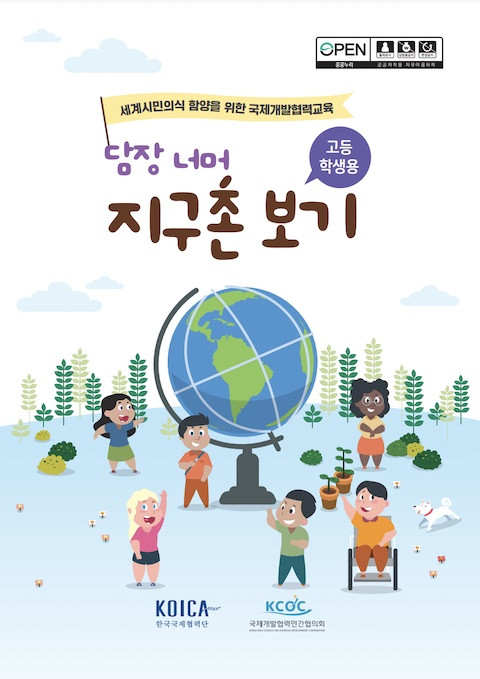 담장 너머 지구촌 보기: 세계시민의식 함양을 위한 국제개발협력교육; 고등학생용 발행 연도: 2021 저자: 이태주 | 김다원 | 김현주 단체 저자: 한국국제협력단 | 국제개발협력민간협의회 세계화, 문화다양성, 지속가능발전, 평화 등을 주제로 한 고등학생용 세계시민교육 교수학습자료로 다양한 모둠별 학습활동지를 담고 있다.본 자료는 한국국제협력단과 국제개발협력민간협의회에서 2021년 작성하여 공공누리 제4유형으로 개방한 ‘담장 너머 지구촌 보기: 세계시민의식 함양을 위한 국제개발협력교육; 고등학생용’ 을 이용하였으며 국제개발협력민간협의회 홈페이지(http://www.ngokcoc.or.kr)에서 다운로드 하실 수 있습니다.
  세계시민교육 시리즈 3편: UP CYCLING 발행 연도: 2021 단체 저자: 한국국제협력단 KOICA는 SDGs, 긴급구호, 환경, 평화, 성평등, 난민에 대한 국민들의 이해를 높이고자, 6개의 세계시민교육 동영상을 만들어 유튜브로 공유하고자 합니다.3. UP CYCLING
 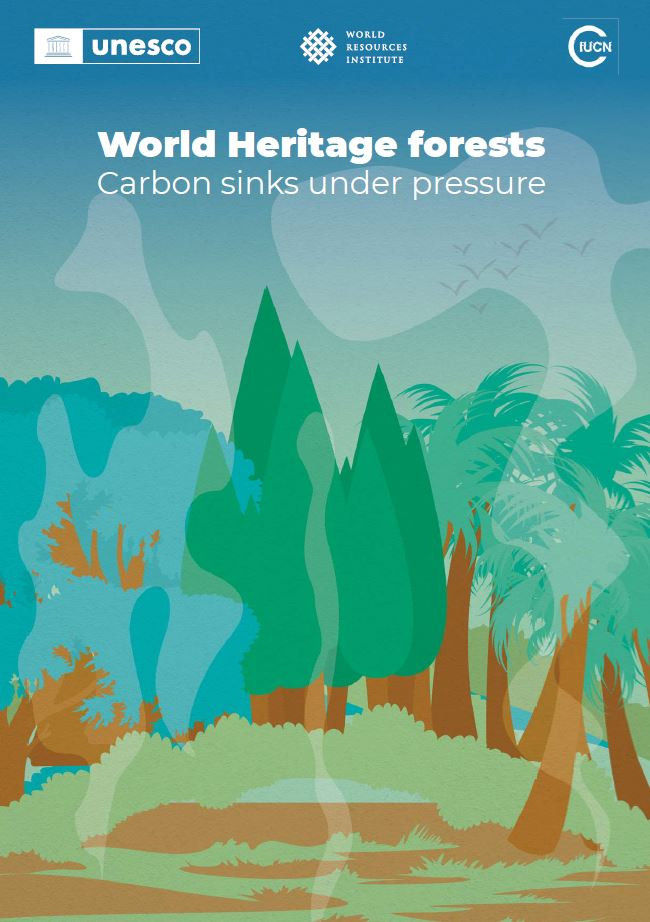 World Heritage Forests: Carbon Sinks Under Pressure 발행 연도: 2021 저자: Tales Carvalho Resende | David Gibbs | Nancy Harris | Elena Osipova 단체 저자: UNESCO | International Union for Conservation of Nature (IUCN) | World Resources Institute This report provides the first global scientific assessment of greenhouse gas emissions and sequestration in forests found in UNESCO World Heritage sites.World Heritage forests, whose combined area of 69 million hectares is roughly twice the size of Germany, are some of the most biodiversity-rich habitats on Earth and play a crucial role in climate regulation by absorbing carbon dioxide (CO2) from the atmosphere. However, these forests are under increasing anthropogenic pressures, including climate change.By combining remote sensing data with site-level monitoring, this report has quantified the climate benefits of World Heritage forests for the first time, assessed the impacts on carbon of common threats to World Heritage forests and identified sites that are net carbon sources. It therefore provides information to facilitate dialogues between policymakers and local stakeholders for the development of effective solutions aimed at maintaining the continuing role of World Heritage forests as sinks and stable carbon stores for future generations.
 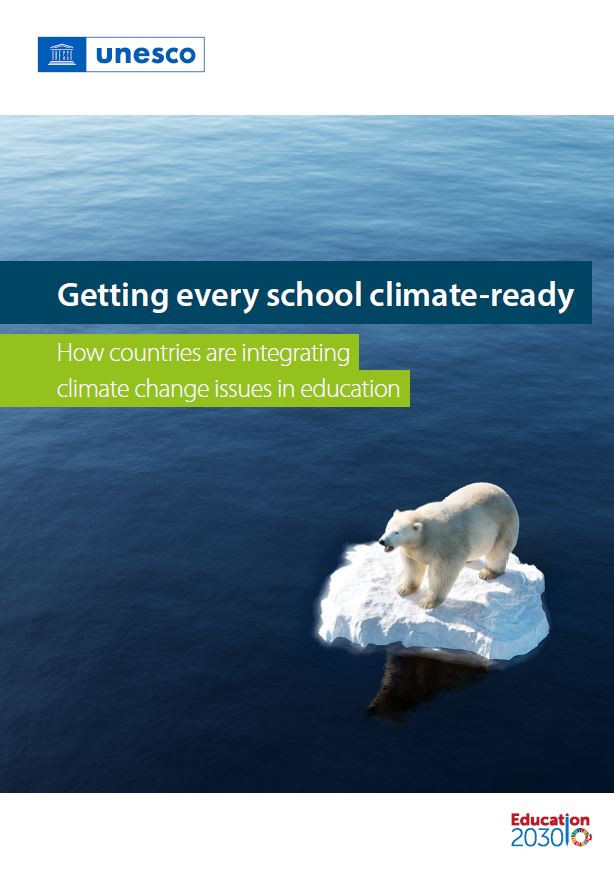 Getting Every School Climate-ready: How Countries are Integrating Climate Change Issues in Education 발행 연도: 2021 단체 저자: UNESCO This document summarizes the findings of selected studies by UNESCO and its partners on how climate change issues are integrated in education.These findings shed light on four key questions: where do we stand on climate change education; what do teachers say; what are the examples of country good practices on climate change education; and what does inter-ministerial collaboration on education for sustainable development look like?
  وضع تصورات جديدة لمستقبلنا معاً 발행 연도: 2021 단체 저자: International Commission on the Futures of Education | منظمة الأمم المتحدة للتربية والعلم والثقافة (UNESCO) تتسّم أحوال العالم في الوقت الراهن أن الظروف باتت ناضجة لإحداث تغيير. وقد بدأت التشققات في النموذج الإنمائي القائم على استغلال كوكب الأرض مفرطًا للخطر، وظهرت أوجه هشاشته من خلال الأزمات المتراكبة والمترابطة عالميًا مثل أزمة المناخ التي يفاقم من حدتها الفقر وعدم المساواة والإقصاء. ولا بد لنا من إحكام التصرف لمواجهة التحديات التي تهدّد السلم وتؤثّر في الحقوق والفرص، بما في ذلك الجائحة، والحروب، والعنف، وتفاقم أوجه اللامساواة، والتمييز، وانتشار خطاب الكراهية.ويمثّل التعليم اليوم مفترق طرق حاسمًا، فإننا نواجه خيارًا يتمثّل إما في مواصلة السير على النهج نفسه الذي سلكناه حتى الآن، أو تغيير المسار جذريًا، ولا يمكن لهذا الخيار إلا أن يكون جماعيًا، فلنتخيّل مستقبلًا للتعليم يعزّز السلام، والعدالة الاجتماعية، والاهتمام بالطبيعة، ويعزز القدرة على الإنعكاس، والعمل، والتغيير المشترك.ويجب أن يتجسّد هذا المستقبل في صورة مدرسة منفتحة ومتجددة وتشاركية تتيح الوقت والمجال لتعلّم القيم، والمعارف، والمهارات اللازمة للتعاون والمشاركة في إحداث التغيير.وتحتاج عملية التعلّم إلى أن تتمحور حول الطفولة، والشباب، وحياتهم، وأن ترتكز على الثقة، والاحترام المتبادل، والتعاون، ولا يمكن فصل مستقبل التعليم عن مستقبل العمل، والتكنولوجيا، والديموقراطية، وكوكب الأرض، ويجب أن يساعدنا التعليم في فهم عالمنا المتغيّر وفي التصرف بشأن ما نواجهه من تحدّيات على نحو تعاوني.إن هذا التقرير ثمرة مشاورات عالمية جديدة بين الجهات المعنية بالتعليم جميعها، ويقترح مجموعة من التوصيات الأساسية من أجل إصلاح التعليم وتحويله، وهو يدعونا إلى إعتماد مقاربة جديدة في التفكير والعمل - مقاربة تتجاوز الحلول المجزّأة، ومقاربة تبني على التطلعات الجماعية وعلى التضامن، وتسترشد بالإنسانية وبالحقوق، وتتخذ شكل التزام عالمي مشترك.وينبغي لنا أن نعتمد الآن نهجًا جديدًا إزاء التعليم، نهجًا يعكس واقعنا الحالي ويستجيب لما نتطلّع إليه من آمال، ويتطلّب هذا النهج الجديد بذل جهود جماعية متجددة من جانب الحكومات، والمجتمع المدني، والمنظمات الإقليمية، والمؤسسات، والأطراف الفاعلة في الميدان التربوي، والمعلمين، والطلاب، والشباب، والأطفال.وليس ثمّة توصية واحدة أو مشروع واحد يُحقق التغيير في جميع أنحاء العالم، وإنما لا بدّ من تحديد مجموعة واسعة من التدابير على الصعيدين المحلي والعالمي.ويأمل هذا التقرير أن يشكّل مرجعًا مفيدًا يوفّر مبادئ توجيهية من منظور إنساني بشأن السياسات، والتخطيط، والممارسات التعليمية، ويساعد على بلورة رؤية جديدة للتعليم ومستقبلنا المشترك، فلكي نتمكّن من إعادة تصوّر التعليم، لا بدّ من مبادرة واسعة النطاق تتجاوز قطاع التعليم، ولا بدّ من عمل جماعي في سبيل الصالح العام.ولا خطة أفضل طويلة الأجل من التعليم لمساعدتنا في بناء عالم عادل، وسلمي، ومستدام. 一起重新构想我们的未来:为教育打造新的社会契约 발행 연도: 2021 단체 저자: International Commission on the Futures of Education | 联合国教科文组织 (UNESCO) 我们人类和地球正遭受着威胁。新冠肺炎疫情只不过证明了我 们的脆弱性和相互关联性。我们现在需要采取紧急行动,一起改变 方向,重新构想我们的未来。“教育的未来”国际委员会的这份报 告认可教育可以带来深刻变革。我们目前面临着双重挑战,即兑现 尚未实现的承诺,确保每位儿童、青少年和成年人都有权接受优质 教育,以及把教育当作我们通往可持续共同未来的路径, 充分实现其变革潜力。为了做到这一点,我们需要一 份能够在改变未来的同时, 修复现有不公正的新的教育社会契约。这一新的社会契约必须以人权为依据, 以 非歧视性、 社会正义、 尊重生命、 人的尊严和 文化多样性等原则为基础。 它必须包含关怀、 互惠和团结的伦理。 它必须加强教育作为公共事 业、 共同利益的地位。这份报告建立在历时两年、约100万人参与的全球协商过程的基 础之上,它邀请世界各地政府、机构、组织和公民为教育订立一份 新的社会契约,帮助我们为所有人创造和平、公正和可持续的未来。这份报告所提出的愿景、原则和建议只是一个起点。对其进行 解读和本土化实践,是我们需要共同努力完成的事业。目前的工作 中已经存在许多亮点,本报告试图捕捉这些亮点,同时也以其为基 础进行构建。本报告既不是一部指南,也不是一幅蓝图,而是一场 至关重要的对话的起点。 함께 그려보는 우리의 미래 - 교육을 위한 새로운 사회계약 발행 연도: 2021 단체 저자: International Commission on the Futures of Education | 유네스코 우리의 인류와 지구는 위협을 받고 있습니다. 전염병은 우리의 연약함과 상호 연결성을 증명하는 역할을 했을 뿐입니다. 이제 방향을 바꾸고 우리의 미래를 재창조하기 위해 함께 취하는 긴급 조치가 필요합니다. 국제미래교육위원회는 심오한 변화를 가져오는 교육의 힘을 인정합니다. 우리는 모든 어린이, 청소년 및 성인을 위한 양질의 교육에 대한 권리를 보장하고 지속 가능한 집합적 미래를 위한 경로로서 교육의 변혁적 잠재력을 완전히 실현하겠다는 약속을 이행해야 하는 이중 과제에 직면해 있습니다. 이를 위해서는 불의를 바로잡으면서 미래를 변화시킬 수 있는 교육을 위한 새로운 사회계약이 필요합니다.이 새로운 사회 계약은 인권에 기초해야 하고 비차별, 사회 정의, 생명 존중, 인간 존엄성 및 문화적 다양성의 원칙에 기초해야 합니다. 그것은 배려, 호혜주의, 연대의 윤리를 포함해야 합니다. 공공의 노력과 공동선으로서의 교육을 강화해야 합니다.작성 기간이 2년이고 약 100만 명이 참여하는 글로벌 협의 프로세스를 기반으로한 이 보고서는 우리가 모두를 위해 평화롭고 정의로우며 지속 가능한 미래를 건설하는 데 도움이 될 교육을 위한 새로운 사회 계약을 맺도록 전 세계의 정부, 기관, 조직 및 시민을 초대합니다.여기에 제시된 비전, 원칙 및 제안은 단지 출발점일 뿐입니다. 그것들을 번역하고 맥락화하는 것은 공동의 노력입니다. 많은 밝은 점이 이미 존재합니다. 이 보고서는 이를 캡처하고 구축하려고 시도합니다. 매뉴얼도 청사진도 아닌 중요한 대화의 시작입니다.
  Sub-Education Policy Review Report: Inclusive Education 발행 연도: 2021 단체 저자: UNESCO Inclusion highlights opportunities for an equal involvement of individuals with disabilities (physical, social, and emotional) when possible into typical education, but leaves accessible the probability of individual selections and possibilities for special aid and accommodations for persons who need it. This review was initiated by UNESCO to inform the ongoing discourse about inclusive education within Malaysia, Indonesia, Brunei, Philippine and Timur-Leste. Sustainable Development Goal 4 (SDG 4) reinforces the importance of inclusive education which adheres nations to adopt the framework of action in providing inclusion and equity through education of children with perceived differences. The review contributes to the body of literature on inclusive education by synthesizing policy recommendations and evaluations and identifying contradictions and overlaps in those policies. This review draws upon UNESCO reports pertaining to inclusive education policies and initiatives. In addition, a systematic review of empirical studies on inclusive education policy (2010-2020) identified from related and major databases (Eric) is conducted. Both the UNSECO reports and empirical studies are analyzed based on the SDG4 and its targets pertaining to inclusion policy.
 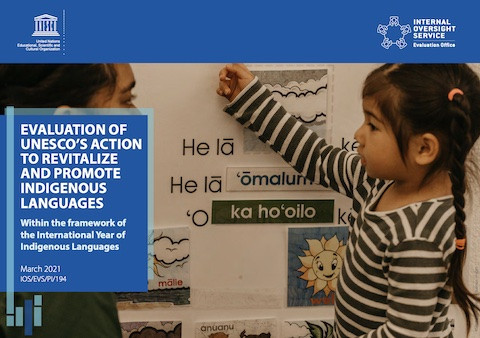 Evaluation of UNESCO’s Action to Revitalize and Promote Indigenous Languages: Within the Framework of the International Year of Indigenous Languages 발행 연도: 2021 저자: Claire Thomas | Lydia van de Fliert | Oliver Loode | Silvia Quattrini | Mihaela Cojocaru 단체 저자: UNESCO To draw attention to the critical loss of indigenous languages and the urgent need to preserve, revitalize and promote them and to take further urgent steps at the national and international levels, in 2016 the United Nations General Assembly in its resolution 71/178 proclaimed the year beginning on 1 January 2019 the International Year of Indigenous Languages (hereafter the IYIL2019). UNESCO was invited to serve as the lead agency for the Year and the coordination role was internally assigned to the Communication and Information Sector. UNESCO requested an evaluation of its action within the IYIL2019 with a view to learning from its experience during 2019 and further strengthening its coordination and implementation role during the upcoming Decade of Indigenous Languages (2022-2032).As the lead agency for the IYIL2019, UNESCO played a key role raising awareness of not only the critical loss of indigenous languages, but also the positive value and meanings that indigenous languages provide to Indigenous Peoples and humanity at large. The evaluation found that UNESCO led the development of an ambitious and relevant Action Plan for the Year. It also succeeded in setting up an 18-member Steering Committee composed of representatives of Member States, Indigenous Peoples and the UN three-party indigenous mechanisms. UNESCO staff implemented more than 80 activities around the world, with three-quarters of these at the global level and the majority of national events in Latin America and the Caribbean region. It also maintained an interactive website, which registered more than 880 events around the world.Leading and coordinating the IYIL2019 was not without its challenges, particularly as UNESCO was asked to lead this effort within existing resources and relying on a very small core team. Its programme sectors found creative solutions for indigenous language programming, but without a budget for intersectoral activities, collaboration between sectors was limited to information sharing and activities in Africa and the Arab States were few. The evaluation also found that the Action Plan lacked a meaningful results framework and thereby did not facilitate the monitoring of the IYIL2019. Partnerships with UNESCO networks and the wider UN system were underutilized and many opportunities for future collaboration have been highlighted for the upcoming Decade.
  The World in 2030: Public Survey Report 발행 연도: 2021 단체 저자: UNESCO This report presents the results of the World in 2030 Survey, launched by UNESCO in May 2020 to provide a platform for people to share their views on our world’s most pressing challenges, including what specifically they are worried about, and, most importantly, what solutions they feel are mostneeded. The results of this survey present a clear and systematic framework for action, one that can enrich global reflection over the coming decade as part of a renewed push to achieve the Sustainable Development Goals of the UN 2030 Agenda.Over 15,000 respondents from all regions of the world responded to the survey, providing a clear snapshot of global per- spectives. This survey received particular participation from women and young people. A majority of respondents had a university education, and the top region from which participants hailed was Latin America and the Caribbean.Responses to the World in 2030 Survey indicate clear trends in the concerns felt by global citizens. According to survey respondents, the top challenge facing peaceful societies in the lead up to 2030 was, by far, climate change and loss of biodiversity, ranking in the top four challenges of 67% of respondents, and coming out on top for all regions and demographics. When examining this challenge, people were most concerned about increasing natural disasters and extreme weather, loss of biodiversity and its impact on people, pollution of the ocean and rising sea levels, and risk of conflict or violence. The top proposed solutions were investing in green energy and sustainable economies, teaching sustainability through education, effective international cooperation, and building trust in science and science-based decisions.The next four most highlighted global challenges were violence and conflict (44%), discrimination and inequality (43%), lack of food, water and housing (42%), and health and disease (37%). There was some limited variation in the rankings of the relative importance of these four challenges across regions and demographics. For example, women and minority group respondents both ranked discrimination and inequality as the second most important global challenge, following climate change and biodiversity loss, rather than third, while respondents from indigenous communities and from Asia and the Pacific ranked health and disease as the second most important global challenge, rather than fifth. The World in 2030 survey was an open online questionnaire held from May to September 2020. It was made available in more than 25 languages. This report also analyses results along regional, gender, age and other demographic lines, presenting a complex and valuable portrait of global sentiment on these key issues.