
자료
세계시민교육에 대한 이해를 넓히고 연구, 옹호 활동, 교수, 학습 등을 향상시킬 수 있는 다양하고 유용한 자료를 찾아보세요.
306 건의 결과가 검색되었습니다
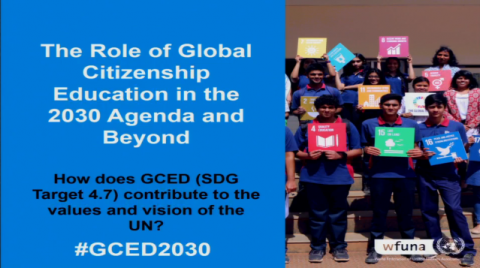 2017联合国全球公民教育研讨会 발행 연도: 2017 단체 저자: United Nations (UN) 2017联合国全球公民教育研讨会全球公民教育在2030年议程及其后的作用:全球公民教育(可持续发展目标4.7)如何促进联合国的价值观和愿景?
  2016 UN Global Citizenship Education Seminar 발행 연도: 2016 단체 저자: United Nations (UN) 2016 UN Global Citizenship Education SeminarSeminar on “Global Citizenship Education: An emerging agenda for peace and preventing violent extremism and promoting sustainable development and human dignity”. This seminar was co-organized by the Permanent Missions of Andorra, Croatia, Jordan and the Republic of Korea; and the Asia-Pacific Centre of Education for International Understanding (APCEIU), the United Nations Educational, Scientific and Cultural Organization/Global Education First Initiative (UNESCO/GEFI), the United Nations Academic Impact (UNAI), the UN-Women, InterPress Service, and the Coalition for Global Citizenship 2030.
  The Missing Peace: Independent Progress Study on Youth, Peace and Security 발행 연도: 2018 단체 저자: United Nations Population Fund (UNFPA) | UN. Peacebuilding Support Office (UN. PBSO) The process of how this study was undertaken is just as important as the outcomes it produced. The study used an inclusive and participatory research approach by undertaking regional, subregional and national consultations with young people across the globe; conducting and receiving country case studies; commissioning focus-group discussions with “hard to reach” youth; and drawing on a survey-based mapping of the work done by youth-led peacebuilding organizations. Particular effort was made to reach out beyond easily accessible and elite youth, to young people who would not ordinarily have a say in these sorts of global policy processes. Given the challenge of young people’s increasing distrust in their governments and the multilateral system, it was essential to work with credible civil society organizations with strong trust-based relationships with youth on the ground. السلام المفقود: دراسة مرحلية مستقلة حول الشباب والسلام والأمن 발행 연도: 2018 단체 저자: United Nations Population Fund (UNFPA) | UN. Peacebuilding Support Office (UN. PBSO) استعانت الدراسة بمنهجٍ بحثيّ شامل وتشارُكي من خلال إجراء استشارات إقليمية وشبه إقليمية ووطنية مع مجموعات من الشباب حول العالم؛ وإجراء وتلقي دراسات حالة قطُرية؛ والتكليف بعقد مناقشات جماعية مركّزة مع الشباب الذين "يصعب الوصول إليهم"؛ والاستفادة من وضع خريطة تستند إلى دراسات استقصائية في العمل الذي أجرته منظمات بناء السلام التي يقودها الشباب. وقد بُذل جهد خاص لكي تشمل الدراسة ما يتجاوز الشباب الذين يسهل الوصول إليهم والشباب النخبة، لتصل إلى الشباب الذين لا تسنح لهم الفرصة عادةً للإدلاء بآرائهم حول هذا النوع من عمليات السياسة العامة العالمية. ونظراً لما يمثّله تفاقم عدم ثقة الشباب بحكوماتهم وبالأنظمة المتعددة الأطراف من تحدٍّ، فقد كان من الضروري العمل مع منظمات المجتمع المدني ذات المصداقية التي تتمتّع بعلاقات متينة قائمة على الثقة مع الشباب على أرض الواقع.
 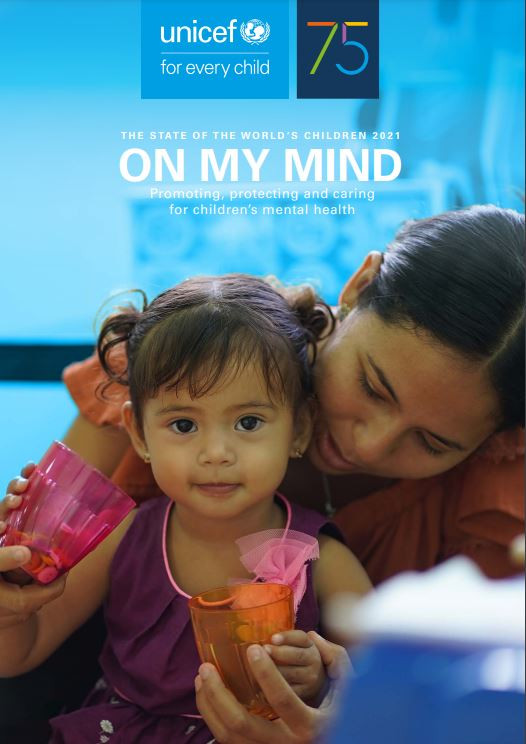 2021年世界儿童状况:心之所想,促进、保护和关爱儿童心理健康 발행 연도: 2021 단체 저자: United Nations Children's Fund (UNICEF) 本报告关注当下世界儿童的心理健康问题,并呼吁全社会对这一议题予以关注并积极干预。
 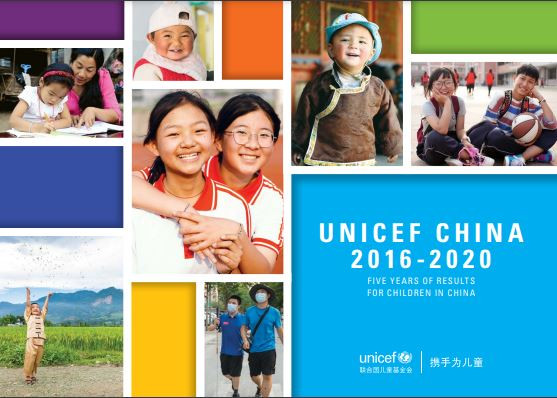 UNICEF CHINA 2016 - 2020: FIVE YEARS OF RESULTS FOR CHILDREN IN CHINA 발행 연도: 2021 단체 저자: United Nations Children's Fund (UNICEF) This report introduces the work of UNICEF in China during 2016-2020, including children protection, education and social policies. 携手共进 造福儿童:联合国儿童基金会在华工作成果 (2016-2020年) 발행 연도: 2021 단체 저자: United Nations Children's Fund (UNICEF) 该报告介绍了联合国儿童基金会2016-2020期间在中国所进行的工作,包含儿童保护、教育、社会政策等方面内容。
 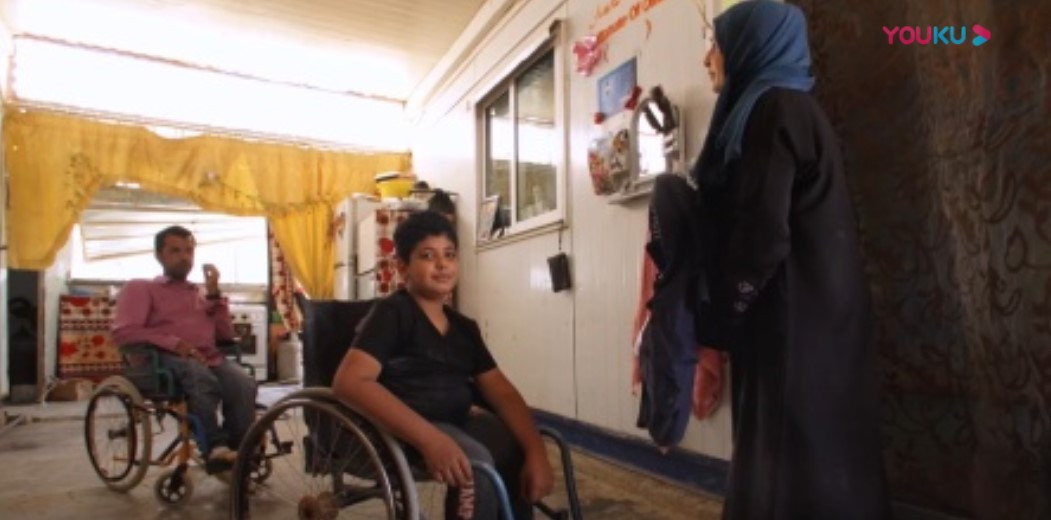 A Small Change That Makes Them Happy in the Refugee Camps! 발행 연도: 2021 단체 저자: 联合国儿童基金会 This video presents the difficulties and challenges faced by children with disabilities in a refugee camp in Syria, and UNICEF's efforts to address them. 一个小小改变,让难民营里的他们开心到飞起! 발행 연도: 2021 단체 저자: 联合国儿童基金会 本视频介绍了叙利亚难民营中残障儿童所面临的困难与挑战,以及联合国儿童基金会为此所作出的努力。
  Girl Rising 발행 연도: 2014 단체 저자: Girl Rising Suma's is one of Girl Rising's 9 remarkable stories. Though her brothers went to school, she was forced into bonded labor at age 6, like many other Nepali girls. Watch this chapter of Girl Rising to see how Suma gained her freedom and how she uses her education in a fight to free other girls. Written by Manjushree Thapa and voiced by Kerry Washington.