
자료
세계시민교육에 대한 이해를 넓히고 연구, 옹호 활동, 교수, 학습 등을 향상시킬 수 있는 다양하고 유용한 자료를 찾아보세요.
28 건의 결과가 검색되었습니다
 Climate Crisis: The Need for Global Citizenship Education 발행 연도: 2020 단체 저자: Bridge 47 This video talks about the climate crisis which is also a human rights crisis, a political crisis, and an economic crisis. And it calls for the fundamental transformation of how we live our lives. To face these global challenges, it emphasizes that we need education that enables us to think critically, connect our actions with their impacts, and act as empowered active global citizens to face.
 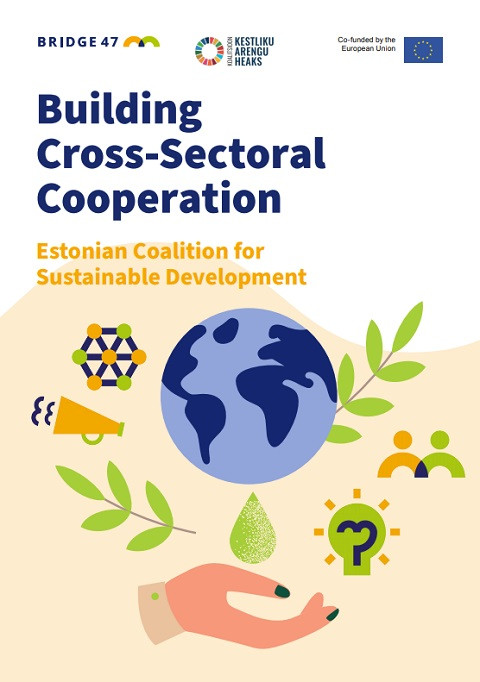 Building Cross-Sectoral Cooperation: Estonian Coalition for Sustainable Development 발행 연도: 2020 단체 저자: Estonian Roundtable for Development Cooperation (AKÜ) | Bridge 47 | European Union (EU) This publication presents the members of Estonian Coalition for Sustainable Development, examples of their actions towards a more sustainable future and also some of the activities that the partnerships together have carried over the past few years. It is a great example of a cross-sectoral cooperation and a way of sharing knowledge.
  What's in a Word? The Problem with 'Development' with Dr Karen Pashby 발행 연도: 2020 저자: Karen Pashby 단체 저자: Bridge 47 Dr Karen Pashby is a Reader at Manchester Metropolitan University and is also part of Bridge 47's Knowledge Exchange Partnership.In this episode, Karen explores development through a post/de-colonial lens, discussing how development is viewed in public discourse and how these effects the field of Development Education.
 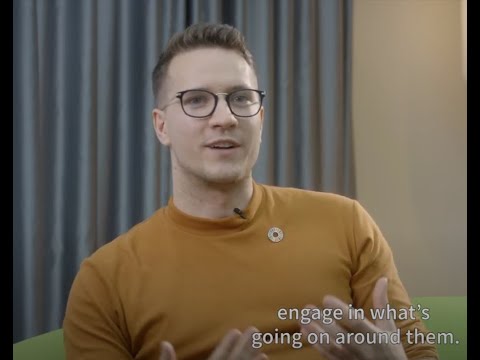 Why Is Target 4.7 So Important to the Sdgs? With Paul Bradley, SCVO 발행 연도: 2020 저자: Paul Bradley 단체 저자: Bridge 47 In this Bridge 47 Network Story, Paul Bradley of The Scottish Council for Voluntary Organizations eloquently talks about why Target 4.7 and Global Citizenship Education is crucial to Achieving the United Nations's SDGs (Sustainable Development Goals).
 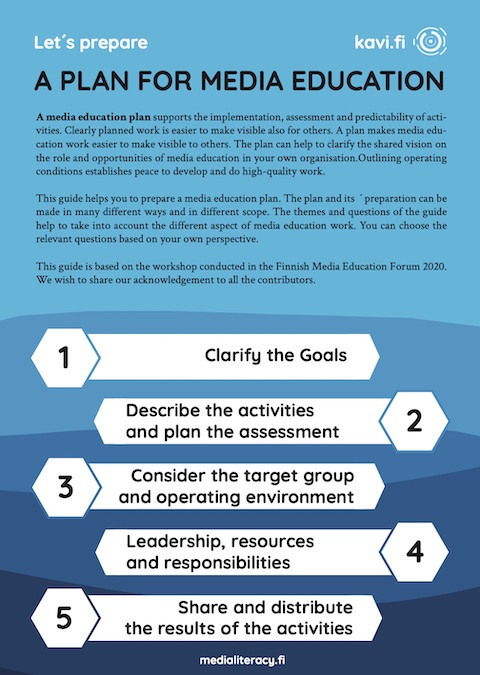 Let's Prepare: A Plan For Media Education 발행 연도: 2020 단체 저자: KAVI National Audiovisual Institute (Finland) This guide helps you to prepare a media education plan. The plan and its preparation can be made in many different ways and in different scope. The themes and questions of the guide help to take into account the different aspect of media education work. You can choose the relevant questions based on your own perspective. This guide is based on the workshop conducted in the Finnish Media Education Forum 2020.
  Active citizenship and late-life learning in the community 발행 연도: 2013 저자: Carmel Borg This paper problematises dominant notions of active citizenship in later life and provides a framework for an alternative view of active citizenship. It also illustrates how adult educators can facilitate learning processes where late-life learners, reflect on the impact of the neoliberal value system and on the consequences of its hegemonic practices on personal and community life, before engaging in transformative action.
 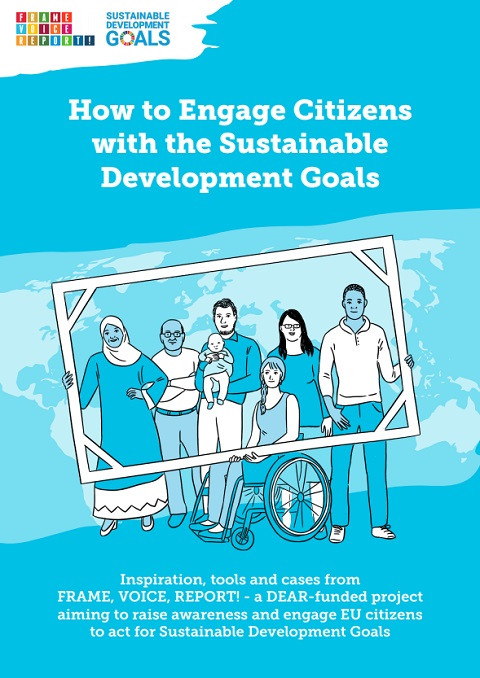 How to Engage Citizens with the Sustainable Development Goals 발행 연도: 2020 단체 저자: Finnish Development NGOs Fingo The purpose of this booklet is to share reflections, successes and learning outcomes from the FRAME, VOICE, REPORT! (FVR) project.It can be used to find inspiration from other civil society organisations (CSOs) working on the same topics and themes you do, but also as a source for ideas for new ways of looking at old issues.This booklet covers both the more theoretical approaches and concrete cases from CSOs across Europe. These cases are examples of the many projects funded by the FVR.The project had its roots in the previous successes and tried and tested approaches of the partner organisations. The aim of FVR! was to secure resources and develop the value-based, high quality work of civil society organisations. The second aim was to enable smaller organisations to learn about EU project funding and to build capacity on how to conduct high quality global citizenship education and development communications. Finally, the overarching aim of the project was to engage EU citizens with the SDGs.
  Global Citizenship Education (GCE) for Unknown Futures: Mapping Past and Current Experiments and Debates 발행 연도: 2019 저자: Rene Suša 단체 저자: Bridge 47 This Bridge 47-commissioned report by Rene Suša provides a thorough overview of current debates and opportunities within the field of Global Citizenship Education (GCE). The report addresses the following questions: 1) What is the benefit of GCE to our societies? 2) What is the impact of GCE to our societies? and 3) Why do we believe that GCE is the answer to global challenges?The publication also maps GCE-related or GCE-inspired initiatives, projects and partnerships, and offers key findings from a comparative study of these cases. Additionally, Susa also further builds on the recent work of Vanessa Andreotti by elucidating her taxonomy of soft, radical and beyond reform spaces for GCE, as well as relates these to current (international) policy developments in the field.