
자료
세계시민교육에 대한 이해를 넓히고 연구, 옹호 활동, 교수, 학습 등을 향상시킬 수 있는 다양하고 유용한 자료를 찾아보세요.
2,162 건의 결과가 검색되었습니다
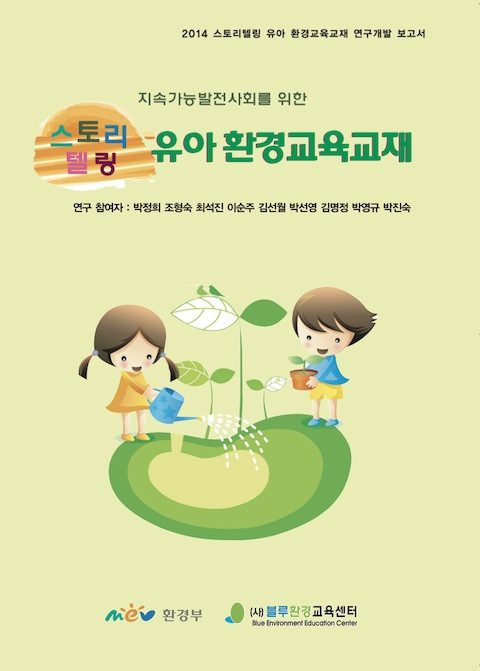 지속가능발전 사회를 위한 스토리텔링 유아환경교육교재 발행 연도: 2014 저자: 박정희 | 조형숙 | 최석진 | 이순주 | 김선월 | 박선영 | 김명정 | 박영규 | 박진숙 단체 저자: 환경부 | 블루환경교육센터 본 자료는 만 3세~5세 유아들의 생태감수성과 환경교육에 중요한 역할을 하는 교사들의 환경교육을 돕고, 유아들의 환경에 대한 이해와 생태감수성을 기르는데 도움이 되도록 구성되었다.
 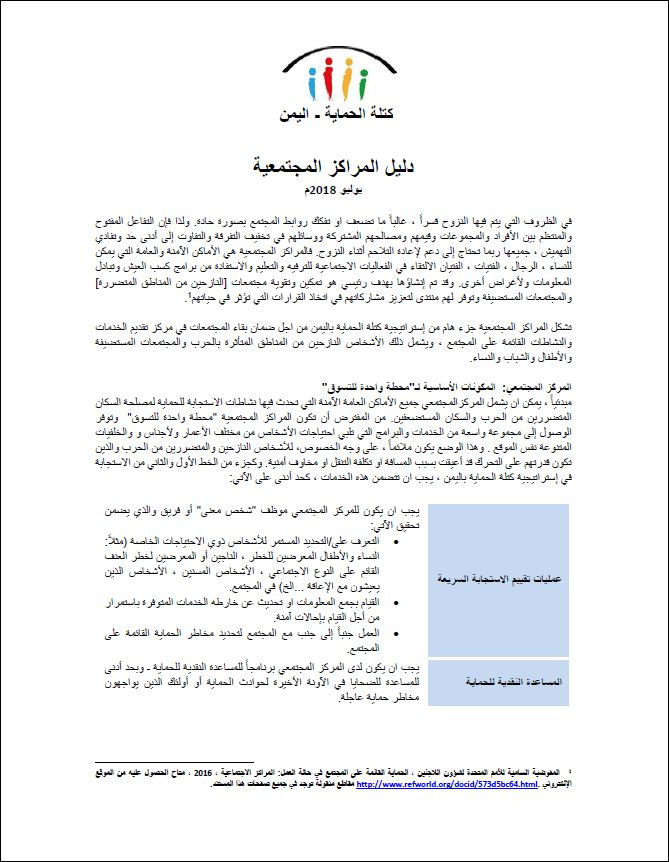 دليل المراكز المجتمعية 발행 연도: 2018 단체 저자: Protection Cluster Yemen تشكل المراكز المجتمعية جزء هام من استراتيجية كتلة الحماية باليمن من اجل ضمان بقاء المجتمعات في مركز تقديم الخدمات والنشاطات القائمة على المجتمع، ويشمل ذلك الأشخاص النازحين من المناطق المتأثرة بالحرب والمجتمعات المستضيفة والأطفال والشباب والنساء. Community Centers Guide 발행 연도: 2018 단체 저자: Protection Cluster Yemen Community centers are an important part of the Protection Cluster strategy in Yemen in order to ensure that communities remain at the center of providing services and community-based activities, including those displaced from war-affected areas and host communities and children, youth and women.
 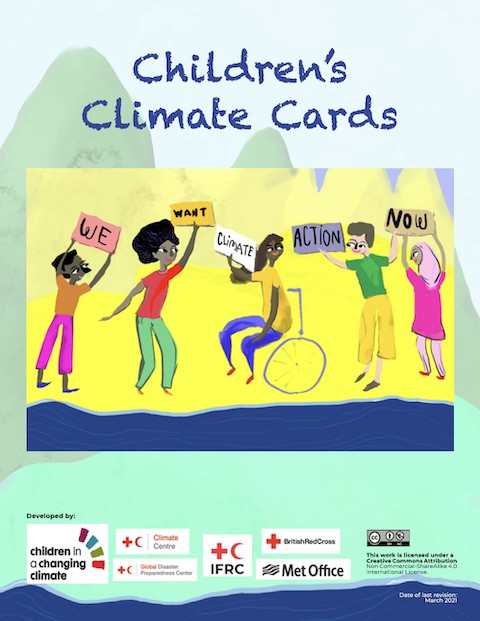 Children's Climate Cards 발행 연도: 2021 단체 저자: Plan International These children’s climate cards provide a series of inspiring and interactive activities to engage children on the climate change agenda and call for climate action.
  2020 세계시민윤리 콘텐츠: 세계시민으로 성장하는 학습 꾸러미 발행 연도: 2021 저자: 배성호 | 임재민 | 최유정 | 정미선 | 승현아 | 홍윤빈 | 강방식 | 윤상철 | 박범철 단체 저자: 서울특별시교육청 세계시민으로 성장하는 학습 꾸러미(2020 세계시민윤리 콘텐츠)는 초등학교, 중학교, 고등학교의 학교급 대상으로 각각 구성되어 있으며 각각 나에서 우리, 그리고 사회 및 세계로 학생들이 바라보는 영역을 확장할 수 있도록 하였으며 학생 중심의 수업에서 교사와 학생 모두가 관심을 가질 만한 내용으로 구성되었다. 학습 주제와 관련된 교과목에서 직접 수업을 운영할 수도 있지만 창체나 자유학년제 프로그램 혹은 학년말의 전환기 프로그램에서도 사용할 수 있고 관련 동아리 수업에서도 활용이 가능하도록 하였다.
 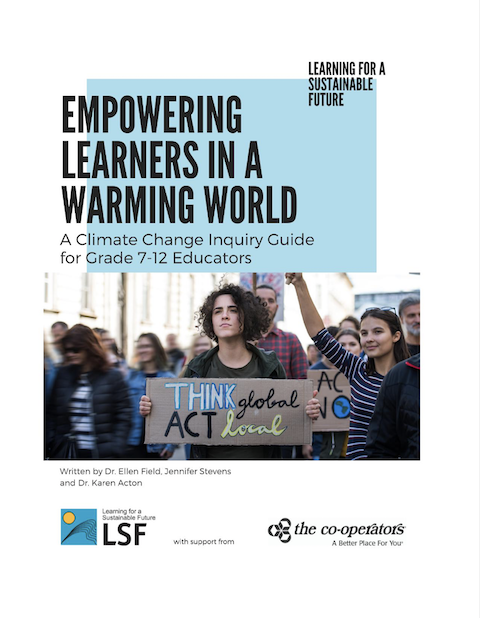 Équiper nos apprenants à un monde en réchauffement : Guide d’apprentissage par l’enquête sur le changement climatique pour les éducateurs du secondaire 발행 연도: 2020 저자: Ellen Field | Jennifer Stevens | Karen Acton 단체 저자: Learning for a Sustainable Future (LSF) Ce guide suit les principes directeurs de apprentissage par l’enquête. Il a pour but de proposer des occasions de favoriser l’évolution de la compréhension des élèves à l’égard du climat et du changement climatique, d’évaluer les risques et les occasions d’y remédier, de s’adapter au climat changeant, d’analyser les dimensions éthiques et de respecter les émotions qui découlent nécessairement du processus lié à la compréhension de la complexité et de l’urgence du problèmeLes stratégies d’enseignement transformatrices, telles que d’apprentissage par l’enquête , sont mieux adaptées à l’enseignement de problèmes complexes, comme le changement climatique. Ces stratégies utilisent souvent, comme point de départ, les connaissances et les expériences que les élèves détiennent déjà. Les éducateurs, qui eux-mêmes sont aux prises avec les enjeux liés au changement climatique, jouent le rôle de facilitateur pour guider les apprenants et aider la classe à collaborer pour apprendre, penser de façon critique et passer à l’actionEnfin et surtout, ce guide vise à mobiliser les élèves pour qu’ils contribuent aux solutions à école, dans la communauté et à la maison. Ce guide propose aux éducateurs des stratégies didactiques permettant aux élèves d’exprimer leurs perspectives et leur voix, des recherches et données scientifiques courantes sur le changement climatique, des ressources et activités, ainsi que des solutions pour agir.
  Tandems solidaires: Un dispositif d’éducation à la citoyenneté mondiale au service des territoires; Guide à destination des collectivités territoriales de Bourgogne-Franche-Comté 발행 연도: 2021 단체 저자: Bourgogne-Franche-Comté International Il s'agit d'un guide d'engagement dans le dispositif Tandems Solidaires à destination des collectivités territoriales de Bourgogne-Franche-Comté : la région académique Bourgogne-Franche-Comté, la région Bourgogne-Franche-Comté, le département du Jura, le département de la Territoire de Belfort, la Ville de Belfort, la Ville de Besançon, la Ville de Dijon et la Ville de Nevers.Toutes les collectivités territoriales peuvent mettre en place une politique publique locale d'éducation à la citoyenneté mondiale, afin d'agir à leur échelle en faveur de l'éducation, de l'information et de la sensibilisation des habitants, et plus particulièrement des jeunes générations. Le dispositif « clé en main » des Tandems Solidaires permet aux collectivités de s'engager efficacement dans cette voie, en donnant aux élèves de la maternelle au lycée la possibilité de participer activement à un projet d'éducation à la citoyenneté mondiale dans la région aux côtés d'une association régionale qui travaille dans ce domaine.
 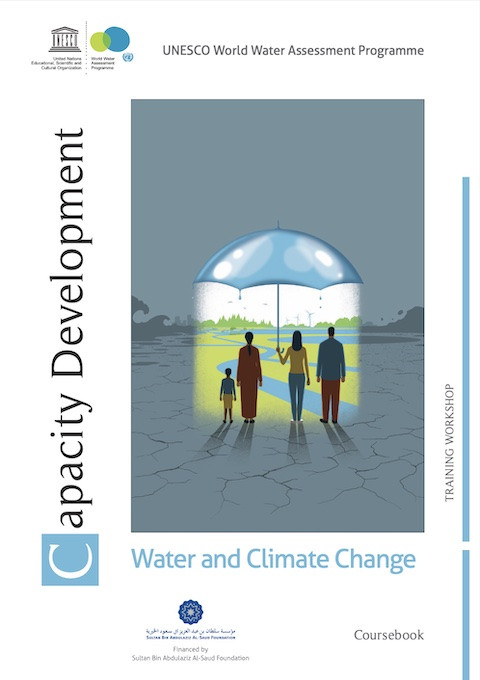 الميا ه وتغير المناخ كتاب التدريب 발행 연도: 2020 단체 저자: UNESCO World Water Assessment Programme (WWAP) تقرير الأمم المتحدة العالمي عن تنمية الموارد المائية هو التقرير الرئيسي الذي تصدره آلية الأمم المتحدة للمياه بشأن قضايا المياه والصرف الصحي، وهو يركز في كل عام على موضوع مختلف. وتتولى اليونسكو نشر التقرير، باسم الآلية، ويضطلع برنامج اليونسكو العالمي لتقييم الموارد المائية بتنسيق عملية إعداده وإصداره. ويوفر التقرير رؤية متعمقة بشأن الاتجاهات الرئيسية المتعلقة بحالة المياه العذبة وخدمات الصرف الصحي واستخدامها وإدارتها، بالاستناد إلى العمل الذي يقوم به أعضاء آلية الأمم المتحدة للمياه وشركاؤها. والتقرير، الذي يصدر بالاقتران مع اليوم العالمي للمياه، يزود صانعي القرار بالمعارف والأدوات اللازمة لصياغة وتنفيذ سياسات مستدامة بشأن المياه. وهو يطرح كذلك أفضل الممارسات والتحليلات المتعمقة حفزًا للأفكار والإجراءات من أجل الارتقاء بالإدارة في قطاع المياه وغيره من القطاعات.وتبين طبعة عام 2020 من التقرير العالمي عن تنمية الموارد المائية، التي تحمل عنوان ‘‘المياه وتغير المناخ’’، الروابط البالغة الأهمية التي تربط بين المياه وتغير المناخ في سياق برنامج التنمية المستدامة الأع ّم. ويقدم التقرير، الذي تدعمه أمثلة من جميع أنحاء العالم، وصفًا لكل من التحديات التي يفرضها تغير المناخ والفرص التي يتيحها، ويعرض إجراءات يمكن اتخاذها على صعيد الاستجابة - من حيث التكيف والتخفيف وتحسين القدرة على الصمود - من خلال تعزيز إدارة الموارد المائية، وتخفيف المخاطر المتعلقة بالمياه، وتحسين سبل حصول الجميع على إمدادات المياه وخدمات الصرف الصحي بطريقة مستدامة. وهو يتناول العلاقات المتداخلة بين المياه والناس والبيئة والاقتصاد في ظل مناخ متغير، ويوضح الكيفية التي يمكن بها لتغير المناخ أن يكون حافزًا إيجابيًا على تحسين إدارة المياه وحوكمتها وتمويلها من أجل إيجاد عالم مستدام ومزدهر للجميع.ويقدم التقرير مساهمة لقاعدة المعارف المتعلقة بتغير المناخ تركز على المياه وتستند إلى الحقائق. وهو مك ِمل للتقييمات العلمية القائمة ومص َّمم لدعم الأطر السياسية الدولية، بهدف مساعدة الأوساط المعنية بالمياه على التصدي للتحديات التي يطرحها تغير المناخ، وإطلاع الأوساط المعنية بتغير المناخ على الفرص التي يوفرها تحسين إدارة المياه من حيث التكيف مع تغير المناخ والتخفيف من آثاره. Water and Climate Change: Coursebook 발행 연도: 2020 단체 저자: UNESCO World Water Assessment Programme (WWAP) The United Nations World Water Development Report (WWDR) is UN-Water’s flagship report on water and sanitation issues, focusing on a different theme each year. The report is published by UNESCO, on behalf of UN-Water and its production is coordinated by the UNESCO World Water Assessment Programme. The report gives insight on main trends concerning the state, use and management of freshwater and sanitation, based on work done by the Members and Partners of UN-Water. Launched in conjunction with World Water Day, the report provides decision-makers with knowledge and tools to formulate and implement sustainable water policies. It also offers best practices and in-depth analyses to stimulate ideas and actions for better stewardship in the water sector and beyond.The 2020 edition of the WWDR, titled ‘Water and Climate Change’ illustrates the critical linkages between water and climate change in the context of the broader sustainable development agenda. Supported by examples from across the world, it describes both the challenges and opportunities created by climate change, and provides potential responses – in terms of adaptation, mitigation and improved resilience – that can be undertaken by enhancing water resources management, attenuating water-related risks, and improving access to water supply and sanitation services for all in a sustainable manner. It addresses the interrelations between water, people, environment and economics in a changing climate, demonstrating how climate change can be a positive catalyst for improved water management, governance and financing to achieve a sustainable and prosperous world for all.The report provides a fact-based, water-focused contribution to the knowledge base on climate change. It is complementary to existing scientific assessments and designed to support international political frameworks, with the goals of helping the water community tackle the challenges of climate change, and informing the climate change community about the opportunities that improved water management offers in terms of adaptation and mitigation.
 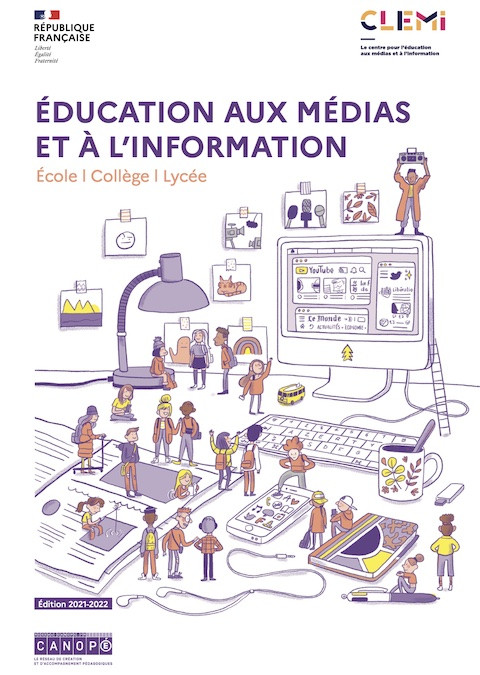 Éducation aux médias et à l’information (Édition 2021-2022) 발행 연도: 2021 단체 저자: Centre pour l’éducation aux médias et à l’information (CLEMI) | Réseau Canopé Cette édition 2021-2022 s'est enrichie de nouvelles fiches pédagogiques, pour le 1er comme pour le 2nd degré. Vous y trouverez notamment :Les informations pratiques (socle commun, textes réglementaires...) et les dispositifs du CLEMI (Semaine de la presse et des médias dans l'école, Concours Médiatiks, #ZéroCliché, Classe investigation...), afin de présenter les enjeux de l'Éducation aux médias et à l'information et les moyens proposés par le CLEMI pour la mettre en œuvre.Le focus Déclic' Critique, qui présente des exemples d'ateliers proposés en classe par le CLEMI et explique comment utiliser ces séquences pour développer l'esprit critique des élèves.Une partie est consacrée aux médias scolaires, à la fois pour encourager cette pratique mais aussi mieux la valoriser.Dans la partie 1er degré, vous trouverez deux nouvelles fiches pédagogiques organisées en séquence sur le dessin de presse et la liberté d'expression. Et toujours les ressources nécessaires pour découvrir la presse, vérifier les images sur internet ou encore analyser un journal télévisé.La partie 2nd degré va s'intéresser elle aussi à la liberté d'expression et son expérimentation en classe, ainsi qu'à la question du complotisme, mais aussi à l'évaluation des discours scientifiques sur YouTube, aux biais cognitifs, ou encore la représentation des datas en photo et vidéo.