
자료
세계시민교육에 대한 이해를 넓히고 연구, 옹호 활동, 교수, 학습 등을 향상시킬 수 있는 다양하고 유용한 자료를 찾아보세요.
950 건의 결과가 검색되었습니다
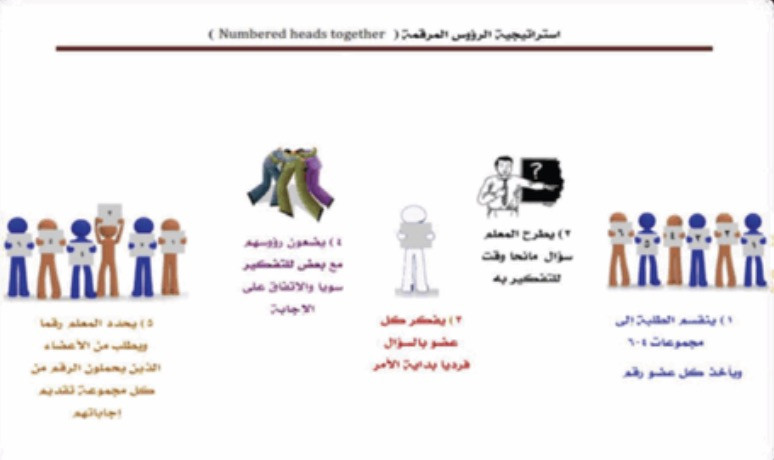 Learning Strategies to Teach Examplary Curricula to Fight Corruption 발행 연도: 2022 저자: Fadila Boutora 단체 저자: Hamad Bin Khalifa University Press Corruption crimes are among the crimes that have turned into a serious global phenomenon, the severity of which varies from one state to another. Accordingly, adopting educational curricula to teach exemplary anti-corruption courses is also one of the mechanisms to prevent the spread of corruption. Especially since teaching is one of the tools for the advancement of human societies in all fields.
 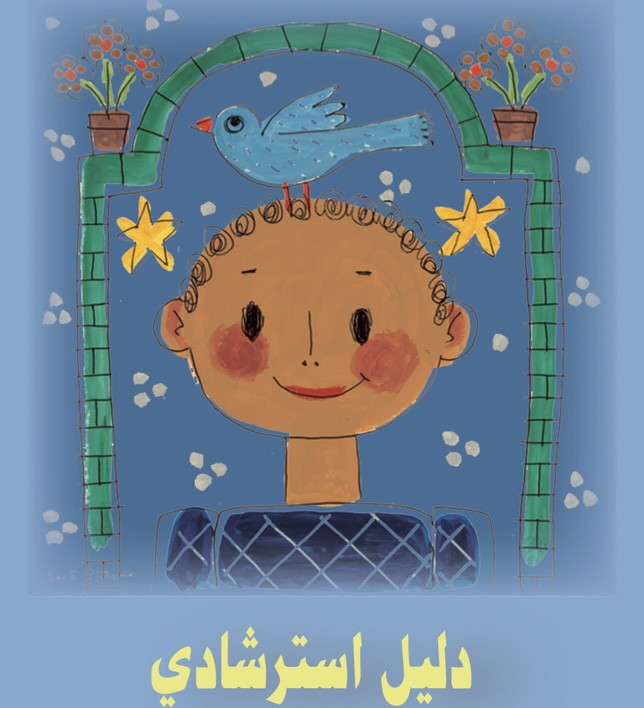 دليل استرشادي لصياغة سياسات حماية حقوق الطفل في المنطقة العربية وفق النهج الحقوقي 발행 연도: 2015 저자: Adel Azar | Ahmed Abd al manaem | Abdul Latif Mahmoud | Ibtisam Al-Jafarawi | Mahmoud Bastami 단체 저자: Arab Council for Childhood and Development (ACCD) هذا العمل يهدف إلى بناء دليل استرشادي لسياسات الحماية في إطار تعزيز الانتقال من نهج النموذج التجزيئي الذي يتعامل مع احتياجات الطفل في إطار الأوضاع القائمة بل وإعادة إنتاجها، أي باعتبار ما يحتاجه الطفل من خدمات، للانتقال من هذا النهج، إلى نهج النموذج العلمي الذي يتطلع إلى التغيير الشامل. اهتم هذا الدليل بتوفير رؤية شاملة ومتكاملة لسياسات حقوق الطفل، وصياغة معايير ودلالات هذه الحقوق وبرمجتها لضمان إنفاذها، وبناء سياسات فاعلة تكفل حقوق ورفاه الطفل في المنطقة العربية. A Guideline for Formulating Child Rights Protection Policies in the Arab Region according to the Human Rights Approach 발행 연도: 2015 저자: Adel Azar | Ahmed Abd al manaem | Abdul Latif Mahmoud | Ibtisam Al-Jafarawi | Mahmoud Bastami 단체 저자: Arab Council for Childhood and Development (ACCD) This work aims to build an indicative guide for children protection policies in the context of promoting the transition from the approach of the fragmented model that deals with the needs of the child within the framework of the existing conditions and even its reproduction. It also considers the services that the child needs, to move from this approach, to the approach of the scientific model that aspires to comprehensive change. This guide is concerned with providing a comprehensive and integrated vision of children's rights policies, formulating standards and implications for these rights and programming them to ensure their enforcement, and building effective policies that guarantee the rights and well-being of children in the Arab region.
  Challenges of Distance Education Facing Students with Learning Disabilities from the Teachers’ Perspective (Arts for Psychological & Educational Studies; vol. 1, no. 14) 발행 연도: 2022 저자: Abd al-Rahman al-Matroudi | Abdullah Al-Rubaian 단체 저자: Dhamar University The current study aimed to identify the challenges of distance education facing students with learning disabilities in the primary schools of Al Qassim region from the teachers’ perspective. The study sample consisted of 92 teachers of learning disabilities (58) males and (34) females. To achieve the study objectives, the descriptive survey method was used by designing a questionnaire to collect the study data. The study revealed many interesting findings, the most important of which is teachers’ insufficient knowledge of the necessary curriculum modifications needed to meet the needs of their students during distance education. The results also revealed statistically significant differences in teachers’ responses to distance education challenges facing students with learning disabilities in the primary schools due to gender differences, in favor of males. Based on these results, it was recommended that effective educational alternatives be provided by educational institutions in the case of communication problems or internet outages. These alternatives would enable students with learning disabilities to continue learning and get the fullest benefits.
  الضمانات الدولية لحماية الحق في التعليم في القانون الإنساني الدولي (مجلة ذي قار للفنون ، المجلد 33 ، العدد 1). 발행 연도: 2019 저자: Firas Jasim 단체 저자: Dhi Qar University يعد الحق في التعليم واحداً من أهم حقوق الإنسان الذي حرص القانون الدولي على ضمان حمايته وقت السلم والنزاعات المسلحة. إذ يعزز القانون الدولي الإنساني إلى جانب الأنظمة القانونية الأخرى الأحكام القانونية الرامية لضمان حصول الأفراد على حقهم في التعليم الذي كثيرًا ما يتعرض للانتهاك في أوضاع النزاعات المسلحة. قسم البحث الى ثلاثة مباحث تضمن الأول مفهوم الحق في التعليم، في حين تناول الثاني آليات القانون الدولي الإنساني في حماية الحق في التعليم، بينما تعرض المبحث الثالث الى السبل القانونية لمواجهة انتهاكات الحق في التعليم. وانتهى البحث بخاتمة تضمنت أبرز الاستنتاجات التي توصل البحث إليها ومجموعة من التوصيات التي نأمل أن تسهم في تعزيز حماية الحق في التعليم إبان النزاعات المسلحة. International Guarantees to Protect the Right to Education in International Humanitarian Law (Thi Qar Arts Journal; vol. 33, no. 1) 발행 연도: 2019 저자: Firas Jasim 단체 저자: Dhi Qar University The right to education is one of the most important human rights that international law is keen to ensure its protection in times of peace and armed conflicts. International humanitarian law, along with other legal systems, reinforces legal provisions aimed at ensuring that individuals obtain their right to education, which is often violated in situations of armed conflict. The research was divided into three sections, the first included the concept of the right to education, while the second dealt with the mechanisms of international humanitarian law in protecting the right to education, while the third section presented legal means to confront violations of the right to education.
 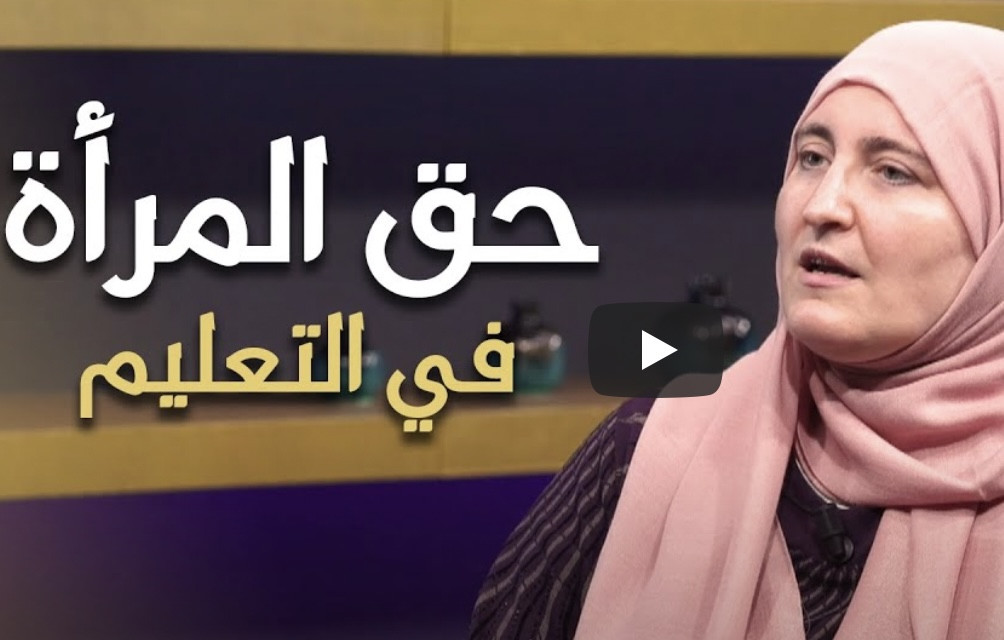 حق المرأة في التعليم 발행 연도: 2021 저자: Alya Shaker 단체 저자: Qaf TV الفيديو عبارة عن حلقة من برنامج "دولة النساء" في قناة قاف التفاعلية. الحلقة بعنوان "المرأة محقها في التعليم". تناولت فيها المذيعة الموضوع مع الدكتورة "نسيبة جلال". الحلقة ناقشت نظرة الدين الإسلامي الحنيف في حق المرأة في التعليم والأسباب الاجتماعية والاقتصادية التي كانت تمنع المرأة من التعلم وواقعها اليوم وما هي الآثار الإيجابية الكثيرة في حال تعليم المرأة من الناحية الشخصية والاجتماعية والاقتصادية. وأيضا تناقش الأسباب المساعدة على تيسير وتطبيق هذا الحق في أيامنا الحالية.
  Education Investments in Middle East, Eastern and Southern Africa: Gaps & Opportunities Towards Sustainable Financing Beyond GPE Commitments 발행 연도: 2022 단체 저자: Plan International To achieve the goals of the global and continental agendas of repositioning access, equity, quality education and skills development as key drivers of inclusive growth and sustainable development, African governments must provide a level of predictable and sustainable investment in education. With these strategic investments, African countries can change the status quo, accelerate the pace of catching up with the developed countries and be able to compete in an increasingly technology and knowledge-based world where skills have become the “global currency of the 21st century”. Plan International in Middle East, Eastern and Southern Africa commissioned a study to assess the extent to which the Education Sector budget is adequate, gender-responsive and inclusive and to analyse education budget trends between 2019 and 2021. The focus was to generate concrete evidence regarding trends in education sector budget allocations and expenditure. Furthermore, due to the recent pandemic, the study aimed to compare current and previous allocations to detect trends/patterns in allocations and any reallocations due to COVID-19. Specifically, the study sought to: Analyse allocations (and expenditure) to the education sector with a particular focus on initiatives aimed at supporting the provision of gender-responsive and disability-inclusive education in line with the country policies; Assess the efficiency of resource allocation and use against planned expenditure; and Recommend effective strategies for CSOs and citizens to advocate for education budget increase to or above 20% of the national budget and 6% of GDP. The study focused on 10 countries in the region – Kenya, Uganda, Zambia, Malawi, Zimbabwe, South Sudan, Tanzania, Egypt, Somalia and Rwanda. With a multi-pronged research process of budget tracking and analysis, policy analysis, political economy analysis and varied data collection methods – the research findings and recommendations are ready for wider dissemination and use.
  Sustainable Development in the State of Qatar: Achievements and Challenges 발행 연도: 2008 저자: Nuzad Alhiti | Mohammed Almahindi 단체 저자: Standing Committee for Housing This book deals with the theoretical frameworks of sustainable development and its applications in the State of Qatar. It has been divided into four chapters. The first chapter deals with a statement of the concept of sustainable development, its dimensions and the development it has witnessed, as well as clarification of the indicators of sustainable social, economic, environmental and institutional development. The second chapter reviews the institutional and legislative developments for sustainable development in the State of Qatar, and the most important initiatives undertaken by the state to achieve sustainable development, in addition to a statement of the most important strategies and policies developed by the state in the social, economic, environmental and institutional fields of sustainable development. As for the third chapter, it deals with the analysis of the most important indicators of sustainable social, economic, environmental and institutional development, and its strengths and weaknesses, while the fourth and final chapter reviews the most important challenges facing sustainable development in the State of Qatar.
  برنامج القيادة والمواطنة الفاعلة: رحلة تعلّم إبداعية لطلبة البكالوريوس 발행 연도: 2018 단체 저자: Berziet University انطلاقاً من قناعة وإيمان جامعة بيرزيت برؤيتها لدورها باعتبارها مؤسسة ريادية بكافة مكوناتها تساهم في الإنتاج المعرفيّ ببعديه الوطني والعالمي، والتزامها برسالتها من خال «توفير بيئة مستنيرة ذات استقلاليّة تتيح حريّة الفكر والتعبير، وتحرص على الممارسات الديمقراطيّة والحوار، وتحفّز التميّز والإبداع والابتكار والرياديّة في التعليم والتعلُّم والبحث؛ لرفد المجتمع بالكفاءات والمعارف التي من شأنها قيادة التغيير والمساهمة في رقيّه وتقدمه، تم إطلاق برنامج القيادة والمواطنة الفاعلة «مساري » مع بداية العام الأكاديمي 2017 / 2018 ، ليعزز دور الجامعة في تطوير رؤية متجدّدة للتعليم، وليكون حافزاً للطلبة للبدء برسم مسار حياتهم وانخراطهم في محيطهم منذ اليوم الأول الذي يخطون فيه عتبة الجامعة، وذلك من خال منهج مجاور co-curricular يُنفّذ بالتوازي مع البرامج الأكاديمية والأنشطة المنهجية واللامنهجية، ويُعتبر جزءاً رئيسياً مكمّلاً لمسيرتهم التعليميّة وتجربتهم الجامعيّة.يستوحي برنامج مساري إطاره الفكريّ العام من تجربة وخبرة جامعة بيرزيت في تطوير الإطار المفاهيمي والبرامجي للمهارات الحياتية والتعليم من أجل المواطنة لمنطقة الشرق الأوسط وشمال إفريقي وذلك ضمن إطار مبادرة إقليمية مشتركة أطلقتها منظمة اليونيسف عام 2015 بالتعاون مع دول المنطقة ومؤسسات دوليّة.