
자료
세계시민교육에 대한 이해를 넓히고 연구, 옹호 활동, 교수, 학습 등을 향상시킬 수 있는 다양하고 유용한 자료를 찾아보세요.
884 건의 결과가 검색되었습니다
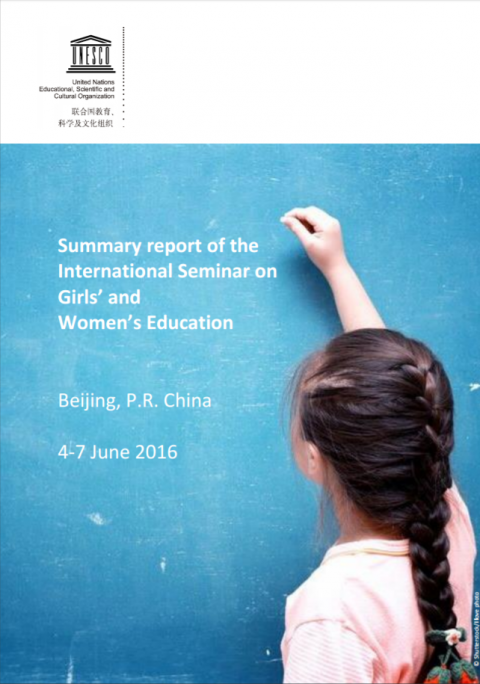 Informe resumido del Seminario internacional sobre la educación de las niñas y las mujeres, Beijing, R. P. China, 4-7 de junio de 2016 발행 연도: 2016 단체 저자: National Commission of the People's Republic of China for UNESCO | UNESCO Beijing The International Seminar on Girls’ and Women’s Education, held 4-6 June 2016 in Beijing, explored benefits of education on girls and women along with barriers to the achievement of gender equality in education. It provided a platform for dialogue on the role of education for girls and women, particularly in the context of the 2030 Agenda for Sustainable Development, and specifically in reaching SDG 4 and supporting the achievement of other SDGs. The event also marked the first award ceremony of the UNESCO Prize for Girls’ and Women’s Education, which honoured two laureates for their outstanding innovation and contributions to advancing girls’ and women’s education. This publication presents a synthesis of information that was shared during the seminar’s sessions, and the findings and recommendations originating from the exchanges.
 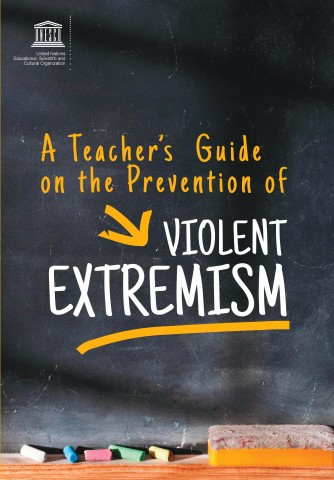 폭력적 극단주의 예방을 위한 교사 지침서 발행 연도: 2016 단체 저자: 유네스코 이것은 유네스코 최초의 교육을 통한 ‘폭력적 극단주의 예방을 위한 교사지침서(Teacher's Guide on the Prevention of Violent Extremism)’이다. 이 문서는 2015년 10월 유네스코 집행이사회가 채택한 결정문(197/EX Decision 46)안에 언급된 것으로서 유네스코 회원국의 요구에 직접 반응하기 위하여 개발되었으며, 국제 기구가 인권 중심의 글로벌시민교육(GCED) 프로그램을 통해 폭력적 극단주의에 대한 교육 부분에서의 대응을 강화하고, 각국의 상황을 염두하여 국가적인 지원과 도움을 제공하는 능력을 향상시킬 것을 요구하고 있다. 따라서 본 지침서는 교육 부문과 관련하여 유네스코가 유엔 사무 총장의 폭력적 극단주의를 예방하기 위한 행동 계획을 실행하는 데에 있어서 처음으로 기여한 것으로 여겨진다. 그리고 이 지침서와 더불어 현재 교육부 내의 교육 정책 결정자를 위한 기구(Organization for Education Policy-Makers)에서는 기술적 지침을 개발 중이다. 이 지침은 포괄적이고 실용적인 교육 부문 차원의 대응을 통해 폭력적 극단주의의 동인(動因)이 되는 것들을 다루기 위한 국가적 역량을 구축하고 강화시키는 데 도움을 줄 수 있는 일련의 자원들을 국가에 제공하고자 한다. 각양 각색의 지리학적 및 사회 문화적 맥락 안에서 본 교사지침서가 타당성을 갖추기 위하여 여러 지역의 전문가와 교사, 그리고 선택된 국가의 교육 분야 이해 관계자들이 현장에서 실시한 광범위한 상담 과정을 거쳐 개발되었다. 그러므로 이 지침서는 학습자의 특정 요구에 부응하기 위해서, 더욱 맥락화 시키고, 적용시키고, 번역하는 프로토타입으로 간주하거나 이 자체를 그대로 사용할 수 있다. Методическое пособие по предотвращению насильственного экстремизма 발행 연도: 2016 단체 저자: Организация Объединенных Наций по вопросам образования, науки и культуры (UNESCO) Насильственный экстремизм и движущие факторы радикализации относятся к числу наиболее распространенных проблем нашего времени. Нельзя сказать, что насильственный экстремизм присущ только тому или иному возрасту либо полу, той или иной группе либо общине, однако перед идеями его сторонников и членов террористических организаций особенно уязвимы молодые люди.Сталкивающаяся с такими угрозами молодежь должна располагать возможностями для своевременного получения актуального образования, с тем чтобы овладеть знаниями, навыками и жизненными установками, которые могут помочь ей противостоять вышеупомянутой пропаганде.Развитие таких компетенций требует помощи со стороны квалифицированных преподавателей, пользующихся доверием и уважением со стороны молодых людей и поддерживающих с ними тесные контакты.Настоящее пособие разработано с учетом этой проблематики в помощь учителям старших классов начальной школы и младших и старших классов средней школы. Авторы пособия надеются, что оно поможет работе учителей в рамках как формального, так и неформального образования. دليل المعلم حول منع التطرف العنيف 발행 연도: 2016 단체 저자: منظمة الأمم المتحدة للتربية والعلم والثقافة (UNESCO) إنه دليل اليونسكو الأول للمعلم حول منع التطرف العنيف من خلال التعليم. جرى تطوير هذه الوثيقة استجابة فورية لحاجات الدول الأعضاء في اليونسكو، كما جاء في القرار التاريخي،20151 EX/197 رقم 46 الذي اتخذه المجلس التنفيذي لليونسكو في تشرين الأول/أكتوبر ويدعو فيه المنظمة إلى تعزيز قدرتها لتوفير المساعدة للبلدان الساعية إلى تقوية استجابة قطاعها التربوي للتطرف العنيف، بما فيه بواسطة برامج التربية العالمية على المواطنة القائمة على حقوق الإنسان، مع مراعاة السياقات الوطنية...بغية ضمان انطباق دليل المعلمين هذا على مختلف السياقات الجغرافية والاجتماعية والثقافية، فقد جرى وضعه بعد عملية تشاورية موسعة مع خبراء ومعلمين من المناطق المختلفة، كما اختبرته ميدانياً الأطراف التربوية المعنية في البلدان المختلفة بالتالي، و يمكن استخدامه كما هو، أو اعتباره نموذجاً يحتاج إلى أن يوضع في سياقه، ويترجم بغية تلبية حاجات المتعلمين المحددة.... في المرحلة العليا من التعليم آخذين هذا في الاعتبار، جرى وضع هذا الدليل للمعلمين في المرحلة العليا من التعليم الابتدائي، والمرحلة الدنيا والمرحلة العليا من التعليم الثانوي. كما تم تطويره مع الأمل بتمكنه من من دعم جهود المعلمين في الأطر التربوية النظامية وغير النظامية....ويسعى هذا الدليل بشكل خاص إلى: تقديم النصائح العملية حول متى وكيف تُناقش مسألة التطرف العنيف مع المتعلمين... ومساعدة المعلمين في تأمين مناخ عام في الصف الدراسي يفضي إلى الحوار المحترم والنقاش المفتوح والتفكير النقدي. عناوينه الرئيسة: حول التطرف العنيف، إدارة المناقشات في قاعة الصف، الرسائل الأساسية الواجب إيصالها، الأسئلة الأكثر طرحا ومراجع.
 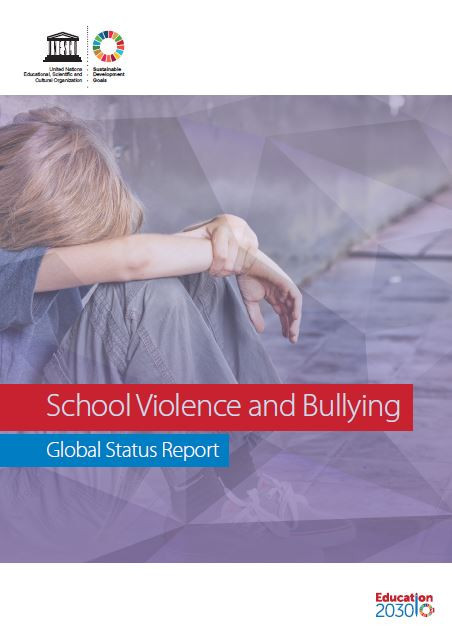 School Violence and Bullying: Global Status Report 발행 연도: 2017 단체 저자: UNESCO School violence and bullying occurs throughout the world and affects a significant proportion of children and adolescents. It not only negatively impacts their educational outcomes, but harms their physical health and emotional well-being.This report aims to provide an overview of the most up-to-date available data on the nature, extent and impact of school violence and bullying and efforts to address the problem. It was prepared by UNESCO and the Institute of School Violence and Prevention at Ewha Womans University for the International Symposium on School Violence and Bullying: From Evidence to Action, Seoul, Republic of Korea, 17 – 19 January, 2017. A Teacher's Guide on the Prevention of Violent Extremism 발행 연도: 2016 단체 저자: UNESCO The Guide aims to support teachers in offering young people relevant and timely learning opportunities to develop knowledge, skills and attitudes that build their resilience to violent extremist propaganda. It focuses on providing practical advice on when and how to discuss the issue of violent extremism and on creating a classroom climate that is inclusive and conducive to respectful dialogue, open discussions and critical thinking. Guide du personnel enseignant pour la prévention de l’extrémisme violent 발행 연도: 2016 단체 저자: Organisation des Nations Unies pour l'éducation, la science et la culture (UNESCO) Ce Guide a pour objectif d’aider les enseignants à offrir aux jeunes des possibilités d’apprentissage pertinentes et opportunes pour développer les connaissances, compétences et attitudes nécessaires pour renforcer leur résilience face à la propagande violente extrémiste. Il contient des conseils pratiques pour aborder la question de l'extrémisme en classe de manière pertinente et au moment adéquat, ainsi que sur les conditions à mettre en place pour créer un climat inclusif et propice au respect mutuel, à des discussions ouvertes et à l'exercice d'une pensée critique.
 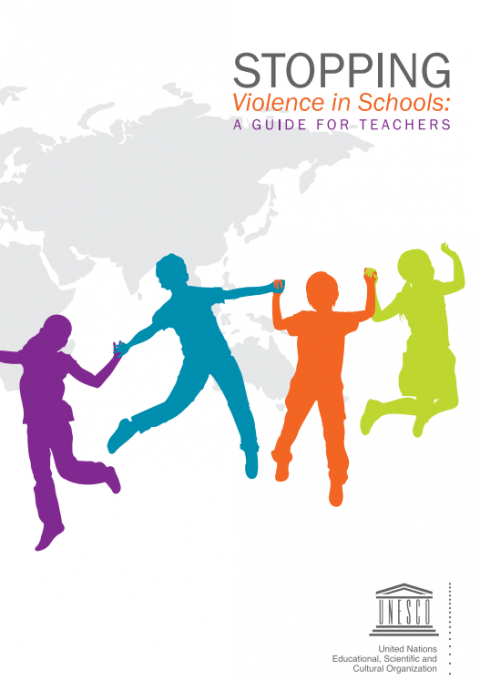 Stopping violence in schools: a guide for teachers 발행 연도: 2014 단체 저자: UNESCO “Stopping Violence in Schools: A Guide for Teachers” examines various forms of violence that take place in schools, and offers practical suggestions as to what teachers can do to prevent them. Ten action areas are proposed, each with specific examples that teachers can adapt to address and prevent violence. Excerpts from relevant international normative instruments as well as a list of links to online resources for stopping violence in schools are annexed at the end of the book. En finir avec la violence à l'école: guide à l'intention des enseignants 발행 연도: 2014 단체 저자: Organisation des Nations Unies pour l'éducation, la science et la culture (UNESCO) “Stopping Violence in Schools: A Guide for Teachers” examines various forms of violence that take place in schools, and offers practical suggestions as to what teachers can do to prevent them. Ten action areas are proposed, each with specific examples that teachers can adapt to address and prevent violence. Excerpts from relevant international normative instruments as well as a list of links to online resources for stopping violence in schools are annexed at the end of the book. Poner fin a la violencia en la escuela: guía para los docentes 발행 연도: 2014 단체 저자: Organización de las Naciones Unidas para la Educación, la Ciencia y la Cultura (UNESCO) “Stopping Violence in Schools: A Guide for Teachers” examines various forms of violence that take place in schools, and offers practical suggestions as to what teachers can do to prevent them. Ten action areas are proposed, each with specific examples that teachers can adapt to address and prevent violence. Excerpts from relevant international normative instruments as well as a list of links to online resources for stopping violence in schools are annexed at the end of the book.