
자료
세계시민교육에 대한 이해를 넓히고 연구, 옹호 활동, 교수, 학습 등을 향상시킬 수 있는 다양하고 유용한 자료를 찾아보세요.
875 건의 결과가 검색되었습니다
 Alfabetización digital crítica y reflexiva: Ciudadanía digital 발행 연도: 2024 단체 저자: Innovation Center Mineduc Coni ayuda a su abuelo a hacer las compras de la casa en línea y su abuelo la ayuda a entender cómo funcionan las apps y a estar más consciente de su privacidad. Acompaña a Coni y a sus amigos y amigas a descubrir lo qué es la ciudadanía digital y cómo la ejercen desde su casa y colegio. Esta es la primera de una serie de cuatro cápsulas nos introduce en la dimensión de la “Alfabetización digital crítica y reflexiva”, la que se entiende como la adquisición de conocimientos y el desarrollo de habilidades y actitudes para usar, comprender y evaluar autónomamente las tecnologías digitales.
  Citizenship and Digital Literacy Plan 2024 발행 연도: 2024 단체 저자: Chile. Ministerio Secretaría General de Gobierno | Chile. Ministerio de Educación The Ministry of the General Secretariat of the Government together with the Ministry of Education have launched the “Citizenship and Digital Literacy” Plan with the aim of addressing the growing challenges, opportunities and risks involved in the use of digital technologies in everyday life. The actions presented in the plan seek to strengthen the skills of citizens in general and also with a focus on educational communities, supported by the frameworks of digital citizenship and media, information and digital literacy. This plan includes three axes: 1.) Training for citizenship and digital literacy; 2.) Incorporation of media literacy and digital citizenship in the national school curriculum; and 3.) Resources and guidelines for strengthening citizenship and digital literacy.
 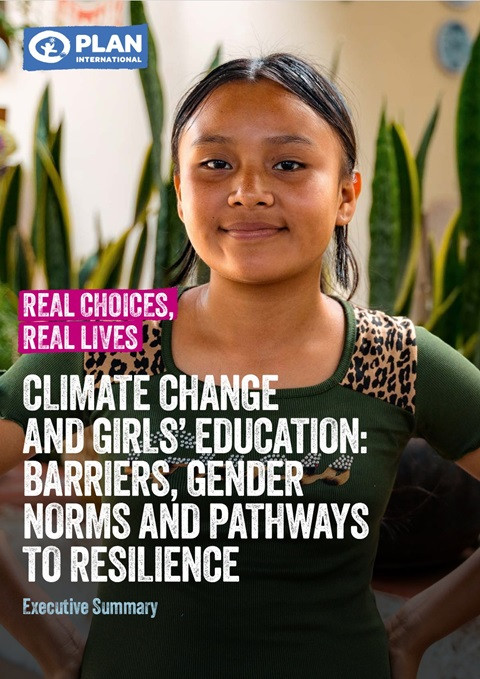 [Executive Summary] Climate Change and Girls' Education: Barriers, Gender Norms and Pathways to Resilience 발행 연도: 2023 단체 저자: Plan International This is the Executive Summary for the report: Climate Change and Girls’ Education: Barriers, Gender Norms and Pathways to Resilience. The full technical report and accompanying synthesis report are also available. [Résumé analytique] Changement climatique et éducation des filles: entraves, normes sexistes et chemins vers la resilience 발행 연도: 2023 단체 저자: Plan International This is the Executive Summary for the report: Climate Change and Girls’ Education: Barriers, Gender Norms and Pathways to Resilience. The full technical report and accompanying synthesis report are also available. [Resumen Ejecutivo] Cambio climático y educación de las niñas: barreras, normas de género, y rutas hacia la resiliencia 발행 연도: 2023 단체 저자: Plan International This is the Executive Summary for the report: Climate Change and Girls’ Education: Barriers, Gender Norms and Pathways to Resilience. The full technical report and accompanying synthesis report are also available. Plan ciudadanía y alfabetización digital 2024 발행 연도: 2024 단체 저자: Chile. Ministerio Secretaría General de Gobierno | Chile. Ministerio de Educación El Ministerio Secretaria General de Gobierno junto al Ministerio de Educación han lanzado el Plan “Ciudadanía y Alfabetización Digital” con el objetivo de abordar los crecientes desafíos, oportunidades y riesgos que implica el uso de tecnologías digitales en la vida cotidiana. Las acciones presentadas en el plan buscan fortalecer las competencias de la ciudadanía en general y también con foco en las comunidades educativas, amparados en los marcos de ciudadanía digital y de alfabetización mediática, informacional y digital. Este plan contempla tres ejes: 1.) Formación para la ciudadanía y alfabetización digital; 2.) Incorporación de la alfabetización mediática y la ciudadanía digital en el currículum escolar nacional; y 3.) Recursos y orientaciones para el fortalecimiento de la ciudadanía y la alfabetización digital.
 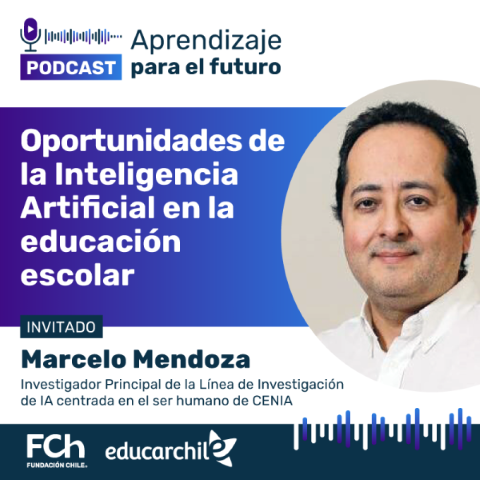 Podcast: Learning for the Future; Opportunities of Artificial Intelligence in School Education 발행 연도: 2024 저자: Marcelo Mendoza 단체 저자: Chile Foundation | Educarchile In this edition of the podcast: Learning for the Future, we spoke with Marcelo Mendoza, Principal Investigator of the Human-Centered AI Research Line at CENIA, with whom we developed the topic: Opportunities for Artificial Intelligence in school education. We also learned about the experience of the Bicentennial People Help People High School in Pilmaiquén using AI in various processes, together with teacher Cristóbal Morales. Podcast: Aprendizaje para el futuro; Oportunidades de la Inteligencia Artificial en la educación escolar 발행 연도: 2024 저자: Marcelo Mendoza 단체 저자: Chile Foundation | Educarchile En esta edición del podcast: Aprendizaje para el Futuro, conversamos con Marcelo Mendoza, Investigador Principal de la Línea de Investigación de IA centrada en el ser humano de CENIA, con quien desarrollamos el tema: Oportunidades de la Inteligencia Artificial en la educación escolar. También, conocimos la experiencia del Liceo Bicentenario People Help People de Pilmaiquén usando la IA en diversos procesos, junto al docente Cristóbal Morales.
  Resource Kit for Working With Families in Digital Citizenship 발행 연도: 2024 단체 저자: Chile. Ministry of Education The role of families and guardians is essential to help children and adolescents learn to navigate the digital environment, taking advantage of its opportunities and minimizing its risks. For this reason, it is important that schools work with families and guardians to provide support in the digital environment, safeguarding the rights of children and adolescents and promoting their autonomy in a progressive way, through the development of digital citizenship. This kit is composed of: Capsules for parents/guardians that deal with issues related to the digital environment, Booklets “Recommendations for working with families on their mediating role in the use of mobile devices” and a training module “Digital Citizenship”. Kit de recursos para el trabajo con familias en ciudadanía digital 발행 연도: 2024 단체 저자: Chile. Ministerio de Educación El rol de las familias y tutores es fundamental para ayudar a los niños, niñas y adolescentes a aprender a desenvolverse en el entorno digital aprovechando sus oportunidades y minimizando sus riesgos. Por esta razón, resulta importante que desde el espacio escolar se trabaje con las familias y tutores para realizar un acompañamiento en el entorno digital, resguardando la protección de los derechos de niños, niñas y adolescentes y favoreciendo su autonomía de forma progresiva, a través del desarrollo de la ciudadanía digital. Este kit está compuesto por: Cápsulas para apoderados/as que tratan temas relacionados con el entorno digital, Cartillas “Recomendaciones para trabajar con familias su rol mediador en el uso de dispositivos móviles” y un módulo de formación “Ciudadanía Digital”.