
자료
세계시민교육에 대한 이해를 넓히고 연구, 옹호 활동, 교수, 학습 등을 향상시킬 수 있는 다양하고 유용한 자료를 찾아보세요.
3,387 건의 결과가 검색되었습니다
 Toward a More Inclusive Post-COVID Recovery: A Tool to Further the Caribbean Policy Agenda 발행 연도: 2022 저자: Anna Kasafi Perkins | Stacy Richards-Kennedy | Don Marshall | R. Clive Landis 단체 저자: UNESCO Kingston | University of the West Indies The Caribbean is a grouping of islands and low-lying coastal countries of sovereign nations and dependent territories that share a history of colonialism and coloniality,1 which has shaped and continues to shape their “complex mix of political and administrative structures”. Indeed, Caribbean nations experience a “paradoxical, type of political sovereignty and experience of development”. All Caribbean nations have been classified by the United Nations as Small Island Developing States (SIDS), taking account of “the peculiar social, economic and environmental vulnerabilities” they experience. Caribbean SIDS are highly indebted and vulnerable to climate change, hurricanes and other natural hazards. At the same time, theirs is a paradoxical existence as their vulnerabilities place them alongside least developed countries, in spite of some being designated by the World Bank as high or middle-income countries. Such classification limits access to the international financing needed towards achieving the Sustainable Development Goals.
  كـراسي اليونسكو في المغرب العربي 발행 연도: 2023 단체 저자: UNESCO Rabat في كانون ألاول/ديسمبر 2022، احتفل برنامج توأمة الجامعات/كرايس اليونسكو بالذكرى السنوية الثلاثين لتأسيسه. ولعل استمرار وتطورهذا البرنامج طيلة هذه المدة يؤشران على طابعه الاستراتيجي بالنسبة لليونسكو وللدول ا ألاعضاء على السواء. ويروم هذا البرنامج تعبئة الجامعات ومن خلالها جميع الجهات الفاعلة في مجال التنمية لدعم السياسات العمومي في مختلف مراحلها (من البلورة والتنفيذ إل التقييم) وعلى مختلف مستويات الحكامة (الدولية والوطنية والترابية) لتحقيق أهداف التنمية المستدامة. ويسعى البرنامج إلى جعل الجامعات الوطنية مراكز امتياز موضوعاتية قادرة على المساهمة في تحسين أداء العمل العمومي وتعزيز بعدهالاستشرفي، باعتبارها فضاء متكاملا للتكوين والبحث والتوعية.كما يستمد البرنامج أهميته من خصوصيات مقاربته المنهجية. حيث يستند، من ناحية، إلى تعزيزالتشبيك وتعدد التخصصات، ومن ناحية أخرى،إلى الاخذ بعين الاعتبار بطريقة جوهرية ومنهجية الهدف الاستراتيجي المتمثل في بناء القدرات الوطنية. ويهدف اليونسكو لمنطقة الغرب العربي إلى المواكبة الدولاألاعضاء التي يغطيها، في عملية تطوير هذا البرنامج والاستفادة من إمكاناته المختلفة، بالتعاون مع الدوائر الوطنية للتربية والعلومي والثقافة. ويعدإصدارهذه الطبعة ألاولى من كتيب كرايس اليونسكو الجامعية في المغرب العربي مبادرة فيبيأولى هذا الاتجاه. Chaires UNESCO au Maghreb 발행 연도: 2023 단체 저자: UNESCO Rabat En décembre 2022, le programme UNITWIN/Chaires UNESCO a fêté son trentième anniversaire. Sa longévité et sa dynamique de développement illustrent son caractère stratégique pour l’UNESCO et pour les Etats membres. Ce programme vise à mobiliser les universités et, à travers elles, l’ensemble des acteurs de développement, pour accompagner les politiques publiques pour atteindre les objectifs de développement durable (ODD). Le programme consiste à faire des universités nationales des centres d’excellence thématiques qui sont, en tant qu’espaces intégrés de formation, de recherche et de sensibilisation, en capacité de contribuer à améliorer la performance de l’action publique et à renforcer sa dimension prospective. Ce programme puise sa pertinence dans les spécificités de sa démarche. Cette dernière repose, d’une part, sur la promotion du réseautage et de la pluridisciplinarité et, d’autre part, sur la prise en compte de manière intrinsèque et systématique de l’objectif stratégique de renforcement de capacités nationales. Le Bureau de l’UNESCO pour le Maghreb ambitionne d’accompagner les Etats membres qu’il couvre à développer ce programme et à mettre à profit ses différentes potentialités, en collaboration avec les services concernés au Siège de l’UNESCO à Paris et les Commissions nationales pour l’éducation, les sciences et la culture. La production de cette première édition de la brochure des Chaires UNESCO au Maghreb constitue une première initiative dans ce sens.
  The UNESCO Recommendation on the Ethics of AI: Shaping the Future of Our Societies 발행 연도: 2023 단체 저자: German Commission for UNESCO | Netherlands National Commission for UNESCO | Slovenian National Commission for UNESCO The UNESCO commissions of Germany, the Netherlands and Slovenia with the support of IRCAI have jointly published a brochure on the UNESCO recommendation on the ethics of artificial intelligence. It summarizes the most important content in a compact manner and presents the central demands from the areas of health, culture, the environment, gender equality as well as education and research. The recommendation with its diverse topics is not only relevant for political experts, but it offers one for various areas of application of the ethical framework and thus serves as an orientation for dealing with AI in general. The brochure is available for the wider public in a number of formats including the original Adobe InDesign file that allows translations to be inserted and format pages, resulting in new versions of the brochure. Therefore, we strongly encourage all UNESCO Commissions from across all UNESCO regions Africa, Arab States, Asia and the Pacific, Europe and North America, Latin America and the Caribbean to use the text in the basic files and translate the content into their own languages, including using the graphic file to setup their own designs of the brochure.
 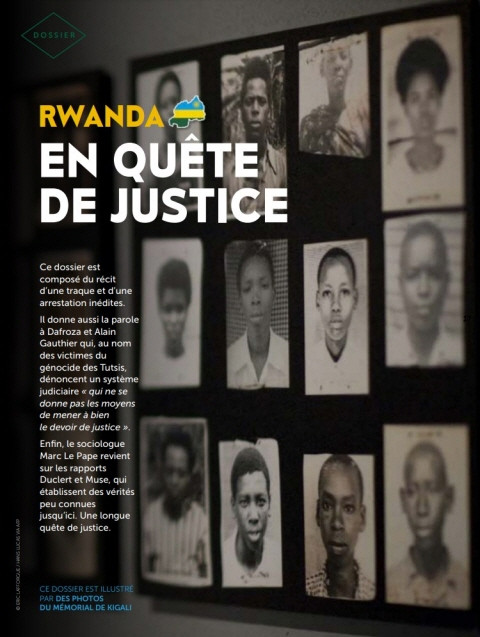 Rwanda: In Search of Justice(Humains; no.30) 발행 연도: 2024 단체 저자: Action by Christians for the Abolition of Torture (ACAT France) On the thirtieth anniversary of the genocide of the Tutsis in Rwanda, ACAT-France looks back at this tragic event for human rights. Discover the dossier in the magazine Humains #32 devoted to this subject. Rwanda: En quête de justice (Humains; n° 30) 발행 연도: 2024 단체 저자: Action by Christians for the Abolition of Torture (ACAT France) À l’occasion du trentième anniversaire du génocide des Tutsis au Rwanda, l’ACAT-France revient sur cet événement tragique pour les droits de l’Homme. Découvrez le dossier de la revue Humains #32 consacré à ce sujet.
 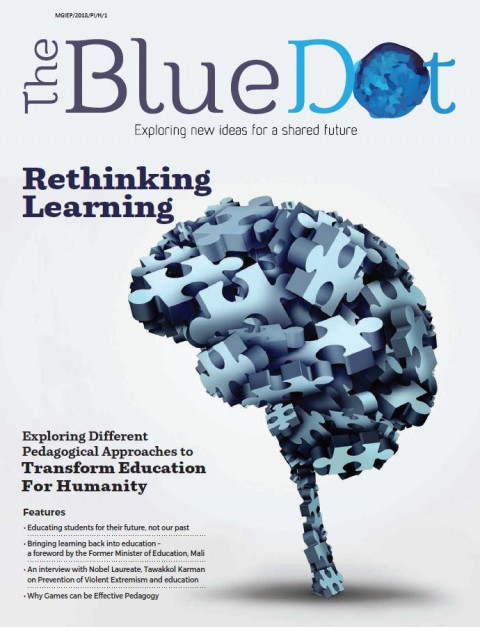 Rethinking Learning: Exploring Different Pedagogical Approaches to Transform Education for Humanity (The Blue Dot Issue 7, 2018) 발행 연도: 2018 단체 저자: Mahatma Gandhi Institute of Education for Peace and Sustainable Development (MGIEP) In the seventh issue of the Blue Dot, we focus on Rethinking Learning. The Issue includes a foreword by the Former Minister of Education of Mali, H.E. Adama Samassékou on how education systems need to be re-looked at to incorporate personalised learning and technology as an enabler and our Cover Story, which focuses on the importance of socio-emotional learning.Additionally, we feature opinions by specialists from academia, research, policymaking and the industry on the need to relook at education systems for the future. Amongst various experts, we hear from Andreas Schleicher, Director of Education and Skills and Special Advisor on Education Policy to the Secretary-General at the Organisation for Economic Co-operation and Development (OECD); Anneli Rautiainen from the Finnish National Agency for Education as well as Pratik Mehta, Head of Education & Skills, Microsoft India.Further, we present short blogs from the youth about what future education systems mean to them and we hear from Nobel Laureate, Ms Tawakkol Karman on the importance of education for peace.
  دراسة تقويمية للكتب المدرسية الجديدة في ضوء مبادئ حقوق الانسان والمساواة بين الجنسين 발행 연도: 2010 저자: كاك، مصطفى 단체 저자: Conseil Supérieur de l'éducation, de la Formation et de la Recherche Scientifique تتناولت هذه الورقة مضامين الكتب المدرسية نظرا لما تثيره من نقاش لقوة تأثيرها ولأهمية الأدوار التي تسند إليها في تشكيل قيم وآراء المتعلمين. وقد أنجزت هذه الدراسة في إطار برنامج مشترك بين رابطة التربية على حقوق الإنسان واللجنة المركزية لحقوق الإنسان والمواطنة بوزارة التربية الوطنية والتعليم العالي وبمشاركة جمعيات مدنية في مجال حقوق الإنسان ومناهضة العنف ضد المرأة، لقراءة خمسين كتابا من الكتب المدرسية الجديدة بالمغرب وتقويمها في ضوء مبادئ حقوق الإنسان والمساواة بين الجنسين. وقد انطلق الفريق من إشكالية محددة هي: هل تغيرت فعلا وضعية الكتاب المدرسي من الكتاب الواحد، الذي لا يهتم سوى بالمضامين، إلى تعدد الكتب، وفق هندسة بيداغوجية حديثة متمركزة حول حاجات المتعلمين ومراعاة مستوياتهم الفكرية واللغوية وسيرورات تعلمهم، بهدف تنمية ردود أفعال ديمقراطية نابعة من قيم المواطنة وحقوق الإنسان؟ وقد تمحورت نتائج الدراسة حول ثلاثة مستويات: صورة المرأة في الكتاب المدرسي، المساواة بين الجنسين في مجموعة من الحقوق الأساسية، مبادئ حقوق الإنسان التي ينشرها الكتاب المدرسي. An Evaluation Study of the New School Books in Light of Human Rights Principles and Gender Equality 발행 연도: 2010 저자: كاك، مصطفى 단체 저자: Conseil Supérieur de l'éducation, de la Formation et de la Recherche Scientifique The study was part of a joint program between the Association of Education on Human Rights in Morocco and the Central Committee for Human Rights at the Ministry of National Education and Higher Education, with the participation of civil organizations active in the fields of human rights and combatting violence against women. The program consisted of reading fifty school books and evaluating them regarding human rights and gender equality. The team started from the specific assumption: Has the situation of the school book actually changed from a single book that is solely concerned with contents to multiple books according to a modern pedagogical engineering that is centered around the teachers’ needs and respecting their mental and linguistic levels and their learning processes, with the objective of developing democratic reactions arising from citizenship values and human rights? The outcomes of the study came in three levels: The image of women in school books, gender equality in some of the fundamental human rights and the principles of human rights that the school book promotes.
  Genocide Timeline 발행 연도: 2024 단체 저자: United States Holocaust Memorial Museum (USHMM) This timeline proposed by the United States Holocaust Memorial Museum shows the major conceptual and legal advances in the evolution of the term "genocide" . It does not seek to detail every case that could be considered genocide, but to show how the term has entered the political, legal and ethical vocabulary from 1900 to 2016 to express threats of violence against groups.