
자료
세계시민교육에 대한 이해를 넓히고 연구, 옹호 활동, 교수, 학습 등을 향상시킬 수 있는 다양하고 유용한 자료를 찾아보세요.
2,781 건의 결과가 검색되었습니다
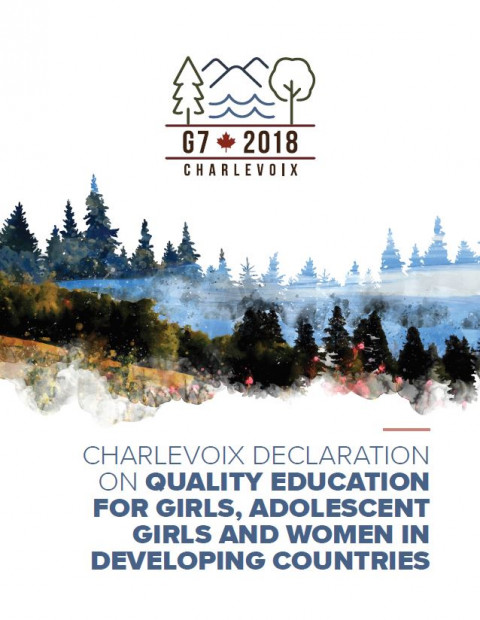 Charlevoix Declaration on Quality Education for Girls, Adolescent Girls and Women in Developing Countries 발행 연도: 2018 단체 저자: G7 The Charlevoix Declaration is a commitment from the Leaders of the G7 to work towards inclusive, quality, equitable education for girls, adolescent girls, and women in developing countries and crisis contexts.The Charlevoix Declaration on Quality Education for Girls, Adolescent Girls and Women in Developing Countries represents a joint effort from the Leaders of G7 countries to step up for girls and women in conflict and crisis contexts. Focusing both on dismantling the barriers to education and improving the quality of education, the G7 have committed to promote and improve learning outcomes for both refugees and host communities, while also working to reduce the time children and youth, especially girls, are out of school as a result of conflict and displacement.To support the implementation of the Charlevoix Declaration, Canada also led the mobilization of CDN $3.8+ billion. With contributions from the World Bank, the European Union, Japan, Germany, and the United Kingdom, this initiative represents the single largest investment in education for girls in conflict and crisis settings.
  ندوة تمكين المراة في المملكة - هيئة حقوق الإنسان 발행 연도: 2019 단체 저자: HRCSaudi ندوة تمكين المرأة في المملكة أقيمت يوم الخميس 1440/6/30هـ الموافق 2019/3/7م بتنظيم هيئة حقوق الإنسان وبالتعاون مع مكتب الأمم المتحدة بالرياض بفندق ريتز كارلتون.
 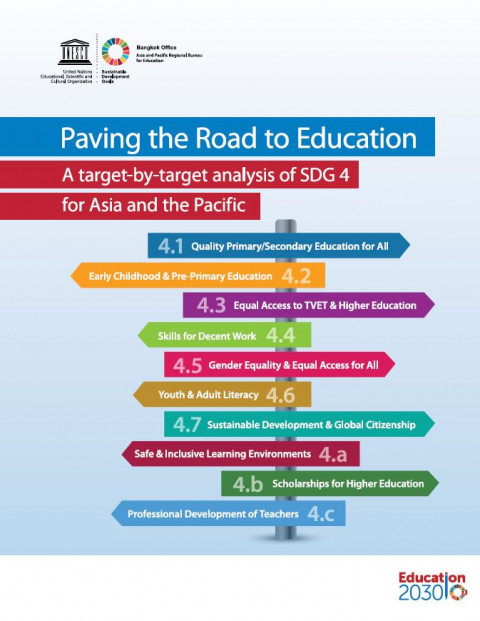 Paving the Road to Education: A Target-by-Target Analysis of SDG 4 for Asia and the Pacific 발행 연도: 2018 단체 저자: UNESCO Bangkok The globally adopted development agenda “Transforming our World: the 2030 Agenda for Sustainable Development” has established ambitious intentions that build on the past Millennium Development Goals but also expand on their achievements.The Sustainable Development Goal 4 on education propels forward the vision of ensuring inclusive and equitable quality education and to promote lifelong learning opportunities for all through a holistic, aspirational and systematic education agenda. Education monitoring is an integral part in this process.This publication delivers a data-rich snapshot of Sustainable Development Goal 4, its targets and their monitoring indicators while analyzing available data through a lens of inequality.Assessing the progress which countries have made in the recent past as well as where countries currently stand, this publication sets a baseline against which Member States from Asia and the Pacic are able to monitor progress in achieving the Goal 4 over time but at latest by 2030.Finally, after discussing emerging opportunities and remaining challenges in the region, this publication seeks to assist Member States in identifying what steps can be taken to ensure that the region will achieve the new education agenda.
 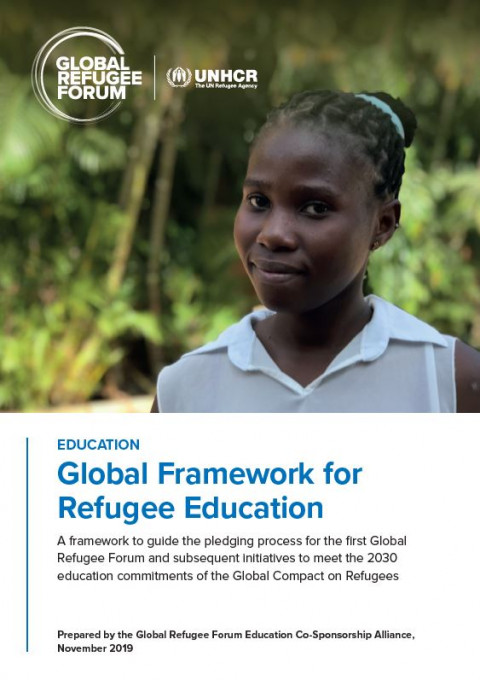 Global Framework for Refugee Education 발행 연도: 2019 단체 저자: Global Refugee Forum Education Co-Sponsorship Alliance | UN. Office of the United Nations High Commissioner for Refugees (UNHCR) This Global Framework for Refugee Education has been produced by the Global Refugee Forum’s Education Co-Sponsorship Alliance, comprising more than 60 partners. It aims to help partners to translate the Global Compact on Refugees and the Refugee Education 2030: A Strategy for Refugee Inclusion into pledges for concrete action to help achieve inclusive and equitable quality education for all by 2030.
 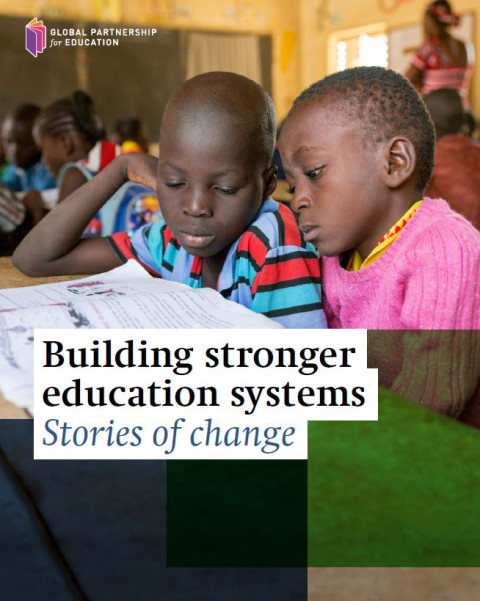 Building Stronger Education Systems: Stories of Change 발행 연도: 2019 단체 저자: The Global Partnership for Education (GPE) A compilation of results stories which show the progress that GPE's developing country partners are making in getting more children, especially girls, in school and learning. The brochure includes stories from Afghanistan, Benin, Burkina Faso, Djibouti, Eritrea, Ethiopia, Guyana, Kenya, Pakistan, Papua New Guinea and Sudan. Construire des systèmes éducatifs plus performants : parcours de réussite 발행 연도: 2019 단체 저자: The Global Partnership for Education (GPE) Cette brochure présente des parcours de réussite attestant des progrès accomplis par les pays en développement partenaires du PME pour que davantage d’enfants, et en particulier de filles, aillent à l’école et bénéficient d’une éducation de qualité.Elle met en évidence les cas des pays tels que l'Afghanistan, le Bénin, le Burkina Faso, Djibouti, l’Érythrée, l’Éthiopie, le Guyana, le Kenya, le Pakistan, la Papouasie-Nouvelle-Guinée et le Soudan.
  تقرير التنمية الإنسانية العربية للعام 2016: الشباب وآفاق التنمية واقع متغير 발행 연도: 2016 단체 저자: UNDP Arab States يتناول تقرير "التنمية الإنسانية العربية للعام 2016: الشباب وآفاق التنمية واقع متغير" بالدراسة التحديات والفرص التي تواجه الشباب في المنطقة العربية، وخاصة منذ عام 2011، ويسعى لتقديم لمحة عامة عن الشباب في المنطقة، ولتحفيز نقاش جاد يشارك فيه الشباب أنفسهم مع أهم الأطراف الأخرى في المجتمع حول حول مستقبل التنمية في المنطقة بالنظر إلى وضع الشباب ودورهم باعتبارهم قضية محورية في هذا الوقت بالذات.ينطلق التقرير من حقيقة أن جيلُ الشباب الحالي يمثل أكبرُ كتلة شبابيّة تشهدها المنطقة على مدى السنوات الخمسين الماضية، إذ يكون 30 في المئة من سكّانها الذين يبلغ عددُهم 370 مليونَ نسمة. وينبِّه التقرير إلى أن البلدان العربية تستطيع تحقيقَ طفرة حقيقية ومكاسب كبيرة في مجالي التنمية، وتعزيزَ الاستقرار، وتأمينَ هذه المكاسب على نحوٍ مستدام إذا تبنَّت سياساتٍ تُعطي الشبابَ حصةً يستحقونها في تشكيل مجتمعاتِهم وتَجعلهم محطَّ الاهتمام - سياسيًّا واجتماعيًّا واقتصاديًّا.ويدعو تقرير التنمية الإنسانية العربية 2016 دول المنطقة إلى الاستثمار في شبابها وتمكينهم من الانخراط في عمليات التنمية، كأولوية حاسمة وملحة في حد ذاتها وكشرط أساسي لتحقيق التنمية المستدامة. وتكتسب هذه الدعوة أهمية خاصة اليوم إذ تشرع كافة البلدان زمنها الدول العربية في إعداد خططها الوطنية لتنفيذ خطة 2030 للتنمية المستدامة. كما يدعو التقرير إلى تبني نموذجِ تنميةٍ ذي تَوجُّهٍ شبابي، يُركِّز في آن واحد على بناء قدرات الشباب وتوسيعِ الفرص المتاحةِ لهم، ويعتبر أن تحقيقَ السلام والأمن على الصعيدَين الوطنيِّ والإقليمي شرطًا أساسيًّا لمستقبلٍ جدير بالشباب. Arab Human Development Report 2016: Youth and Development Prospects 발행 연도: 2016 단체 저자: UNDP Arab States AHDR 2016 examines challenges and opportunities facing youth in the Arab region, especially since 2011, and seeks to provide an overview on youth in the region and stimulate a broad dialogue between youth and key stakeholders on the future of development in the region, focusing on the role of youth as critical partners at this very point in time.The point of departure of the report is the demographic fact that the current youth generation is the largest youth cohort this region has had over the past 50 years, making up 30% of its population of 370 million. The report argues that Arab countries can achieve a great leap forward in development, reinforce stability and secure such gains in a sustainable manner, if they adopt policies that give youth a stake in shaping their societies and put them at the centre—politically, socially and economically.The AHDR 2016 calls upon Arab countries to invest in their young people and empower them to engage in the development process as an urgent and critical priority in its own right and prerequisite to achieving sustainable development –a call that is particularly timely as Arab countries embark on formulating their plans to meet the goals of the Sustainable Development Agenda 2030. The report also calls for a youth-oriented development model that focuses simultaneously on building young people’s capabilities and expanding opportunities available to them, considering the achievement of peace and security at national and regional levels as a prerequisite for a future fit for youth.
  التجربة الليبية في محو الأمية وتعليم الكبار 발행 연도: 2017 단체 저자: Masouda Ali Al Aswad عانت ليبيا شأنها كغيرها من دول العالم الثالث من مشكلة األمية كأحد أهم التحديات التي واجهت والتزال تواجه مسيرة التقدم التي تسعى اليها. وقد مرت البالد بمراحل تخلف واستعمار وانتداب كان لها األثر السيء على المستوى الفردي والمجتمعي أدى الى تأخر التنمية البشرية وإضعاف خطى التطور والبناء. ونظرا ألهمية التعليم في بناء األمم سعت ليبيا منذ فترات بعيدة الى نشر العلم والتعلم بين شرائح المجتمع المختلفة صغارا وكبارا وكان الطموحات كبيرة فيما يخص برنامج محو األمية منذ الخمسينات وحتى يومنا هذا. وقد تنوعت األساليب والطرق التي حوربت بها األمية، فمن األمية األبجدية التي استهدفت شرائح المجتمع التي فقدت فرصتها في التعلم القرائي والكتابي في الوقت المناسب، الى محاولة القضاء على األمية المهنية، والتدريب المهني، واإلعداد الحرفي، والتدريب المنزلي والتثقيف الصحي، من خالل اكساب هذه الفئات المهارات الكافية لتحقيق االستقالل الذاتي، الى محاربة األمية الحضارية والوظيفية والتقنية والتدريبية والتي تستهدف تكوين الكوادر القادرة على سد االحتياجات في سوق العمل. وقد اتبعت الدولة الليبية كل الوسائل والطرق الممكنة للقضاء على األمية من مدارس تعليم الكبار الى المدارس المسائية الى الفصول االستثنائية في أوقات الفراغ، الى المساجد والمنارات والزوايا التي ساهمت في نشر ثقافة حفظ ودراسة القرآن الكريم مما انعكس إيجابا على مستوى التعلم لدى فئات كبيرة ممن لم يتمكنوا من دخول المدارس. هذا باإلضافة الى برنامج الجامعة المفتوحة الذي يعد إنجازا وفر فرصا ذهبية لمن فاتته فرصة التعليم الجامعي كما حققت الدولة من خالله نوعا من التوازن بين القوى العاملة والمستويات العالية للتعليم لهذه القوى. وقد حققت ليبيا مراتب عالية من حيث قدرتها على مواجهة األمية ونشر الوعي والثقافة األبجدية باإلضافة الي تحقيق مراحل ملموسة من ناحية األمية التقنية. وقد أثبتت التقارير أنها تبوأت مراتب متقدمة في سلم الدول التي نجحت في محاربة شبح األمية بأنواعها. غير أنها في الوقت ذاته التزال تواجه تحديات كبيرة ومشاكل جمة تحتاج الى دراسات مستوفية وجهود جبارة للقضاء عليها. Libyan Experience in Literacy and Adult Education 발행 연도: 2017 단체 저자: Masouda Ali Al Aswad Libya, like other Third World countries, has suffered from the illiteracy problem as one of the most important challenges it has faced and continues to face the progress it is seeking. The country has gone through stages of underdevelopment, colonialism and mandate that have had a bad impact on the individual and societal level, which has delayed human development and weakened the pace of development and construction. Given the importance of education in nation-building, Libya has long sought to spread science and learning among different segments of society, young and old, and has had great ambitions for the literacy program from the 1950s to the present day.The methods and methods of illiteracy have been varied, from the alphabetical illiteracy targeted to segments of society that have lost their opportunity to read and write in a timely manner, to try to eradicate vocational illiteracy, vocational training, craft preparation, home training and health education, by acquiring these categories. Adequate skills to achieve autonomy, to combat civilizational, functional, technical and training illiteracy aimed at training cadres capable of meeting the needs in the labor market. The Libyan state has adopted all possible means and methods to eliminate illiteracy, from adult education schools to evening schools to extraordinary classes in leisure time, to mosques, lighthouses and corners that contributed to spreading the culture of memorizing and studying the Holy Qur'an, which reflected positively on the level of learning among large groups of people who were unable to From entering schools.This is in addition to the Open University program, which is an achievement that provided golden opportunities for those who missed the opportunity of university education. The State also achieved a balance between the workforce and the high levels of education for these forces. Libya has achieved high levels in terms of its ability to cope with illiteracy, spread awareness and alphabet culture, as well as achieve tangible stages in terms of technical illiteracy. Reports have proved to be high on the list of countries that have succeeded in fighting illiteracy. At the same time, however, they continue to face significant challenges and problems that require thorough studies and efforts to eliminate them.