
자료
세계시민교육에 대한 이해를 넓히고 연구, 옹호 활동, 교수, 학습 등을 향상시킬 수 있는 다양하고 유용한 자료를 찾아보세요.
3 건의 결과가 검색되었습니다
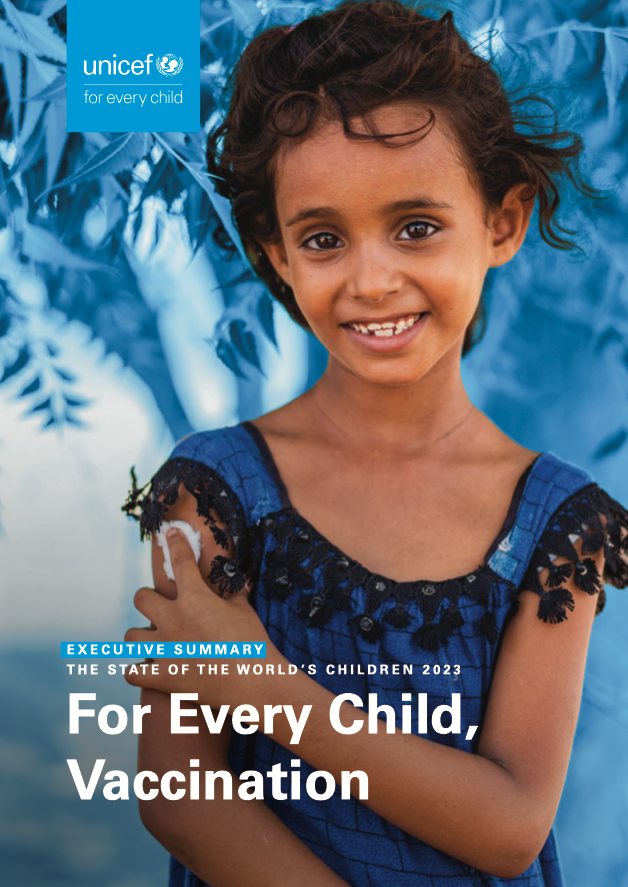 The State of the World’s Children 2023 Executive Summary 발행 연도: 2023 단체 저자: United Nations Children's Fund (UNICEF) The world is facing a red alert for children’s health: Vaccination coverage dropped sharply during the COVID-19 pandemic, leaving millions more children unprotected against some of childhood's most serious diseases. In addition, many millions of children from some of the world's most marginalized communities have long missed out on life-saving vaccination. Catch-up and recovery are needed urgently to vaccinate the children missed and to avoid further backsliding. And greater effort is needed to reach the children historically left behind.The State of the World’s Children 2023 examines what needs to happen to ensure that every child, everywhere is protected against vaccine-preventable diseases. In the wake of the COVID-19 pandemic, which set back progress in childhood immunization globally, it focuses on the role of poverty, marginalization and gender in determining whether or not children are vaccinated. Drawing on lessons learned during the pandemic and from UNICEF's decades-long expertise and experience in vaccinating children, the report examines the ways in which primary health care can be strengthened to better support immunization services. It looks, too, at concerns around trust in vaccines. And it examines a range of innovations in vaccine development and delivery and in financing. 《2023年世界儿童状况》执行摘要 발행 연도: 2023 단체 저자: United Nations Children's Fund (UNICEF) 全球的儿童健康工作正在拉响红色警报:在2019冠状病毒病(COVID-19)大流行期间,疫苗接种率急剧下降,使大量儿童无法得到疫苗的保护,从而难以预防部分最严重的儿童疾病。此外,世界上部分最边缘化社区的大量儿童长期以来一直无法获得能挽救生命的免疫接种。因此,我们迫切需要追赶进度,为错过接种的儿童补种疫苗,并避免形势出现进一步倒退。同时,我们还需要实施更多的工作来帮助那些已掉队多时的儿童。《2023年世界儿童状况》报告探讨了需要采取哪些措施,才能确保世界各地每一名儿童都能避免患上疫苗可预防的疾病。2019冠状病毒病大流行使全球儿童免疫接种工作的进展出现倒退,本报告将重点关注贫困、边缘化和性别等因素在决定儿童是否接种疫苗方面的作用。参考2019冠状病毒病大流行期间所积累的经验教训以及联合国儿童基金会数十年来在儿童免疫接种方面所积累的专业知识和经验,本报告还探讨了如何加强初级卫生保健体系,以提供更高质量的免疫接种服务,并提升公众对疫苗的信心等问题。此外,本报告还对疫苗研发、交付以及筹资等方面所涌现出来的一系列创新举措进行了研究。
  Global Kids Online: Comparative Report 발행 연도: 2019 저자: Sonia Livingstone | Daniel Kardefelt-Winther | Marium Saeed 단체 저자: UNICEF Innocenti The internet is often celebrated for its ability to aid children’s development. But it is simultaneously criticized for reducing children’s quality of life and exposing them to unknown and unprecedented dangers. There is considerable debate about when or how children’s rights – including the rights to expression, to privacy, to information, to play and to protection from harm, as set out in the United Nations Convention on the Rights of the Child – may be realized or infringed in the digital age.With more children around the world going online every day, it is more important than ever to clarify how the internet can advance children’s opportunities in life while safeguarding them from harm or abuse. This requires evidence, from children themselves, that represents the diversity of children’s experiences at the national and global levels. By talking to children, we are better able to understand not only the barriers they face in accessing the internet, but also the opportunities they enjoy and the skills and competences they acquire by engaging in these activities.This allows us to enquire about children’s exposure to online risks and possible harms, and about the role of their parents as mediators and sources of support. In bringing children’s own voices and experiences to the centre of policy development, legislative reform and programme and service delivery, we hope the decisions made in these spheres will serve children’s best interests.