UNESCO CLEARINGHOUSE ON
GLOBAL CITIZENSHIP EDUCATION
HOSTED BY APCEIU
English
Français
Español
Русский
العربية
中文
한국어
소개
세계시민교육
세계시민교육 클리어링하우스
자료
이벤트
뉴스
English
Français
Español
Русский
العربية
中文
한국어
Search
Advanced Search
소개
세계시민교육
세계시민교육 클리어링하우스
자료
이벤트
뉴스
자료
세계시민교육에 대한 이해를 넓히고 연구, 옹호 활동, 교수, 학습 등을 향상시킬 수 있는 다양하고 유용한 자료를 찾아보세요.
검색
Searching...
고급 검색
© APCEIU
1
건의 결과가 검색되었습니다
관련도순
최신순
연도순
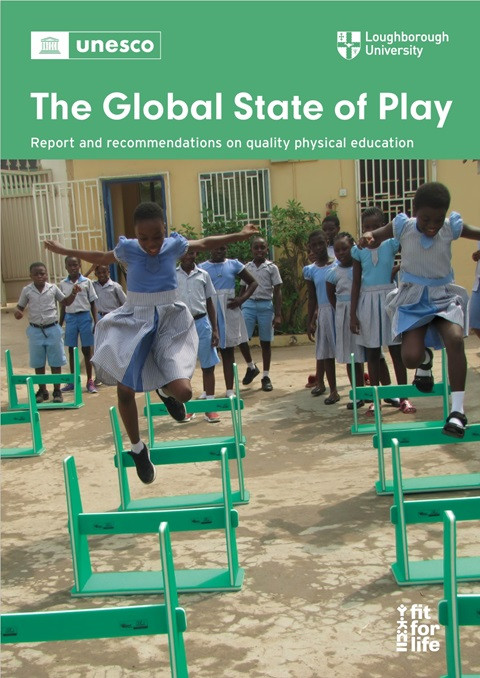
The Global State of Play: Report and Recommendations on Quality Physical Education
발행 연도:
2024
단체 저자:
UNESCO
|
Loughborough University
Active lifestyles are key to ensuring both individual well-being and sustainable, social development. Quality Physical Education (QPE) plays a key role in achieving this by fostering lifelong physical activity, improving young people’s mental and emotional well-being, and developing critical life skills. UNESCO’s sport initiative, Fit for Life, advocates QPE as a cost-effective investment. Despite its potential as a core curricula subject, UNESCO data reveal that PE is often under-prioritized and due to a lack of investment in certain areas, such as staff training and facilities, potential benefits are not fully realised for students around the world. This investment gap connects directly to a delivery gap. Although 83% of countries worldwide report PE as compulsory in schools, there remain significant issues with the quality of delivery and the diversity of lesson planning within curricula:• Only 1 in 3 secondary school students worldwide meet the minimum requirement of 180 minutes of PE minutes per week set out in UNESCO’s Quality Physical Education Policy Guidelines.• Only 61.7% of schools fully include students with disabilities alongside their peers without disabilities in PE classes.• Only 7.1% of schools implement equal PE time for boys and girls, despite 54.5% of countries having policies or plans for it. Policymakers, PE practitioners and academia are encouraged to take action to implement PE policies, increase investment in PE, upskill PE teachers, enhance PE curricula and promote more equitable and inclusive PE environment.
본 사이트는 사용자 경험을 향상시키기 위해 쿠키를 사용합니다. 자세한 내용은 아래의 쿠키 정책을 확인하시기 바랍니다.
쿠키정책
.