
Ресурсы
Изучайте широкий спектр ценных ресурсов ВГГ, чтобы углубить своё понимание и повысить эффективность исследований, просветительской деятельности, преподавания и обучения.
Найдено: 2
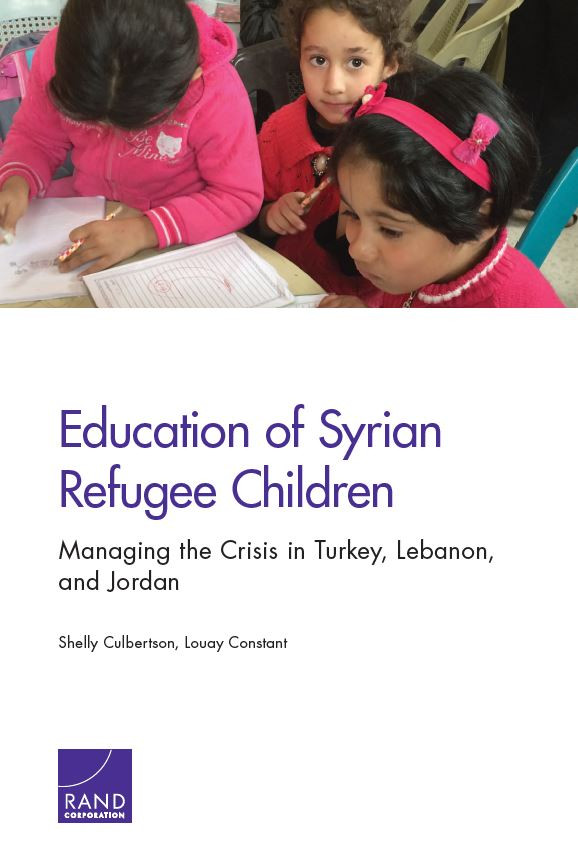 تعليم اللاجئين السوريين: إدارة الازمة في تركيا ولبنان والأردن Год публикации: 2015 Автор: Shelly Culbertson | Louay Constant Организация-автор: RAND Corporation مع وجود أربعة ملايين لاجئ سوري اعتبارًا من سبتمبر 2015 ، هناك حاجة ملحة لتطوير مناهج قصيرة وطويلة الأجل لتوفير التعليم لأطفال هذه الفئة من السكان. يستعرض هذا التقرير تعليم اللاجئين السوريين للأطفال في البلدان الثلاثة المجاورة التي تضم أكبر عدد من اللاجئين - تركيا ولبنان والأردن - ويحلل أربعة مجالات: الوصول والإدارة والمجتمع والجودة. وتشمل آثار السياسة إعطاء الأولوية للحاجة الملحة لزيادة فرص الحصول على التعليم بين اللاجئين ؛ الانتقال من استجابة إنسانية قصيرة المدى إلى استجابة إنمائية طويلة المدى ؛ الاستثمار في كل من قدرة الحكومة على توفير التعليم وفي البدائل الرسمية عالية الجودة لأنظمة المدارس العامة ؛ تحسين البيانات لدعم صنع القرار ؛ تطوير استراتيجية تداولية حول كيفية دمج أو فصل الأطفال السوريين وأطفال الدول المضيفة في المدارس لتعزيز التماسك الاجتماعي ؛ الحد من عمالة الأطفال وتمكين التعليم من خلال وضع سياسات توظيف للبالغين ؛ وتنفيذ خطوات معينة لتحسين جودة التعليم لكل من اللاجئين والمواطنين. Education of Syrian Refugee Children: Managing the Crisis in Turkey, Lebanon, and Jordan Год публикации: 2015 Автор: Shelly Culbertson | Louay Constant Организация-автор: RAND Corporation With four million Syrian refugees as of September 2015, there is urgent need to develop both short-term and long-term approaches to providing education for the children of this population. This report reviews Syrian refugee education for children in the three neighboring countries with the largest population of refugees — Turkey, Lebanon, and Jordan — and analyzes four areas: access, management, society, and quality. Policy implications include prioritizing the urgent need to increase access to education among refugees; transitioning from a short-term humanitarian response to a longer-term development response; investing in both government capacity to provide education and in formal, quality alternatives to the public school systems; improving data in support of decisionmaking; developing a deliberative strategy about how to integrate or separate Syrian and host-country children in schools to promote social cohesion; limiting child labor and enabling education by creating employment policies for adults; and implementing particular steps to improve quality of education for both refugees and citizens.