
Ресурсы
Изучайте широкий спектр ценных ресурсов ВГГ, чтобы углубить своё понимание и повысить эффективность исследований, просветительской деятельности, преподавания и обучения.
Найдено: 4
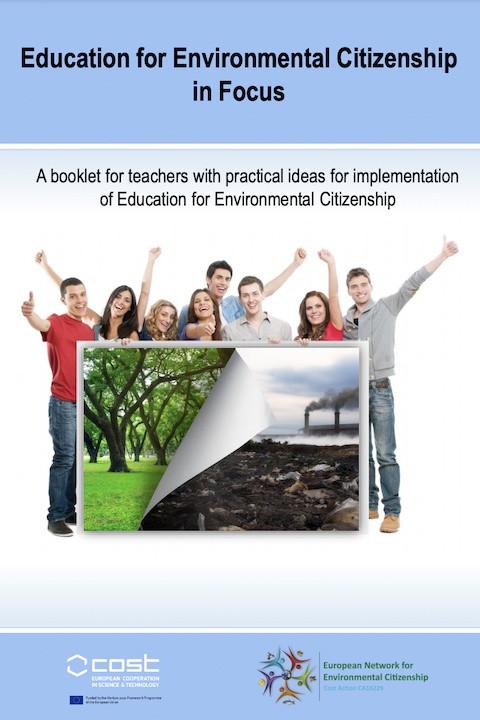 Una visión nítida de la Educación para la Ciudadanía Ambiental: Una publicación para profesorado con ideas prácticas para trabajar la Ciudadanía Ambiental a través de la educación Год публикации: 2019 Организация-автор: European Network for Environmental Citizenship (ENEC) La Red Europea para la Ciudadanía Ambiental (ENEC) – financiada como Acción COST (CA16229-Horizon 2020) – aúna a más de 130 expertos de 38 países con el objetivo de mejorar la comprensión, práctica y evaluación de la Ciudadanía Ambiental en Europa y en los países participantes. El concepto de Ciudadanía Ambiental ha sido influyente en muchos ámbitos como la economía, la política, la filosofía, la gestión y el comercio y se podría desarrollar y aplicar mejor en el ámbito de la educación. La actual crisis ambiental, el cambio climático, la pérdida de biodiversidad y la contaminación requieren de una educación que permita el empoderamiento de los ciudadanos. La educación juega un papel clave en la formación de la futura ciudanía. El enfoque didáctico para una ciudadanía ambiental es una metodología que apunta en esta dirección. Esta metodología propone diferentes pasos y etapas, aunque no es obligatorio seguirlos todos o aplicarlos en un determinado orden. Dependiendo de las circunstancias, del problema ambiental que se esté tratando, del nivel educativo, (p. ej. Primaria o Secundaria) o del contexto (p. ej. formal o no formal), se pueden llevar a cabo unas adaptaciones u otras. Focus sur l’Éducation à la Citoyenneté Environnementale: Un livret pour les enseignants avec des idées pratiques pour l’éducation à la citoyenneté environnementale (EEC) Год публикации: 2019 Организация-автор: European Network for Environmental Citizenship (ENEC) Le réseau européen pour la citoyenneté environnementale – European Network for Environmental Citizenship (ENEC) – financé en tant qu’Action COST (CA16229-Horizon 2020) – a réuni plus de 120 experts venant de 38 pays dans l’objectif d’améliorer la compréhension, la pratique et l’évaluation de la Citoyenneté Environnementale en Europe et dans lespays participants. La Citoyenneté Environnementale a été un concept influant dans de nombreux champs – économie, politique, philosophie, management organisationnel et entrepreneurial, marketing – et pourrait également être mieux exploitéeet davantage établie dans le champ de l’éducation. La crise environnementale contemporaine avec le changement climatique, perte de la biodiversité, pollution de l’air et tous les autres problèmes environnementaux locaux et globaux exigent une éducation à même d’habiliter des citoyens environnementaux. L’éducation joue un rôle clé dans la construction des futurs citoyens environnementaux. L’approche pédagogique de l’Éducation à la Citoyenneté Environnementale est une proposition qui va dans ce sens. L’approche recommande des éléments spécifiques tels des stades et étapes, mais il n’est pas obligatoire de tous les suivre ou de les appliquer selon un ordre linéaire particulier. Selon le problème environnemental à l’étude, le niveau d’éducation (par ex. primaire ou secondaire) et le mode éducatif (par ex. formel ou non-formel), les différenciations et adaptations nécessaires peuvent être faites. التربية من أجل المواطنة البيئية التربية من أجل المواطنة البيئية: كتيب للمعلمين لأفكار عملية من أجل تطبيق التربية للمواطنة البيئية Год публикации: 2019 Организация-автор: European Network for Environmental Citizenship (ENEC) تم تأسيس الشبكة األوروبية للمواطنة البيئية (ENEC (كشبكة مخصصة للتعاون العلمي تم تمويلها كفعالية لمنظمة التعاون األوروبي في العلوم والتكنولوجيا (2020 Horizon-CA16229 (COST – حيث تجمع أكثر من 120 خبير من 38 دولة بهدف تحسين فهم ممارسة وتقييم المواطنة البيئية في اوروبا والدول المشاركة. تعتبر المواطنة البيئية مفهوما مؤثرا في العديد من المجاالت المختلفة مثل االقتصاد، السياسة، الفلسفة، االدارة التظيمية والتسويق، باالضافة الى ذلك من الممكن استغاللها وتطويرها أكثر في المجال التربوي. األزمة البيئية المعاصرة مع تغير المناخ، فقدان التنوع البيئي، تلوث الهواء، وجميع المشاكل البيئية المحلية والعالمية تتطلب تربية قاد ًرة على انشاء وتمكين المواطنين البيئيين. تلعب التربية دورا اساسيا في بلورة مواطنين بيئيين مستقبليين. ان المنهج التعليمي من أجل التربية للمواطنة البيئية هو اقتراح يشير في هذا االتجاه. اعتما ًدا على المشكلة البيئية قيد الدراسة ، ومستوى التعليم )مثل التعليم االبتدائي أو الثانوي( واإلعدادات التعليمية )على سبيل المثال ، رسمية أو غير رسمية( ، يمكن إجراء الفروق والتعديالت الالزمة. يوصي هذا النهج باتخاذ عناصر محددة كمراحل وخطوت، اال أنه ليس من الضروري اتباعها كلها أو أن تتم على نحو تسلسلي معين, فان األمر منوط بالمشكلة البيئية المدروسة، مستوى التربية )مثال: التعليم االبتدائي أو التعليم الثانوي( واالطر التربوية )مثال: رسمي أو غير رسمي(، ووفقا لها يتم القيام بالمالئمات والتعديالت المالئمة. Education for Environmental Citizenship in Focus: A Booklet for Teachers With Practical Ideas for Implementation of Education for Environmental Citizenship Год публикации: 2019 Организация-автор: European Network for Environmental Citizenship (ENEC) The European Network for Environmental Citizenship (ENEC) – funded as a COST Action (CA16229-Horizon 2020) – brings together more than 130 experts from 38 countries with the objective to improve the understanding, the practice and the assessment of Environmental Citizenship in Europe and the participating countries. Environmental Citizenship has been an influential concept in many different arenas such as economy, policy, philosophy, organizational and corporation management and marketing and could be better exploited and established furthermore in the field of education as well. The contemporary environmental crisis with climate change, biodiversity loss, air pollution and all other local and global environmental problems demand an education that is capable of empowering environmental citizens. Education plays a key role in shaping future environmental citizens. The Education for Environmental Citizenship pedagogical approach is a proposal that points in this direction. The approach recommends specific elements as stages and steps, but it is not mandatory to follow all of them, or to apply them in a particular linear order. Depending on the environmental problem under study, the level of education (e.g., primary or secondary) and the educational settings (e.g. formal or non-formal), the necessary differentiations and amendments can be made.