
Ресурсы
Изучайте широкий спектр ценных ресурсов ВГГ, чтобы углубить своё понимание и повысить эффективность исследований, просветительской деятельности, преподавания и обучения.
Найдено: 137
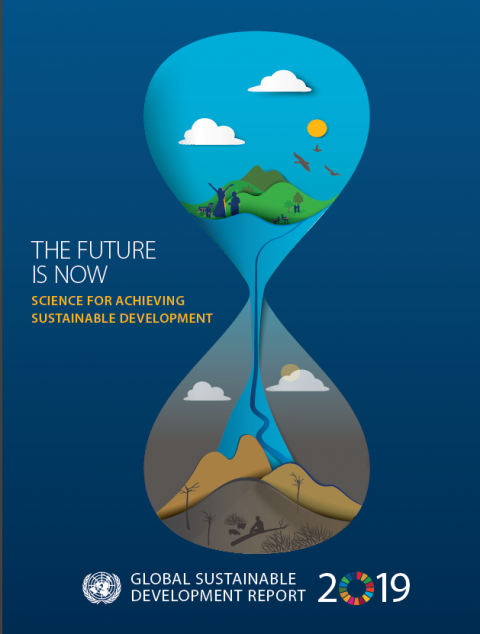 Global Sustainable Development Report 2019: The Future is Now Год публикации: 2019 Организация-автор: United Nations (UN) The Report, requested by all countries to evaluate progress on the 2030 Sustainable Development Agenda, is the first of its kind since the landmark Sustainable Development Goals (SDGs) were adopted four years ago. Entitled “The Future is Now: Science for Achieving Sustainable Development,” the report finds that the current development model is not sustainable, and the progress made in the last two decades is in danger of being reversed through worsening social inequalities and potentially irreversible declines in the natural environment that sustains us. The scientists concluded that a far more optimistic future is still attainable, but only by drastically changing development policies, incentives and actions.The report argues that understanding the interconnections between the individual SDGs and the concrete systems that define society today will be essential to devise policies that manage difficult trade-offs.
  املبادرة العاملية للتعليم أوا: مبادرة األمني العام لألمم املتحدة Год публикации: 2012 Организация-автор: United Nations (UN) أطلق الأمين العام للأمم المتحدة مبادرة التعليم أولاً العالمية (GEFI) لمدة خمس سنوات في سبتمبر 2012 لتسريع التقدم نحو تحقيق أهداف التعليم للجميع والأهداف الإنمائية للألفية المتعلقة بالتعليم. وتهدف المبادرة إلى: حشد مجموعة واسعة من الجهات الفاعلة للدفعة النهائية نحو عام 2015؛ وضع التعليم الجيد والملائم والتحويلي في قلب جداول الأعمال الاجتماعية والسياسية والتنموية؛ توليد تمويل إضافي وكاف للتعليم من خلال جهود الدعوة العالمية المستمرة. وقد حددت هذه المبادرة المجالات الثلاثة ذات الأولوية؛ إدخال كل طفل إلى المدرسة، وتحسين جودة التعلم، وتعزيز المواطنة العالمية. Iniciativa Mundial La Educación ante Todo: una Iniciativa del Secretario General de las Naciones Unidas Год публикации: 2012 Организация-автор: United Nations (UN) The United Nations Secretary-General launched the five-year Global Education First Initiative (GEFI) in September 2012 to accelerate progress towards the Education for All goals and the education-related Millennium Development Goals. The Initiative aims to: Rally together a broad spectrum of actors for the final push to 2015; Put quality, relevant and transformative education at the heart of the social, political and development agendas; Generate additional and sufficient funding for education through sustained global advocacy efforts. This initiative outlined the three priority areas; Put every child in school, Improve the quality of learning, and Fostering global citizenship. L'Initiative Mondiale pour l'Education Avant tout: une Initiative du Secrétaire Général de l'Organisation des Nations Unies Год публикации: 2012 Организация-автор: United Nations (UN) The United Nations Secretary-General launched the five-year Global Education First Initiative (GEFI) in September 2012 to accelerate progress towards the Education for All goals and the education-related Millennium Development Goals. The Initiative aims to: Rally together a broad spectrum of actors for the final push to 2015; Put quality, relevant and transformative education at the heart of the social, political and development agendas; Generate additional and sufficient funding for education through sustained global advocacy efforts. This initiative outlined the three priority areas; Put every child in school, Improve the quality of learning, and Fostering global citizenship. Global Education First Initiative: An Initiative of the United Nations Secretary-General Год публикации: 2012 Организация-автор: United Nations (UN) The United Nations Secretary-General launched the five-year Global Education First Initiative (GEFI) in September 2012 to accelerate progress towards the Education for All goals and the education-related Millennium Development Goals. The Initiative aims to: Rally together a broad spectrum of actors for the final push to 2015; Put quality, relevant and transformative education at the heart of the social, political and development agendas; Generate additional and sufficient funding for education through sustained global advocacy efforts. This initiative outlined the three priority areas; Put every child in school, Improve the quality of learning, and Fostering global citizenship. Global Education First Initiative: An Initiative of the United Nations Secretary-General Год публикации: 2012 Организация-автор: United Nations (UN) Le Secrétaire Général de l’ONU a lancé l’Éducation Globale Première Initiative (EGPI) pour les cinq ans en Septembre 2012 pour accélérer les progrès vers l'Éducation pour Tous et les Objectifs du Millénaire pour le Développement liés à l'éducation. L'initiative vise à: Rassemblement d' un large éventail d'acteurs pour la poussée finale à 2015; Mettre de qualités, de pertinence et d’éducation transformatrice au cœur des agendas sociaux, politiques et de développement; Générer des fonds supplémentaires et suffisants pour l'éducation grâce à des efforts de sensibilisation mondiale soutenue. Cette initiative a décrit les trois domaines prioritaires; Mettez tous les enfants à l'école, Améliorer la qualité de l'apprentissage, et Favoriser la citoyenneté mondiale. 글로벌 교육 우선 구상: 유엔 사무총장의 구상 Год публикации: 2012 Организация-автор: United Nations (UN) 유엔 사무총장은 교육과 관련된 ‘모두를 위한 교육 목표(Education for All Goals)’와 ‘새천년개발목표(Millennium Development Goals)’의 진행을 가속화 시키기 위하여 2012년 9월 5개년 ‘글로벌교육우선구상(GEFI)’을 출범시켰다. 이 구상의 목표는 2015년 최종 추진을 위한 광범위한 활동의 스펙트럼을 함께 이어가며, 그 중심에 사회·정치적 개발 의제와 관련된 양질의 변화된 교육을 두고, 지속적인 글로벌 지지 노력을 통해 교육을 위한 충분한 추가적 펀딩을 확보한다. 본 사업은 세가지 우선 순위의 영역을 두는데, 그 첫 번째로는 모든 어린이를 학교에 입학시키는 것, 두 번째는 학습의 질을 향상시키는 것, 세 번째는 세계 시민을 육성하는 것이다.
  The Lazy Person’s Guide to Saving the World Организация-автор: United Nations (UN) End extreme poverty. Fight inequality and injustice. Fix climate change. Whoa. The Sustainable Development Goals are important, world-changing objectives that will require cooperation among governments, international organizations and world leaders. It seems impossible that the average person can make an impact. Should you just give up?No! Change starts with you. Seriously. Every human on earth—even the most indifferent, laziest person among us—is part of the solution. Fortunately, there are some super easy things we can adopt into our routines that, if we all do it, will make a big difference.Have a look at just a few of the many things you can do to make an impact!For more information: https://www.un.org/sustainabledevelopment/takeaction/
  Realization of the Sustainable Development Goals by, for and with Persons with Disabilities (UN Flagship Report on Disability and Development 2018) Год публикации: 2018 Организация-автор: United Nations (UN) Realization of the Sustainable Development Goals by, for and with persons with disabilities 'Disability and the 2030 Agenda for Sustainable Development' this report represents the first UN systemwide effort to examine disability and the Sustainable Development Goals (SDGs) of the 2030 Agenda for Sustainable Development at the global level. The report reviews data, policies and programmes and identifies good practices; and uses the evidence it reviewed to outline recommended actions to promote the realization of the SDGs for persons with disabilities. The report shows that despite the progress made in recent years, persons with disabilities continue to face numerous barriers to their full inclusion and participation in the life of their communities. It sheds light on their disproportionate levels of poverty, their lack of access to education, health services, employment, their under-representation in decision-making and political participation. This is particularly the case for women and girls with disabilities. Main barriers to inclusion entail discrimination and stigma on the ground of disability, lack of accessibility to physical and virtual environments, lack of access to assistive technology, essential services, rehabilitation and support for independent living that are critical for the full and equal participation of persons with disabilities as agents of change and beneficiaries of development. Data and statistics compiled and analysed in the present report indicate that persons with disabilities are not yet sufficiently included in the implementation, monitoring and evaluation of the SDGs.
 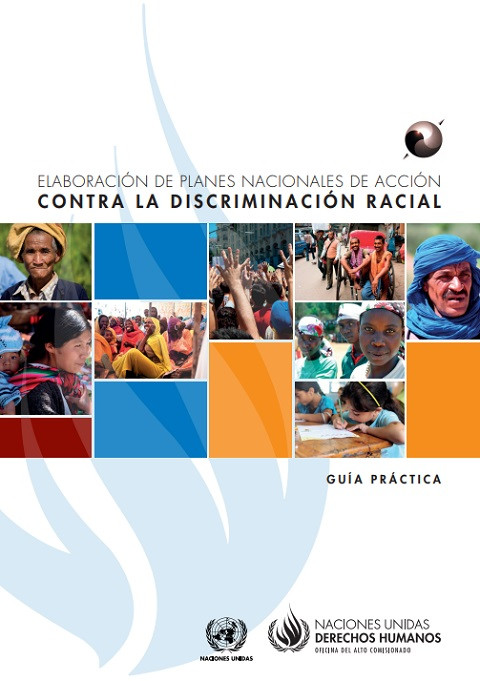 Preparation of National Action Plans Against Racial Discrimination: Practical Guide Год публикации: 2014 Организация-автор: United Nations (UN) This publication is a practical guide for the development of national plans of action against racial discrimination. National action plans are the basis for the development of a comprehensive public policy against racial discrimination and therefore can help States to comply with their international human rights obligations related to the elimination of racial discrimination.