
Ресурсы
Изучайте широкий спектр ценных ресурсов ВГГ, чтобы углубить своё понимание и повысить эффективность исследований, просветительской деятельности, преподавания и обучения.
Найдено: 154
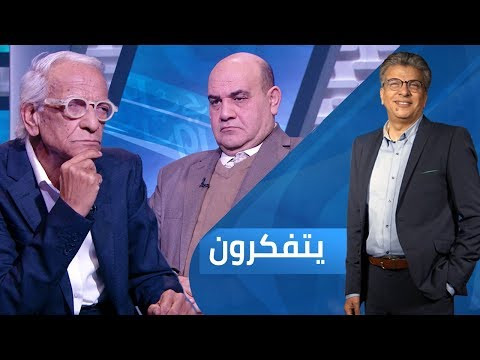 مفهوم الدين والمواطنة في الدولة الحديثة Год публикации: 2019 Организация-автор: Alghad TV حدث ظهور الإسلام نقلة نوعية في الحياة السياسية بالجزيرة العربية، حيث نجح الدين الجديد في تفكيك البنى القبلية، وتغيير المفاهيم الطبقية القائمة على الانتماءات الضيقة، لصالح مفهوم الوطن الذي يساوي بين الجميع في الحقوق والواجبات، وهو ما تجلى بوضوح في وثيقة المدينة التي نظمت العلاقة بين المسلمين واليهود وغيرهم، باعتبارهم جميعا أمة من دون الناس، و على الرغم من ذلك مازال البعض ينادي باعتبار غير المسلمين مواطنين من الدرجة الثانية، لا ولاية لهم ولا مساواة معهم في بلاد المسلمين، وهو ما يتعارض مع الأسس التي قامت عليها الدولة الوطنية الحديثة، باعتبار الدين لله، والوطن للجميع! ويطرح السؤال نفسه: هل يمكن لمفهوم الدولة أن يقوم على اعتبارات دينية تقصى الآخر وتتجاهل وجوده؟ The Concept of Religion and Citizenship in Modern Country (Yatfakroon Season 3 Episode 22) Год публикации: 2019 Организация-автор: Alghad TV The emergence of Islam took a qualitative leap in political life in the Arabian Peninsula, as the new religion succeeded in dismantling tribal structures and changing class concepts based on narrow affiliations in favor of the concept of the homeland, which equates everyone in rights and duties. This was clearly demonstrated in the Medina document that organized the relationship between Muslims, Jews and others, as they are all a nation without the people, and in spite of this, some still call for non-Muslims to be considered second-class citizens, with no jurisdiction or equality with them in Muslim countries. This contradicts the foundations on which the modern nation state was established, considering Religion is for God and the homeland for all! The same question arises: Can the concept of the state be based on religious considerations that exclude the other and ignore his existence?
 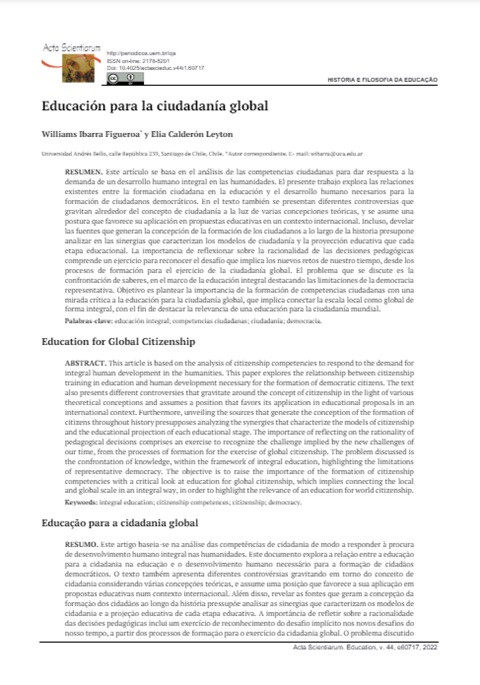 Education for Global Citizenship(Acta Scientiarum. Education; vol. 44) Год публикации: 2022 Автор: Williams Ibarra Figueroa | Elia Calderón Leyton Организация-автор: Maringá State University Press This work explores the relationships between citizen training in education and the human development necessary for the formation of democratic citizens. The text also presents different controversies that revolve around the concept of citizenship in light of various theoretical conceptions, and a position is assumed that favors its application in educational proposals in an international context. Even revealing the sources that generate the conception of the formation of citizens throughout history presupposes analyzing the synergies that characterize the models of citizenship and the educational projection of each educational stage. The importance of reflecting on the rationality of pedagogical decisions includes an exercise to recognize the challenge that the new challenges of our time imply, from the training processes for the exercise of global citizenship. Educación para la ciudadanía global(Acta Scientiarum. Education; vol. 44) Год публикации: 2022 Автор: Williams Ibarra Figueroa | Elia Calderón Leyton Организация-автор: Maringá State University Press El presente trabajo explora las relaciones existentes entre la formación ciudadana en la educación y el desarrollo humano necesarios para la formación de ciudadanos democráticos. En el texto también se presentan diferentes controversias que gravitan alrededor del concepto de ciudadanía a la luz de varias concepciones teóricas, y se asume una postura que favorece su aplicación en propuestas educativas en un contexto internacional. Incluso, develar las fuentes que generan la concepción de la formación de los ciudadanos a lo largo de la historia presupone analizar en las sinergias que caracterizan los modelos de ciudadanía y la proyección educativa que cada etapa educacional. La importancia de reflexionar sobre la racionalidad de las decisiones pedagógicas comprende un ejercicio para reconocer el desafío que implica los nuevos retos de nuestro tiempo, desde los procesos de formación para el ejercicio de la ciudadanía global.
 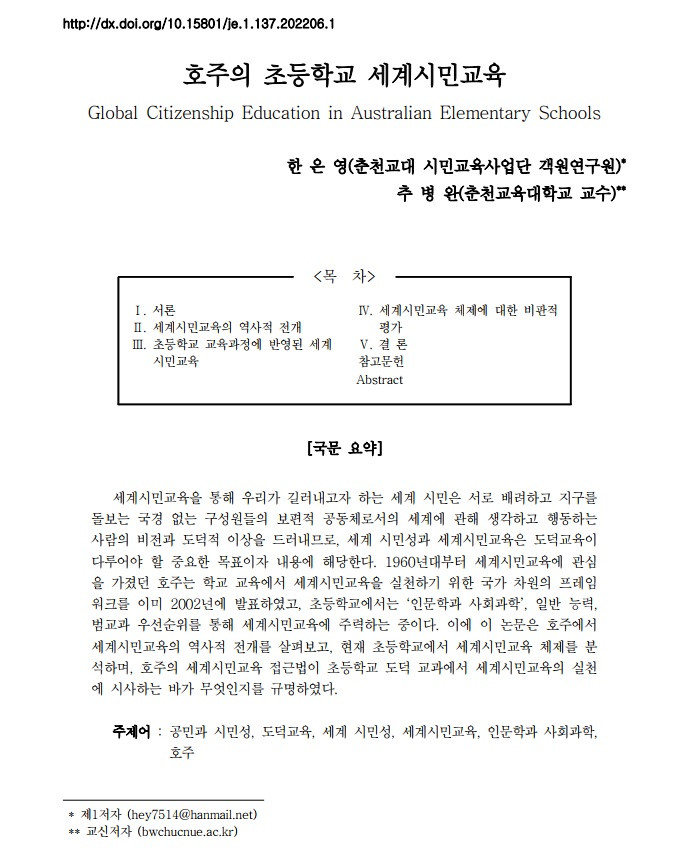 Global Citizenship Education in Australian Elementary Schools(Journal of Ethics; Vol. 137, No 1) Год публикации: 2022 Автор: 한은영 | 추병완 Организация-автор: 한국윤리학회 Global citizens think and act about the world as a universal community of borderless members who care for each other and are dedicated to taking care of the earth. Considering these visions and moral ideals, global citizenship education is an important goal and content of moral education. However, at present, we do not have a framework for dealing with global citizenship education in moral education. In this regard, Australia is the country we should pay attention to. Australia declared a national statement for global citizenship education in 2002. Since 2009, it has been reflected in the Australian curriculum. This article examines the historical development of global citizenship education in Australia, analyzes the current systems of global citizenship education system in primary schools, and investigates what Australia's approach to global citizenship education suggests for elementary moral education in Korea. In conclusion, we proposed three things. First, we must develop and apply a framework for the practice of global civic education in moral education. Second, we should emphasize the aspects of knowledge and understanding, skills and processing, behavior and participation as well as values and attitudes. Third, we must seek a balance between moderate global citizenship education and critical global citizenship education. 호주의 초등학교 세계시민교육(윤리연구; Vol. 137, No 1) Год публикации: 2022 Автор: 한은영 | 추병완 Организация-автор: 한국윤리학회 세계시민교육을 통해 우리가 길러내고자 하는 세계 시민은 서로 배려하고 지구를 돌보는 국경 없는 구성원들의 보편적 공동체로서의 세계에 관해 생각하고 행동하는 사람의 비전과 도덕적 이상을 드러내므로, 세계 시민성과 세계시민교육은 도덕교육이 다루어야 할 중요한 목표이자 내용에 해당한다. 1960년대부터 세계시민교육에 관심을 가졌던 호주는 학교 교육에서 세계시민교육을 실천하기 위한 국가 차원의 프레임워크를 이미 2002년에 발표하였고, 초등학교에서는 ‘인문학과 사회과학’, 일반 능력, 범교과 우선순위를 통해 세계시민교육에 주력하는 중이다. 이에 이 논문은 호주에서 세계시민교육의 역사적 전개를 살펴보고, 현재 초등학교에서 세계시민교육 체제를 분석하며, 호주의 세계시민교육 접근법이 초등학교 도덕 교과에서 세계시민교육의 실천에 시사하는 바가 무엇인지를 규명하였다.
 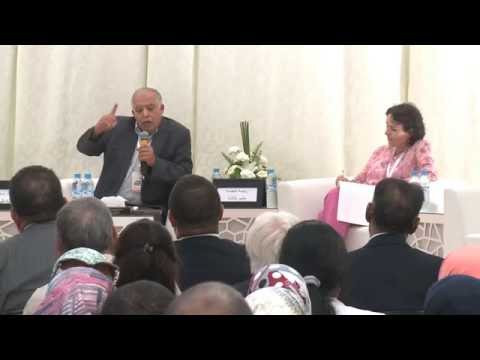 Education and Citizenship: Summer University 2016 Год публикации: 2016 Автор: Abdullah Saaf Организация-автор: General Delegation for Prison Administration and Reintegration (DGAPR) This video is a lecture given to women prisoners in Morocco, and it is a rehabilitation program. The lecture by Dr. Abdullah Sa`f talks about citizenship and inclusion in society, and discusses the relationship between education and citizenship. التعليم والمواطنة: الجامعة الصيفية 2016 Год публикации: 2016 Автор: Abdullah Saaf Организация-автор: General Delegation for Prison Administration and Reintegration (DGAPR) الفيديو عبارة عن محاضرة القت للسجينات في المغرب، وهو برنامج لاعادة التأهيل. المحاضرة للدكتور عبدالله ساعف يتحدث فيها عن المواطنة، والاندماج في المجتمع، ويناقش علاقة التعليم بالمواطنة.
 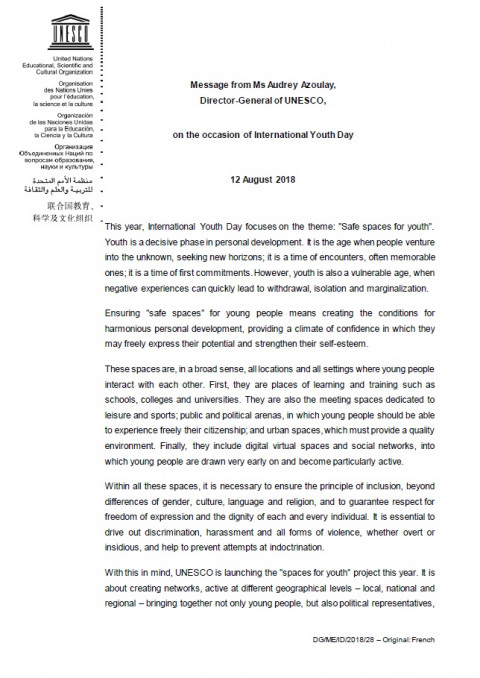 Message from Ms Audrey Azoulay, Director-General of UNESCO, on the occasion of International Youth Day, 12 August 2018 Год публикации: 2018 Организация-автор: UNESCO. Director-General, 2017-2025 (Azoulay, A.) This message was delivered by Audrey Azoulay, Director-General of UNESCO, on the occasion of the International Youth Day, 12 August 2018. 联合国教科文组织总干事奥德蕾·阿祖莱女士 国际青年日致辞 Год публикации: 2018 Организация-автор: UNESCO. Director-General, 2017-2025 (Azoulay, A.) 2018年8月12日,联合国教科文组织总干事奥德蕾·阿祖莱女士国际青年日致辞