
Ресурсы
Изучайте широкий спектр ценных ресурсов ВГГ, чтобы углубить своё понимание и повысить эффективность исследований, просветительской деятельности, преподавания и обучения.
Найдено: 41
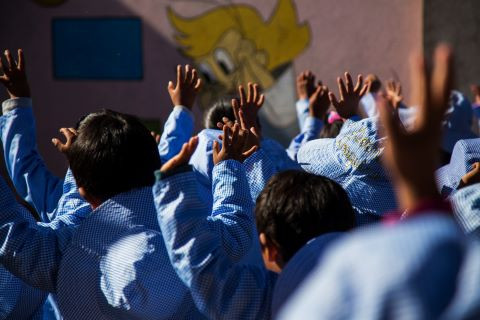 Tejiendo educación y equidad en Iberoamérica Год публикации: 2024 Автор: Ricardo Cuenca Организация-автор: Organización de Estados Iberoamericanos para la Educación, la Ciencia y la Cultura (OEI) Abordar la compleja relación entre educación y desigualdad en Iberoamérica es todo un desafío. Las disparidades económicas y sociales tejen un entramado complejo en la región. A pesar de los avances, el acceso sigue siendo un obstáculo para muchos. En esta travesía, la OEI ha venido trabajando durante sus 75 años de historia para derribar las barreras que obstaculizan una formación equitativa para todos. Ricardo Cuenca, miembro del Consejo Asesor de la OEI, nos explica hasta qué punto las políticas educativas pueden contribuir a mitigar esas desigualdades en Iberoamérica.
  A General Discussion on Educational Equity Of the Disabled Год публикации: 2003 Автор: Li Shu With the values of democracy in education, equity for educational services attracts ever greater attention. A large portion of the disadvantaged, whether the disabled are treated equally inthis field reflects the extent to which a country realizes its democratic values. This article discusses educational equity for the disabled in terms of three aspects. 试论残疾人的教育公平 Год публикации: 2003 Автор: Li Shu 随着教育民主思想的发展,教育公平越来越受到当今学人的关注。残疾人作为弱势群体中一个规模大的群体,他们在行使和享有教育权利上是否受到公平的对待,反映了一国的民主化程度。本文试图从入学机会、教育过程以及教育结果三个不同层面来论述残疾人的教育公平问题。
 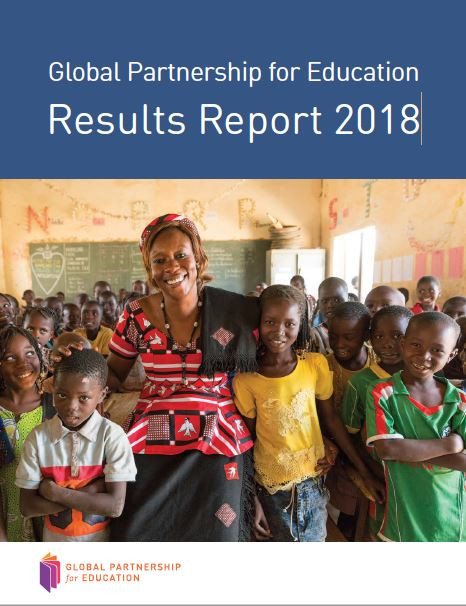 Global Partnership for Education Results Report 2018 Год публикации: 2018 Организация-автор: Global Partnership for Education (GPE) The GPE Results Report 2018 shows progress against agreed-upon targets and identifies critical gaps that need to be addressed.
 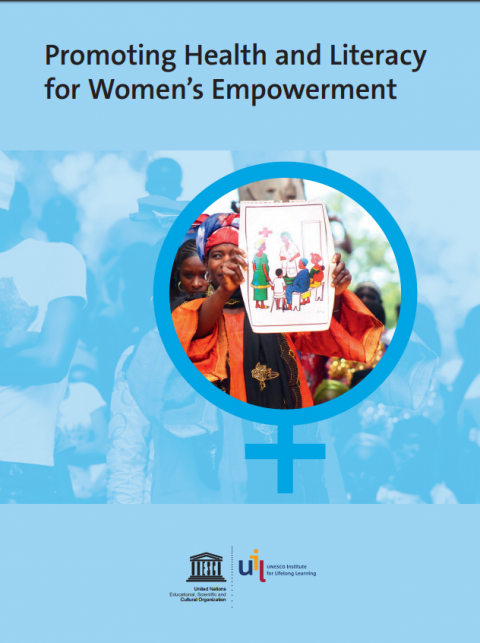 Promoting health and literacy for women's empowerment Год публикации: 2016 Автор: Anna Robinson-Pant This publication is the third in a series of research studies focused on literacy and women’s empowerment. Its aim is to contribute to the development of crosssectoral approaches to the provision of adult literacy, education and training, traversing policy on education, family, integration, citizenship, health, social welfare and public finance. This paper uses a number of specific examples to show how literacy programmes for young people and adults, with a particular focus on young and adult women, can contribute to the achievement of the Sustainable Development Goals. Autonomiser les femmes par la promotion de la santé et de l'alphabétisme Год публикации: 2016 Автор: Anna Robinson-Pant This publication is the third in a series of research studies focused on literacy and women’s empowerment. Its aim is to contribute to the development of crosssectoral approaches to the provision of adult literacy, education and training, traversing policy on education, family, integration, citizenship, health, social welfare and public finance. This paper uses a number of specific examples to show how literacy programmes for young people and adults, with a particular focus on young and adult women, can contribute to the achievement of the Sustainable Development Goals.
  Connet with respect: preventing-gender based violence in schools; classroom programme for students in early secondary school Год публикации: 2016 Организация-автор: UNESCO Bangkok Students learn best in schools that provide safety and social support. However, some young people experience violence and harassment in, around, and on the way to school. This includes gender-based violence (GBV), which can take many different forms.As a teacher, you can play an important role in preventing the expression of gender-based violence in the school setting. Teachers, school principals and the broader education system can provide positive role models, empower children and youth to have healthy and respectful relationships, and deliver a violence prevention programme within their curriculum.This tool has been created to help schools in Asia and the Pacific to do all of these things.
 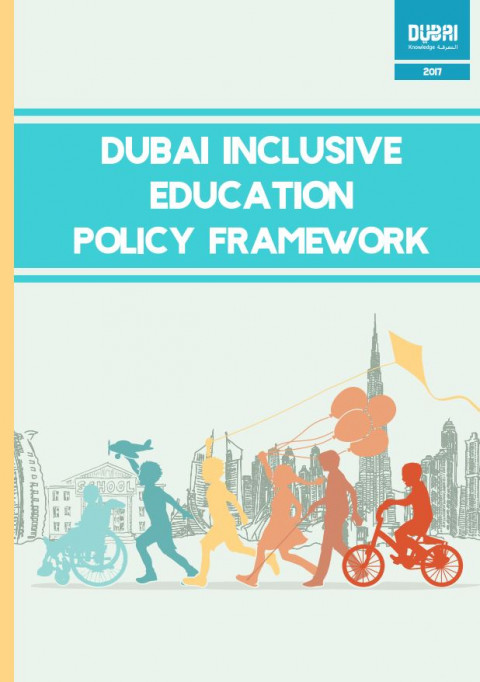 إطار سياسة التعليم الدامج في دبي Год публикации: 2017 Организация-автор: Knowledge and Human Development Authority هذا الاطار لسياسة التعليم الدامج في إمارة دبي بهدف توفير كافة المعلومات المطلوبة عن الاجراءات والمعايير اللازمة لتحسين مقومات التعليم الدامج على مستوى الامارة، ولتعميم توجيهات وإرشادات محددة الى جميع المنشآت التعليمية في دبي، على النحو الذي يضمن تحقيق رؤية الامارة. Dubai Inclusive Education Policy Framework Год публикации: 2017 Организация-автор: Knowledge and Human Development Authority The policy framework has been developed in partnership with a diverse range of stakeholders. It is based on international evidence of successful inclusive practices in education. It is also the culmination of an international benchmarking literature review, a participatory research process, based on extensive consultation with many stakeholders and an environmental scan of the enablers and barriers to inclusive education.Based on international best-practice and research, the policy framework purposefully offers definitions of key terms with the intention of informing a clear, common language and approach. This policy framework also takes into account the complexity and the uniqueness of the education landscape of Dubai, which hosts schools from all over the world, collectively delivering over 17 different curricula. This landscape is characterised by a diverse range of different education settings including schools, early learning centres, higher education providers and special education centres.
 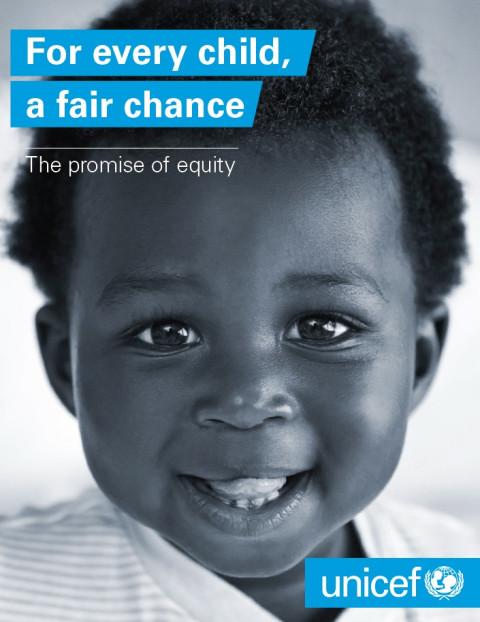 For every child, a fair chance: The promise of equity Год публикации: 2015 Организация-автор: United Nations Children's Fund (UNICEF) This report is based on an in-depth paper that was the centrepiece of discussions at the UNICEF Executive Board’s Special Session on Equity held in New York, in June 2015.The principle of equity guides UNICEF’s work with a sharp focus on the world’s most vulnerable children: those from the poorest households, girls, children with disabilities, migrant and refugee children, those living in remote areas, and children from ethnic or religious groups facing discrimination. The following pages build on evidence and experience from this work to make two main arguments for closing persistent gaps in equity. It examines seven sectors that are critical to progress for children: health; HIV and AIDS; water, sanitation and hygiene; nutrition; education; child protection; and social inclusion. In each sector, there are stark contrasts between global advances on one hand and the urgent, unmet needs of the world’s most vulnerable children on the other.