
Ресурсы
Изучайте широкий спектр ценных ресурсов ВГГ, чтобы углубить своё понимание и повысить эффективность исследований, просветительской деятельности, преподавания и обучения.
Найдено: 51
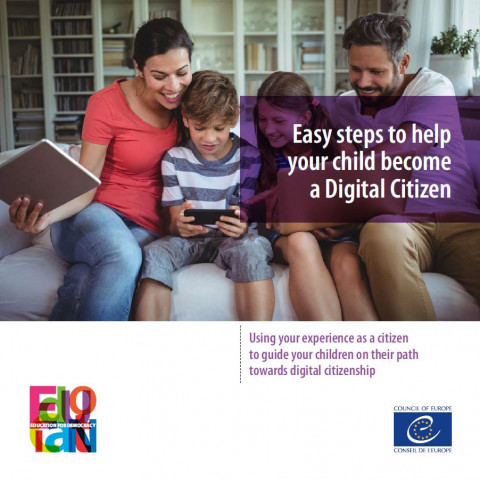 Easy Steps to Help Your Child Become a Digital Citizen Год публикации: 2020 Автор: Janice Richardson | Veronica Samara Организация-автор: Council of Europe A guide to help you use your experience as a citizen to guide your children on their path towards digital citizenship.Young people today inhabit a world that has been transformed by digital technologies, effortlessly enabling connectedness through social media and access to vast quantities of information. Making sense of this hyper rich information and engaging effectively and responsibly poses a whole set of new challenges for educators as they seek to prepare young people as citizens, exercising their rights and participating effectively in the affairs of the community.Parents, and “non-tech” grandparents too, can help children become digital citizens. In this guide, we explain some of the easy steps to follow, to help children master what it takes to act responsibly and respectfully online. Étapes simples pour aider votre enfant à devenir un citoyen numérique Год публикации: 2020 Автор: Janice Richardson | Veronica Samara Организация-автор: Conseil de l'Europe Un guide pour vous aider à utiliser votre expérience en tant que citoyen pour guider vos enfants sur la voie de la citoyenneté numérique.Les jeunes habitent aujourd'hui un monde qui a été transformé par des technologies numériques, permettant la connexion sans effort via les médias sociaux et l'accès à de vastes quantités d'informations. Etre capable de décortiquer cette information hyper riche et s’engager de manière efficace et responsable pose toute une série de nouveaux défis pour les éducateurs dans la mesure où ils cherchent à préparer les jeunes en tant que citoyens, à exercer leurs droits et à participer efficacement aux affaires de la communauté.Les parents et les grands-parents (même les profanes en technologie), peuvent aider les enfants à devenir des citoyens numériques. Dans ce guide, nous présentons quelques étapes faciles à suivre afin d’aider les enfants à maîtriser l’essentiel pour agir de façon responsable et respectueuse en ligne.
 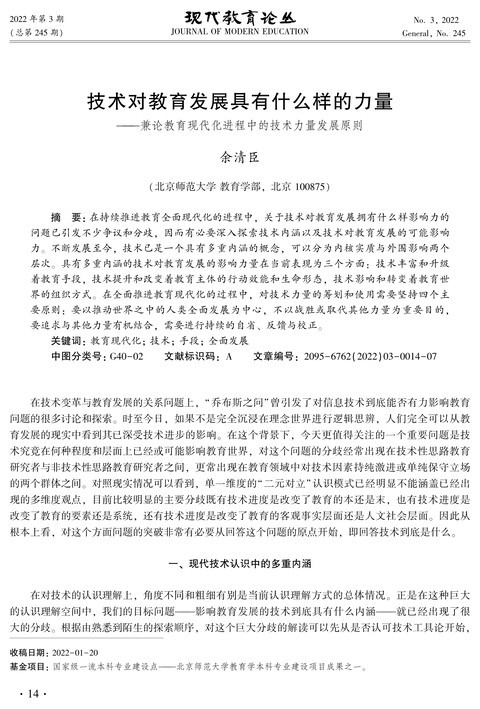 What Kind of Power Does Technology Have on the Development of Education: On the Development Principle of Technical Force in the Process of Educational Modernization (Modern Education Review; No.3, 2022) Год публикации: 2022 Автор: 余清臣 In the process of continuously promoting the comprehensive modernization of education, the issue of what influence technology has on the development of education has caused many debates and disputes. Therefore, it is necessary to deeply explore the connotation of technology and the possible influence of technology on the development of education. Up to now, technology has been a concept with multiple connotations, which can be divided into two levels:core essence and peripheral influence. At present, the influence of technology with multiple connotations on educational development is manifested in three aspects:technology enriches and upgrades educational means, promotes and changes the action efficiency and life form of educational subjects, and influences and changes the way the educational world is organized. In the process of comprehensively promoting the modernization of education, the planning and application of technological forces in education should focus on promoting the all-round development of mankind in the world, not on defeating or replacing other forces, and pursue the organic combination with other forces. In addition, continuous introspection, feedback and correction are also very important. 技术对教育发展具有什么样的力量: 兼论教育现代化进程中的技术力量发展原则 (现代教育论丛; No.3, 2022) Год публикации: 2022 Автор: 余清臣 在持续推进教育全面现代化的进程中,关于技术对教育发展拥有什么样影响力的问题已引发不少争议和分歧,因而有必要深入探索技术内涵以及技术对教育发展的可能影响力。不断发展至今,技术已是一个具有多重内涵的概念,可以分为内核实质与外围影响两个层次。具有多重内涵的技术对教育发展的影响力量在当前表现为三个方面:技术丰富和升级着教育手段,技术提升和改变着教育主体的行动效能和生命形态,技术影响和转变着教育世界的组织方式。在全面推进教育现代化的过程中,对技术力量的筹划和使用需要坚持四个主要原则:要以推动世界之中的人类全面发展为中心,不以战胜或取代其他力量为重要目的,要追求与其他力量有机结合,需要进行持续的自省、反馈与校正。
  Opportunities for Media and Information Literacy in the Middle East and North Africa: Yearbook 2016 Год публикации: 2016 Автор: Magda Abu-Fadil | Jordi Torrent | Alton Grizzle Организация-автор: International Clearinghouse on Children, Youth and Media (Sweden) Opportunities for Media and Information Literacy in the Middle East and North Africa is the seventeenth Yearbook published by the Clearinghouse and fills a gap in the existing body of literature about the progress of media and information literacy work in different parts of the world. This book also helps educators in the Middle East and North Africa region looking for opportunities to bring to their classrooms elements of MIL education.
 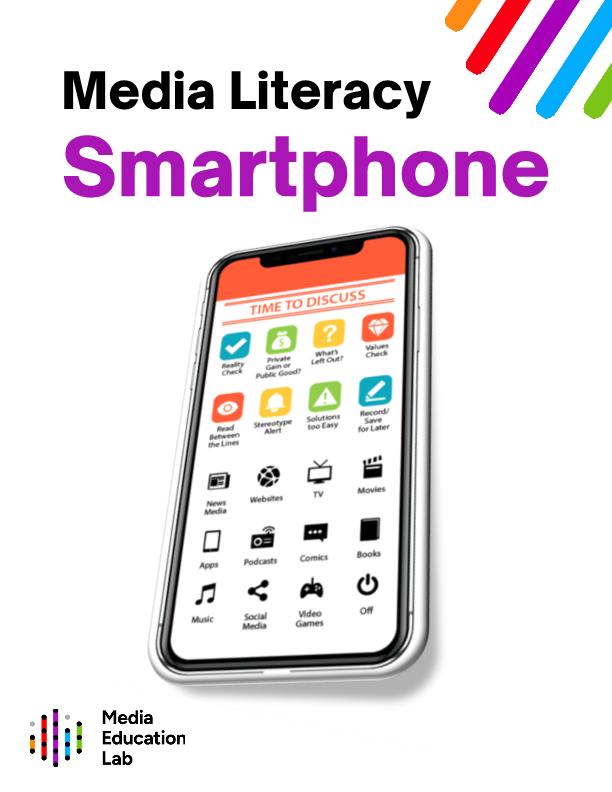 Media Literacy Smartphone Год публикации: 2020 Автор: Renee Hobbs | Pam Steager Организация-автор: Media Education Lab Learn how to use the Media Literacy Smartphone with learners of all ages! Download the free Learning Guide to bring the power of media literacy analysis to your learners!These easy-to-use cards, shaped exactly in the size of a smartphone, are available to educators for classroom use. You can use these simple paper cards to introduce a structured approach that helps students learn to critically analyze any media text --- web sites, books, advertising, news, TV shows, movies, video games, magazines and music. One side of the smartphone displays the various "apps" for analyzing a media text and the other side displays the "five critical questions" of media literacy developed by Renee Hobbs.Pair the smart phone with the LOVE IT OR HATE IT cards for a dynamic and fun learning experience.
 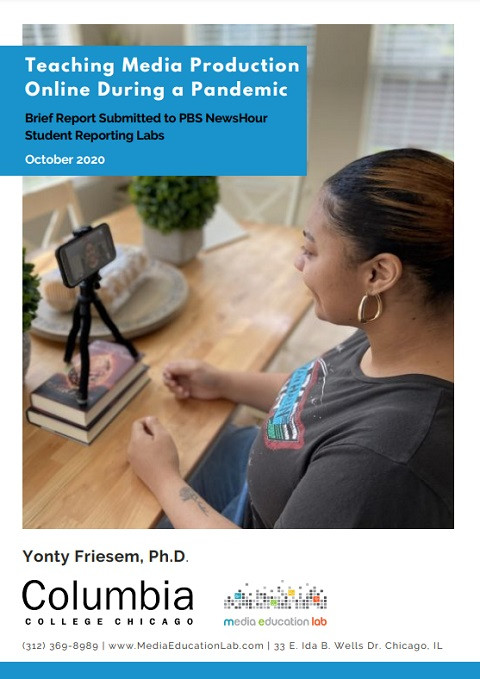 Teaching Media Production Online During a Pandemic: Brief Report Submitted to PBS NewsHour Student Reporting Labs Год публикации: 2020 Автор: Yonty Friesem Организация-автор: Media Education Lab How are media production teachers coping with remote video production with students?Starting in mid-March, US schools moved to remote instruction due to COVID-19 pandemic. Media production teachers had to shift their teaching to online without the possibility to use their high-end equipment in school. This report showcase the findings from Dr. Yonty Friesem’s research with media teachers who used the curriculum of PBS NewsHour Student Reporting Lab as they adapt to online and remote instruction. Dr. Friesem shared the report with PBS NewsHour Student Reporting Lab and the audience of the webinar.
 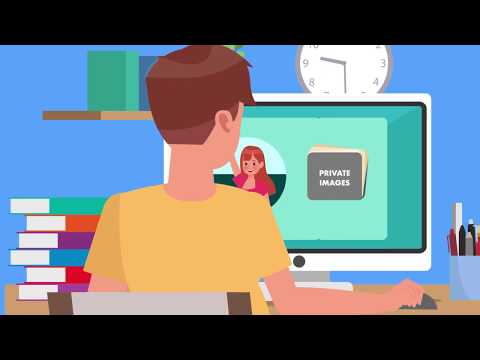 How to Understand Misinformation, Disinformation and Malinformation Год публикации: 2020 Организация-автор: Shout Out UK | U.S. Embassy London | Association for Citizenship Teaching (ACT) We live in a world where information is very easy to fabricate. Now more than ever, media literacy (the ability to critically analyse information) is critical for us as citizens and for our democracy to function. This video explains the difference between Misinformation, Disinformation and Malinformation and presents you with some examples! This video is part of a resource pack created and designed by Shout Out UK, supported by the US Embassy in London and in collaboration with the Association For Citizenship Teaching.For more info: https://www.shoutoutuk.org/media-literacy/
  Information Neighbourhoods Год публикации: 2020 Организация-автор: Shout Out UK | U.S. Embassy London | Association for Citizenship Teaching (ACT) We live in a world where information has a variety of purposes. So how can you identify what each type of information is trying to do? Now more than ever, media literacy (the ability to critically analyse information) is critical for us as citizens and for our democracy to function. This video explains what Information neighbourhoods exist and how to identify them.
  The White Paper of EKOME on Media & Information Literacy Год публикации: 2018 Организация-автор: EKOME S.A. EKOME is concluding 2018 Global UNESCO Media and Information Literacy Week celebrations with the launch of the White Paper on Media & Information Literacy available in Greek & English.The White Paper is EKOME’s viewpoint on the third pillar, Education, setting out a paradigm for a national infrastructure on media and information literacy. By highlighting the main priorities in the field, the White Paper of EKOME aims to contribute to a national strategic plan and build a constructive relationship with the creative industry.