
Ресурсы
Изучайте широкий спектр ценных ресурсов ВГГ, чтобы углубить своё понимание и повысить эффективность исследований, просветительской деятельности, преподавания и обучения.
Найдено: 1,364
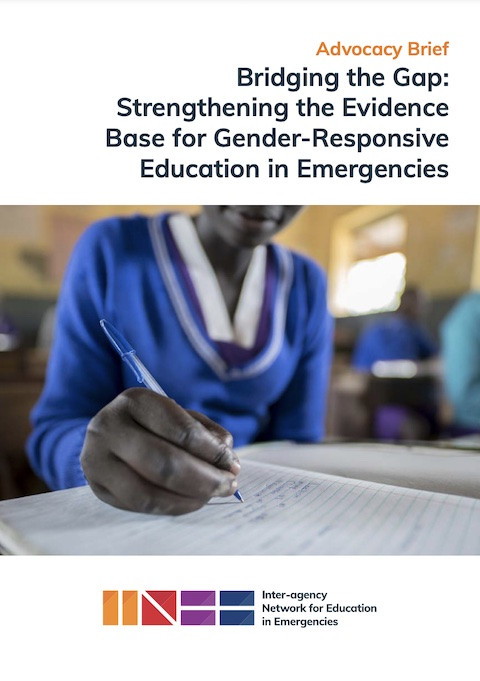 Bridging the Gap: Strengthening the Evidence Base for Gender-Responsive Education in Emergencies Год публикации: 2022 Автор: Lauren Gerken | Sumbal Bashir Организация-автор: Inter-agency Network for Education in Emergencies (INEE) This brief was developed by the INEE Gender Task Team in response to global calls for more and better data and evidence on gender-responsive EiE. The brief draws from findings of the 2021 and 2022 editions of the INEE Mind the Gap report on the state of girls’ education in emergencies, and from consultations with gender and education experts.The objectives of this brief are: To highlight key gaps in the evidence base on gender and EiE To provide strategic guidance and thematic content for new research initiatives focused on gender and EiE To promote collaborative action and knowledge-sharing among key actors working on gender and EiE
 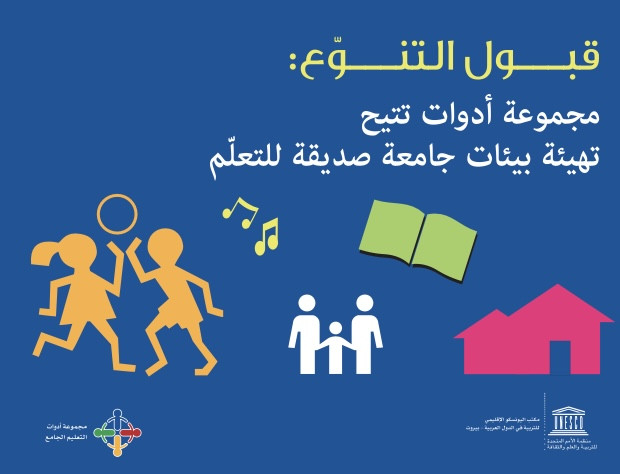 قبول التنوع: مجموعة أدوات تتيح تهيئة بيئات جامعة صديقة للتعلم Год публикации: 2014 Организация-автор: UNESCO Beirut قام مكتب اليونسكو الإقليمي – بيروت بترجمة وتعريب مجموعة الأدلة التي أنتجها مكتب اليونسكو الإقليمي للتربية في آسيا والمحيط الهادي- بانكوك. وتقدم الأدلة المعنونة " قبول التنوع: مجموعة أدلة تتيح تهيئة بيئات جامعة صديقة للتعلم" أدوات عملية وارشادات لجعل المدارس والصفوف الدراسية جامعة وصديقة للتعلم ومراعية للفروق الاجتماعية والجندرية والجسمية بين الأطفال.وهذا الدليل هو واحد من الأدلة التسعة التي أُنتجت، والتي تهدف في مجموعها، إلى مساعدة المعلمين ومدراء المدارس والمسؤولين التربويين، لتهيئة بيئة تعليمية جامعة وصديقة للتعلم، من خلال تقديم مجموعة متنوعة من الطرق والأمثلة والأدوات والنصائح والإرشادات التي تعين المعلم على أداء مهامه وإدارة الصف وتهيئة بيئة تعليمية ملائمة للجميع. Embracing Diversity: Toolkit for Creating Inclusive, Learning-Friendly Environments Год публикации: 2014 Организация-автор: UNESCO Beirut The UNESCO Regional Office - Beirut has translated and localized the collection of manuals produced by the UNESCO Regional Office for Education in Asia and the Pacific - Bangkok. The guides, “Accepting Diversity: A Guidebook for Creating Learning-Friendly University Environments,” provides practical tools and guidance for making schools and classrooms inclusive, learning-friendly, and social, gender- and physical-sensitive among children.This guide is one of the nine guides that have been produced, which, in total, aim to assist teachers, school principals and educational officials to create an inclusive and learning-friendly learning environment, by providing a variety of methods, examples, tools, tips and instructions that help the teacher to perform his duties, manage the classroom and prepare A suitable learning environment for all.
 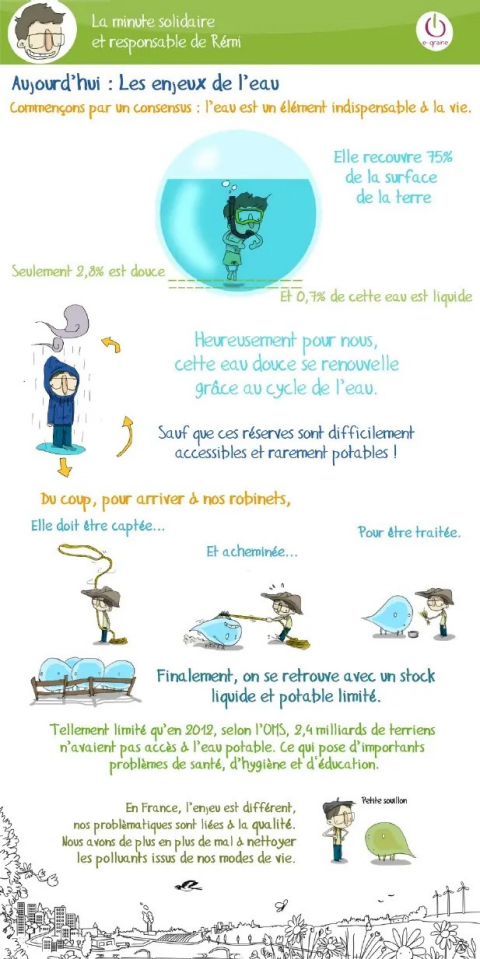 La minute solidaire et responsable de Remi Год публикации: 2019 Организация-автор: E-graine 3 bandes dessinées en ligne pour sensibiliser sur les questions environnementales : une sur l'eau, une sur l'empreinte écologique et une sur les déchets. 3 online comic strips to raise awareness of environmental issues: one on water, one on the ecological footprint and one on waste.
 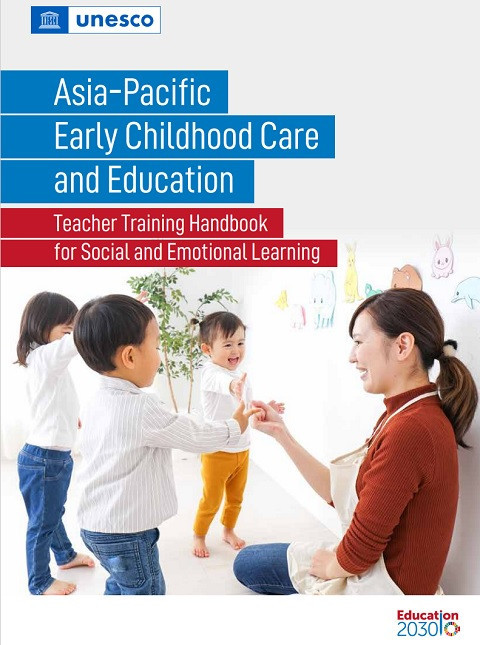 Asia-Pacific Early Childhood Care and Education: Teacher Training Handbook for Social and Emotional Learning Год публикации: 2022 Автор: Monisha Singh Diwan Организация-автор: UNESCO Bangkok The handbook was initiated by UNESCO Bangkok. This effort is in response to the widespread recognition of social and emotional learning (SEL)’s importance and the lack of robust and more contextually relevant and culturally sensitive SEL programme for teachers to effectively deliver SEL. With this, UNESCO Bangkok aims to support the Member States in the Asia-Pacific to equip their early childhood care and education (ECCE) teachers with SEL knowledge and skills, and to ensure that children develop pro-social and emotional skills and positive relationships within the early stage of the learning process, particularly in enhancing (1) knowledge about student SEL and classroom management; (2) strategies to apply in the classroom; and (3) teachers’ own social and emotional competence.The handbook provides the context and foundation for the programme. The background of the initiative that led to the regional handbook and training modules (Chapter 1), the introduction of the purpose and use of the handbook (Chapter 2), an overview of ECCE (Chapter 3), SEL (Chapter 4), teachers’ professional education, learning and development (Chapter 5), and APETT-SEL conceptual framework followed by an overview of the four themes and ten modules (Chapter 6). The Glossary provides definitions and/or explanations of key educational terminologies used to provide greater clarity. The ten comprehensive training modules aim to build capacity of pre-primary and early primary teachers, both pre- and in-service, across four themes. The first theme focuses on teachers and their well-being; the second equips teachers in building pro-social and responsive classrooms; the third focuses on diversity, inclusion, cultural responsiveness, and equity; and the fourth focuses on SEL measurement and assessment. Each training module consists of scripted sessions and activities, as well as reference materials included as handouts and additional readings.
  Citizenship Education at Regional Conflict Zones Год публикации: 2020 Автор: Nazarii Boiarskyi | Aleksey Telichkin | Nikolay Nazarov | Yuriy Petrushenko | Alexandru Postica | Sasha Delemenchuk | Valery Balaian | Oleksandr Voitenko | Rauf Rajabov Организация-автор: Human Rights Vector This publication is prepared by ‘Human Rights Vector’ NGO (Ukraine) as part of ‘Citizenship Education at Regional Conflict Zones’ projects that is being implemented by a ‘Citizenship Education at Regional Conflict Zones’ working group within EENCE network with the support of the Federal Agency for Civic Education (Bundeszentrale für politische Bildung) using funds appropriated by the Federal Foreign Office. This publication is the result of the activities of “Citizenship Education at Regional Conflict Zones” working group within EENCE network in 2020. The manual presents an understanding of conflicts in the modern world, as well as an overview of regional conflicts in the countries of the Eastern Partnership and Russia; it contains the analysis of the condition of formal and non-formal education in the conflict-affected areas; information on the specifics of planning and implementing citizenship education programs in the conflict-affected areas and for people from such areas, examples of the best educational practices. Гражданское образование в зоне региональных конфликтов Год публикации: 2020 Автор: Nazarii Boiarskyi | Aleksey Telichkin | Nikolay Nazarov | Yuriy Petrushenko | Alexandru Postica | Sasha Delemenchuk | Valery Balaian | Oleksandr Voitenko | Rauf Rajabov Организация-автор: Human Rights Vector Данная публикация — результат деятельности рабочей группы EENCE «Гражданское образование в зоне региональных конфликтов» в 2020 году. Стоит участь, что эксперты, вовлеченные в подготовку данного издания, работали над содержанием конкретных подразделов, где они указаны как авторы материала. Поэтому они могут не разделять мнения, высказанные авторами других подразделов.Эта публикация является едва ли не первой попыткой общественности посмотреть на ситуацию с образованием (и гражданским образованием в частности) в зонах региональных конфликтов, сравнить опыт различных организаций и институций в этой сфере, предоставить практические рекомендации. Поэтому не стоит рассматривать его как исчерпывающий материал. Скорее это приглашение к диалогу и раздумьям о том, как мирным путем через гражданское образование способствовать решению конфликтов.
  بناء مجتمعات المعرفة في المنطقة العربية: اللغة العربية بوابة للمعرفة Год публикации: 2019 Организация-автор: UNESCO Cairo بناء اقتصادات ومجتمعات المعرفة هدف معلن في المنطقة العربية. فمعظم الخطط التنموية في الدول العربية تدعو وبوضوح للعمل على إنتاج، ونقل، وتوطين، وتسخير المعرفة في مختلف الحقول خدمة لمآرب التنمية ا إ لنسانية المستدامة.وللغة العربية دور مهم في هذه العملية التنموية ا أ لساسية، حيث إن إنتاج المعارف واستيعابها ونقلها يكون أكثر فاعلية وأوسع انتشارًا باستخدام اللغة ا أ لم. ولا بد لنا هنا من الوقوف على السؤال ا أ لساسي التالي: إلى أي مدى تشكّل اللغة العربية اليوم بوابة حقيقية للمعرفة في المنطقة العربية؟يسعى هذا التقرير، الذي أعدّته ثلة من الخبراء العرب المميزين وبإدارة وتنسيق من مكتب اليونسكو ا إ لقليمي للعلوم في الدول العربية، إلى البحث في هذا السؤال المركزي من خلال مراجعة وتقييم حال المعرفة في المنطقة العربية من جهة، وإلى تحليل دور اللغة العربية في عمليات إقامة مجتمعات واقتصادات المعرفة في المنطقة العربية من جهة أخرى. ويتناول القسم العام من التقرير قضية المعرفة واللغة على المستوى ا إ لقليمي العربي. كما يتميّز التقرير ببحوث ميدانية تمّت في ثلاث دول عربية )هي السعودية ومصر والمغرب( تدرس حال المعرفة واللغة العربية في تلك البلدان، وتعكس، إلى حد ما، الحال في المناطق العربية الفرعية التي تنتمي إليها." Building Knowledge Societies in the Arab Region: Arabic Language as a Gateway to Knowledge Год публикации: 2019 Организация-автор: UNESCO Cairo Building knowledge economies and societies is a professed objective in the Arab region. Most of the development plans in the Arab states clearly call for action to produce, transfer, localise and harness knowledge in various fields, in service of the sustainable human development goals. The Arabic language has an important role to play in this key development process, as the production, assimilation and dissemination of knowledge is more effective and more widely spread when the mother tongue is used. Hereupon, a fundamental question must be addressed: To what extent does the Arabic language today constitute a true gateway to knowledge in the Arab region?This report, prepared by a group of distinguished Arab experts, under supervision and coordination of the UNESCO Regional Bureau for Sciences in the Arab States, seeks to research this central question by reviewing and evaluating the state of knowledge in the Arab region on the one hand, and analysing the role of the Arabic language in the processes of establishing knowledge societies and economies in the Arab region on the other. The general section of the report addresses the question of knowledge and language at the Arab regional level. It also features field research conducted in three Arab states (Saudi Arabia, Egypt and Morocco), that examines the state of knowledge and the Arabic language in those states, and to a certain extent, reflects the situation in the Arab sub-regions to which they belong. Construire les sociétés du savoir dans la région arabe: le rôle de la langue arabe en tant que portail du savoir Год публикации: 2019 Организация-автор: UNESCO Cairo La construction des économies et des sociétés du savoir est un objectif déclaré dans la région arabe. La plupart des plans de développement dans les pays arabes appellent clairement à des actions pour produire, transférer, localiser et exploiter des connaissances dans divers domaines au service des objectifs de développement humain durable. La langue arabe a un rôle important à jouer dans ce processus fondamental de développement, car la production, l’assimilation et la diffusion de connaissances sont plus efficaces et plus répandues lorsque la langue maternelle est utilisée. Là-dessus, une question fondamentale devrait être posée : dans quelle mesure la langue arabe constitue-t-elle aujourd’hui un vrai point d’accès au savoir dans la région arabe ?Ce rapport, préparé par un groupe d’éminents experts arabes, sous la supervision et la coordination du Bureau régional de l’UNESCO pour les sciences dans les États arabes, cherche à étudier cette question centrale en examinant et en évaluant la situation de connaissances dans la région arabe d’une part, et en analysant le rôle de la langue arabe dans les processus d’instauration des sociétés et d’économies du savoir dans la région arabe, d’autre part. La section générale du rapport aborde la question de connaissances et de la langue dans la région arabe. Il présente également des recherches de terrain menées dans trois pays arabes (l’Arabie saoudite, l’Égypte et le Maroc), ces recherches examinent la situation de connaissances et de la langue arabe dans ces États et reflètant, en quelque sorte, la situation dans les sous-régions arabes dans lesquelles elles étaient menées.