
Ресурсы
Изучайте широкий спектр ценных ресурсов ВГГ, чтобы углубить своё понимание и повысить эффективность исследований, просветительской деятельности, преподавания и обучения.
Найдено: 3,158
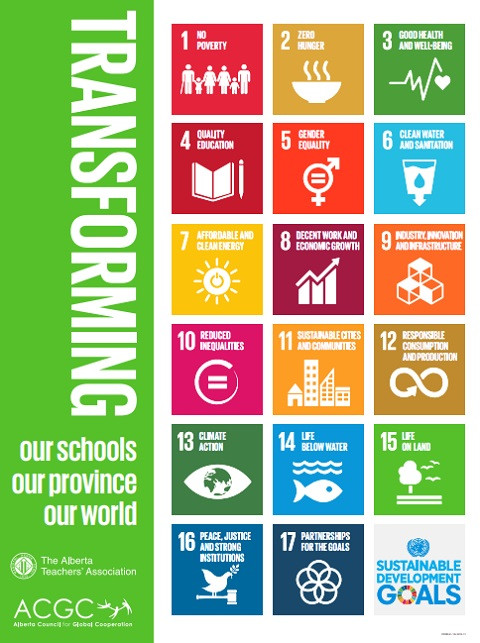 Transformons Nos Ecoles, Notre Province, Notre Monde Год публикации: 2015 Организация-автор: Alberta Council for Global Cooperation (ACGC) | The Alberta Teachers' Association (ATA) C'est une affiche scolaire sur les ODD réalisée par l’ACGC et l’Alberta Teachers ’Association.
 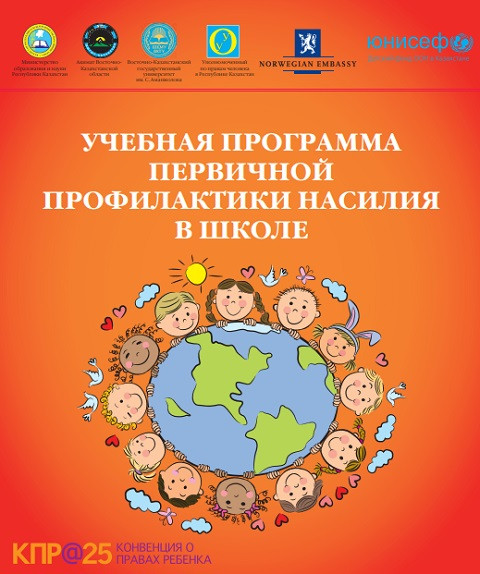 Primary Prevention Curriculum: The Programme to Prevent Violence Against Children Год публикации: 2014 Автор: Robin Haarr Организация-автор: United Nations Children's Fund (UNICEF) This publication was prepared under the cooperation between the Ministry of Education and Science of Kazakhstan, the Office of the Commissioner for Human Rights in the Republic of Kazakhstan, akimat of East Kazakhstan Oblast, the East Kazakhstan State University, and UNICEF Office in Kazakhstan to implement the programme on prevention and response to violence against children in schools in Kazakhstan, with thesupport from the Ministry of Foreign Affairs of Norway.This primary prevention curriculum has been developed for use with all students (schoolwide), and each includes specific worksheets and activities that should be taught in chronological order to students between the 3rd and 7th grades.
 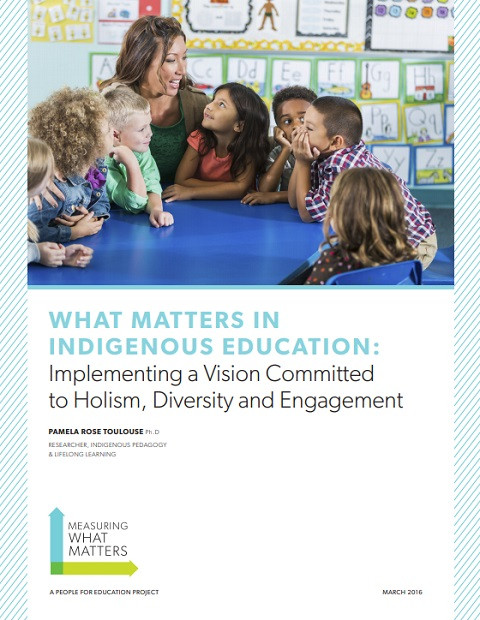 What Matters in Indigenous Education: Implementing a Vision Committed to Holism, Diversity and Engagement Год публикации: 2016 Автор: Pamela R.Toulouse Организация-автор: Measuring What Matters | People for Education This paper, What Matters In Indigenous Education: Implementing A Vision Committed To Holism, Diversity And Engagement, explores an Indigenous approach to quality learning environments and relevant competencies/skills. It focuses on select work from People for Education and draws out the research, concepts and themes that align with Indigenous determinants of educational success. This paper also expands on this work by offering perspectives and insights that are Indigenous and authentic in nature.
  Aboriginal Worldviews and Perspectives in the Classroom: Moving Forward Год публикации: 2015 Организация-автор: Province of British Columbia This resource presents how the BC Ministry of Education is embedding Aboriginal perspectives into all parts of the curriculum in a meaningful and authentic manner. It will also help educators to move ahead with transformative practice in relation to Aboriginal education. Visions du monde et perspectives autochtones dans la salle de classe : Aller de l’avant Год публикации: 2015 Организация-автор: Province of British Columbia Cette ressource présente comment le Ministère de l’Éducation de la Colombie-Britannique se propose d’intégrer, de manière significative et authentique, des perspectives autochtones à toutes les parties du programme d’études. Cela aidera également les éducateurs à essayer des pratiques transformatrices en matière d’éducation autochtone.
 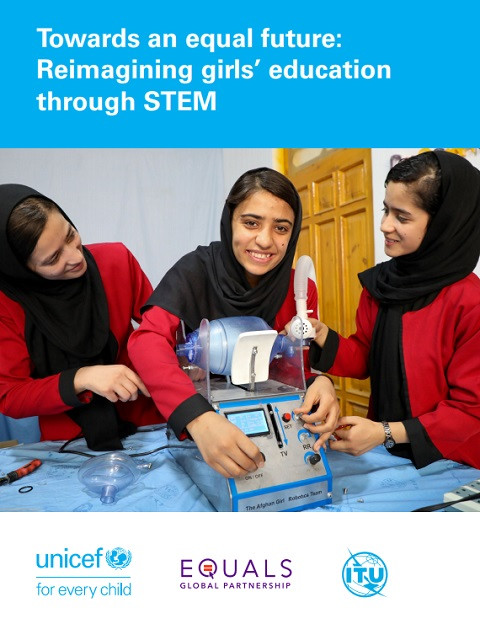 Towards an Equal Future: Reimagining Girls’ Education Through STEM Год публикации: 2020 Организация-автор: United Nations Children's Fund (UNICEF) | International Telecommunication Union (ITU) This document seeks to call attention to the potential of STEM education to transform gender norms in the education system, to improve quality learning opportunities for girls, and to highlight key actions that can accelerate girls’ transition between education and technical expert jobs in STEM industries. Critically, STEM education also has the potential to contribute to personal empowerment, transformation of communities and nations, and building economies for the future.The evidence presented here provides a foundation for a call to action for global, national and regional actors. All stakeholders are called to work together to dismantle the barriers that girls face to develop the skills they need to become users, shapers and creators of scientific knowledge and new technologies. This will allow girls to choose the skills they want to learn and how to apply them, empowering them to contribute to a gender-equal world.
  International Principles of Practice for Educators Год публикации: 2020 Организация-автор: Childhood Education International This document is a unique tool for educators that outlines how universally accepted beliefs about education can guide them in their work to help young people reach their full potential. By emphasizing the responsibilities and challenges that educators around the world share, it also helps to inspire them as members of a professional community that has inestimable value for promoting positive transformation.
 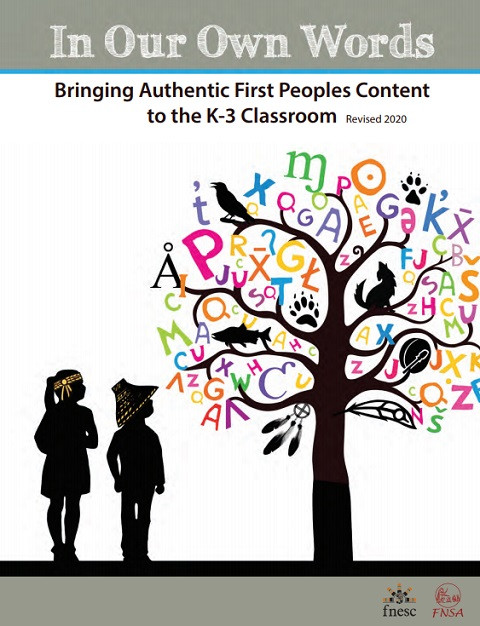 In Our Own Words: Bringing Authentic First Peoples Content to the K-3 Classroom Год публикации: 2020 Автор: Jo Chrona | Heather Froste | Nadine McSpadden | Trena Lynn Sutton | Heidi Wood Организация-автор: First Nations Education Steering Committee (FNESC) | First Nations Schools Association (FNSA) This teacher resource guide has been developed to offer teachers information and guidance about how to incorporate authentic First Peoples materials into their instruction and assessment practices. Inside, you will find lesson plans, curriculum connections, assessment resources and suggested texts.
  2020 교육(누리)과정 연계 다문화교육 수업 도움자료: 다문화감수성 제고를 위한 세계시민 교수·학습 자료; 초등(1~4학년) Год публикации: 2020 Автор: 김다원 Организация-автор: 국가평생교육진흥원 본 자료는 초등 저학년 단계에서 교과와 연계하여 다문화감수성 함양을 위한 세계시민교육 실천에 도움을 주고자 개발되었다. 학교급별 교육과정과 연계한 다문화이해교육 및 세계시민교육 주제의 교수ㆍ학습과정안으로 구성되어 있다.
  2020 교육(누리)과정 연계 다문화교육 수업 도움자료: 다문화이해교육 교수·학습 자료; 초등(5~6학년) Год публикации: 2020 Автор: 설규주 Организация-автор: 국가평생교육진흥원 본 자료는 초등 고학년 단계에서 교과와 연계하여 다문화감수성 함양에 도움을 주고자 개발되었다. 다문화교육 연구학교의 연차별 연구과제 수행의 결과로 마련된 수업모델을 토대로 개발되었으며, 제11회 다문화교육 우수사례 공모전 교육자료 부문 수상작 일부도 수록하였다.