
Ресурсы
Изучайте широкий спектр ценных ресурсов ВГГ, чтобы углубить своё понимание и повысить эффективность исследований, просветительской деятельности, преподавания и обучения.
Найдено: 3,158
 미디어 리터러시 교육과정 운영을 통한 시민역량 제고 방안 연구 (2019년 교육부 정책연구보고서) Год публикации: 2019 Автор: 강진숙 | 배현순 | 김지연 | 박유신 | 엄지홍 본 연구는 시민역량을 제고할 수 있는 국내 초중등 미디어 리터러시 교육과정의 구성과 실행방안 및 정책방안을 도출하는 데 목적이 있다.
  Mindfulness in the Context of Education Год публикации: 2021 Организация-автор: Campus Virtual MIMI This podcast deals with the concept of mindfulness, understood as an Eastern tradition that in recent years has been adapting to Western culture from different contexts to work on its own well-being. It is also defined by the author Jon Kabat-Zinn, who has brought to the West is practical, as the possibility of paying attention in a determined way to the present moment, without judgments. It has 3 components: attention, the intention to be present and attitudes individuals. It shows to be an inherent quality of the human being, as well as a capacity and ability that is trained, a practice that helps the brain in terms of its predispositions and has scientific bases that strongly relate it to mental health, due to its intervention in the nervous system , which generate a balance in the activation of this system. Therefore, the objective of mindfulness is to generate a possibility to balance emotions and learn to regulate them. It allows thoughts to connect with the body, which impacts on affective symptoms by strengthening the immune system. The video shows the ways to use it in everyday life in the academic context. La atención plena en el contexto de la educación Год публикации: 2021 Организация-автор: Campus Virtual MIMI Este Podcast trata acerca del concepto de atención plena, entendido como una tradición oriental que en los ultimos años se ha venido adaptando a la cultura occidental desde distintos contextos para trabajar en el bienestar propio. La define también a partir de el autor Jon Kabat-Zinn, quien ha traido a occidente está practica, como la posibilidad de prestar atención de manera determinada al momento presente, sin juicios.Tiene 3 componentes la atencjón, la intención de estar presente y actitudes particulares. Evidencia ser una cualidad inherente al ser humano, así como una capacidad y habilidad que se entrena, una práctica que ayuda al cerebro en cuanto a sus predisposiciones y tiene bases científicas que la relacionan fuertemente con la salud mental, por su intervención en el sistema nervioso, que generan un equilibrio en la activación de este sistema. Por tanto el objetivo de la atención plena es generar una posibilidad de equilibrar las emociones y aprender a regularlas. Permite que los pensamientos se conecten con el cuerpo lo que impacta en los síntomas de tipo afectivo fortaleciendo el sistema inmune. El video muestra las maneras para usarlo en la vida cotidiana en el contexto académico.
  ‘공존과 상생’의 2021 평화·세계시민교육 기본계획 Год публикации: 2021 Организация-автор: 서울특별시교육청 본 자료는 서울특별시교육청의 2021 평화·세계시민교육 기본계획안으로, 서울 관내 초·중·고등학교를 대상으로 세계시민교육 현황을 조사 및 분석하고 2021학년도 세계시민교육의 향후 과제 및 세부추진계획을 제시하였다.
  미디어 리터러시 교육을 통한 디지털 시민교육 강화 방안 Год публикации: 2020 Автор: 이미영 | 김양은 | 송여주 | 양철진 | 임재일 Организация-автор: 경기도교육연구원 본 연구는 일부 교사만 마주했던 학생들의 인터넷 중독과 사이버 폭력 등을 모든 교사가 경험하게 되면서 초·중·고등학생들이 디지털 공간에서도 건강한 시민의식을 지니도록 교육해야 한다는 새로운 과제가 제기되는 시점에서 연구되었다. 따라서 미디어 리터러시 교육을 통한 디지털 시민교육 강화방안을 모색하기 위해서 교사들의 인식을 살펴보고 강화방안을 도출하는데 이 연구의 목적이 있다.
  민주시민육성을 위한 미디어 리터러시 교육 방안 연구 Год публикации: 2019 Автор: 김현진 | 김현영 | 김은영 | 최미애 Организация-автор: 한국교육학술정보원 본 연구는 먼저, 국내외 민주시민 교육 및 미디어 리터러시 교육관련 사례 및 연구보고, 정책현황분석에 근거하여 민주시민육성을 위한 미디어 리터러시 교육 시사점을 도출하였다. 다음으로 2015 개정교육과정 내용체계 및 성취기준에 근거하여 민주시민육성을 위한 미디어 리터러시 교육이 정규 교과에 통합될 수 있도록 ‘학습주제사전’과 ‘교육과정 연계 성취기준’을 개발하였다. 마지막으로 국내외 사례 및 연구보고 현황 분석, 현장교사 및 전문가 협의회에 근거하여 민주시민육성을 위한 미디어 리터러시 교육의 정규교과 통합 활성화 방안 및 정책 제언을 도출하였다. 본 저작물은 한국교육학술정보원에서 2019년 작성하여 공공누리 제 1유형으로 개방한 ‘민주시민육성을 위한 미디어 리터러시 교육 방안 연구(김현진 외)’을 이용하였으며 해당 저작물은 한국교육학술정보원(www.keris.or.kr)에서 무료로 다운받으실 수 있습니다.
  2020 다문화교육 정책학교 운영 가이드라인: 초·중등 Год публикации: 2020 Организация-автор: 국가평생교육진흥원 본 자료는 다문화교육 정책학교 담당교원의 사업에 대한 이해를 제고하고 운영에 도움을 주고자 한다. 다문화교육 정책학교 운영 시 방향을 설정할 수 있는 가이드라인과 참고자료 및 현장의 다양한 운영사례 등을 제시하고 있다.
 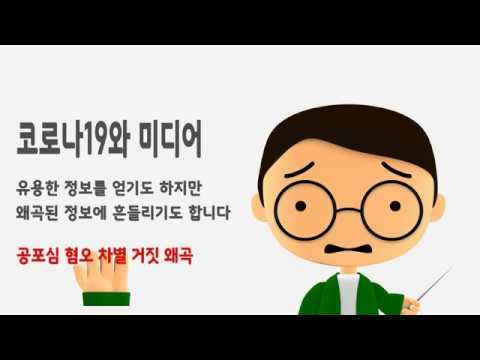 코로나19를 이겨내는 미디어 리터러시 백신 10가지 Год публикации: 2020 Организация-автор: 전국미디어리터러시교사협회 본 영상은 코로나19의 확산으로 그 어느 때보다 미디어 속 정보에 관심을 기울이기 되는 시기에 왜곡된 정보에 흔들리지 않도록 10가지 미디어 리터러시 방안을 소개한다.
 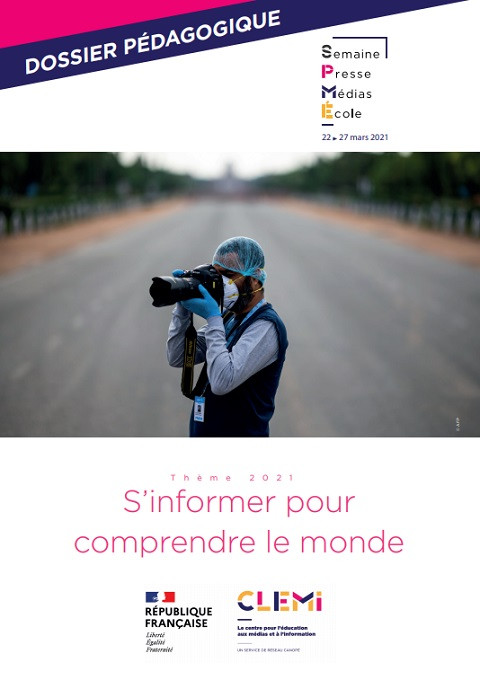 Dossier pédagogique 2021: S’informer pour comprendre le monde Год публикации: 2020 Организация-автор: Centre pour l’éducation aux médias et à l’information (CLEMI) | Réseau Canopé Le dossier pédagogique 2021 a pour thème : «S'informer pour comprendre le monde». Pour comprendre le monde qui les entoure, les élèves doivent plus que jamais apprendre à s’informer en exerçant leur esprit critique. Ce nouveau thème de la SPME permet ainsi de revenir aux fondamentaux de l’éducation aux médias et à l’information.
 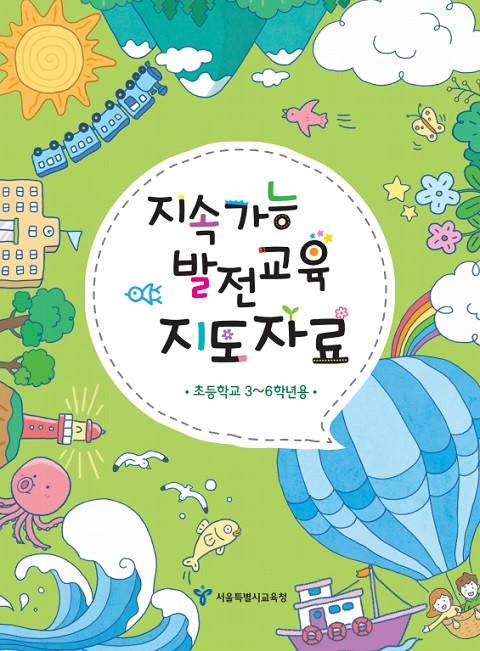 지속가능발전교육 지도자료: 초등학교 3~6학년용 Год публикации: 2020 Автор: 고은미 | 김수양 | 박덕현 | 박혜림 | 이성희 | 이정미 Организация-автор: 서울특별시교육청 본 자료는 초등학교 3학년~6학년의 지속가능발전과 생태환경에 대한 인식을 제고하기 위해 학교 생태전환교육에 활용할 수 있다.