
Ресурсы
Изучайте широкий спектр ценных ресурсов ВГГ, чтобы углубить своё понимание и повысить эффективность исследований, просветительской деятельности, преподавания и обучения.
Найдено: 3,126
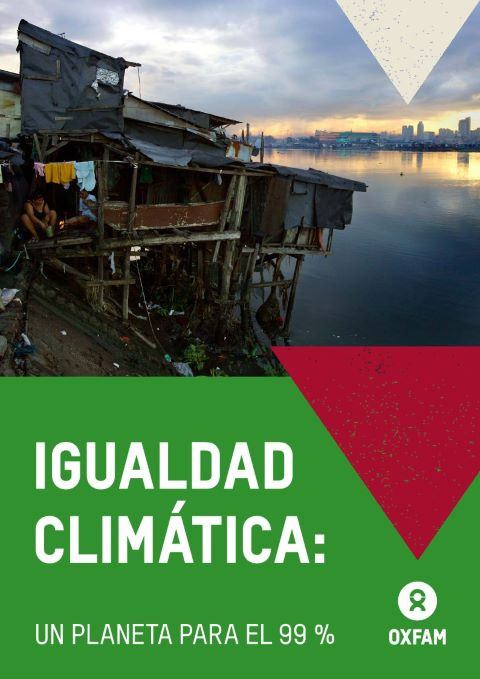 Climate Equality: A PLANET FOR THE 99%; Executive Summary Год публикации: 2023 Автор: Ashfaq Khalfan | Astrid Nilsson Lewis | Carlos Aguilar | Max Lawson | Safa Jayoussi | Jacqueline Persson | Nafkote Dabi | Sunil Acharya Организация-автор: Oxfam International The world faces twin crises of climate breakdown and runaway inequality.The richest people, corporations and countries are destroying the world with their huge carbon emissions. Meanwhile, people living in poverty, those experiencing marginalization, and countries in the Global South are those impacted the hardest. Women and girls, Indigenous Peoples, people living in poverty and other groups experiencing discrimination are particularly at a disadvantage. The consequences of climate breakdown are felt in all parts of the world and by most people, yet only the richest people and countries have the wealth, power and influence to protect themselves. With that power comes huge responsibility.If no action is taken, the richest will continue to burn through the carbon we have left to use while keeping the global temperature below the safe limit of 1.5°C, destroying any chance of ending poverty and ensuring equality. The world needs an equal transformation. Only a radical reduction in inequality, transformative climate action and fundamentally shifting our economic goals as a society can save our planet while ensuring wellbeing for all. Igualdad cl imática : UN PLANETA PARA EL 99 %; Resumen ejecutivo Год публикации: 2023 Автор: Ashfaq Khalfan | Astrid Nilsson Lewis | Carlos Aguilar | Max Lawson | Safa Jayoussi | Jacqueline Persson | Nafkote Dabi | Sunil Acharya Организация-автор: Oxfam International NOS ENFRENTAMOS a una CRECIENTE crisis climática y de desigualdad. Las personas, las grandes empresas y los países más ricos están destruyendo el planeta con sus elevadas emisiones de carbono. Mientras tanto, las personas que se encuentran en situación de pobreza, relegadas a la exclusión, y los países del Sur Global son quienes sufren los peores efectos. Las mujeres, las niñas, los pueblos indígenas, las personas que viven en situación de pobreza, y los grupos discriminados son los más vulnerables. Las consecuencias de la crisis climática se hacen visibles en todo el planeta y afectan a la mayoría de la población. Sin embargo, solo aquellas personas y países con acceso a la riqueza, el poder y la influencia están a salvo. Un gran poder conlleva una gran responsabilidad. Necesitamos medidas. De lo contrario, los más ricos seguirán consumiendo de manera masiva el carbono que nos está permitido utilizar dentro del límite de emisiones considerado seguro (para limitar el calentamiento a 1,5 °C), lo que elimina sistemáticamente cualquier posibilidad de acabar con la pobreza y garantizar la igualdad. El mundo pide a gritos una transformación equitativa: exigimos una reducción drástica de la desigualdad, una acción climática transformadora y un cambio fundamental en nuestros objetivos económicos conjuntos para salvar el planeta y garantizar el bienestar para todas las personas. Climate Equality: 기후 평등: 99%를 위한 지구; 요약본 Год публикации: 2023 Автор: Ashfaq Khalfan | Astrid Nilsson Lewis | Carlos Aguilar | Max Lawson | Safa Jayoussi | Jacqueline Persson | Nafkote Dabi | Sunil Acharya Организация-автор: Oxfam International 세계는 기후 붕괴와 불평등이라는 두 개의 위기를 직면하고 있다최상위 부유층과 기업, 부유국은 막대한 양의 탄소를 배출하며 세계를 파괴하는 주범이 되고 있다. 그러나 가장 크게 타격을 받는 이들은 빈곤층, 소외계층, 그리고 남반구 국가이다. 특히 여성과 소녀, 선주민, 빈곤과 차별을 겪는 이들이 겪는 피해 규모는 훨씬 더 크다. 전 세계 대부분이 기후 붕괴의 결과를 체감하고 있으나, 최상위 부유층과 부유국만이 스스로를 보호하기 위한 부와 권력, 그리고 영향력을 보유하고 있다. 그러한 힘에는 막대한 책임감이 따라야 한다. 아무런 조치도 취하지 않는다면 1.5°C 이하라는 안전한 지구 온난화 한도를 유지하면서 배출가능한 남은 탄소량을 부유층이 전부 소진하고, 빈곤 퇴치와 평등 확보를 위한 길은 끊어질 것이다. 지금 세계는 평등한 변혁을 필요로 한다. 불평등 대폭 축소, 기후 관련 대대적 조치, 그리고 공동의 사회로서 경제적 목표를 근본적으로 탈바꿈 할 수 있는 행동만이 모두를 위한 복지를 보장하면서도 지구를 구할 수 있는 유일한 방법이다.
  A Gender-Responsive Communication Guide; Rethinking Communication Год публикации: 2021 Автор: Gökçe Bayrakçeken Tüzel | İdil Safiye Soyseçkin Ceylan | Deniz Şilliler Tapan | Kıvanç Özvardar Организация-автор: United Nations Development Programme (UNDP) Language is a mechanism, a tool, that influences thoughts, shapes gender roles and therefore carries a great potential for establishing gender equality in societies. It shows how we perceive life and also determines it. Language plays an important role in the formation of our thoughts and behaviors, hence the construction of our reality about gender. As UNDP Turkey, we ground on gender equality and women’s empowerment principles in all of our programs and interventions, within the institution and in all forms of communication with our partners. The reason we prepared this guide is to determine the ways to have a gender responsive approach when communicating both in the office and with the institutions, organizations, and individuals we work with.The language we use begins to take shape from the moment we are born. It is kneaded within the norms, thoughts, and actions of the society we live in and becomes a set of rules that we unconsciously internalize. Therefore, we often use a sexist language even without realizing and thus reproduce it at every turn.Based on the idea that transformation begins with awareness, this guide offers a stimulating path to the limits of our language, demonstrates how it reproduces gender inequality, and offers ways for changing this.We believe that gender responsive communication is a sign of commitment to gender equality for any country, community or institution. Therefore, we invite you to become the transformation itself by following this sign.We would like to thank you in advance for your interest and dedication to using a gender responsive language and hope that this guide will help us on the way to become a gender-equal society.
  Instructional Strategies for Learning Conflict Resolution Skills in School (Mustansiriyah Journal of Humanities; Vol. 1-1, Special Issue) Год публикации: 2023 Автор: Haider Kareem Sukar Организация-автор: Mustansiriyah University The school is a community tool that achieves its educational goals through all behavioral habits that provide students with sound and integrated growth, as well as preparation and adaptation for the future after obtaining success and involvement in government institutions and the economy. In the civilizational scale, so the school must achieve all means of education and an educational philosophy based on foundations with educational entertainment Adolescent children may seek more freedom, power, and complete liberation later on from the authority of parents and others represented by the school, as it is the broader environment after the family that embraces the person, so we see these children doing actions such as abuse of others, violation of order and law, harshness in dealing with others, or rudeness in their behavior with them They may make mistakes and misbehave on purpose even though they know what is right and are able to act well. Therefore, the increasing manifestations of violence, disagreement and conflict in schools have led to an increase in the interest of educators of all positions in the process of learning and teaching students the concepts of human rights and the attitudes of tolerance in general and the skills of resolving differences and conflicts in constructive and positive ways and means. الاستراتيجيات التعليمية لتعلم مهارات حل النزاعات في المدرسة (مجلة المستنصرية للعلوم الإنسانية؛ Vol. 1-1، العدد الخاص) Год публикации: 2023 Автор: Haider Kareem Sukar Организация-автор: Mustansiriyah University تعد المدرسة إحدى أدوات المجتمع التي تحقق أهدافه التربوية من خلال جميع العادات السلوكية التي تؤمن للتلاميذ النمو السليم والمتكامل الى جانب الإعداد والتكيف للمستقبل بعد الحصول على النجاح والانخراط في مؤسسات الدولة او مزاولة النشاط الاقتصادي ويتعدى الأمر الى أكثر من ذلك في كثير من الأحيان بحيث يتشكل من خلال التعليم ابرز ملامح المجتمع وتتحدد مكانته في السلم الحضاري، لذا على المدرسة تحقيق جميع ذلك من خلال وسائل وفلسفة تربوية قائمة على أسس معرفية تقوم الجهات التربوية المختصة بتحديدها. وقد يسعى الابناء المراهقون نحو مزيد من الحرية والسلطة والتحرر الكامل فيما بعد من سلطة الوالدين والاخرين الممثلة بالمدرسة كونها البيئة الاوسع بعد الاسرة التي تحتضن الشخص، لذا نرى هؤلاء الابناء يقومون باعمال مثل الاساءة للغير وخرق النظام والقانون والغلظة في التعامل مع غيرهم او الوقاحة في تصرفهم معهم، وقد يرتكبون اخطاء ويسيئون التصرف عن عمد على الرغم من انهم يعرفون الصواب وقادرون على التصرف الحسن. لهذا فقد ادى تزايد مظاهر العنف والخلاف والنزاع في المدارس الى ازدياد اهتمام المربين على اختلاف مراكزهم لعملية تعلم وتعليم التلاميذ لمفاهيم حقوق الانسان واتجاهات التسامح بعامة ومهارات حل الخلافات والنزاعات باساليب وطرائق بناءة وايجابية.
  2021 교육(누리)과정 연계 다문화교육 수업 도움자료: 다문화감수성 제고를 위한 세계시민교육 교수·학습 자료; 초등 (5~6학년) Год публикации: 2021 Автор: 구정화 Организация-автор: 국가평생교육진흥원 | 중앙다문화교육센터 본 도움자료는 다문화감수성 제고를 위한 세계시민교육을 교과 수업에서 실시하기 위해 초등학교 5~6학년 대상의 다양한 교수·학습과정안을 담고 있다.
  Global Citizenship Education in the Draft Social Studies K-6 Curriculum Год публикации: 2021 Организация-автор: Alberta Council for Global Cooperation (ACGC) This document is the Alberta Council for Global Cooperation’s (ACGC) response to the Draft Social Studies K-6 Curriculum released by the Government of Alberta on March 29, 2021. ACGC conducted the analysis of the draft social studies curriculum to better understand the alignment of the draft with global citizenship education (GCE) best practices.Global citizenship is a lens through which to see the world. ACGC understands global citizenship as “an ethos” primarily concerned with fostering “a sense of belonging to the global community and common humanity” (UNESCO, 2013). This not only involves members experiencing solidarity and collective identity themselves, but also necessitates collective responsibility to take local and global action for a better world.Following the analysis, ACGC strongly recommends that the draft curriculum be rewritten to reflect international best practices in global citizenship education. There are significant gaps in the draft when held against the suggested learning outcomes of UNESCO’s guide, Global Citizenship Education: Topics and Learning Objectives. Furthermore, the Alberta government’s Guiding Framework for the Design and Development of Kindergarten to Grade 12 Provincial Curriculum released in December 2020 provides an opportunity for GCE if the draft curriculum more closely aligns with our understanding of the Guiding Framework. Ultimately, the best path forward is rewriting the draft curriculum to include cognitive, socio-emotional, and behavioural learning outcomes that foster active global citizenship and prepare Alberta students to contribute to and thrive within a sustainable, interconnected world.
  Foundations for Building Forward Better: An Education Reform Path for Lebanon Год публикации: 2021 Организация-автор: World Bank Human capital development is a critical determinant of economic growth, equity, and prosperity, but outcomes in this domain are worryingly low inLebanon, risking the future of generations of children. Lebanese children lag behind their peers in human capital development—measured accordingto the World Bank (2020c) Human Capital Index—suggesting that the future productivity of the labor force and the country’s trajectory for equitablegrowth is at risk (World Bank 2020b). The Human Capital Index indicates that children born in Lebanon today will reach, on average, only 52 percentof their potential productivity when they grow up. This is lower than the average estimates for the Middle East and North Africa (MENA) region(57 percent) and upper-middle-income countries (56 percent). Lebanon’s poor performance on the Human Capital Index is largely attributed to theeducation outcomes calculated for the index. If actual years of schooling, which average approximately 10.2 years in Lebanon, are adjusted for actual learning, effective years of schooling are 40 percent less—on average, only 6.3 years of actual learning (World Bank 2020b). The most recent school closures were due to the COVID-19 pandemic, with schools being closed over 75 percent of the school year between January 2020 and February 2021.1 This will likely lead to a further and significant decrease in learning: effectively, students are facing a lost year of learning (Azevedo et al. 2021).
  Education Sector Analysis: Methodological Guidelines (Vol. 3) Год публикации: 2021 Организация-автор: UNESCO International Institute for Educational Planning (IIEP) | United Nations Children's Fund (UNICEF) | Global Partnership for Education (GPE) | Foreign, Commonwealth & Development Office (UK) This present volume is the third in a series of education sector analysis (ESA) guidelines following two volumes published in 2014. The series provides methodologies and applied examples for diagnosing education systems and informing national education policies and plans. This volume proposes guidelines to strengthen national capacities in analyzing education systems in four areas: inclusive education system for children with disabilities, risk analysis for resilient education systems, functioning and effectiveness of the educational administration, and stakeholder mapping and problem-driven analysis (governance and political economy).