
Ресурсы
Изучайте широкий спектр ценных ресурсов ВГГ, чтобы углубить своё понимание и повысить эффективность исследований, просветительской деятельности, преподавания и обучения.
Найдено: 3,128
 新冠肺炎疫情下青少年心理危机的成因及干预 (现代教育论丛; no. 5) Год публикации: 2020 Автор: 刘学兰 结合新冠肺炎疫情发生的背景,分析了青少年心理危机的表现与成因,并提出相应的干预对策。首先,简要阐述了疫情影响下青少年心理危机在情绪、认知、行为、生理四个方面的表现。其次,深入分析了青少年心理危机的成因,包括诱发事件和内部根源。诱发事件包括疫情以及因为疫情引起的各种变化、学业压力、人际关系等;内部根源包括青少年成长过程中的内在冲突和心理困境。重点分析了三个心理困境:高焦虑的环境与追求安全的本性、高控制的环境与独立自控的需求、高虚拟的环境与生命体验的追求,探讨了疫情对青少年心理困境的放大和加剧。最后,提出了新冠肺炎疫情下青少年心理危机的干预对策,包括心理危机的评估、心理危机的干预和心理危机的预防。
  迈向“积极式”:澳大利亚公立中小学教育惩戒新动向 (现代教育论丛; no. 1) Год публикации: 2022 Автор: 尹雅丽;马早明;佘永璇 进入21世纪,在全纳教育理念及社会多方因素的推动下,澳大利亚公立中小学教育惩戒从立法到实践,历经了从肇始于20世纪90年代的“零容忍”到“积极式”的转变。2019年澳大利亚大部分州新修订的《学校纪律政策》作为“积极式”教育惩戒的政策范本,以保障学生个人权利,促进学生人格发展为政策目标,涵盖了纪律准则、纪律改进及多元惩戒三位一体的学校治理方案。作为《学校纪律政策》的延伸,澳大利亚公立中小学探索教育惩戒的实施路径具体包括:创设恢复性环境,开发同侪调解与会议调解项目,逐级划分惩戒事件类型,整体上呈现迈向“积极式”的趋势。“积极式”教育惩戒基于“公平、公正”的育人观、层级化的惩戒措施和恢复性的惩戒保障,映射了澳大利亚公立中小学教育惩戒价值取向的新变化,也开启了澳大利亚公立中小学教育惩戒发展的新方向。
 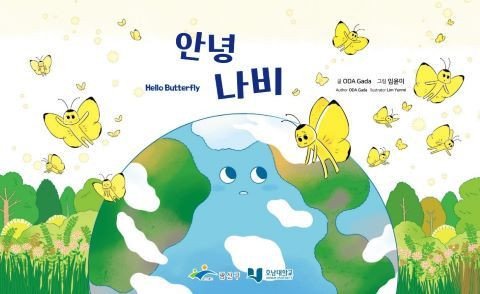 你好 蝴蝶 Год публикации: 2022 Автор: ODA Gada Организация-автор: ODA Gada | 광진구 | 호남대학교 《蝴蝶你好》是光州光山區廳與湖南大學聯合出版的“青年全球公民教育事業”的第五本繪本。主題是應對氣候變化。 這本書有助於氣候變化和環境政策,例如“快時尚”的有害影響(通過反映最新趨勢製造和分銷的衣服)、理想的服裝消費方法、零浪費(清除垃圾)和綠色洗滌(變相的環保主義 )。它包含特定信息。 這本書採用手風琴書的形式,通過蝴蝶的眼睛描繪了這個故事,以氣候變化生物標誌物種之一的南方黃蝴蝶為主角。
  The Transforming Education Summit: A Toolkit for Education Unions Год публикации: 2022 Организация-автор: Education International (EI) For the first time ever, the Heads of State of the world are meeting to discuss progress in education. Convened by the UN Secretary General, the Transforming Education Summit (TES) is taking place on 19 September 2022 in New York. It is a very important opportunity for us as education unions to make our voices heard.The Summit is a crisis response: it aims to reverse the downward trends that we currently see in education, with deepened and exacerbated inequity, and cuts to education budgets. Not only is the world off track to achieve Sustainable Development Goal 4 (SDG 4), the COVID-19 pandemic has wiped out 20 years of education gains. This is why the UN Secretary-General is calling for urgent action.The Summit is the biggest international education event since the adoption of SDG4 and a significant political opportunity for all EI member organisations. There are multiple ways that education unions can engage in the lead up to the Summit.This toolkit includes EI’s key policy messages for the Summit and aims to support EI member organisations in their advocacy efforts to ensure the Summit has concrete, tangible outcomes that advance teachers’ status and rights and the fulfilment of the right to education for all.
 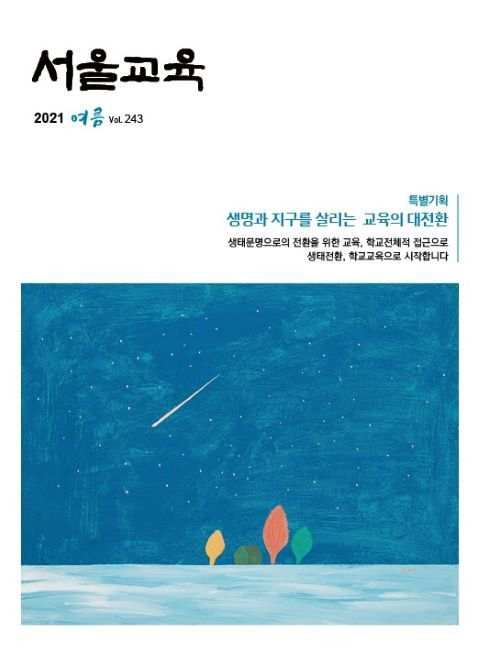 서울교육 2021년 여름호 (제63권 통권 243호) Год публикации: 2021 Организация-автор: 서울특별시교육청 교육연구정보원 권두칼럼:포스트 코로나, 휴먼터치(Human touch)의 시대를 기대하다 특별기획: 생명과 지구를 살리는 교육의 대전환 생태문명으로의 전환을 위한 교육, 학교전체적 접근으로생태전환, 학교교육으로 시작합니다해외교육:독일의 지속가능발전교육(ESD)과 기후위기 대응 교육 정책연구:공감 능력 신장을 위한 학교 교육, 어떻게 할 수 있을까? 본 저작물은 서울특별시교육청교육연구정보원에서 2021년 작성하여 공공누리 제 4유형으로 개방한 ‘서울교육 2021년 여름호 (제63권 통권 243호)’ 을 이용하였으며 해당 저작물은 서울특별시교육청교육연구정보원 (www.serii.re.kr)에서 무료로 다운받으실 수 있습니다.
 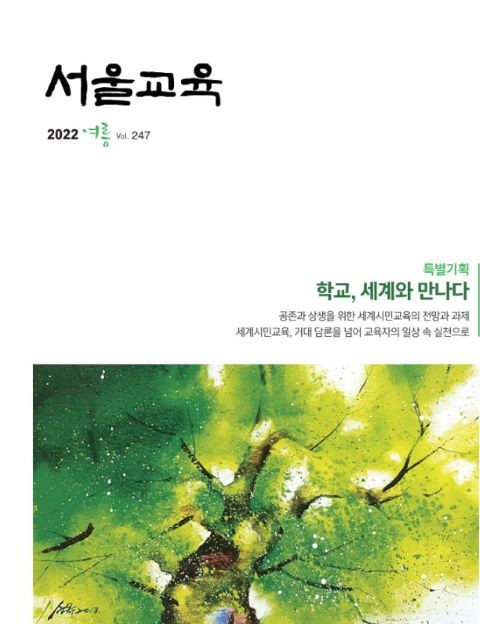 서울교육 2022년 여름호 (제64권 통권 247호) Год публикации: 2022 Организация-автор: 서울특별시교육청 교육연구정보원 권두칼럼:세계시민으로 사는 길 특별기획: 학교, 세계와 만나다 공존과 상생을 위한 세계시민교육의 전망과 과제세계시민교육, 거대 담론을 넘어 교육자의 일상 속 실천으로 해외교육:프랑스, 왜 다시 시민교육 강화에 나서는가? 정책연구:메타버스의 교육적 활용 방안 - 확장된 학습 공간으로서의 가능성과 한계 본 저작물은 서울특별시교육청교육연구정보원에서 2022년 작성하여 공공누리 제 4유형으로 개방한 ‘서울교육 2022년 여름호 (제64권 통권 247호)’ 을 이용하였으며 해당 저작물은 서울특별시교육청교육연구정보원 (www.serii.re.kr)에서 무료로 다운받으실 수 있습니다.
 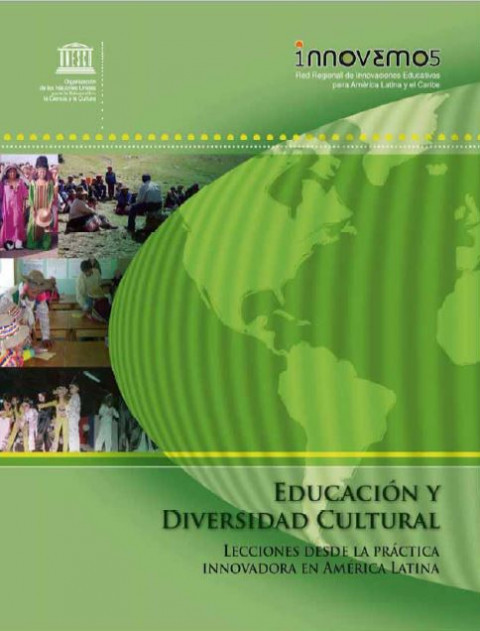 Education and Cultural Diversity Lessons from Innovative Practice in Latin America Год публикации: 2008 Автор: Carolina Hirmas R. Организация-автор: UNESCO Santiago This publication, which is the second volume of the collection, is the result of analysis and reflection on a series of innovative educational experiences from several Latin American countries, which respond with pedagogical relevance to the students' cultural context and offer an education oriented towards knowledge, understanding and dialogue between people of different cultures. The significant contribution of the aforementioned experiences lies in the recognition and appreciation of the ethnic and cultural diversity of its students and communities, as a starting point for the development of new learning and affirmation of their identity. In turn, life in educational centers promotes intercultural relations of respect and fraternity in a local and subregional sociogeographic context, characterized by multiculturalism.
 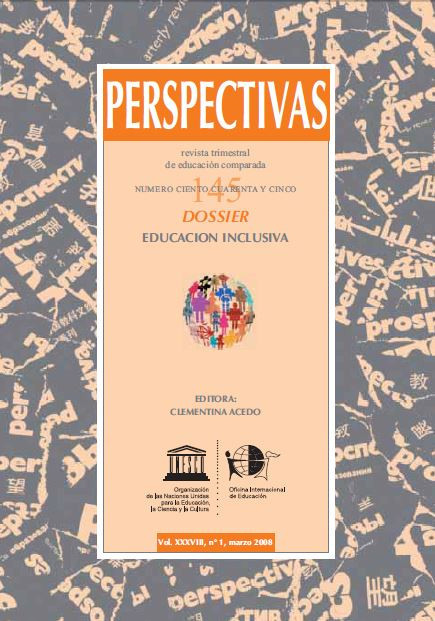 Inclusive Education Год публикации: 2008 Организация-автор: UNESCO International Bureau of Education (IBE) Inclusive education: the road to the future is the subject of the forty-eighth meeting of the International Conference on Education (CIE) to be held in Geneva from November 25 to 28, 2008. I believe that a genuine dialogue and a frank debate between Ministers and other education actors on this central theme and on the four related sub-themes: approaches, scope and content; public politics; systems, interfaces and transitions, and students and teachers, will be both timely and appropriate. Educación Inclusiva Год публикации: 2008 Организация-автор: UNESCO International Bureau of Education (IBE) La educación inclusiva: el camino hacia el futuro es el tema de la cuadragésimo octava reunión de la Conferencia Internacional de Educación (CIE) que tendrá lugar en Ginebra del 25 al 28 de noviembre de 2008. Creo que un genuino diálogo y un franco debate entre los ministros y otros actores de la educación sobre este tema central y sobre los cuatro subtemas relacionados: enfoques, alcance y contenido; políticas públicas; sistemas, interfaces y transiciones, y alumnos y docentes, resultarán a la vez oportunos y apropiados. Education pour l'inclusion Год публикации: 2008 Организация-автор: UNESCO International Bureau of Education (IBE) L’auteur présente ce numéro spécial qui offre une sélection d’articles alliant recherche théorique et pratique sur la notion de l’éducation pour l’inclusion et sur les problèmes rencontrés dans l’élaboration de politiques et leur application pratique. Ces articles reflètent les approches diversifiées et à volets multiples de l’inclusion, eu égard aux aspects théoriques, disciplinaires et méthodologiques. Tout au long de ce numéro, l’inclusion est le principe de base qui oriente l’Éducation pour tous (EPT) de qualité —- c’est-à-dire, l’établissement de systèmes éducatifs tirant profit de la diversité et visant à édifier une société plus juste et plus démocratique.Ce numéro spécial est consacré au thème de la quarante-huitième session de la Conférence internationale de l’éducation (CIE) « L’éducation pour l’inclusion : la voie de l’avenir » (Genève, 25-28 novembre 2008).