
Ресурсы
Изучайте широкий спектр ценных ресурсов ВГГ, чтобы углубить своё понимание и повысить эффективность исследований, просветительской деятельности, преподавания и обучения.
Найдено: 3,500
 Empowering Minds: A Round Table on Generative AI and Education in Asia-Pacific Год публикации: 2023 Организация-автор: UNESCO Bangkok The emergence of generative AI, a recent groundbreaking artificial intelligence (AI) technology capable of producing sophisticated content from text and images to simulations and audiovisuals, has become a transformative force across multiple sectors. Popular applications like OpenAI’s ChatGPT and Anthropic’s Claude are prime examples of the rapidly expanding range of generative AI tools that are having an impact in education across the Asia-Pacific. These tools offer unprecedented opportunities for enabling personalized learning experiences at scale and expanding access to high-quality learning resources. However, as generative AI increasingly reshapes classrooms, critical questions remain unanswered, such as:- How can generative AI be ethically and responsibly integrated into educational settings?- What policies and safeguards are needed to address issues like misinformation, algorithmic bias and threats to academic integrity?- What challenges do Asia-Pacific countries face in harnessing generative AI in education, given the region’s unique context?- What are the strategies for Asia-Pacific countries to take up opportunities offered by generative AI, while mitigating the risks? In response to these questions and emerging challenges in the region, the UNESCO Regional Office in Bangkok (UNESCO Bangkok), in collaboration with The Southeast Asian Ministers of Education Organization (SEAMEO), organized the regional experts meeting on 7-9 November 2023 in Bangkok, Thailand. This hybrid meeting, titled ‘Empowering Minds: A Round Table on Generative AI and Education in Asia-Pacific’, explored the implications of generative AI for teacher training and development. It served as an important platform to leverage opportunities and mitigate risks of generative AI in education across the Asia-Pacific region.
  Tools for a More Inclusive Education Год публикации: 2020 Организация-автор: Chile. Ministry of Education This document presents a conceptual framework to help the different educational teams deployed at the national level to devise and implement inclusive practices in their daily management, in their ways of living together and in their teaching-learning processes. This, within the framework of the promulgation of Law 20,845, modifies the General Education Law (N°20,370/2009) in its article 4, adding that “It is the duty of the State to strive to ensure quality inclusive education for all people. Herramientas para una educación más inclusiva Год публикации: 2020 Организация-автор: Chile. Ministry of Education En este documento se presenta un marco técnico conceptual para contribuir a que los distintos equipos educativos desplegados a nivel nacional puedan idear e implementar prácticas inclusivas en su gestión cotidiana, en sus modos de convivir y en sus procesos de enseñanza – aprendizaje. Esto, en el marco de la promulgación de la Ley 20.845 modifica la Ley General de Educación (N°20.370/2009) en su artículo 4° agregando que “Es deber del Estado propender a asegurar a todas las personas una educación inclusiva de calidad.”
  Opportunities for Media and Information Literacy in the Middle East and North Africa: Yearbook 2016 Год публикации: 2016 Автор: Magda Abu-Fadil | Jordi Torrent | Alton Grizzle Организация-автор: International Clearinghouse on Children, Youth and Media (Sweden) Opportunities for Media and Information Literacy in the Middle East and North Africa is the seventeenth Yearbook published by the Clearinghouse and fills a gap in the existing body of literature about the progress of media and information literacy work in different parts of the world. This book also helps educators in the Middle East and North Africa region looking for opportunities to bring to their classrooms elements of MIL education.
 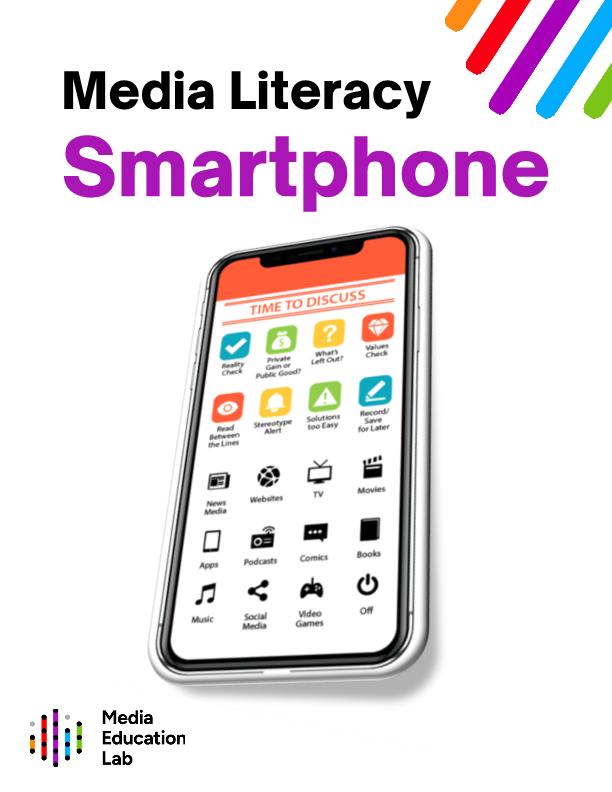 Media Literacy Smartphone Год публикации: 2020 Автор: Renee Hobbs | Pam Steager Организация-автор: Media Education Lab Learn how to use the Media Literacy Smartphone with learners of all ages! Download the free Learning Guide to bring the power of media literacy analysis to your learners!These easy-to-use cards, shaped exactly in the size of a smartphone, are available to educators for classroom use. You can use these simple paper cards to introduce a structured approach that helps students learn to critically analyze any media text --- web sites, books, advertising, news, TV shows, movies, video games, magazines and music. One side of the smartphone displays the various "apps" for analyzing a media text and the other side displays the "five critical questions" of media literacy developed by Renee Hobbs.Pair the smart phone with the LOVE IT OR HATE IT cards for a dynamic and fun learning experience.
 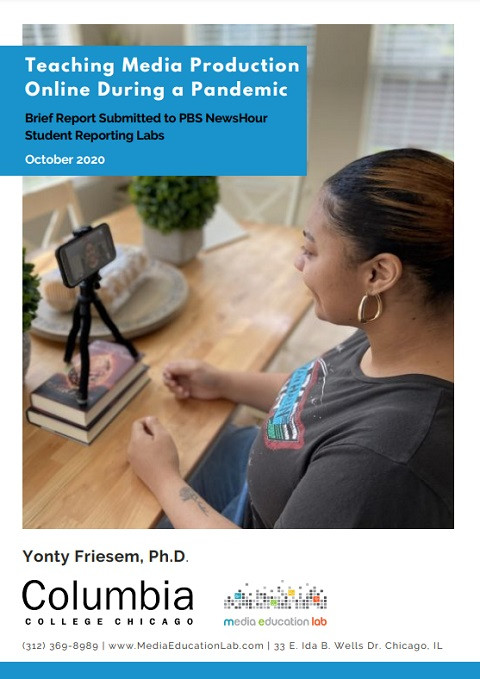 Teaching Media Production Online During a Pandemic: Brief Report Submitted to PBS NewsHour Student Reporting Labs Год публикации: 2020 Автор: Yonty Friesem Организация-автор: Media Education Lab How are media production teachers coping with remote video production with students?Starting in mid-March, US schools moved to remote instruction due to COVID-19 pandemic. Media production teachers had to shift their teaching to online without the possibility to use their high-end equipment in school. This report showcase the findings from Dr. Yonty Friesem’s research with media teachers who used the curriculum of PBS NewsHour Student Reporting Lab as they adapt to online and remote instruction. Dr. Friesem shared the report with PBS NewsHour Student Reporting Lab and the audience of the webinar.
 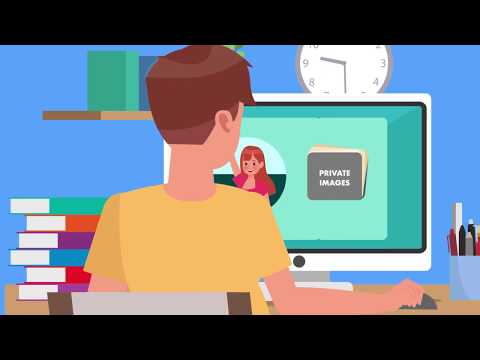 How to Understand Misinformation, Disinformation and Malinformation Год публикации: 2020 Организация-автор: Shout Out UK | U.S. Embassy London | Association for Citizenship Teaching (ACT) We live in a world where information is very easy to fabricate. Now more than ever, media literacy (the ability to critically analyse information) is critical for us as citizens and for our democracy to function. This video explains the difference between Misinformation, Disinformation and Malinformation and presents you with some examples! This video is part of a resource pack created and designed by Shout Out UK, supported by the US Embassy in London and in collaboration with the Association For Citizenship Teaching.For more info: https://www.shoutoutuk.org/media-literacy/
 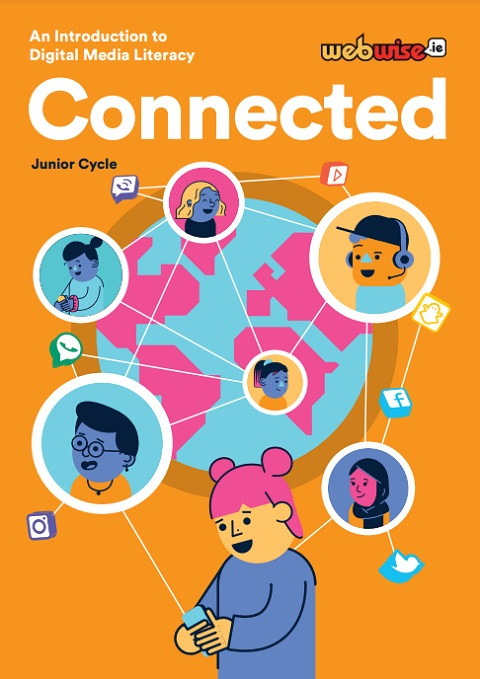 Connected: An Introduction to Digital Media Literacy Год публикации: 2020 Организация-автор: Webwise | Professional Development Service for Teachers (PDST) Connected comprises five modules exploring young people’s rights and responsibilities online, emerging digital technologies and topics including big data and the data economy, deep fakes, false information and online wellbeing. The five modules are:1. My Online Wellbeing2. News, Information and Problems of False Information3. Big Data & the Data Economy4. My Rights Online5. Publishing Online - Group ProjectThe programme is mapped to the Junior Cycle Digital Media Literacy Short Course and will give students an understanding of the role of digital technologies and will help students develop key digital media literacy skills to responsibly navigate the online environment.
  Information Neighbourhoods Год публикации: 2020 Организация-автор: Shout Out UK | U.S. Embassy London | Association for Citizenship Teaching (ACT) We live in a world where information has a variety of purposes. So how can you identify what each type of information is trying to do? Now more than ever, media literacy (the ability to critically analyse information) is critical for us as citizens and for our democracy to function. This video explains what Information neighbourhoods exist and how to identify them.
  Media Literacy: Implementation Toolkit Год публикации: 2019 Организация-автор: Regional Educational Media Center (REMC) Association of Michigan This toolkit has been designed to support educators as they introduce students to the process of finding, organizing, using, producing, evaluating, and distributing information in a variety of media formats.The toolkit contains resources organized into six sections:Organizations Supporting Media Literacy EducationEducator ToolkitsCurriculum ResourcesInteractive Student Apps, Experiences, and ChallengesProfessional Development for Media LiteracyTools to Support Media Literacy