
Ресурсы
Изучайте широкий спектр ценных ресурсов ВГГ, чтобы углубить своё понимание и повысить эффективность исследований, просветительской деятельности, преподавания и обучения.
Найдено: 3,502
 Effective and Equitable Educational Recovery: 10 Principles Год публикации: 2021 Организация-автор: Education International (EI) | Organisation for Economic Co-operation and Development (OECD) The COVID-19 pandemic has led to the frequent closure of school buildings in most countries in the world and has interrupted the school attendance of at least 1.2 billion students in 2020 and 2021. Although many education systems have been able to adapt in varying degrees, the pandemic has shown that countries’ current learning infrastructures are highly vulnerable to external shocks.While schools have shown great resilience in trying to compensate for the crisis, they need to be better prepared for similar challenges. Education systems must ensure the continuity of learning which must be the centrepiece of all considerations.Acknowledging the disruption that the health crisis has brought about and its likely impact on educational quality and equity, the OECD Secretariat and Education International have, based on their respective work during the pandemic, jointly established 10 principles that can facilitate the collaboration of education authorities, the teaching profession and their organisations to navigate the crisis effectively and reshape education systems after the pandemic to reach greater levels of educational quality and equity.Education systems around the world have been facing similar challenges but generated diverse approaches and experiences. The intention is also for these principles to contribute to a framework for international cooperation and peer learning.
  Pedagogies of Media and Information Literacies Год публикации: 2012 Автор: Suvi Tuominen Организация-автор: UNESCO Institute for Information Technologies in Education (IITE) UNESCO has been actively involved in developing foundations for media and information literacy to assist Member States in pursuing the achievement of the objectives of the Grünwald Declaration (1982), the Alexandria Declaration (2005) and the UNESCO Paris Agenda (2007) related to MIL.The UNESCO Institute for Information Technologies in Education commissioned this Handbook, which is intended to become a useful tool that would equip teacher training institutions and facilitate teaching media and information literacy in teacher training, to the Finnish Society on Media Education. This Handbook should help teachers to enhance their media and information literacy and encourage them to take up media education in the classroom. The main target group is teachers of secondary schools who are either in training or in service. The Handbook provides teachers with basic knowledge on media and information literacy, and the way these skills can be taught.The Finnish Society on Media Education (www.mediaeducation.fi – FSME), founded in 2005 by Finnish researchers and practitioners in media education, is an association operating nation-wide in two main languages (Finnish and Swedish). The goal of FSME activities is to support and develop the field of research and practices concerning media education, contribute to the public debate and provide opportunities to share media educational experiences online and offline. Педагогические аспекты формирования медийной и информационной грамотности Год публикации: 2012 Автор: Suvi Tuominen Организация-автор: UNESCO Institute for Information Technologies in Education (IITE) ЮНЕСКО активно участвует в разработке основ формирования медийной и информационной грамотности и оказывает поддержку странам-членам в достижении целей, сформулированных в Грюнвальдской декларации ЮНЕСКО по медиаобразованию (1982), Александрийской декларации об информационной грамотности и образовании на протяжении всей жизни «Маяки информационного общества» (2005) и Парижской повестки ЮНЕСКО (2007).Настоящий учебник, разработанный в сотрудничестве с Финским обществом медиаобразования, является практическим пособием для педагогических вузов, отражающим передовые тенденции и современный подход к преподаванию медийной и информационной грамотности. Учебник, целевой группой которого являются учителя средних школ, содержит сведения о современных медиа и основных навыках медийной и информационной грамотности.С помощью данного учебника учителя смогут не только повысить собственную медийную и информационную грамотность, но и использовать предложенные в нем материалы для формирования медийной и информационной грамотности своих учеников.Финское общество по медиаобразованию (www.mediaeducation.fi) было основано в 2005 г. исследователями и практиками в области медиаобразования. Цель деятельности Общества заключается в поддержке и развитии исследований в области медийной грамотности и применения полученных результатов в педагогической практике, участие в общественных дебатах и обмен опытом в области медиаобразования.
  [Summary] Transforming Education in Africa: An Evidence-Based Overview and Recommendations for Long-Term Improvements Год публикации: 2021 Автор: Nicolas Reuge | Lukman Olawale Jaji | Nicholas Ouma | Adoumtar Noubatour | Hambani Masheleni | Noguebzanga Jean Luc Yameogo | Achila Imchen | Alassane Ouedraogo | Beifith Kouak Tiyab | Yacouba Djibo Abdou | Erin Euiryeong Jeong Организация-автор: United Nations Children's Fund (UNICEF) | African Union Commission This report is the result of a successful collaboration between UNICEF and the African Union Commission. The report intends to contribute to the facilitation of high-level policy discussions between national education authorities, regional and continental bodies on possible strategic shifts and interventions to boost access to education and improve the quality of teaching and learning in Africa. The report provides evidence-based analysis of the situation of education in Africa while putting into perspective the Sustainable Development Goals and the objectives of the Continental Education Strategy for Africa (CESA 16–25) in line with the African Union Agenda 2063. It highlights the progress made in the continent’s education sector over the past decade (2010–2020) while pointing out the challenges that remain, particularly in the area of equity. [Résumé] Transformer l’éducation en afrique: Un aperçu base sur des données probantes et des recommandations pour des améliorations à long terme Год публикации: 2021 Автор: Nicolas Reuge | Lukman Olawale Jaji | Nicholas Ouma | Adoumtar Noubatour | Hambani Masheleni | Noguebzanga Jean Luc Yameogo | Achila Imchen | Alassane Ouedraogo | Beifith Kouak Tiyab | Yacouba Djibo Abdou | Erin Euiryeong Jeong Организация-автор: United Nations Children's Fund (UNICEF) | African Union Commission Le présent rapport est le fruit d’une collaboration entre l’UNICEF et la Commission de l’Union africaine. Il entend contribuer à faciliter la tenue de débats politiques de haut niveau entre les autorités nationales chargées de l’éducation et les organismes régionaux et continentaux dans l’optique de déterminer les interventions et les changements stratégiques envisageables pour améliorer l’accès à l’éducation et la qualité de l’enseignement et de l’apprentissage en Afrique. Le rapport présente une analyse fondée sur des données probantes de la situation de l’éducation en Afrique, en mettant en perspective les objectifs de développement durable ainsi que les objectifs de la Stratégie continentale de l’éducation pour l’Afrique (CESA 2016-2025) conformes à l’Agenda 2063 de l’Union africaine. Il souligne les progrès accomplis sur le continent dans le secteur de l’éducation au cours de la dernière décennie (2010-2020) et met en évidence les défis qui restent à relever, notamment en matière d’équité.
  Education at a Glance 2021: OECD Indicator Год публикации: 2021 Организация-автор: Organisation for Economic Co-operation and Development (OECD) Education at a Glance is the authoritative source for information on the state of education around the world. It provides data on the structure, finances and performance of education systems across OECD countries and a number of partner economies. More than 100 charts and tables in this publication – as well as links to much more available on the educational database – provide key information on the output of educational institutions; the impact of learning across countries; access, participation and progression in education; the financial resources invested in education; and teachers, the learning environment and the organisation of schools.The 2021 edition includes a focus on equity, investigating how progress through education and the associated learning and labour market outcomes are impacted by dimensions such as gender, socio‐economic status, country of birth and regional location. A specific chapter is dedicated to Target 4.5 of the Sustainable Development Goal 4 on equity in education, providing an assessment of where OECD and partner countries stand in providing equal access to quality education at all levels. Two new indicators on the mechanisms and formulas used to allocate public funding to schools and on teacher attrition rate complement this year’s edition. Regards sur l’éducation 2021: Les indicateurs de l’OCDE Год публикации: 2021 Организация-автор: Organisation for Economic Co-operation and Development (OECD) Regards sur l’éducation est le rapport de référence sur l’état de l’éducation dans le monde. Ce rapport étudie la structure, le financement et la performance des systèmes d’éducation des pays de l’OCDE et d’un certain nombre de pays partenaires. Avec plus d’une centaine de tableaux et graphiques – et de nombreux liens vers la base de données de l’OCDE sur l’éducation – Regards sur l’éducation foisonne d’informations sur les résultats des établissements d’enseignement ; l’impact de l’apprentissage ; l’accès à l’éducation, les taux de scolarisation et les parcours scolaires ; les investissements dans l’éducation ; et les enseignants, l’environnement d’apprentissage et l’organisation de l’enseignement.L’édition 2021 s’intéresse à la question de l’équité : elle étudie dans quelle mesure le sexe, le milieu socio-économique, le pays d’origine ou encore la situation géographique influencent le parcours éducatif des élèves et étudiants, et ont un impact sur les résultats en termes d’apprentissage et d’emploi. Un chapitre spécifique est consacré à la cible 4.5 de l’objectif de développement durable 4 sur l’équité dans l’éducation. Il situe les pays membres et partenaires de l’OCDE par rapport aux objectifs en matière d’égalité d’accès à une éducation de qualité à tous les niveaux d’enseignement. Deux nouveaux indicateurs sur les mécanismes et les formules utilisés pour allouer les fonds publics aux établissements et sur le taux d’attrition des enseignants complètent l’édition 2021.
 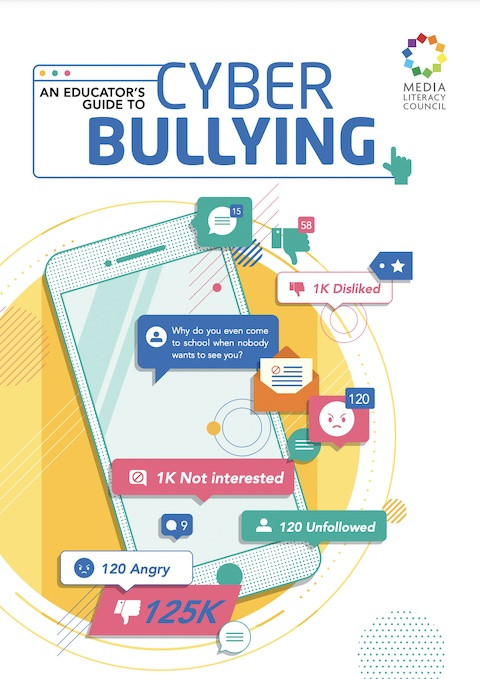 An Educator’s Guide to Cyber-Bullying Год публикации: 2018 Организация-автор: Media Literacy Council (MLC) Cyber-bullying is an increasingly worrying problem in schools across Singapore, affecting students of all ages. This Guide gives you supplementary materials - such as information about the issue and lesson plans for lower primary to pre-university - to help you teach and guide your students through this problem.
 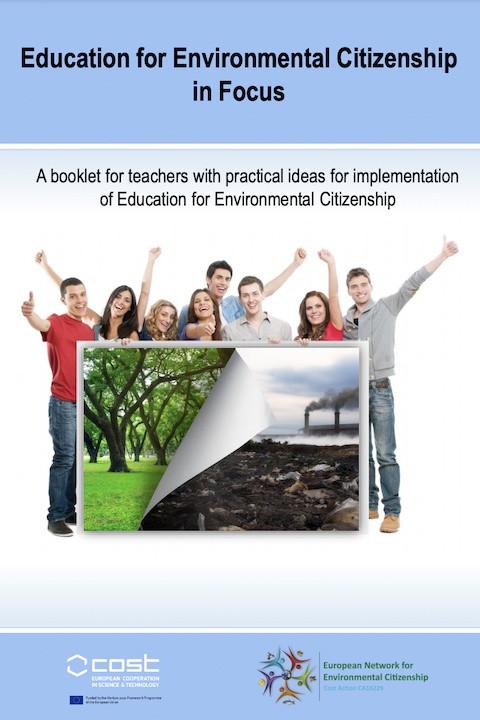 التربية من أجل المواطنة البيئية التربية من أجل المواطنة البيئية: كتيب للمعلمين لأفكار عملية من أجل تطبيق التربية للمواطنة البيئية Год публикации: 2019 Организация-автор: European Network for Environmental Citizenship (ENEC) تم تأسيس الشبكة األوروبية للمواطنة البيئية (ENEC (كشبكة مخصصة للتعاون العلمي تم تمويلها كفعالية لمنظمة التعاون األوروبي في العلوم والتكنولوجيا (2020 Horizon-CA16229 (COST – حيث تجمع أكثر من 120 خبير من 38 دولة بهدف تحسين فهم ممارسة وتقييم المواطنة البيئية في اوروبا والدول المشاركة. تعتبر المواطنة البيئية مفهوما مؤثرا في العديد من المجاالت المختلفة مثل االقتصاد، السياسة، الفلسفة، االدارة التظيمية والتسويق، باالضافة الى ذلك من الممكن استغاللها وتطويرها أكثر في المجال التربوي. األزمة البيئية المعاصرة مع تغير المناخ، فقدان التنوع البيئي، تلوث الهواء، وجميع المشاكل البيئية المحلية والعالمية تتطلب تربية قاد ًرة على انشاء وتمكين المواطنين البيئيين. تلعب التربية دورا اساسيا في بلورة مواطنين بيئيين مستقبليين. ان المنهج التعليمي من أجل التربية للمواطنة البيئية هو اقتراح يشير في هذا االتجاه. اعتما ًدا على المشكلة البيئية قيد الدراسة ، ومستوى التعليم )مثل التعليم االبتدائي أو الثانوي( واإلعدادات التعليمية )على سبيل المثال ، رسمية أو غير رسمية( ، يمكن إجراء الفروق والتعديالت الالزمة. يوصي هذا النهج باتخاذ عناصر محددة كمراحل وخطوت، اال أنه ليس من الضروري اتباعها كلها أو أن تتم على نحو تسلسلي معين, فان األمر منوط بالمشكلة البيئية المدروسة، مستوى التربية )مثال: التعليم االبتدائي أو التعليم الثانوي( واالطر التربوية )مثال: رسمي أو غير رسمي(، ووفقا لها يتم القيام بالمالئمات والتعديالت المالئمة. Education for Environmental Citizenship in Focus: A Booklet for Teachers With Practical Ideas for Implementation of Education for Environmental Citizenship Год публикации: 2019 Организация-автор: European Network for Environmental Citizenship (ENEC) The European Network for Environmental Citizenship (ENEC) – funded as a COST Action (CA16229-Horizon 2020) – brings together more than 130 experts from 38 countries with the objective to improve the understanding, the practice and the assessment of Environmental Citizenship in Europe and the participating countries. Environmental Citizenship has been an influential concept in many different arenas such as economy, policy, philosophy, organizational and corporation management and marketing and could be better exploited and established furthermore in the field of education as well. The contemporary environmental crisis with climate change, biodiversity loss, air pollution and all other local and global environmental problems demand an education that is capable of empowering environmental citizens. Education plays a key role in shaping future environmental citizens. The Education for Environmental Citizenship pedagogical approach is a proposal that points in this direction. The approach recommends specific elements as stages and steps, but it is not mandatory to follow all of them, or to apply them in a particular linear order. Depending on the environmental problem under study, the level of education (e.g., primary or secondary) and the educational settings (e.g. formal or non-formal), the necessary differentiations and amendments can be made.