
Ресурсы
Изучайте широкий спектр ценных ресурсов ВГГ, чтобы углубить своё понимание и повысить эффективность исследований, просветительской деятельности, преподавания и обучения.
Найдено: 1,983
 Руководство по реализации программы: Профилактика и реагирование на насилие в школах в восточно-казахстанской области Год публикации: 2014 Автор: Robin Haarr Организация-автор: United Nations Children's Fund (UNICEF) Насилие в школе может угрожать ощущению безопасности детей в школе и отрицательно влиять на их способность к обучению. Наилучшим способом решения проблемы насилия в школе является профилактика и должное вмешательство при его проявлении.Данное пособие подготовлено в рамках сотрудничества между Министерством образования и науки РК, учреждением Уполномоченного по правам человека, акиматом Восточно-Казахстанской области, Восточно-Казахстанским государственным университетом им. Аманжолова и ЮНИСЕФ в целях реализации проекта по профилактике и реагированию на насилие в отношении детей в школах Казахстана, при поддержке Министерства иностранных дел Норвегии.
 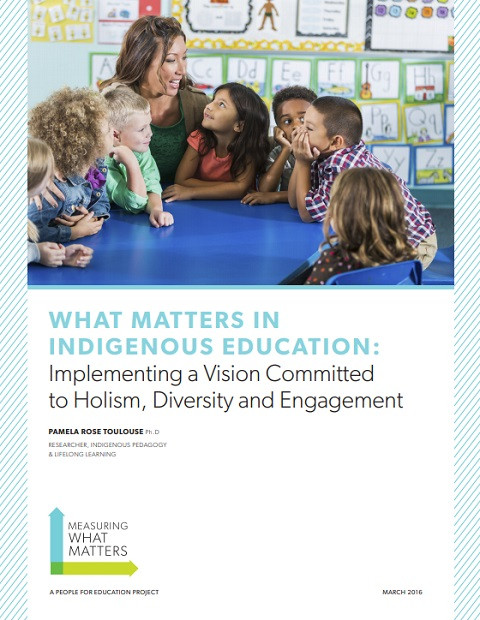 What Matters in Indigenous Education: Implementing a Vision Committed to Holism, Diversity and Engagement Год публикации: 2016 Автор: Pamela R.Toulouse Организация-автор: Measuring What Matters | People for Education This paper, What Matters In Indigenous Education: Implementing A Vision Committed To Holism, Diversity And Engagement, explores an Indigenous approach to quality learning environments and relevant competencies/skills. It focuses on select work from People for Education and draws out the research, concepts and themes that align with Indigenous determinants of educational success. This paper also expands on this work by offering perspectives and insights that are Indigenous and authentic in nature.
  Éducation à la citoyenneté mondial Год публикации: 2020 Автор: Vincent Plourde-Lavoie Организация-автор: Association québécoise des organismes de coopération internationale (AQOCI) Cette capsule vidéo a été produite pour présenter les grandes lignes de cette définition de l’ECM et les principaux éléments du Cadre de référence de l’AQOCI. Cette vidéo permettra à la fois aux organismes de coopération internationale membres de l’AQOCI de s’approprier notre vision commune de l’ECM et aux partenaires et autres personnes intéressées à mieux comprendre le travail important en ECM.
  Référentiel de compétences harmonisé: Deuxième phase de la recherche-action sur la mesure des apprentissages des bénéfi ciaires des programmes d'alphabétisation Год публикации: 2020 Автор: Madina Bolly | Hakima Megherbi Организация-автор: Institut de l’UNESCO pour l’apprentissage tout au long de la vie (UIL) Le Référentiel de compétences harmonisé constitue un guide pour l’élaboration des programmes d’alphabétisation et un outil formatif novateur destiné aux 12 pays de la Recherche-action sur la mesure des apprentissages des bénéficiaires des programmes d’alphabétisation (RAMAA). Résultant d’une mise en commun des compétences (littératie et numératie), des connaissances, et de leurs niveaux de maitrise, éléments pris en compte dans les différents programmes d’alphabétisation, il a été développé et validé par l’ensemble des pays de la RAMAA et est aujourd’hui utilisé dans ces derniers par les directions chargées de l’alphabétisation des ministères de l’Éducation et par les organisations de la société civile. Moyennant des adaptations, le référentiel de la RAMAA peut servir de point de départ pour d’autres pays qui ne sont pas encore dotés d’un tel instrument mais souhaitent cependant standardiser leurs offres de formation et en améliorer la qualité.
 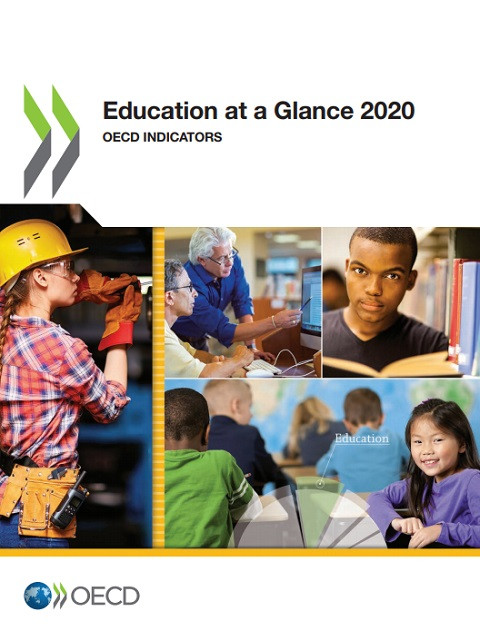 Education at a Glance 2020: OECD Indicators Год публикации: 2020 Организация-автор: Organisation for Economic Co-operation and Development (OECD) Education at a Glance is the authoritative source for information on the state of education around the world. It provides data on the structure, finances and performance of education systems across OECD countries and a number of partner economies. More than 100 charts and tables in this publication – as well as links to much more available on the educational database – provide key information on the output of educational institutions; the impact of learning across countries; access, participation and progression in education; the financial resources invested in education; and teachers, the learning environment and the organisation of schools.The 2020 edition includes a focus on vocational education and training, investigating participation in vocational education and training at various levels of education, the labour market and social outcomes of vocational graduates as well as the human and financial resources invested in vocational institutions. Two new indicators on how vocational education and training systems differ around the world and on upper secondary completion rate complement this topic. A specific chapter is dedicated to the Sustainable Development Goal 4, and investigates the quality and participation in secondary education.
 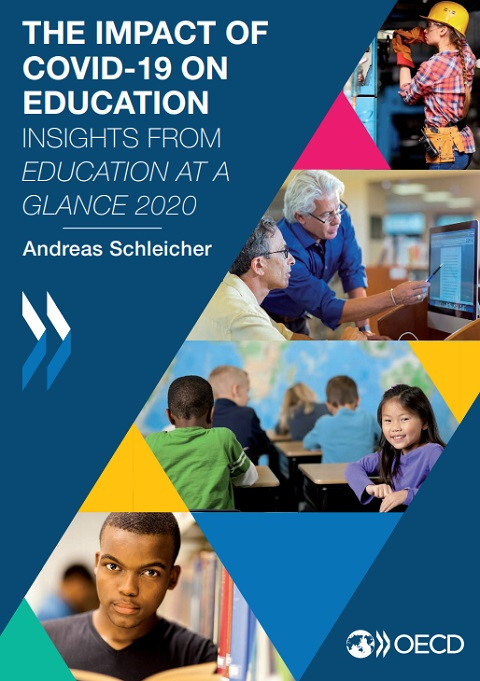 The Impact of COVID-19 on Education: Insights From Education at a Glance 2020 Год публикации: 2020 Автор: Andreas Schleicher Организация-автор: Organisation for Economic Co-operation and Development (OECD) OECD Director for Education and Skills Andreas Schleicher gives his insights and interpretations from the OECD’s Education at a Glance 2020 report – the go-to source for information on the state of education around the world. This brochure focuses on a selection of indicators from Education at a Glance, selected for their particular relevance in the current context. Their analysis enables the understanding of countries’ response and potential impact from the COVID-19 containment measures.
 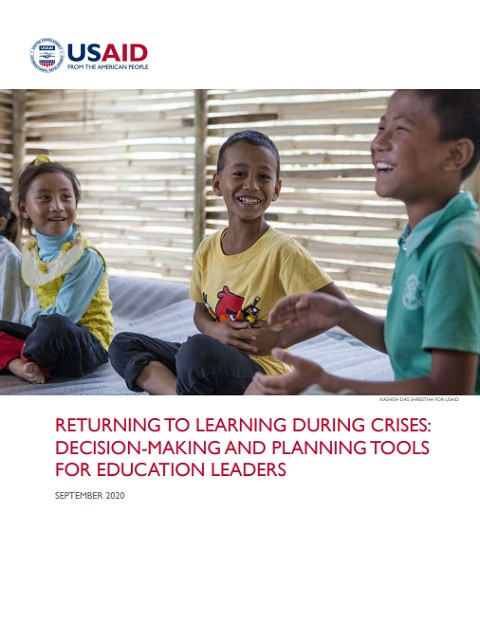 Returning to Learning During Crises: Decision-Making and Planning Tools for Education Leaders Год публикации: 2020 Организация-автор: United States Agency for International Development (USAID) This toolkit is for USAID Mission staff and their partner national and local education officials, implementing partners, and administrators and educators of education institutions. It helps education planners plan and make key decisions on the return to learning during and after education disruptions caused by crises, such as COVID-19, in a way that is equitable, inclusive, and builds the resilience of education systems. To provide timely support to the field, this toolkit includes a first set of tools and identifies several tools that are forthcoming. The toolkit is expected to be updated with the full set of tools in late 2020.
 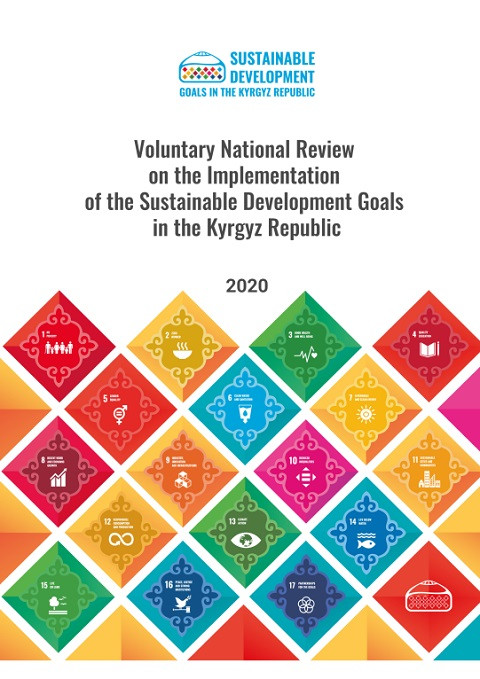 Национальный добровольный обзор достижений Целей устойчивого развития в Кыргызской Республике 2020 Год публикации: 2020 Организация-автор: Kyrgyzstan. Ministry of Economy | United Nations (UN) Данный добровольный обзор содержит в себе информацию по выполнению Кыргызской Республикой целей устойчивого развития 2030, задачи и направления дальнейшей деятельности. Отдельное внимание уделено ЦУР 4 "Образование", где приоритетом является повышение качества и охвата образованием на всех уровнях, а также развитие системы непрерывного образования. Voluntary National Review on the Implementation of the Sustainable Development Goals in the Kyrgyz Republic 2020 Год публикации: 2020 Организация-автор: Kyrgyzstan. Ministry of Economy | United Nations (UN) This voluntary review contains information on the implementation of the 2030 Sustainable Development Goals by the Kyrgyz Republic, objectives and directions for further activities. Special attention is paid to SDG 4 "Education", where the priority is to improve the quality and coverage of education at all levels, as well as the development of the lifelong education system.
  Practices of Citizenship in East Africa: Perspectives from Philosophical Pragmatism Год публикации: 2020 Автор: Katariina Holma | Tiina Kontinen Организация-автор: Routledge Practices of Citizenship in East Africa uses insights from philosophical pragmatism to explore how to strengthen citizenship within developing countries. Using a bottom-up approach, the book investigates the various everyday practices in which citizenship habits are formed and reformulated. In particular, the book reflects on the challenges of implementing the ideals of transformative and critical learning in the attempts to promote active citizenship. Drawing on extensive empirical research from rural Uganda and Tanzania and bringing forward the voices of African researchers and academics, the book highlights the importance of context in defining how habits and practices of citizenship are constructed and understood within communities. The book demonstrates how conceptualizations derived from philosophical pragmatism facilitate identification of the dynamics of incremental change in citizenship. It also provides a definition of learning as reformulation of habits, which helps to understand the difficulties in promoting change. This book will be of interest to scholars within the fields of development, governance, and educational philosophy. Practitioners and policy-makers working on inclusive citizenship and interventions to strengthen civil society will also find the concepts explored in this book useful to their work.