
Ресурсы
Изучайте широкий спектр ценных ресурсов ВГГ, чтобы углубить своё понимание и повысить эффективность исследований, просветительской деятельности, преподавания и обучения.
Найдено: 1,951
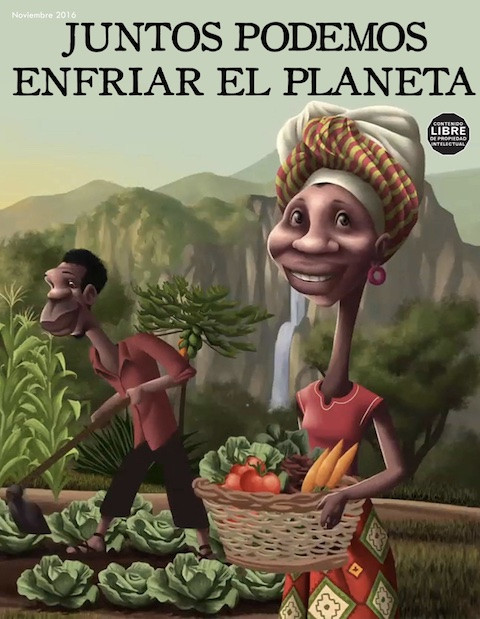 Together We Can Cool the Planet Год публикации: 2016 Организация-автор: GRAIN | La Via Campesina It is a story based on the video "together we can cool the planet" that talks about global warming, its causes and consequences. It reports how industrial food production affects this phenomenon. It recounts each step of industrial food production, the use of fertile lands, the burning of trees that produces carbon dioxide, the use of machinery, the use of fertilizers and pesticides, the production of animal excrement that produces methane gas, as well as the transport that must be used so that this production reaches where it must be sold. They then propose a series of solutions consisting of 5 steps.
 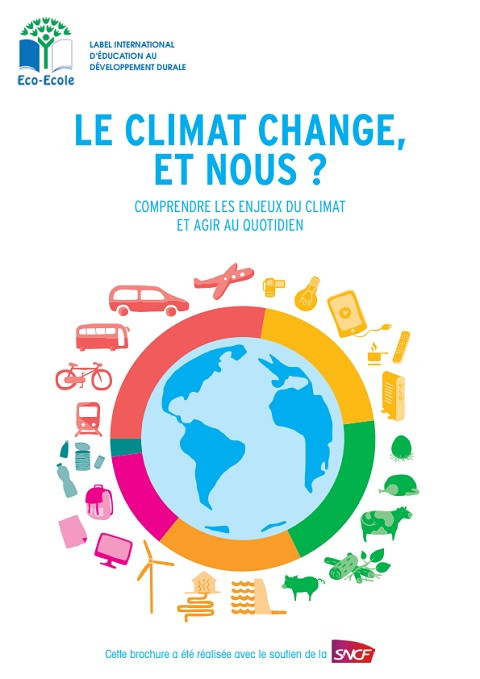 Le climat change, et nous?: Comprendre les enjeux du climat et agir au quotidien Год публикации: 2015 Организация-автор: Eco-Ecole Réalisé avec le soutien de nos partenaires, cette brochure explique en quelques pages la façon dont nous modifions le climat et propose des solutions pour agir. Elle s’adresse à tout citoyen, jeune ou adulte, qui s’interroge sur le climat et se demande ce qu’il peut faire à son échelle à l’école, à la maison, dans son travail ou dans sa ville.
  2020 미디어교육 우수사례 공모전 수상작 모음집 Год публикации: 2021 Организация-автор: 시청자미디어재단 「2020 미디어 교육 우수사례 공모전」은 전국 미디어교육의 다양한 사례 발굴 및 격려를 통해 미디어교육에 대한 인식을 제고하고, 건강한 미디어 문화를 확산하기 위해 마련한 행사입니다. 지난해 12월 4일 본선심사를 통해 선발된 최종 10개의 수상작을 첨부로 공유드리니, 학교 및 사회미디어교육의 다양한 사례 분석에 참고하시기 바랍니다.※ 수상작 모음집은 분량 관계상 공모전 제출서류 및 발표자료 일부를 발췌하여 제작하였으며, 해당 내용과 사진은 시청자미디어재단의 동의없이 무단으로 사용할 수 없음을 알려드립니다.
 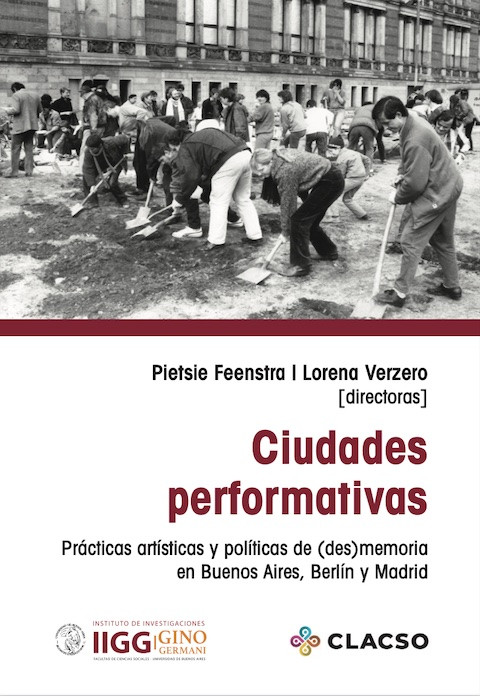 Ciudades performativas: Prácticas artísticas y políticas de (des)memoria en Buenos Aires, Berlín y Madrid Год публикации: 2021 Автор: Pietsie Feenstra | Lorena Verzero Организация-автор: Instituto de Investigaciones Gino Germani | Consejo Latinoamericano de Ciencias Sociales (CLACSO) En este volumen colectivo nos abocamos a la complejidad de la construcción de memorias en Argentina, Alemania y España a través de las prácticas artísticas producidas en sus ciudades capitales. Buenos Aires, Berlín y Madrid han experimentado cada una un quiebre sísmico en el siglo XX: la última dictadura cívico-militar en Argentina (1976-1983), el franquismo en España (1939-1975) y la división en Alemania con la construcción del muro en 1961 y su caída en 1989.Reconocidas investigadoras e investigadores de universidades de Europa y América Latina estudian las construcciones de memorias en estas ciudades a través de las prácticas culturales y artísticas (cine, teatro, literatura, arte contemporáneo). Las múltiples dimensiones de estas ciudades en sus relaciones con el arte y las memorias nos han llevado a definir el concepto de “ciudad performativa”, que cada capítulo indaga desde una perspectiva específica Juntos podemos enfriar el planeta Год публикации: 2016 Организация-автор: GRAIN | La Via Campesina Es una historia basada en el video " juntos podemos enfriar el planeta" que habla sobre el calentamiento global, sus causas y consencuencias, Reporta el cómo la producción industrial de alimentos afecta este fenomeno. Relata cada paso de producción industrial de alimentos, el uso de tierras fértiles, la quema de árboles que produce dióxido de carbono,el uso de maquinarias, uso de fertilizantes y agrotóxicos,la producción de excremento de animales que produce gas metano, así como el transporte que debe ser usado para que esta producción llegue a donde debe ser vendida. Posteriormente proponen una serie soluciones que constan de 5 pasos.
 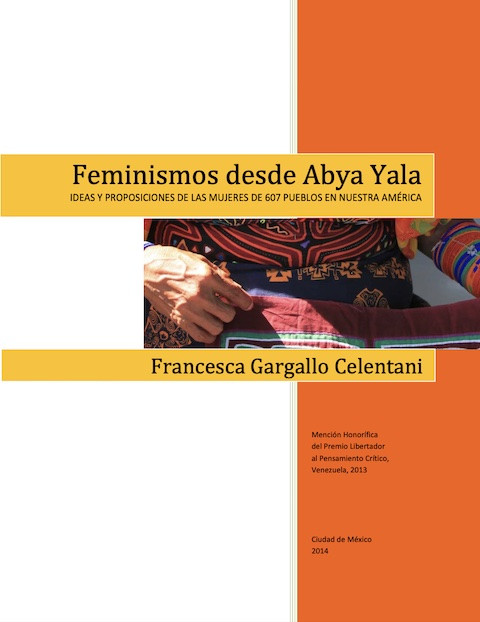 Feminisms of Abya Yala Ideas and Proposals of the Women Of 607 Peoples In Our America Год публикации: 2013 Автор: Francesca Gargallo Calentani Compilation of dialogues between women from various Guatemalan native peoples. Exposes here the strength of indigenous women who have suffered physical and emotional violence who speak of repression and genocide. Stories that allow us to process the ancestral pains of the Ixiles of the Mayan peoples of Guatemala. It refers us to whitewashed feminism and the difficulties it represents to listen to these women because of their vision drawn by the culture, which does not listen to their demands and does not know their history of struggle and the validity of their ideas. It evidences the importance of getting off the place of power conferred by the university, the institutionalized power and the political norms of the nation in order to establish a genuine dialogue. Feminismos de Abya Yala ideas y proposiciones de las mujeres de 607 pueblos en nuestra América Год публикации: 2013 Автор: Francesca Gargallo Calentani Recopilación de dialogos entre mujeres de diversos pueblos originarios guatemaltecos. Expone aquí la fuerza de las mujeres indigenas que han sufrido violencia fisica y emocional quienes hablan de represión y genocidio. Relatos que permiten procesar los dolores ancestrales de las Ixiles de los pueblos mayas de Guatemala. Nos remite al feminismo blanquizado y las dificultades que representa para escuchar a estas mujere por su visión trazada por la cultura,que no escucha sus demandas y no concoe su historia de lucha y la validez de sus ideas. Evidencia la importancia de bajarse del lugar de poder que confiere la universidad, el poder institucionaizado y las normas políticas de la nación para poder entablar un dialogo genuino.
  Digital Skills Toolkit Год публикации: 2018 Автор: Chris Coward Организация-автор: International Telecommunication Union (ITU) This toolkit provides stakeholders with guidance on developing a digital skills strategy. It is intended for policymakers, along with partners in the private sector, non-governmental organizations, and academia. Its overarching aim is to facilitate the development of a comprehensive digital skills strategy at country level. It is also possible to use this guide to focus on selected priorities that require a fresh approach. Portada de Conjunto de herramientas para las habilidades digitales Год публикации: 2018 Автор: Chris Coward Организация-автор: International Telecommunication Union (ITU) Este conjunto de herramientas proporciona a las partes interesadas directrices para el desarrollo de una estrategia de habilidades digitales. Se dirige a las instancias decisorias, a los asociados del sector privado, las organizaciones no gubernamentales y los sectores académicos. Su propósito general es facilitar el desarrollo de una estrategia de habilidades digitales de amplio alcance a nivel de país. También puede utilizarse esta guía para centrarse en determinadas prioridades que exigen un reno- vado planteamiento. Kit pratique sur les compétences numériques Год публикации: 2018 Автор: Chris Coward Организация-автор: International Telecommunication Union (ITU) Ce kit pratique donne des indications aux parties prenantes sur l’élaboration d'une stratégie dans le domaine des compétences numériques. Il est destiné aux décideurs de même qu’aux partenaires du secteur privé, des organismes non-gouvernementaux et des milieux universitaires. Son objectif prio- ritaire consiste à promouvoir le développement d’une stratégie globale en matière de compétences numériques au niveau des pays. Il est également possible d’utiliser ce kit pratique pour se concentrer sur certaines priorités qui nécessitent une nouvelle approche.