
Ресурсы
Изучайте широкий спектр ценных ресурсов ВГГ, чтобы углубить своё понимание и повысить эффективность исследований, просветительской деятельности, преподавания и обучения.
Найдено: 1,951
 积极老龄化视角下社区老年教育的路径探析 (老龄化研究 第10卷 第3期) Год публикации: 2023 Автор: 钟康 Организация-автор: 汉斯出版社 社区老年教育是指在社区环境中为老年居民提供以学习、传递知识、锻炼身形。增强自我价值感和社会 参与感为目的的教育活动。目前我国社区老年教育虽然已经有了长足的发展,但是仍然存在有待完善的 环节。积极老龄化是一种新兴文化,其核心理念是:健康、参与和保障,不仅在于保障老年人的权利与 幸福,也致力于提升该群体的社会价值。将积极老龄化融入社区老年教育既能够提高老年主体的参与意 识,也有利于促进老年群体身心健康发展、保障老年群体的自身权益。为此为加强社区老年教育必须树 立正确意识、打造专业队伍、加强社区建设和进行数字化学习。实现社区老年教育的规范化发展,为实 现老年群体的社会价值提供教育支持。
  Access and Opportunity for All: How Libraries Contribute to the United Nations 2030 Agenda Год публикации: 2020 Организация-автор: International Federation of Library Associations and Institutions (IFLA) The inclusion of libraries and access to information in national and regional development plans will contribute to meeting the global United Nations 2030 Agenda for Sustainable Development.In support of this goal, IFLA has published a booklet of examples and recommendations for policymakers demonstrating the contribution of libraries to the UN Sustainable Development Goals (SDGs).The booklet includes stories from all types of libraries in many countries around the world.
  Analytical Mapping of Life Skills and Citizenship Education in the Middle East and North Africa Год публикации: 2017 Организация-автор: UNICEF Middle East and North Africa The Analytical Mapping of the Life Skills and Citizenship Education in MENA, published in October 2017, provides a multi-stakeholder view of the status of life skills and citizenship education in MENA and the corresponding vision for the region. It does not evaluate existing interventions, nor is it meant to generate an exhaustive list of all existing life skills programmes in MENA. It rather aims to provide an analytical overview of Life Skills and Citizenship Education (LSCE) related intervention in the region. Through analyzation, it also attempts to highlight general challenges encountered in the programming of LSCE, as well as focus on opportunities for LSCE in MENA national education systems.
  How to Engage Citizens with the Sustainable Development Goals Год публикации: 2020 Организация-автор: Finnish Development NGOs Fingo The purpose of this booklet is to share reflections, successes and learning outcomes from the FRAME, VOICE, REPORT! (FVR) project.It can be used to find inspiration from other civil society organisations (CSOs) working on the same topics and themes you do, but also as a source for ideas for new ways of looking at old issues.This booklet covers both the more theoretical approaches and concrete cases from CSOs across Europe. These cases are examples of the many projects funded by the FVR.The project had its roots in the previous successes and tried and tested approaches of the partner organisations. The aim of FVR! was to secure resources and develop the value-based, high quality work of civil society organisations. The second aim was to enable smaller organisations to learn about EU project funding and to build capacity on how to conduct high quality global citizenship education and development communications. Finally, the overarching aim of the project was to engage EU citizens with the SDGs.
  Intégrer le genre pour les organisations de la société civile: Réponses pratiques à des questions essentielles Год публикации: 2023 Автор: Alice Neyret | Melya Allalou | Souâd Belhaddad | Christine Talabard Организация-автор: Fondation Friedrich-Ebert Ce manuel tente d’apporter des réponses aux organisations de la société civiles dans leurs questionnements les plus fondamentaux en proposant des pistes de réflexions concrètes sur : Qu'est-ce que l'approche genre? Comment l'intégrer dans les projets? Comment l'intégrer dans sa gouvernance et sa communication? Ce guide a été élaboré par l'association Citoyenneté Possible en collaboration avec la Fondation Friedrich Ebert.
  La concertation pluri-acteurs et actrices: un guide pour agir en collectif Год публикации: 2021 Организация-автор: BATIK International Ce guide a été conçu à partir de référence théoriques et des retours d'expériences des associations algériennes qui ont animé des concertations pour résoudre des problèmatiques au niveau local. Vous y trouverez une méthodologie et des références théoriques pour initier une concertation ainsi que des retours pratiques du terrain et des conseils pour réussir sa concertation. This guide has been designed on the basis of theoretical references and feedback from Algerian associations that have led consultations to resolve problems at local level. You will find a methodology and theoretical references for initiating consultation, as well as practical feedback from the field and advice on how to make consultation a success.
 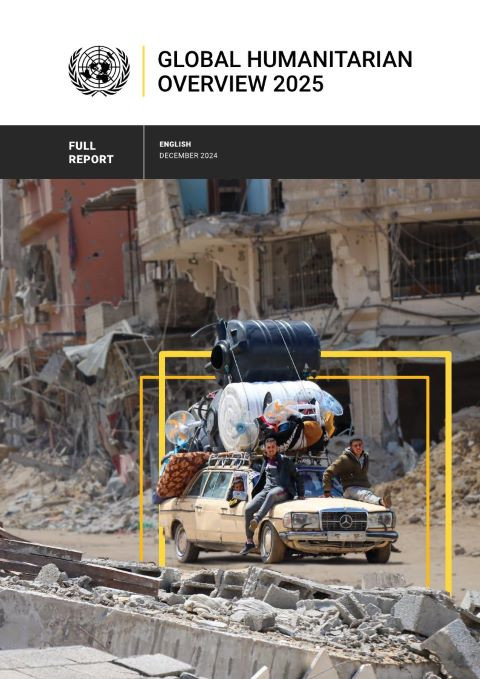 Global Humanitarian Overview 2025 Год публикации: 2024 Организация-автор: UN. Office for the Coordination of Humanitarian Affairs (UN. OCHA) A snapshot of the global trends driving increased humanitarian needs in 2025, analysis from 2024 and an overview of where the system is delivering better to help those affected by crises. The Global Humanitarian Overview (GHO) is the world’s most comprehensive, authoritative and evidence-based assessment of humanitarian need. Through plans that prioritize those most in need, it aims to fight hunger, killer diseases, gender-based violence and displacement. The GHO 2025 presents an analysis of global crises and needs and the humanitarian plans to address them. In 2025, humanitarian partners are appealing for over US$47 billion to assist nearly 190 million people facing life-threatening and urgent needs across 72 countries. The report looks at response trends to strengthen, such as localization, cash, accountability and the changes needed to deliver aid effectively: security and funding. The GHO presents a collective picture of humanitarians' achievements and, conversely, what happens when humanitarians are unable to deliver aid. Explore the full report and interactive content through humanitarianaction.info.
 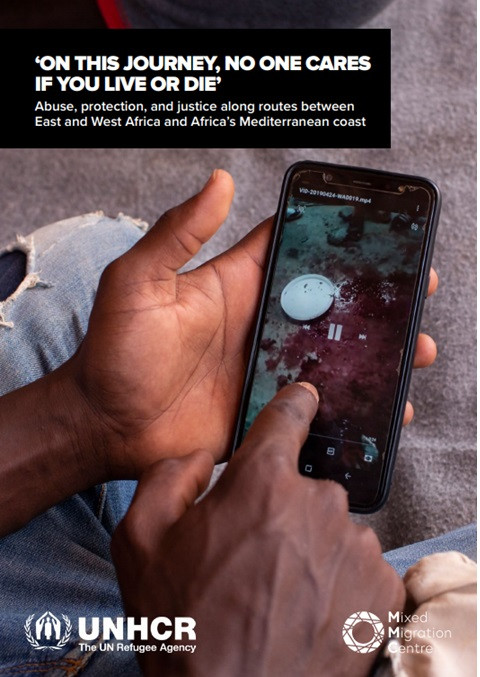 On This Journey, No One Cares If You Live or Die: Abuse, Protection, and Justice Along Routes Between East and West Africa and Africa’s Mediterranean Coast Год публикации: 2020 Организация-автор: UN. Office of the United Nations High Commissioner for Refugees (UNHCR) | Mixed Migration Centre This report draws on data collected by the Mixed Migration Centre’s 4Mi monitors along the route to map the places where refugees interviewed in 2018 and 2019 most frequently reported deaths, sexual and gender-based violence (SGBV), physical violence, and kidnappings occurred. It illustrates how refugees and migrants using the route face a series of risks including as they cross into eastern Sudan, and when crossing the Sahara Desert, and then again in multiple places in Libya. Similarly, those traveling through West Africa reported multiple incidents of physical violence, SGBV, as well as deaths at various points. Refugees and migrants have reported being subjected to brutal violence, including being burnt with hot oil, melted plastic, or heated metal objects, being electrocuted, tied in stress positions, and experiencing and witnessing repeated sexual violence, often in the context of ransom demands. UNHCR staff and partners continue to witness the severe impact these abuses have had on the mental health of many men, women, and children.
 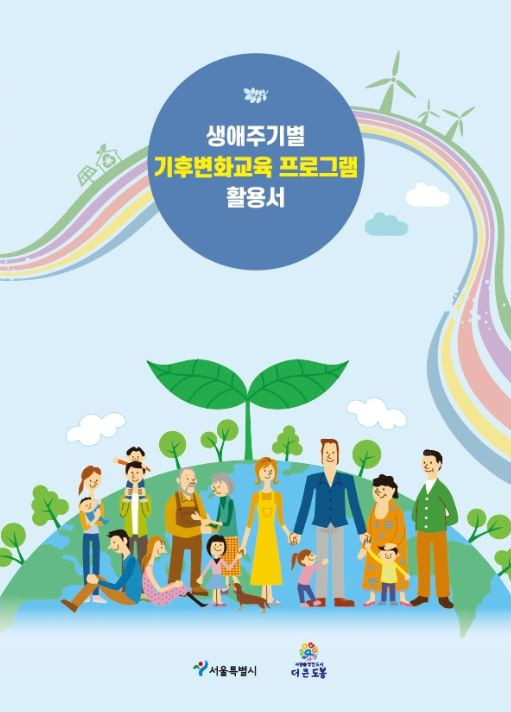 생애주기별 기후변화교육 프로그램 활용서 Год публикации: 2020 Автор: 장미정 | 권보경 | 박수진 | 안창연 | 이혜진 | 지혜성 | 최지선 Организация-автор: 도봉구 | 도봉환경교육센터 | 모두를위한환경교육연구소 본 교재는 생애 각 지점에서 지구적 환경의제인 기후변화를 이해하고, 지역에서 기후위기를 극복할 수 있도록 생애주기별로 개발한 기후변화교육 프로그램을 담고 있습니다. 2021년에서 2025년까지의 환경교육 정책을 아우르는 “제3차 국가환경교육종합계획”과 “제3차 서울환경교육종합계획”에서는 평생학습 차원의 정책을 주요하게 다루고 있습니다. 국가 수준의 생애주기 맞춤형 환경교육 프로그램의 정책방안을 적용하되, 도봉 지역의 환경과 교육 여건을 고려해서 지역에 보다 적합한, 지역적 행동을 이끌어 낼 수 있는 프로그램을 개발하고자 했습니다. 따라서 도봉환경교육센터가 기존에 해오던 기후변화교육의 방향성을 되짚어보고, 한발 더 나아가 지역 주민들의 의식조사 결과를 삼았습니다.이 사례가 도봉환경교육센터뿐만 아니라 옆 마을에서, 도봉구 전역에서, 또 서울시 곳곳에 서도 각 지역에 맞게 적용 및 활용될 수 있기를 기대합니다. [자료 출처: (사)환경교육센터]
 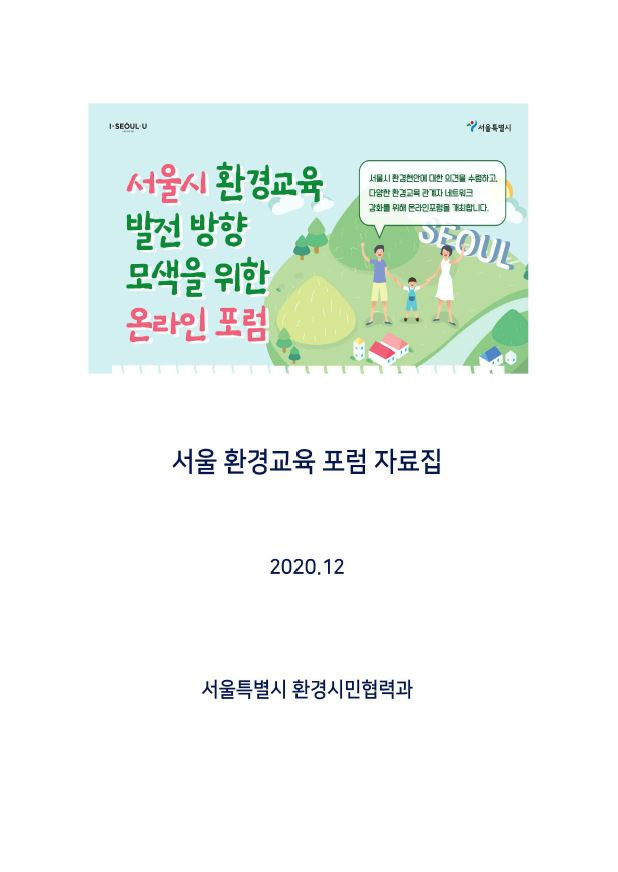 서울시 환경교육 발전 방향 모색을 위한 온라인 포럼: 서울 환경교육 포럼 자료집 Год публикации: 2020 Автор: 장미정 | 권보경 | 박수진 | 안창연 | 이혜진 | 지혜성 | 최지선 Организация-автор: 서울시 환경시민협력과 | 모두를위한환경교육연구소 이 자료집은 <서울시 환경교육 발전 방향 모색을 위한 온라인 포럼>의 일환으로 제작되었습니다. 포럼 동영상은 유튜브(www.youtube.com)에서 ‘서울시 환경교육 발전 방향 모색을 위한 온라인 포럼’을 검색하면 보실 수 있습니다. [자료출처: (사)환경교육센터]