
Ресурсы
Изучайте широкий спектр ценных ресурсов ВГГ, чтобы углубить своё понимание и повысить эффективность исследований, просветительской деятельности, преподавания и обучения.
Найдено: 1,983
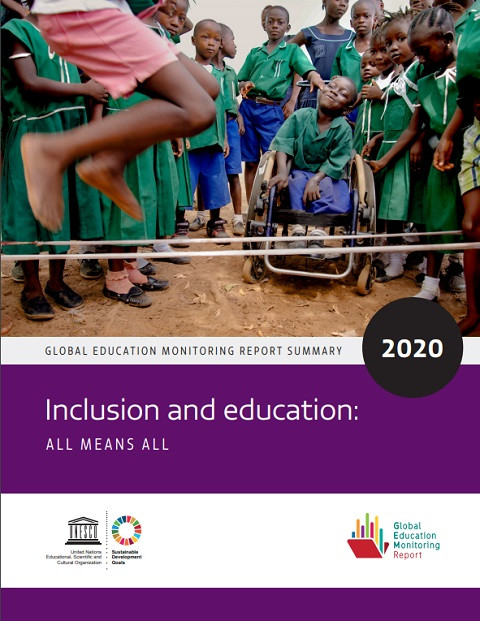 ملخص التقرير العالمي لرصد التعليم 2020: التعليم الشامل للجميع; الجميع بال استثناء Год публикации: 2020 Организация-автор: منظمة الأمم المتحدة للتربية والعلم والثقافة (UNESCO) | Global Education Monitoring Report Team ينظر التقرير العالمي لرصد التعليم لعام 2020 في اآلليات االجتماعية واالقتصادية والثقافية التي تميز ضد األطفال والشباب والبالغين المحرومين، مما يحرمهم من التعليم أو يجعلهم مهمشين فيه. وبفضل حافز التزامها بإعمال الحق في التعليم الشامل، تعمل البلدان على توسيع نطاق رؤيتها للتعليم الشامل بإدراج التنوع في صلب ً ما يتعثر تنفيذ القوانين والسياسات الهادفة التي تنطوي نظمها التعليمية. لكن غالبا على نوايا حسنة. ويرى التقرير الذي صدر في بداية عقد العمل حتى عام 2030 ، وفي خضم األزمة الناجمة عن جائحة كوفيد-19 ،التي أسفرت عن تفاقم أوجه عدم ً أمام ً حقيقيا المساواة الكامنة، أن مقاومة تلبية احتياجات كل متعلم تشكل تهديدا تحقيق أهداف التعليم العالمية. 全球教育监测报告摘要 2020: 包容与教育; 覆盖全民,缺一不可 Год публикации: 2020 Организация-автор: 联合国教科文组织 (UNESCO) | Global Education Monitoring Report Team 2020年《全球教育监测报告》分析了歧视弱势儿童、青年和成人、将 其排除在教育之外或是在教育领域内使其边缘化的社会、经济和文化机 制。各国承诺落实民众享有包容性教育的权利,并以此为鞭策,努力拓 展对于教育包容性的认识,将多样性作为教育系统的核心。然而,出于 良好意愿的法律和政策在实施过程中往往举步维艰。本报告发布于迈向 2030年目标的十年行动之初,仍在肆虐的2019冠状病毒病危机加剧了深 层次的不平等问题,报告认为对满足每名学习者需求的抵触,是对实现 全球教育目标的真正威胁。 [요약문] 세계 교육 현황 보고서 요약본 2020: 포용과 교육; 모두는 모든 이를 의미한다 (All Means All) Год публикации: 2020 Организация-автор: 유네스코 | 세계교육현황보고서팀 『2020 세계 교육 현황 보고서』는 취약계층 아동, 청소년 및 청년을 차별하여 교육에서 배제시키거나 소외시키는 사회적, 경제적, 문화적 메커니즘을 살펴본다. 포용적 교육에 대한 권리를 실현하겠다는 약속에 힘입어 모든 국가는 다양성을 교육제도의 핵심에 두기 위해 포용에 대한 비전을 확대하고 있다. 그러나 선의의 법과 정책의 시행은 종종 비틀거리곤 한다. 2030년까지 10년간의 실행이 시작되는 시점이자 근본적인 불평등을 악화시킨 코로나19 위기의 중간에 발표된 이 보고서는 모든 학습자의 요구를 해결하는 것에 대한 저항이 세계 교육 목표를 달성하는데 실질적인 위협이라고 주장한다. 『포용과 교육: 모두는 모든 이를 의미한다(ALL MEANS ALL)』는 거버넌스와 재정, 교육과정, 교과서 및 평가, 교사 교육, 학교 인프라, 그리고 포용의 과정을 밝힐 수 있는 학생, 학부모, 지역사회와의 관계 등에서 많은 실천들을 확인할 수 있다. 이 보고서는 학습자의 다양성을 사회적 응집력으로 만들기 위한 정책 권고안을 제공한다.
 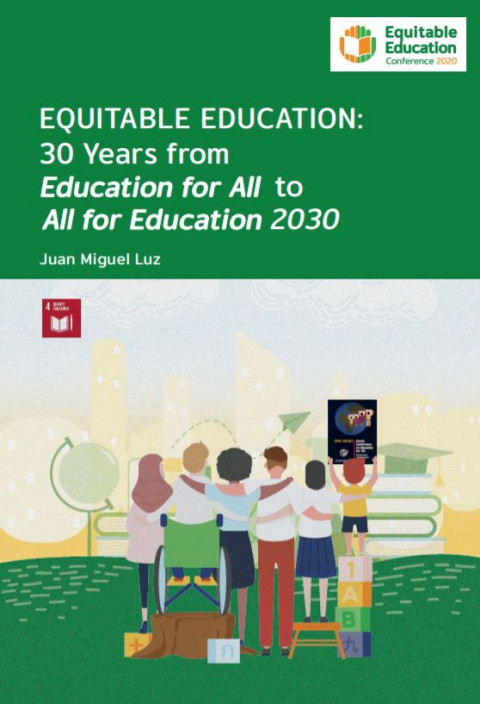 Equitable Education: 30 Years from Education for All to All for Education 2030 Год публикации: 2020 Автор: Juan Miguel Luz Организация-автор: Equitable Education Fund In the 30 years since the World Declaration on Education for All (Jomtien Declaration, Thailand), the world has made enormous strides in achieving the target of universal primary education.Total enrolment rates in developing regions reached 91 percent in 2015 and the worldwide number of children out of school has dropped by almost half. However, large disparities remain. Children from the poorest households are up to five times more likely to be out of school than those of the richest households. Disparities between rural and urban areas also remain high.As education inequality threatens to widen because of the COVID-19 pandemic, and with only 10 years to go to achieve the Sustainable Development Goals (SDGs), now, more than ever, is the time for the world to come together and accelerate change through innovative and sustainable solutions.
 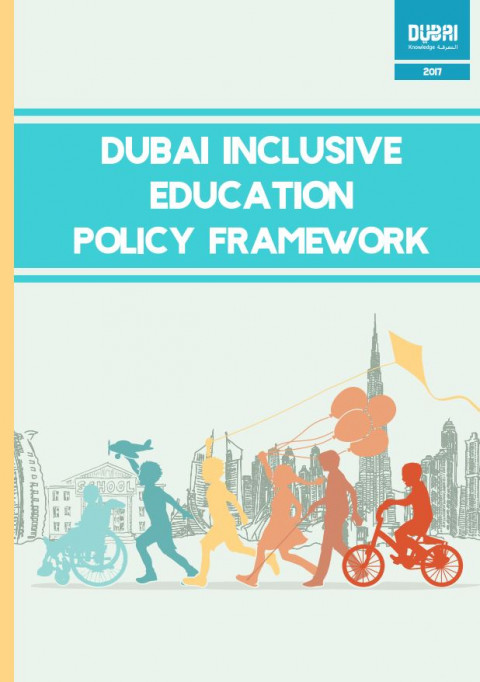 Dubai Inclusive Education Policy Framework Год публикации: 2017 Организация-автор: Knowledge and Human Development Authority The policy framework has been developed in partnership with a diverse range of stakeholders. It is based on international evidence of successful inclusive practices in education. It is also the culmination of an international benchmarking literature review, a participatory research process, based on extensive consultation with many stakeholders and an environmental scan of the enablers and barriers to inclusive education.Based on international best-practice and research, the policy framework purposefully offers definitions of key terms with the intention of informing a clear, common language and approach. This policy framework also takes into account the complexity and the uniqueness of the education landscape of Dubai, which hosts schools from all over the world, collectively delivering over 17 different curricula. This landscape is characterised by a diverse range of different education settings including schools, early learning centres, higher education providers and special education centres. إطار سياسة التعليم الدامج في دبي Год публикации: 2017 Организация-автор: Knowledge and Human Development Authority هذا الاطار لسياسة التعليم الدامج في إمارة دبي بهدف توفير كافة المعلومات المطلوبة عن الاجراءات والمعايير اللازمة لتحسين مقومات التعليم الدامج على مستوى الامارة، ولتعميم توجيهات وإرشادات محددة الى جميع المنشآت التعليمية في دبي، على النحو الذي يضمن تحقيق رؤية الامارة.
 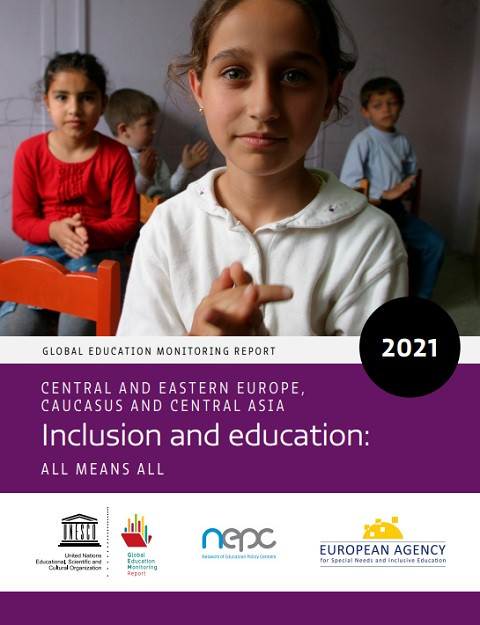 Global Education Monitoring Report, 2021, Central and Eastern Europe, Caucasus and Central Asia: Inclusion and Education; All Means All Год публикации: 2021 Организация-автор: Global Education Monitoring Report Team | European Agency for Special Needs and Inclusive Education | Network of Education Policy Centers Prepared by the Global Education Monitoring (GEM) Report, in partnership with the European Agency for Special Needs and Inclusive Education and the Network of Education Policy Centers, the regional report on inclusion and education in Central and Eastern Europe, the Caucasus and Central Asia offers a deep dive into the core challenges and key solutions. The region is working hard to overcome a legacy, whereby children with disabilities attended special schools, once wrongly regarded as an effective solution, segregated by type of disability, if not fully excluded from education.The report draws on in-depth profiles of 30 education systems in the region. It also presents the additional risks to inclusion now posed by the COVID-19 pandemic. Building on the 2020 Global Education Monitoring Report, it documents barriers facing learners, particularly where multiple disadvantages intersect. Its recommendations provide a systematic framework for identifying and dismantling these barriers, according to the principle that ‘every learner matters and matters equally’. Всемирный доклад по мониторингу образования 2021 г. : для всех означает для всех инклюзивность и образование; центральная и восточная европа,кавказ и средняя азия Год публикации: 2021 Организация-автор: Global Education Monitoring Report Team | European Agency for Special Needs and Inclusive Education | Network of Education Policy Centers В этом докладе описана огромная и географически разнородная территория, которую объединили в один регион схожие образовательные системыи подходы, сформированные во второй половине 20 века в рамках государственного социализма. Образование было доступно, гендерное неравенство и неравенство, связанное с местом проживания, было искоренено. Но образовательные системы подвергали дискриминации детей с особыми потребностями, которые посещали специальные школы. Это решение ошибочно считалось эффективным: ученики разделялись по типу инвалидности, а некоторые из них полностью исключались из системы образования.Начиная с 1989 года, регион старается преодолеть это тяжелое наследие и перейти к инклюзивному образованию, основанному на правах человека, подходу, который часто поддерживается международными организациями. В законодательство и образовательную политику было включено более широкое понимание инклюзии. Педагогическое образование и программы повышения квалификации учителей были пересмотрены и реструктурированы. Тем не менее, прогресс неравномерен. Многие изменения произошли на бумаге, в то время как глубинные убеждения и реальная практика практически не изменились. В то же время образовательные системы пытаются преодолеть негативные последствия политического и экономического кризисов, которые углубили неравенство и усилили социальную напряженность. Такие факторы как гендер, удаленное место проживания, бедность, этническая принадлежность, язык, миграция, принадлежность к числу перемещенных лиц, тюремное заключение, сексуальная ориентация, гендерная идентичность и религиозные и другие убеждения связаны с неравенством образовательных возможностей.Составленный группой по подготовке Всемирного доклада по мониторингу образования, в партнерстве с Европейским агентством по специальным потребностям и инклюзивному образованию и Сетью центров образовательной политики, этот доклад содержит подробные описания 30 образовательных систем региона. В докладе также представлены дополнительные риски для инклюзии, возникшие в результате пандемии COVID-19. Основываясь на Всемирном докладе ЮНЕСКО по мониторингу образования, этот документ фиксирует барьеры, с которыми сталкиваются учащиеся. Рекомендации, данные в докладе, предлагают систему для выявления и устранения этих барьеров, в основе которой лежит принцип «каждый ученик важен и важен одинаково».
  Glocal Education in Practice: Teaching, Researching, and Citizenship (BCES Conference Books; Vol. 17) Год публикации: 2019 Автор: Nikolay Popov | Charl Wolhuter | Louw de Beer | Gillian Hilton | James Ogunleye | Elizabeth Achinewhu-Nworgu | Ewelina Niemczyk Организация-автор: Bulgarian Comparative Education Society (BCES) This volume contains selected papers submitted to the XVII Annual International Conference of the Bulgarian Comparative Education Society (BCES) held in June 2019 in Pomorie, Bulgaria. The XVII BCES Conference theme is Glocal Education in Practice: Teaching, Researching, and Citizenship. The book includes 34 papers written by 69 authors from 20 countries.
  Toolkit for Urban Inclusion in Arab Cities: Cities Promoting Inclusion Through Public Participation, Access to Information, Sport, and Citizenship and Human Rights Education Год публикации: 2020 Автор: Kareem Ibrahim | Deena Khalil | Marwa Barakat | Salwa Salman Организация-автор: UNESCO | European Training and Research Centre for Human Rights and Democracy (Austria) | UNESCO Cairo Arab cities are witnessing an unprecedented expansion. Home to more than half of the region’s population, Arab cities have transformed into heterogeneous spaces that host diverse identities, cultures, and ethnicities. In order for this transformation to lead to prosperity, city officials must adopt a rights-based, human-centred approach, and implement inclusive policies and measures that provide equal opportunities for all.In this context, the Toolkit for Urban Inclusion in Arab Cities provides Arab city leaders and local government officials with practical tools and advice to guide their efforts towards establishing inclusive and sustainable cities. The Toolkit is based on the real experiences and practices of cities members of the Coalition of Arab Cities against Racism, Discrimination, Xenophobia and Intolerance in planning, implementing and evaluating programs and projects that promote urban inclusion and combat exclusion in all its forms.The Toolkit focuses on four topics of high priority to the Arab Coalition member cities: public participation, access to information, sport for youth inclusion, and citizenship and human rights education.