
Ресурсы
Изучайте широкий спектр ценных ресурсов ВГГ, чтобы углубить своё понимание и повысить эффективность исследований, просветительской деятельности, преподавания и обучения.
Найдено: 1,951
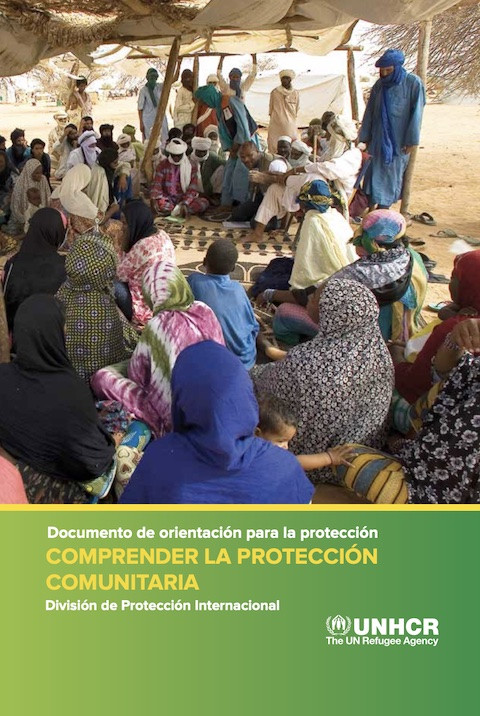 Comprender la protección comunitaria: Documento de orientación para la protección Год публикации: 2013 Организация-автор: UN. Office of the United Nations High Commissioner for Refugees (UNHCR) Documento que orienta la protección comunitaria desde el reconocimiento del enfoque comunitario, la definción de la protección y la protección comunitaria. Deja las bases de 12 lecciones funadamentales para este proceso.
  Why Is Transformative Education a Vital Response to the Multiple Challenges of the Future? Год публикации: 2021 Автор: Tereza Čajková Организация-автор: Bridge 47 This report explores the role of transformative education as described in SDG Target 4.7 in responding to the global challenges, risks and trends of the future, and is split into three sections: Part 1 sets the context based on several foresight reports, suggesting that the physical effects of climate change are likely to intensify during the next two decades as humanity looks unlikely to meet the goal of limiting global warming to under 2°C. The burden of climate disruption and environmental decline is already felt by everyone, but disproportionately by the most vulnerable populations. Social challenges described in foresight reports reflect increasing levels of uncertainty, precarity, fragility and complexity. The future world will likely be more connected, yet more fragmented, characterised by multiple changes taking place at an unprecedented pace.Part 2 reflects on the role of education in times of social and ecological transformation. There is currently increasing momentum for questioning established education approaches in terms of whether they are able to equip future generations to cope with the multiple crises the foresight reports warn us of. Transformative education can contribute to this process given that preparing learners to address future challenges is one of its core commitments. Part 3 provides an insight into the types of learning which may be more suited to coping with these numerous challenges. Transformative learning develops the cognitive abilities to learn from the social and historical shortcomings of the dominant world-view and to address the driving forces responsible for degradation of life on the planet. It can support development of dispositions enabling learners to relate to each other and the world in a radically different way, understanding that we cannot separate humanity from the planet and all other living beings and that humanity may need to learn how to live in, and with the world, without occupying its centre.
  Becoming a Global Citizen: Proceedings of the International Symposium on Competencies of Global Citizens (Espoo, Finland, 5-7th October 2011) Год публикации: 2011 Автор: Liisa Jääskeläinen | Taina Kaivola | Eddie O’Loughlin | Liam Wegimont Организация-автор: Global Education Network Europe (GENE) | Finnish National Board of Education (FNBE) The international symposium on competences of global citizens, entitled Becoming a Global Citizen, was held in Espoo, Finland on 5 – 7. October, 2011. The symposium was organized by the Finnish National Board of Education (FNBE), the Finnish Ministry for Foreign Affairs, GENE (Global Education Network Europe) and the Hanasaari Swedish- Finnish Cultural Centre.The symposium focused on three main questions, namely:• what is global education?• what are key competences of global citizens in general education?• how can the priorities of global education be supported nationally?This publication contains the proceedings and main information gathered in the symposium. From Finland’s point of view the Symposium provided a substantial contribution to the publication called Schools Reaching out to a Global World. The publication comprises several articles on competencies of global citizens serving the next curricular reform of the entire general education sector for Finland, to be fully implemented by 2016. From the international perspectives the Symposium meant a most relevant input into the pan-European debate on perspectives for Global Education.
 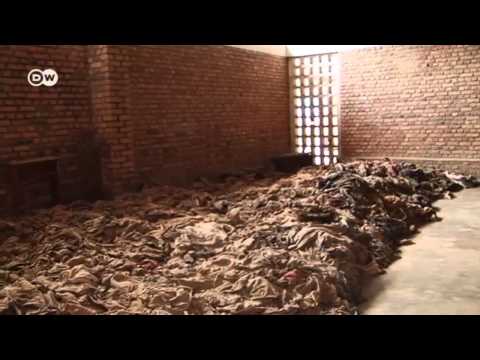 20 Years of the Rwandan Genocide Год публикации: 2014 Организация-автор: DW Español The rainy season in Rwanda recalls how 20 years ago the extermination of the tutsi population began by part of the hegemonic Hutu goverment of Rwanda in 1994. 20 años del genocidio de Ruanda Год публикации: 2014 Организация-автор: DW Español La temporada de lluvias en Ruanda, recuerda como hace 20 años empezó el exterminio de la poblaicón tutsi por parte del gobierno hegemónico hutu de Ruanda en el año 1994.
 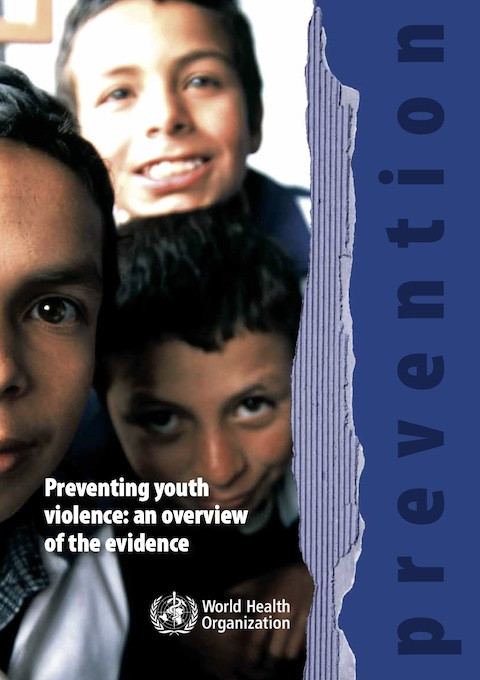 Preventing Youth Violence: An Overview of the Evidence Год публикации: 2015 Организация-автор: World Health Organization (WHO) Every year about 200.000 adolescents and young people between the ages of 10 and 29 die, which places homicide in fourth place in the world as cause of death in young population. Several million adolescents and young people suffer from acts of violence, and trauma that require urgent medical and psychological treatment. The emotional imprints that youth volence leaves on its survivors and their loved ones are often profound. Youth violence destroys lives and its consequences have very high economic costs, both for society and for the families of young people. The goal of this manual is to provide a scientific framework that allows us to understand why some people have a greater tendency to be involved in acts of youth violence and how to prevent it. La prevención de la violencia juvenil: Panorama general de la evidencia Год публикации: 2015 Организация-автор: World Health Organization (WHO) Cada año mueren unos 200.000 adolescentes y jovenes entre los 10 y los 29 años de edad, lo cual coloca al homicidio en cuarto lugar en el mundo como causa demuerte en la población joven. Varios millones de adolescentes y jovenes sufren por actos de violencia, traumatismos que exijen tratamiento medico y psicologico urgente. Las huellas emocionales que la violencia juvenil deja en sus sobrevivientes y en los seres queridos de estos suelen ser profundas. La violencia juvenil destroza vidas y sus consecuencias tienen costos economicos muy altos,tanto para la sociedad como para las familias de los jovenes. El objetivo de este manual es ayudar a los formuladores de politicas y planificadores en todas partes a contrarrestar la violencia juvenil mediante estrategias respaldadas por la evidencia. El manual proporciona un marco cientifico que permite entender por qué algunas personas tiene una mayor tendencia a verse involucradas en actos de violencia juvenil y cómo prevenirla.
  Formalism, Tribalism, and Nationalism in the Protection of Children’s Rights in Kazakhstan Год публикации: 2020 Автор: Aigerim Musabalinova Организация-автор: Central Asian Bureau for Analytical Reporting (CABAR) | Institute for War and Peace Reporting (IWPR) Aigerim Musabalinova, an expert on children’s rights tries to find an answer to the question of how the social and cultural aspect of the country affects the well-being of children and the observance of their rights and interests, in an article for CABAR.asia. Формализм, трайбализм и национализм в вопросах защиты прав детей в Казахстане Год публикации: 2020 Автор: Aigerim Musabalinova Организация-автор: Central Asian Bureau for Analytical Reporting (CABAR) | Institute for War and Peace Reporting (IWPR) Айгерим Мусабалинова, казахстанский эксперт по правам ребенка в статье для CABAR.asia пробует найти ответ на вопрос как социальный и культурный аспект страны влияет на благополучие детей и соблюдение их прав и интересов.
  Борьба с семейным насилием в Кыргызстане: Защищены ли Жертвы? Год публикации: 2020 Автор: Anna Zubenko Организация-автор: Central Asian Bureau for Analytical Reporting (CABAR) | Institute for War and Peace Reporting (IWPR) В данной статье автор анализирует некоторые результаты реформ судебно-правовой системы, благодаря которым в Кыргызстане появился ряд новых кодексов, была направлена прежде всего на гуманизацию законодательства и декриминализацию отдельных видов преступлений. Семейное насилие, в рамках изменения законодательства напротив, было криминализовано – его включили в Кодекс о проступках, являющийся частью уголовного законодательства. Однако по мнению автора де-факто привлекать к ответственности виновников стало сложнее.