
Ресурсы
Изучайте широкий спектр ценных ресурсов ВГГ, чтобы углубить своё понимание и повысить эффективность исследований, просветительской деятельности, преподавания и обучения.
Найдено: 1,951
 민주시민교육의 이해와 실천 Год публикации: 2017 Автор: 주선미 | 이광식 | 신은영 | 강병덕 Организация-автор: 중앙선거관리위원회 선거연수원 본 자료는 민주시민교육의 개념 및 방법에 대한 체계적인 지침과 안내를 목적으로 발간되었으며, 민주시민교육 강의에 필요한 기본 이론학습서이다. 민주시민교육의 의의 및 내용과 방법, 외국의 민주시민교육 사례, 민주시민교육의 현황과 과제 등을 주요 내용으로 담았다.본 저작물은 선거연수원에서 2017년 작성하여 공공누리 제 2유형으로 개방한 ‘민주시민교육의 이해와 실천’ 을 이용하였으며 해당 저작물은 선거연수원 (www.civicedu.go.kr)에서 무료로 다운받으실 수 있습니다.
  ARC8 Outlook Report 2030: Inclusive and Diverse Higher Education in Asia and Europe Год публикации: 2021 Организация-автор: Asia-Europe Foundation (ASEF) The ARC8 Outlook Report 2030 on ʻInclusive and Diverse Higher Education in Asia and Europe’ was initiated with the objective of better understanding the current state, policies and practices of inclusion in higher education and identifying actions that could accelerate greater inclusion in a post-pandemic era.The ARC8 Outlook Report outlines emerging issues that could grow into major challenges and/ or opportunities in the coming 10 years related to inclusion in higher education. Inputs for the report came from an in-depth consultation process and from previous research done by Asian and European stakeholders. The Report consists of 4 chapters which analyse the future of inclusion from different perspectives: Inclusive Learning and Teaching in a Digital World Inclusive and Flexible Lifelong Learning Pathways Inclusive International Mobility of People and Knowledge Equitable Access and Success in Higher Education
 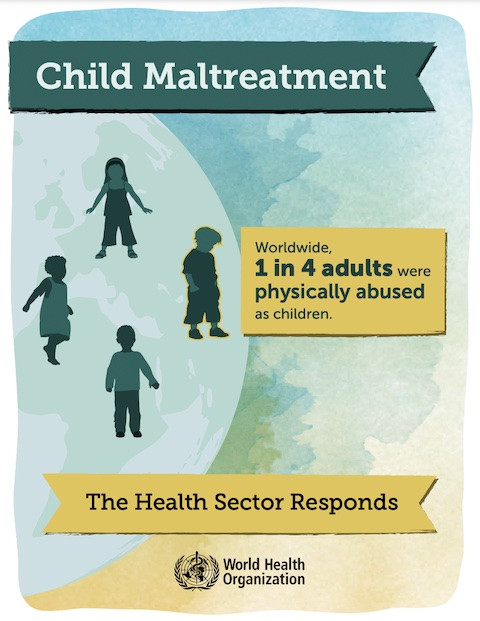 Child Abuse: The Health Sector Responds Год публикации: 2017 Организация-автор: World Health Organization (WHO) This document presents a review on child abuse, which is presented in five ways, physical, sexual, psychological and neglect, each causing adverse effects on the health of children. Child abuse is widespread worldwide. It has immediate and long-term effects that can last a lifetime. It presents the factors involved in child abuse, as well as the strategies that can help prevent it. Maltrato infantil: El sector de la salud responde Год публикации: 2017 Организация-автор: World Health Organization (WHO) Este documento presenta un revisión sobre el matrato infantil, el cual se presenta de cinco maneras, físico, sexual, psicológico y negligencia, cada uno provocando efectos adversos para salud de los niños. El maltratro infantil se encuentra muy extendido a nivel mundial. Tiene efectos inmediatos y de largo plazo que pueden durar toda la vida. Presenta los factores que se involucran en el maltrato infanti,así como las estrategias que pueden ayudar a prevenirlo.
 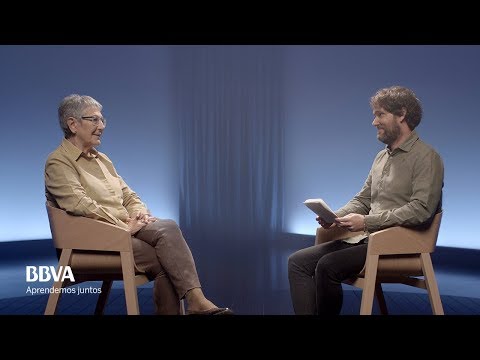 Education for Learning to Live Together and Conflict Resolution Год публикации: 2019 Организация-автор: BBVA Aprendemos Juntos In this video, the teacher and pedagogue Nélida Zaitegi talks about her pedagogical proposal to learn to live together and resolve conflicts. He defends the so-called "soft skills", emotional intelligence and morals, which in schools should have as much presence as traditional subjects. He has been researching and developing educational innovation programs for more than forty years, based on positive coexistence and conflict resolution. Educación para la convivencia y resolución de conflictos Год публикации: 2019 Организация-автор: BBVA Aprendemos Juntos En este vídeo, la maestra y pedagoga Nélida Zaitegi habla sobre su propuesta pedagógica para aprender a convivir y resolver conflictos. Defiende las llamadas “competencias blandas”, la inteligencia emocional y la moral, que en las escuelas deberían tener tanta presencia como las asignaturas tradicionales. Lleva más de cuarenta años investigando y desarrollando programas de innovación educativa, basados en la convivencia positiva y la resolución de conflictos.
  Education at a Glance 2021: OECD Indicator Год публикации: 2021 Организация-автор: Organisation for Economic Co-operation and Development (OECD) Education at a Glance is the authoritative source for information on the state of education around the world. It provides data on the structure, finances and performance of education systems across OECD countries and a number of partner economies. More than 100 charts and tables in this publication – as well as links to much more available on the educational database – provide key information on the output of educational institutions; the impact of learning across countries; access, participation and progression in education; the financial resources invested in education; and teachers, the learning environment and the organisation of schools.The 2021 edition includes a focus on equity, investigating how progress through education and the associated learning and labour market outcomes are impacted by dimensions such as gender, socio‐economic status, country of birth and regional location. A specific chapter is dedicated to Target 4.5 of the Sustainable Development Goal 4 on equity in education, providing an assessment of where OECD and partner countries stand in providing equal access to quality education at all levels. Two new indicators on the mechanisms and formulas used to allocate public funding to schools and on teacher attrition rate complement this year’s edition. Regards sur l’éducation 2021: Les indicateurs de l’OCDE Год публикации: 2021 Организация-автор: Organisation for Economic Co-operation and Development (OECD) Regards sur l’éducation est le rapport de référence sur l’état de l’éducation dans le monde. Ce rapport étudie la structure, le financement et la performance des systèmes d’éducation des pays de l’OCDE et d’un certain nombre de pays partenaires. Avec plus d’une centaine de tableaux et graphiques – et de nombreux liens vers la base de données de l’OCDE sur l’éducation – Regards sur l’éducation foisonne d’informations sur les résultats des établissements d’enseignement ; l’impact de l’apprentissage ; l’accès à l’éducation, les taux de scolarisation et les parcours scolaires ; les investissements dans l’éducation ; et les enseignants, l’environnement d’apprentissage et l’organisation de l’enseignement.L’édition 2021 s’intéresse à la question de l’équité : elle étudie dans quelle mesure le sexe, le milieu socio-économique, le pays d’origine ou encore la situation géographique influencent le parcours éducatif des élèves et étudiants, et ont un impact sur les résultats en termes d’apprentissage et d’emploi. Un chapitre spécifique est consacré à la cible 4.5 de l’objectif de développement durable 4 sur l’équité dans l’éducation. Il situe les pays membres et partenaires de l’OCDE par rapport aux objectifs en matière d’égalité d’accès à une éducation de qualité à tous les niveaux d’enseignement. Deux nouveaux indicateurs sur les mécanismes et les formules utilisés pour allouer les fonds publics aux établissements et sur le taux d’attrition des enseignants complètent l’édition 2021.
  Human Rights: Handbook for Parliamentarians N° 26 Год публикации: 2016 Организация-автор: Inter-Parliamentary Union (IPU) The Human Rights Handbook for Parliamentarians is based on the conviction that parliaments and their members can play a key role in delivering concretely on human rights. It is a joint initiative of the IPU and the Office of the United Nations High Commissioner for Human Rights. With brief presentations of the international human rights legal framework and international mechanisms which oversee its implementation at the national level, the Handbook looks at how parliaments can contribute to greater human rights protection. Derechos Humanos: Manual para Parlamentarios N° 26 Год публикации: 2016 Организация-автор: Inter-Parliamentary Union (IPU) El Manual de Derechos Humanos está dirigido a parlamentarios que quieran familiarizarse con el marco que ha sido establecido desde 1945 por las Naciones Unidas y las organizaciones regionales para proteger y promover los derechos humanos. Presenta la noción de derechos humanos y los contenidos centrales de los derechos consagrados en la Declaración Universal de Derechos Humanos. Especifica las obligaciones de los Estados de proteger y promover los derechos humanos y contiene sugerencias sobre las acciones que los parlamentos y sus miembros pueden tomar para contribuir a su implementación.